
The Inland Ocean: Wandering Loreto and the Islands Beyond
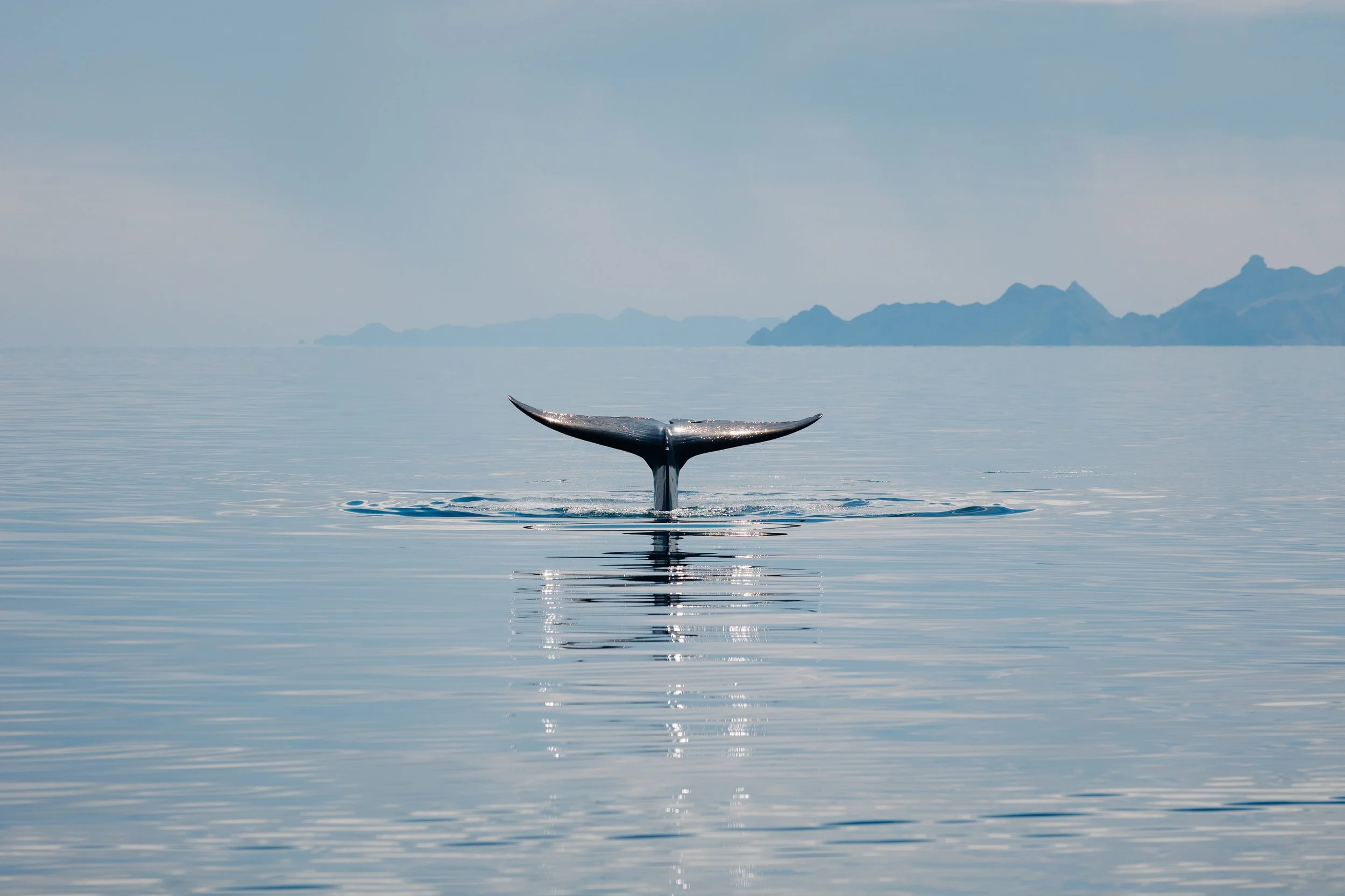
Following the migration routes of Blue whales through desert seascapes
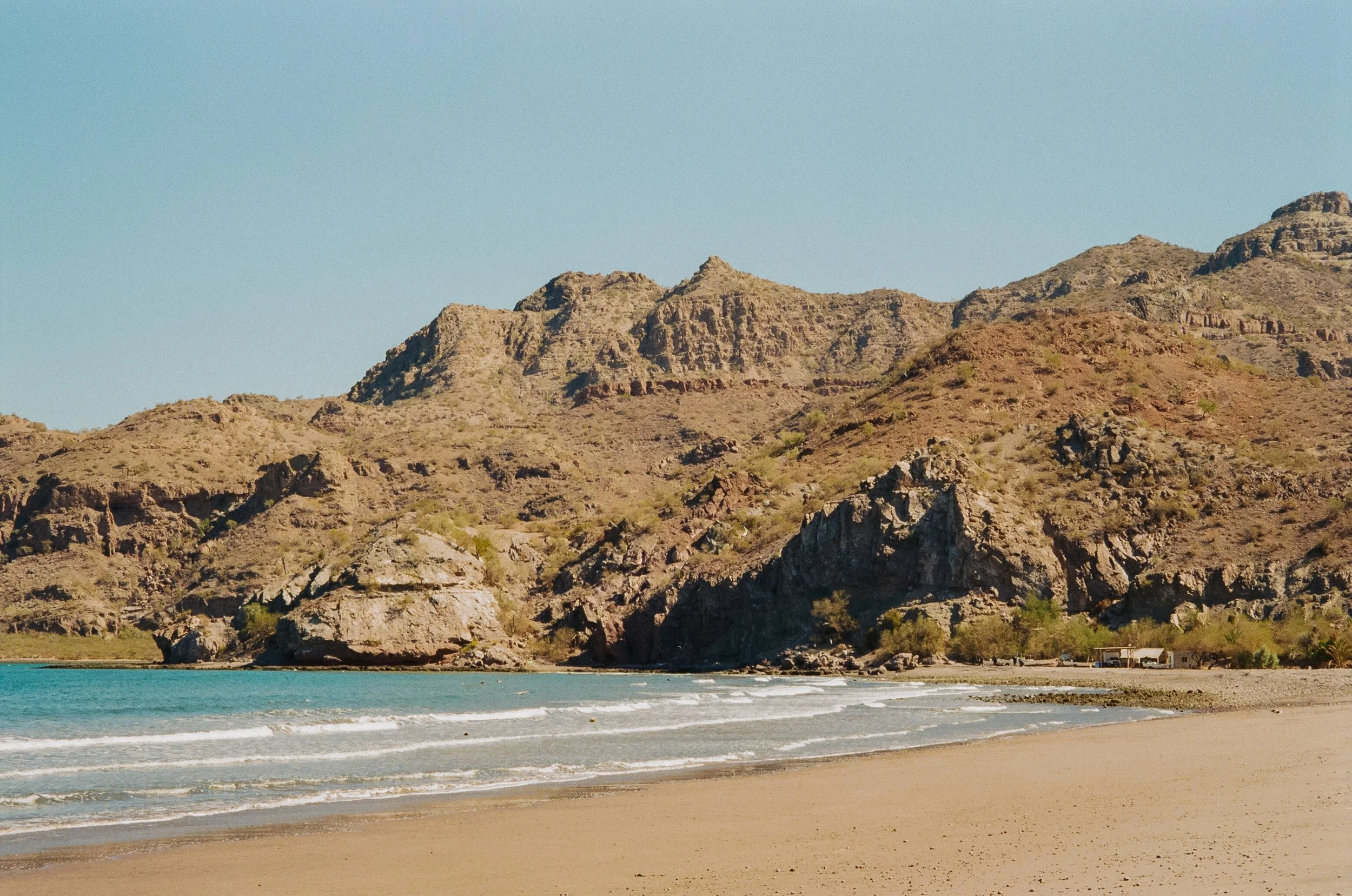
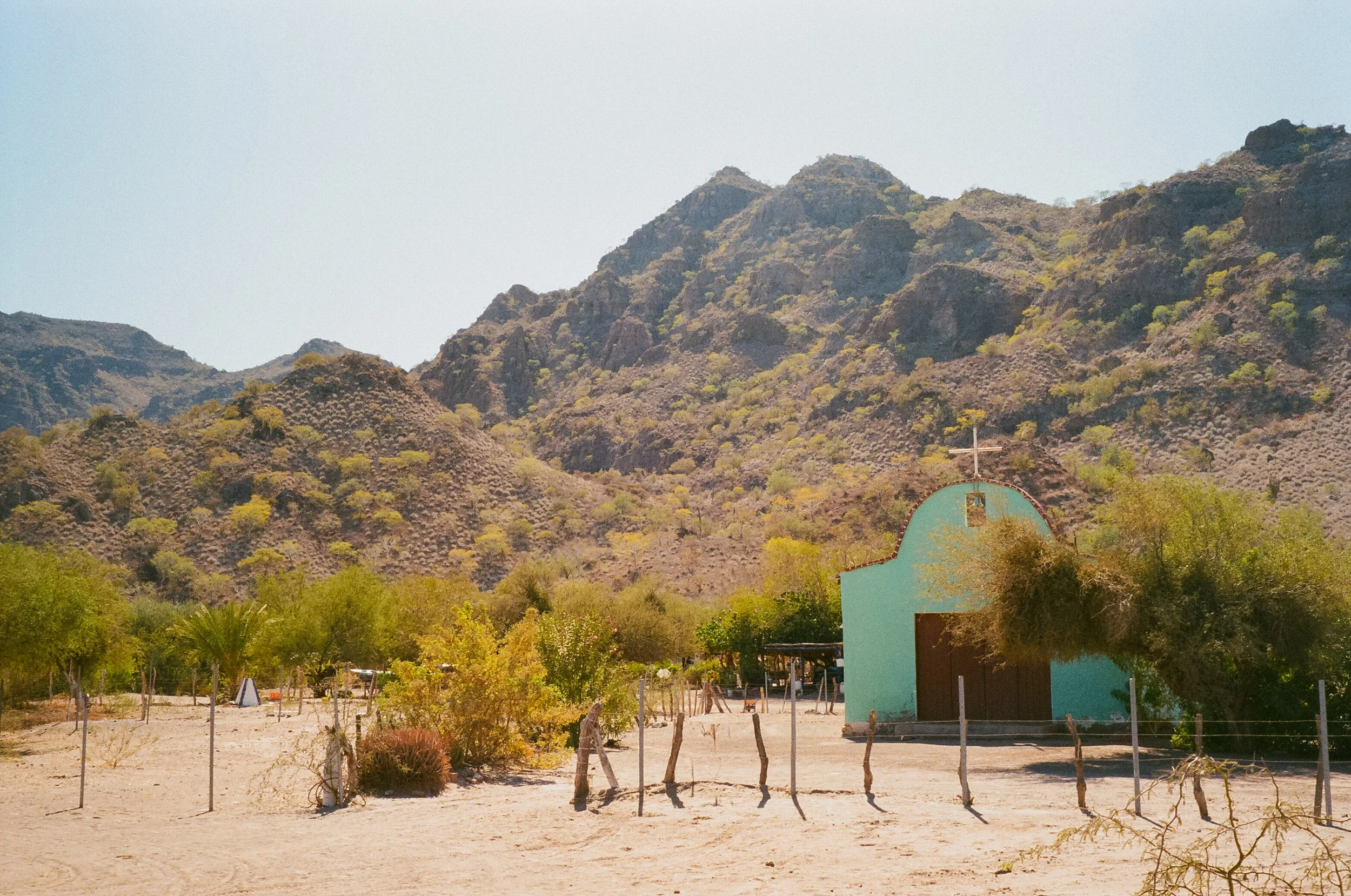
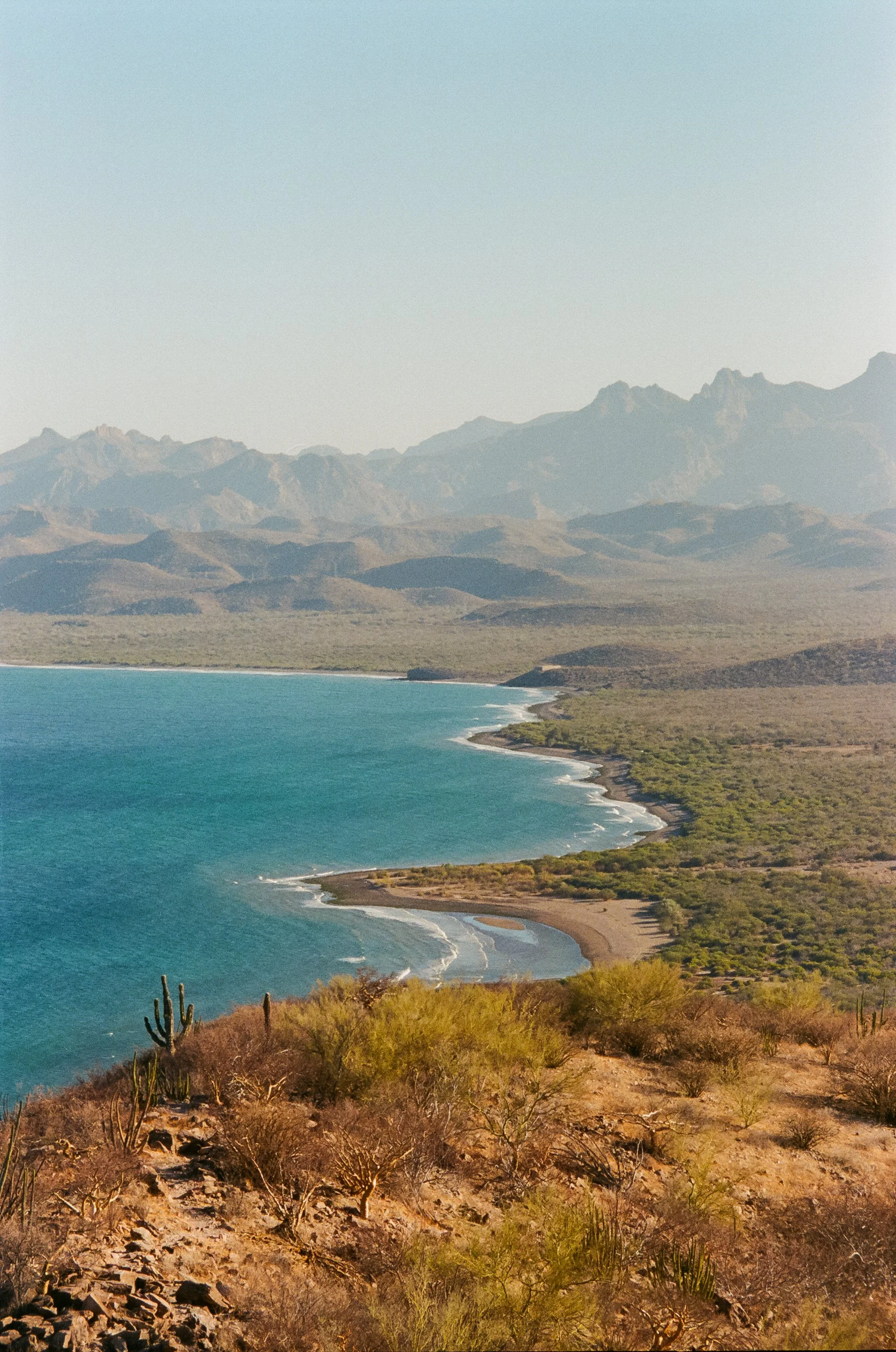
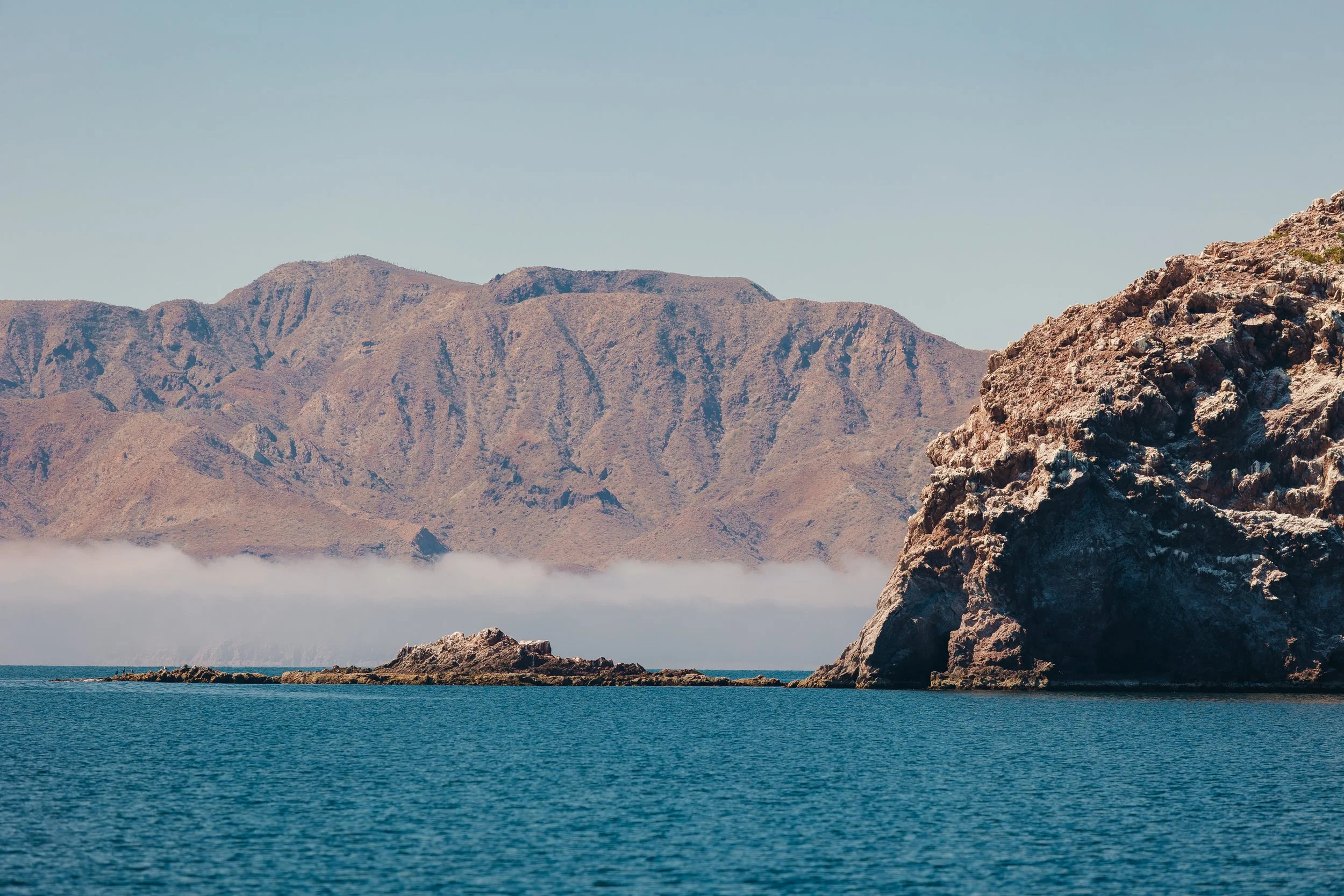
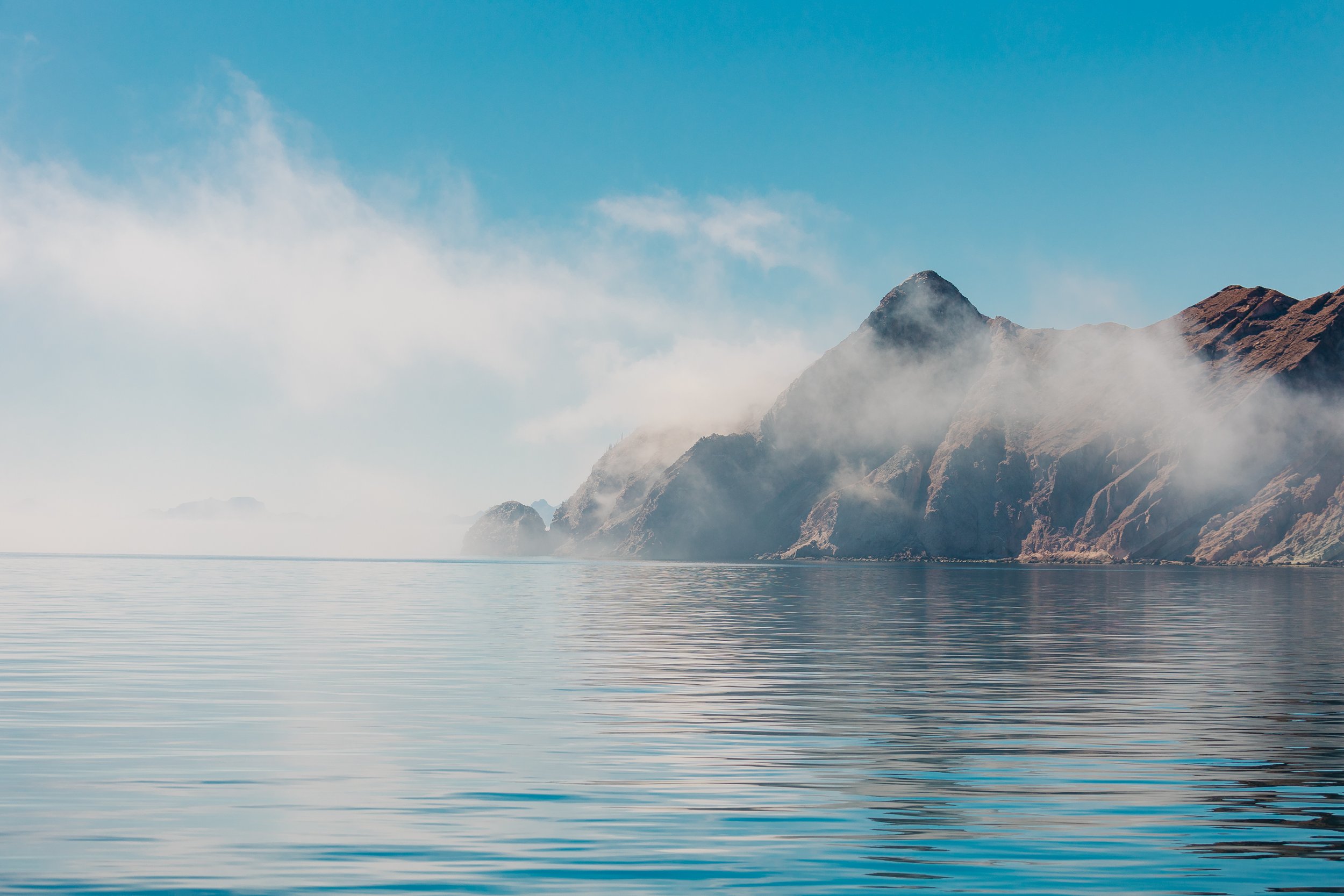
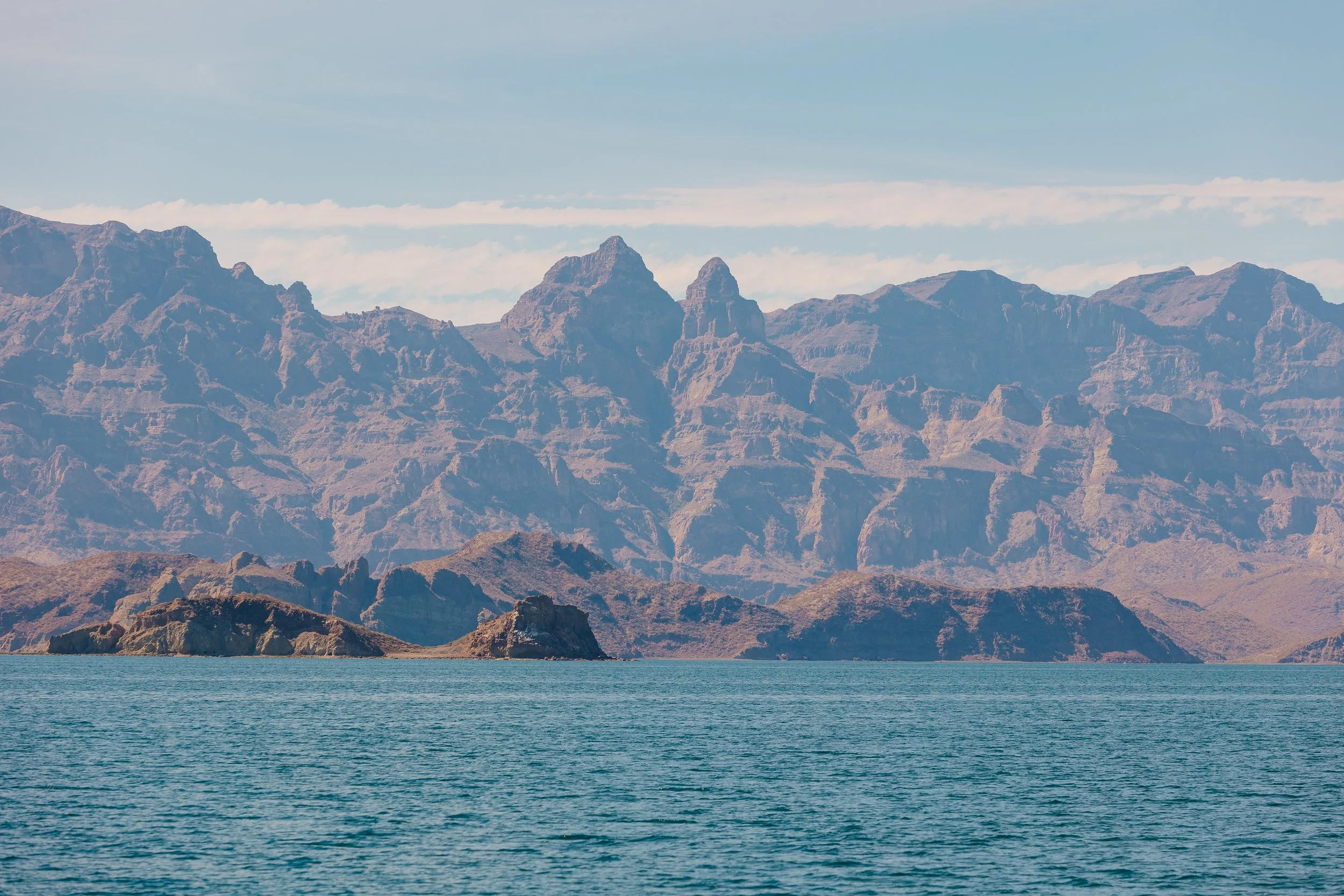
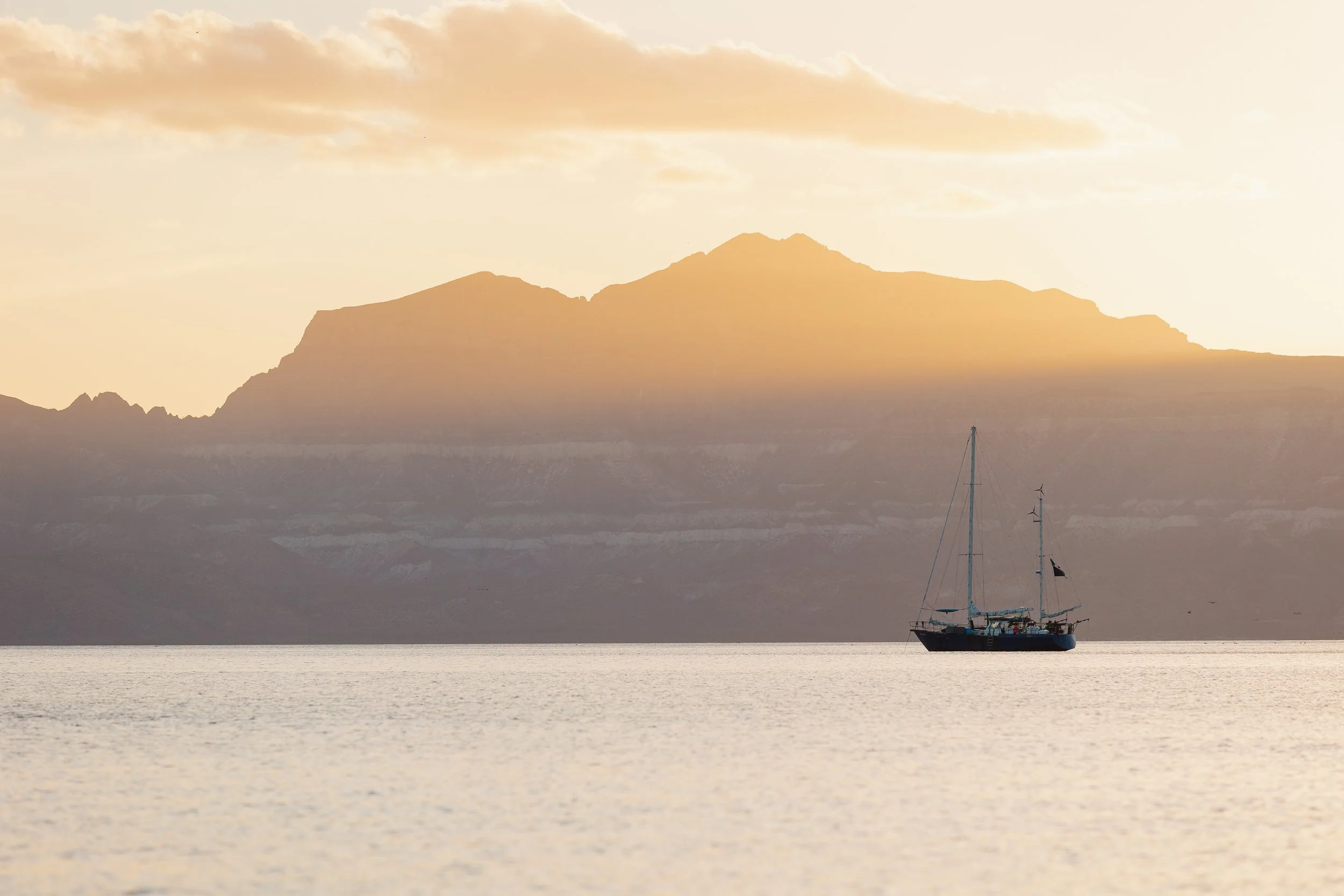
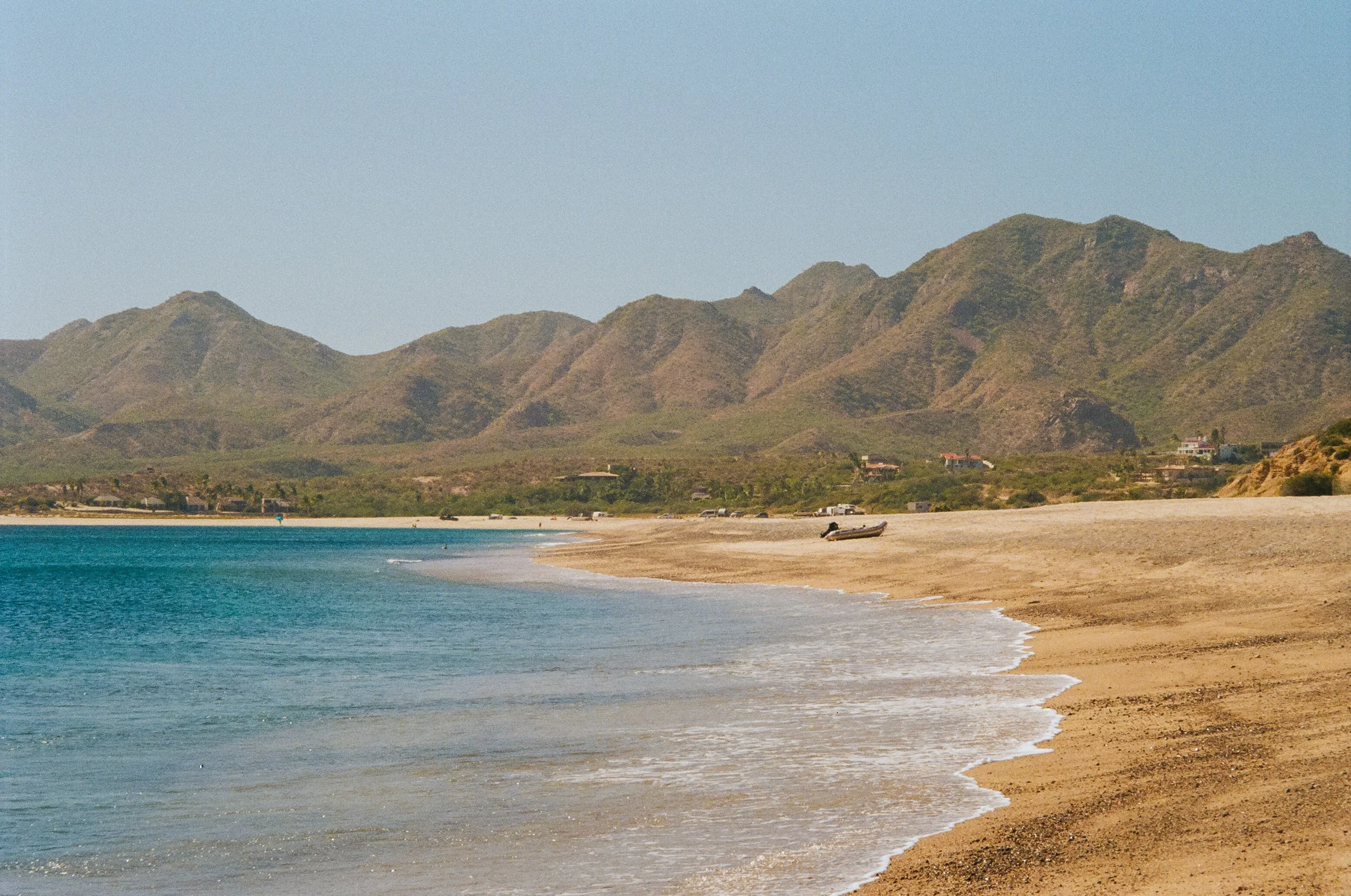
The Sea of Cortez, or Gulf of California, in the Mexican state of Baja California Sur was uncharted water for both of us, a new chapter in a journey already unfolding like a weathered map. Day by day, this coast drew us deeper into its spell. The rhythm of the tides, the stillness of its sheltered bays, the desert mountains standing watch above the sea like ancient sentinels; everything felt both foreign and strangely familiar.Baja quickly became one of those places that settles beneath your skin. The farther north we traveled, the more we found ourselves captivated by the contrasts. Vast desert landscapes stretched beyond the horizon, yet the sea teemed with life. Volcanic islands rose from sapphire water. Mangrove forests appeared unexpectedly in sheltered coves, transforming dry desert coastlines into lush green labyrinths. Every anchorage revealed a different face of the peninsula.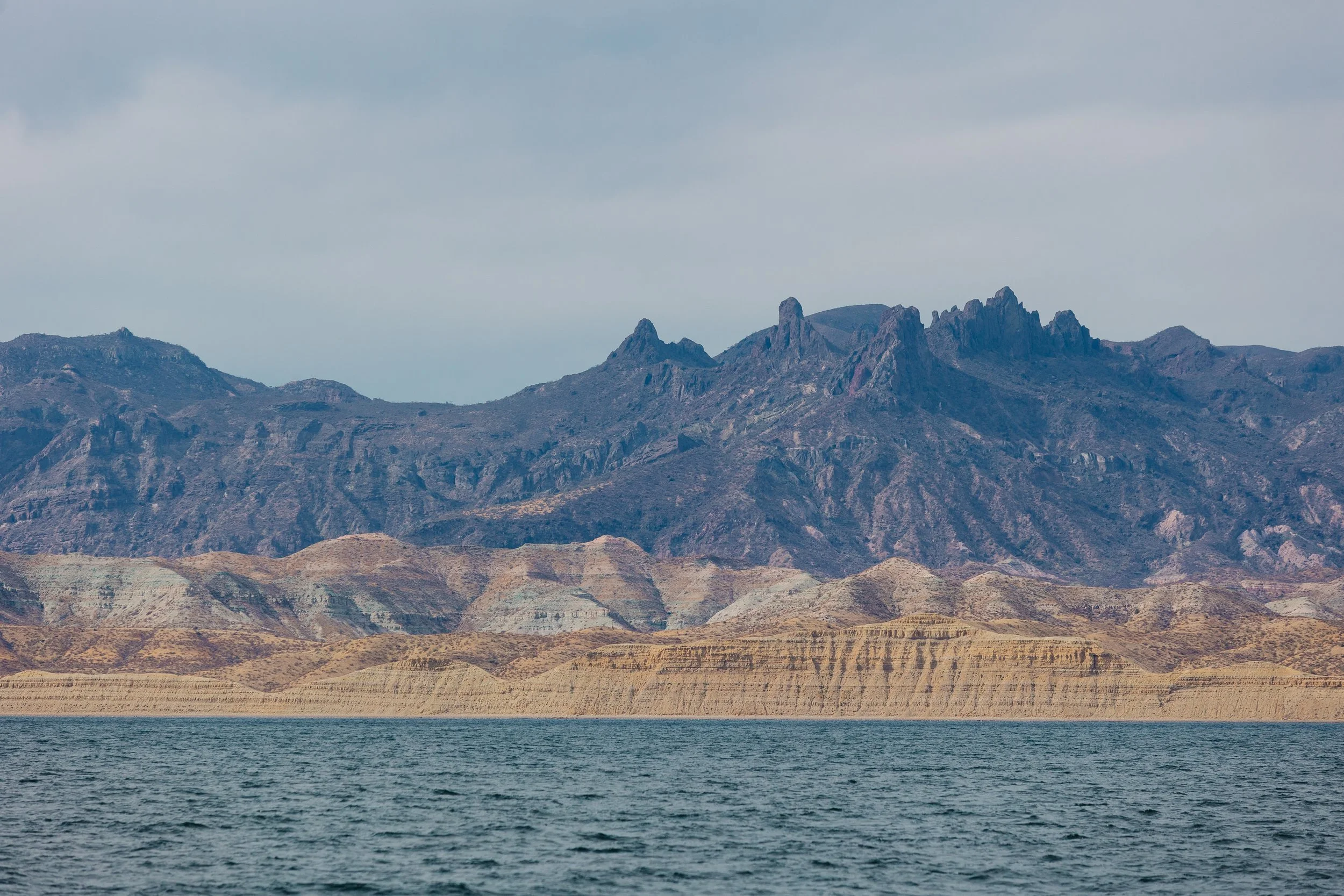
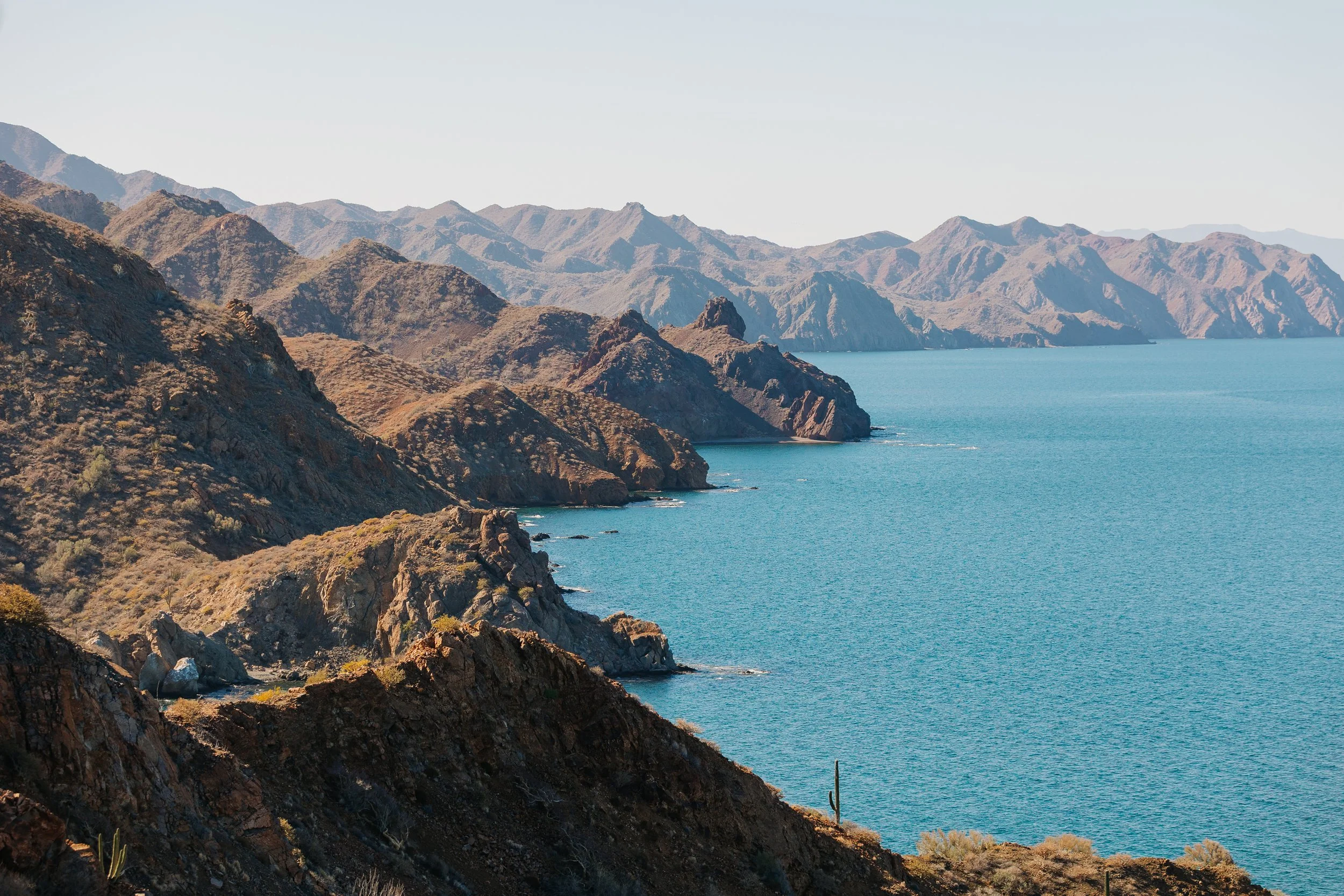
Mainland Baja from the Sea of Cortez
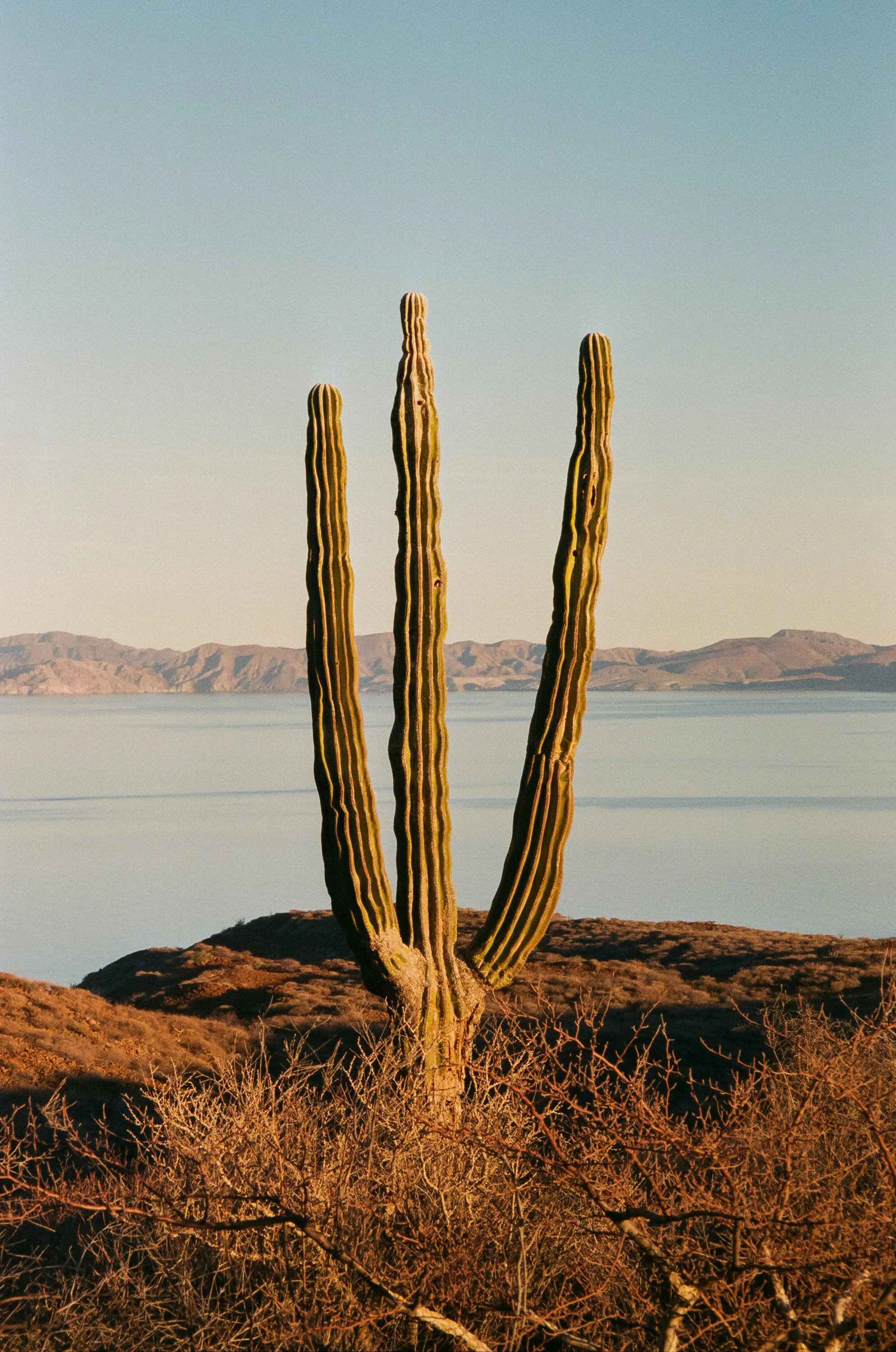
Isla Coronado
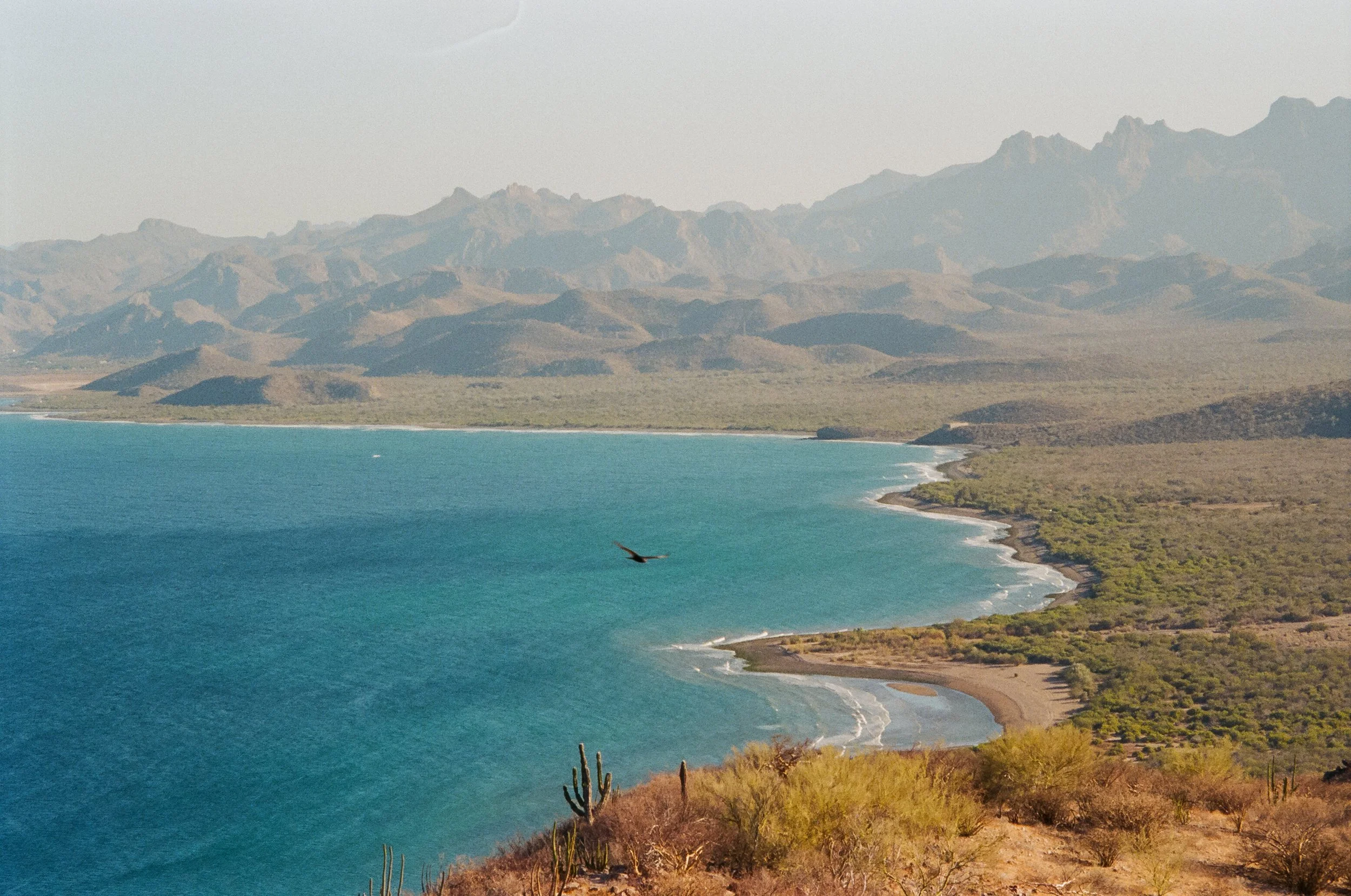
Pelicn a fishing ponga in Bahía Asunción
This was also one of the places where our worlds seemed to overlap most completely. Many Alaska sailors spend their winters cruising Baja, escaping the cold, wet and dark, the freezing temperatures of the north. For us, Baja felt like the southwestern playgrounds of our childhood colliding with the coastal sailing life we had built as adults.Throughout our travels in Mexico, one observation surfaced again and again: the Sea of Cortez mirrors the landscapes of the American Southwest in ways that seem almost impossible. One day we would be gazing across mountains that looked remarkably like the Mojave Desert. Next, we would be hiking among purple and green volcanic rock that reminded us of New Mexico. Around the next headland stood forests of towering cardón cactus that felt distinctly Arizonan. Then another island would reveal sandstone cliffs and winding coves that could have been lifted straight from Lake Powell.Perhaps that is what makes the Sea of Cortez so compelling. It is not merely a desert, and it is not merely an ocean. It is a place where two seemingly opposite worlds exist side by side, each amplifying the beauty of the other.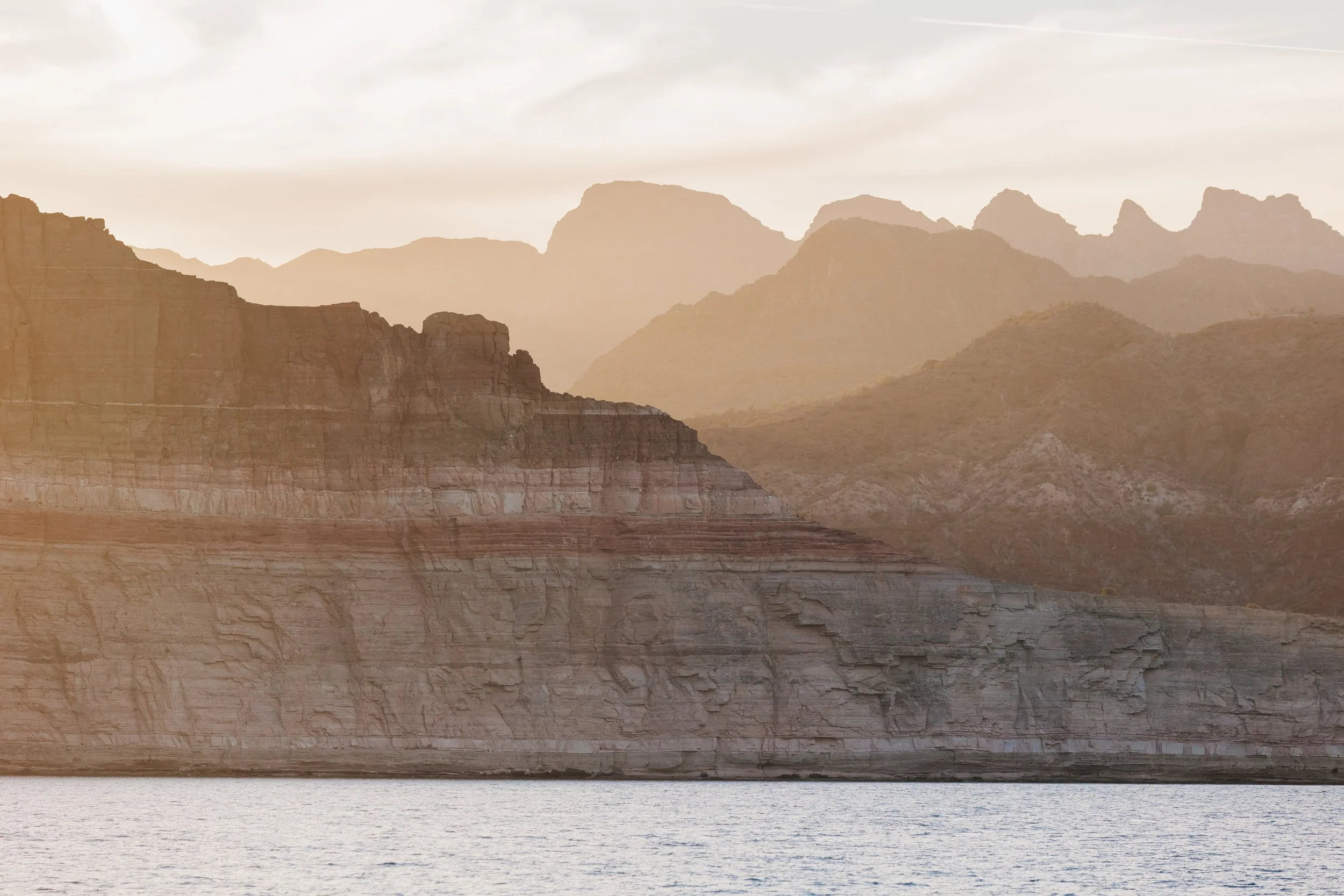
Departing San Diego
THE COAST NORTH
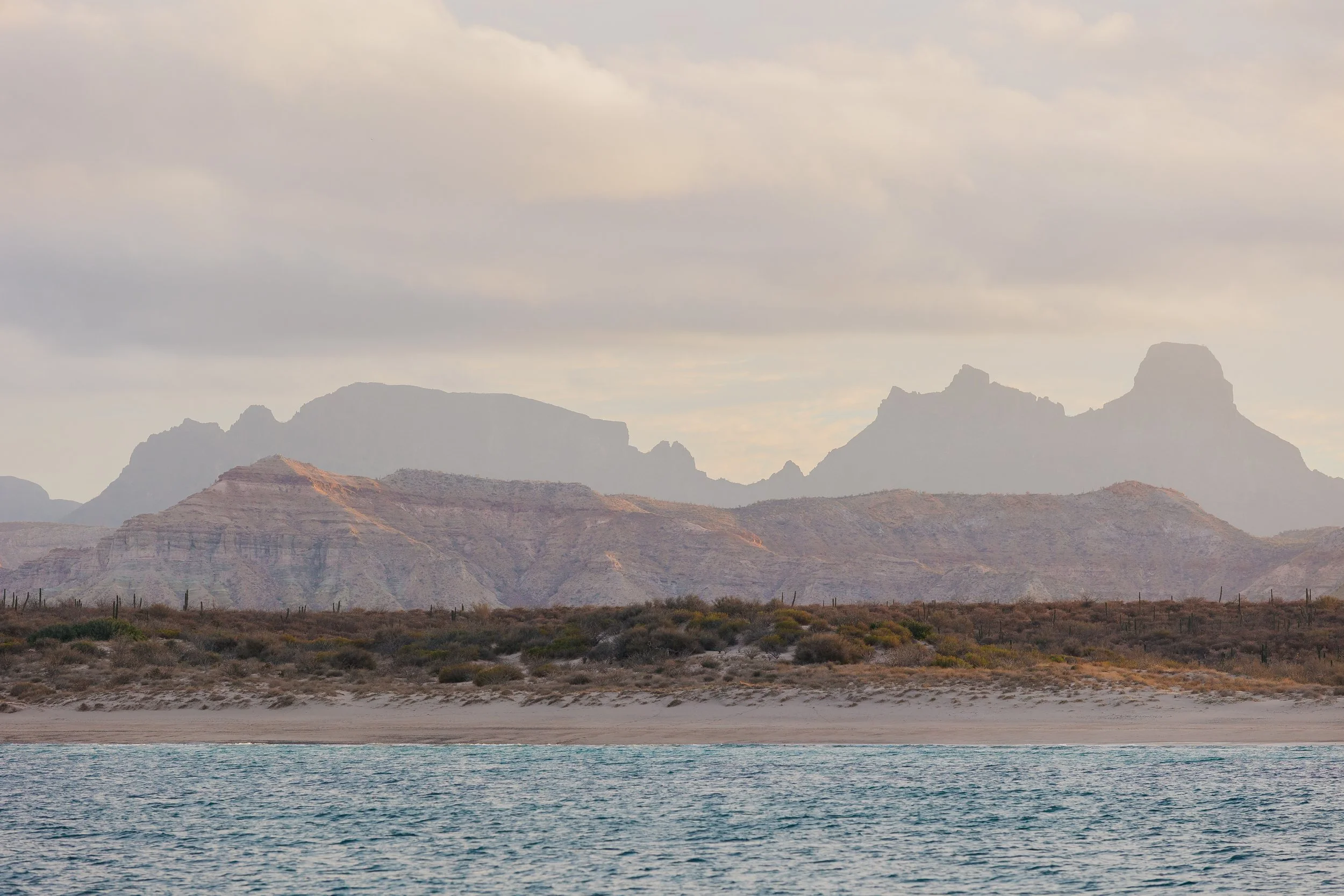
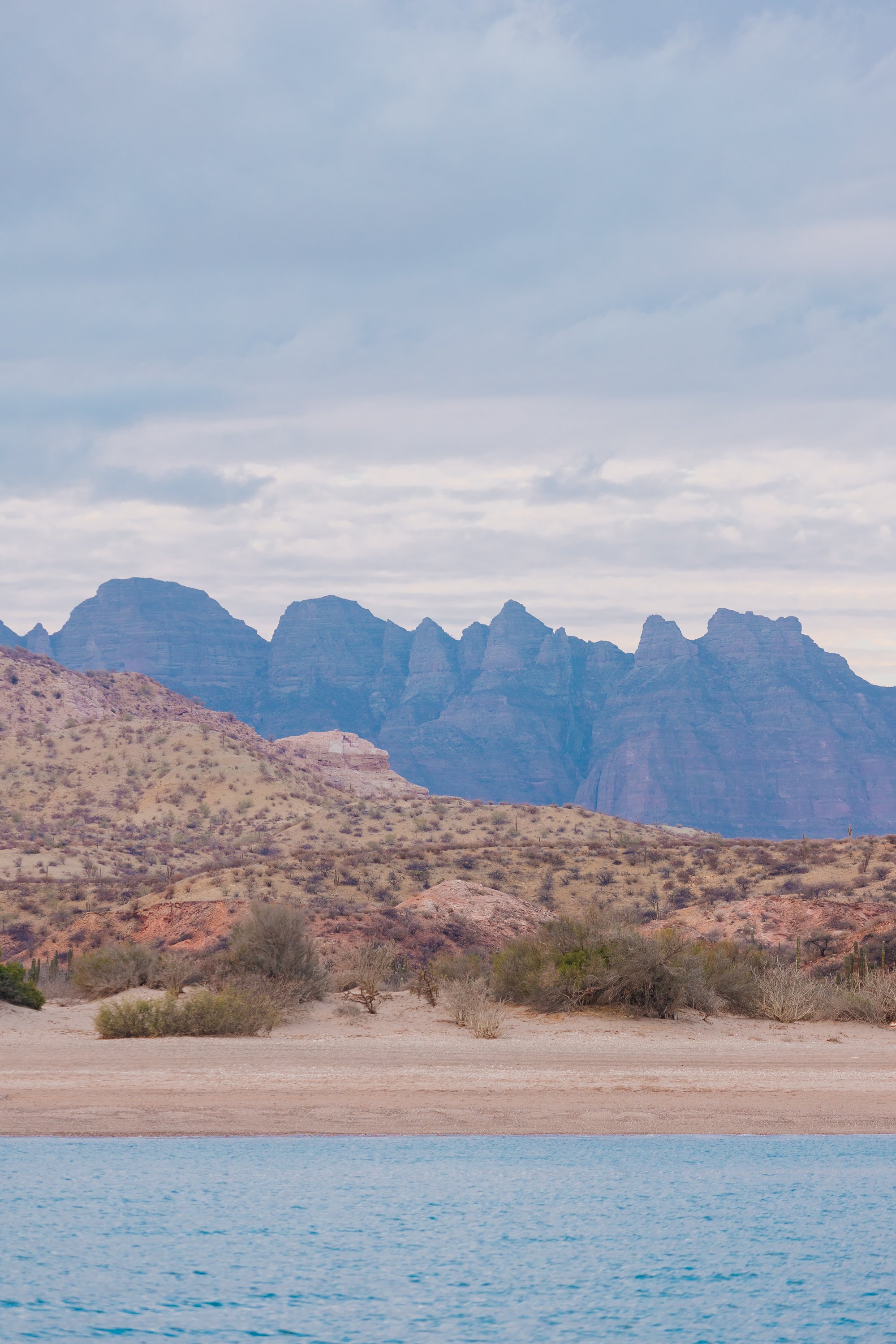
As we worked our way north from La Paz toward Loreto, the coastline unfolded in a series of remarkable anchorages. Puerto Los Gatos was among the most striking. Crimson cliffs rose from the shoreline, their layered formations glowing beneath the desert sun. The resemblance to Utah's canyon country was unmistakable. We climbed high above the bay and looked out across a maze of ridges and valleys painted in shades of red, gold, and ochre. The landscape seemed impossibly vast, stretching toward distant mountain ranges fading into blue haze.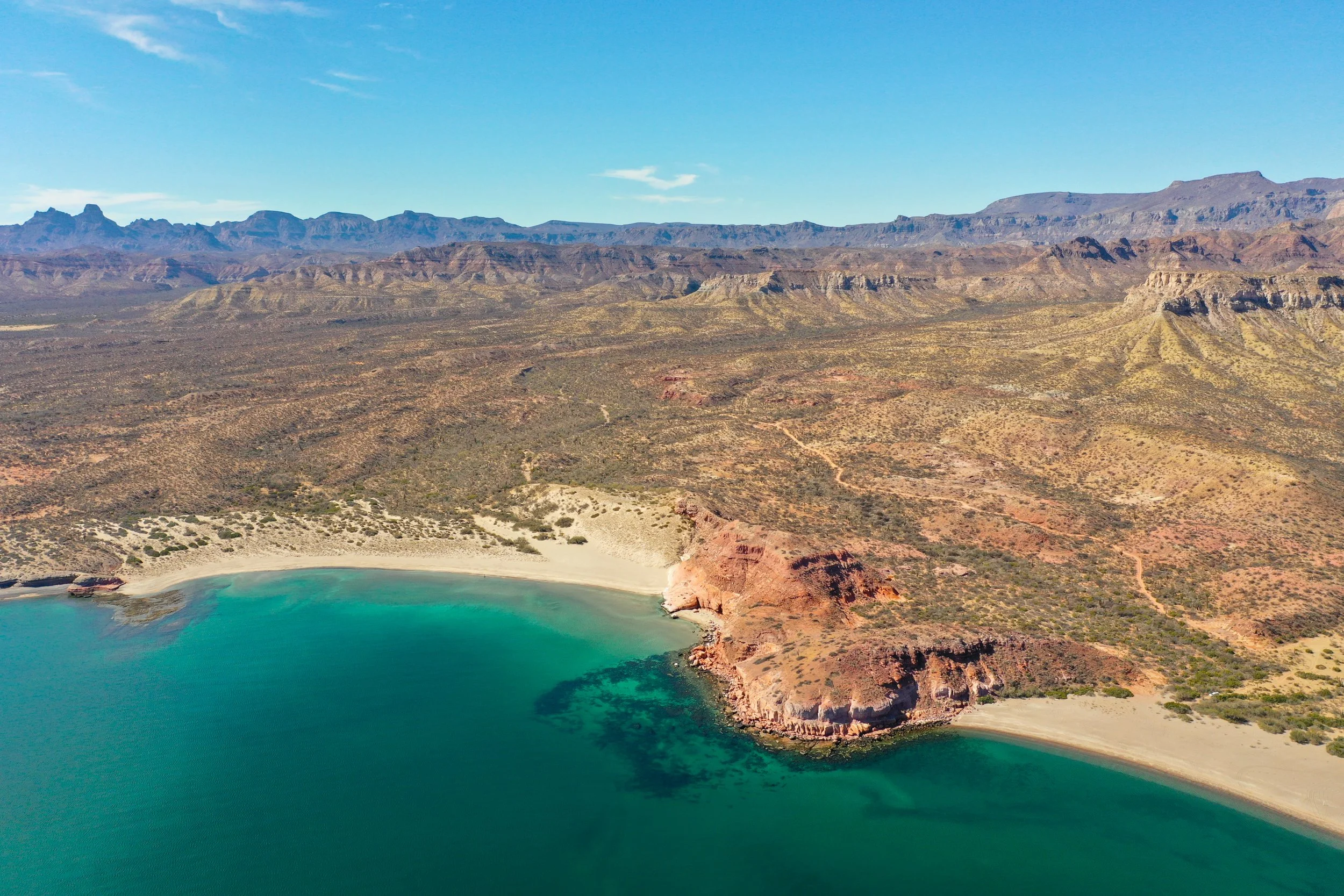
Puerto Los Gatos
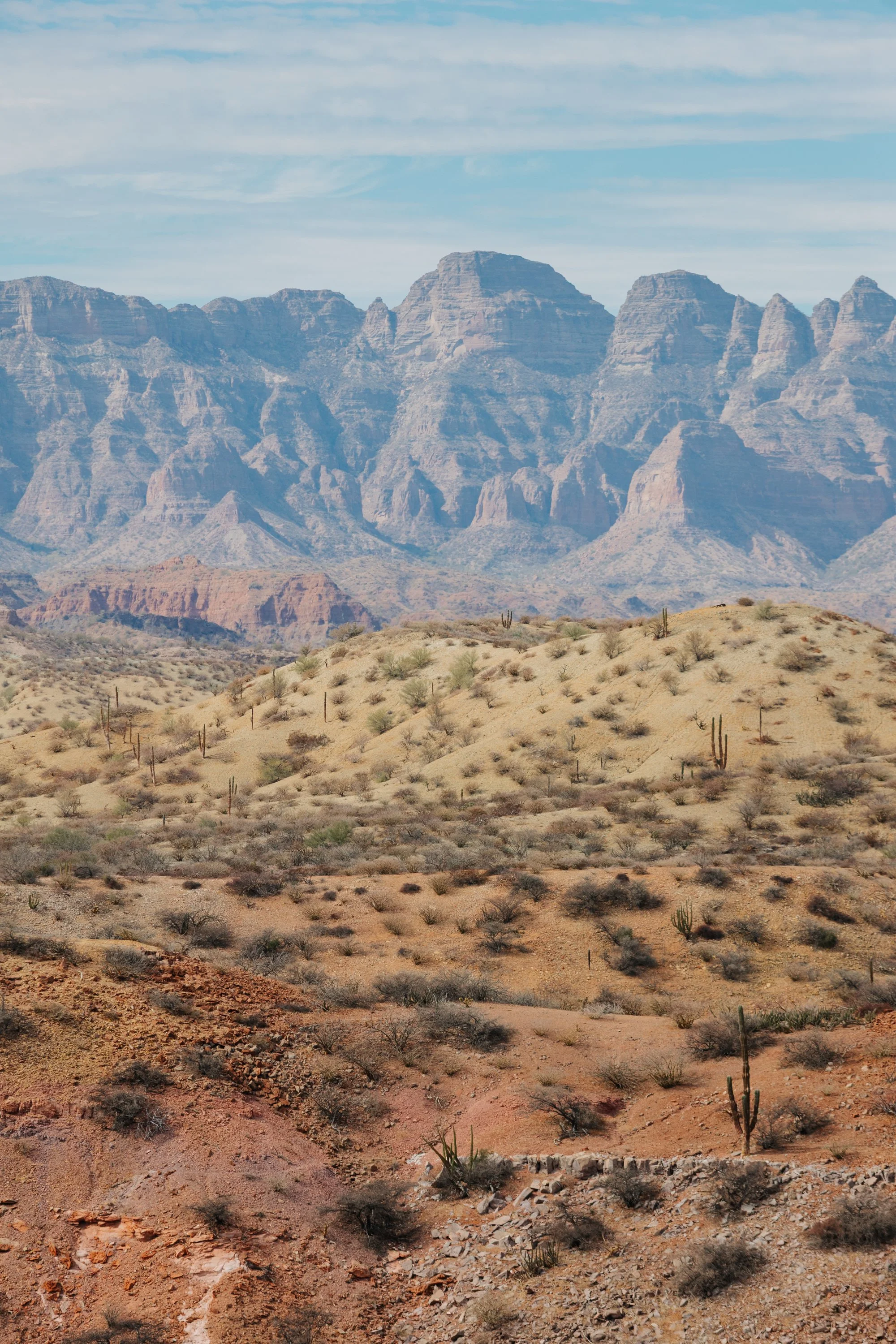
Puerto Los Gatos
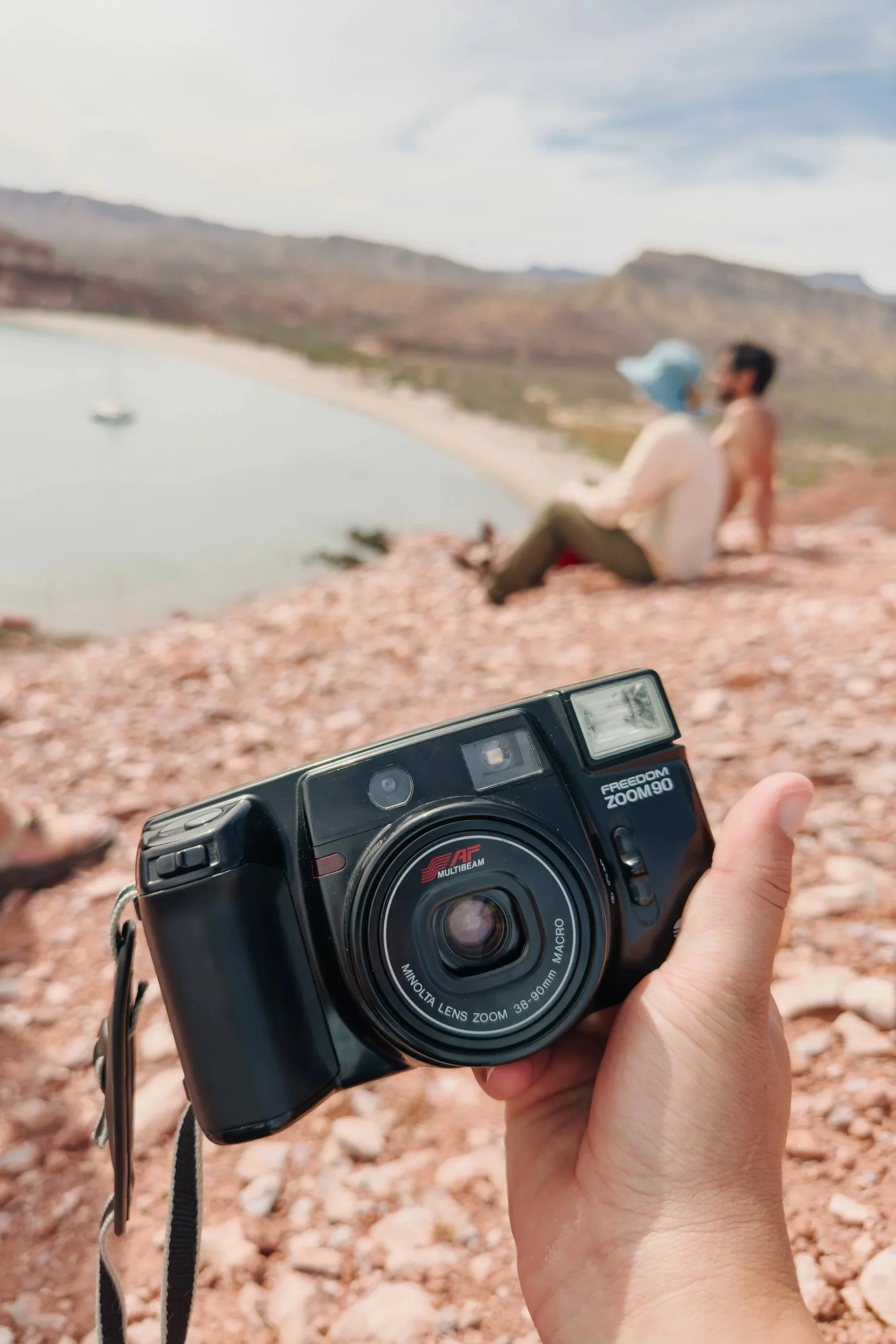
Puerto Los Gatos
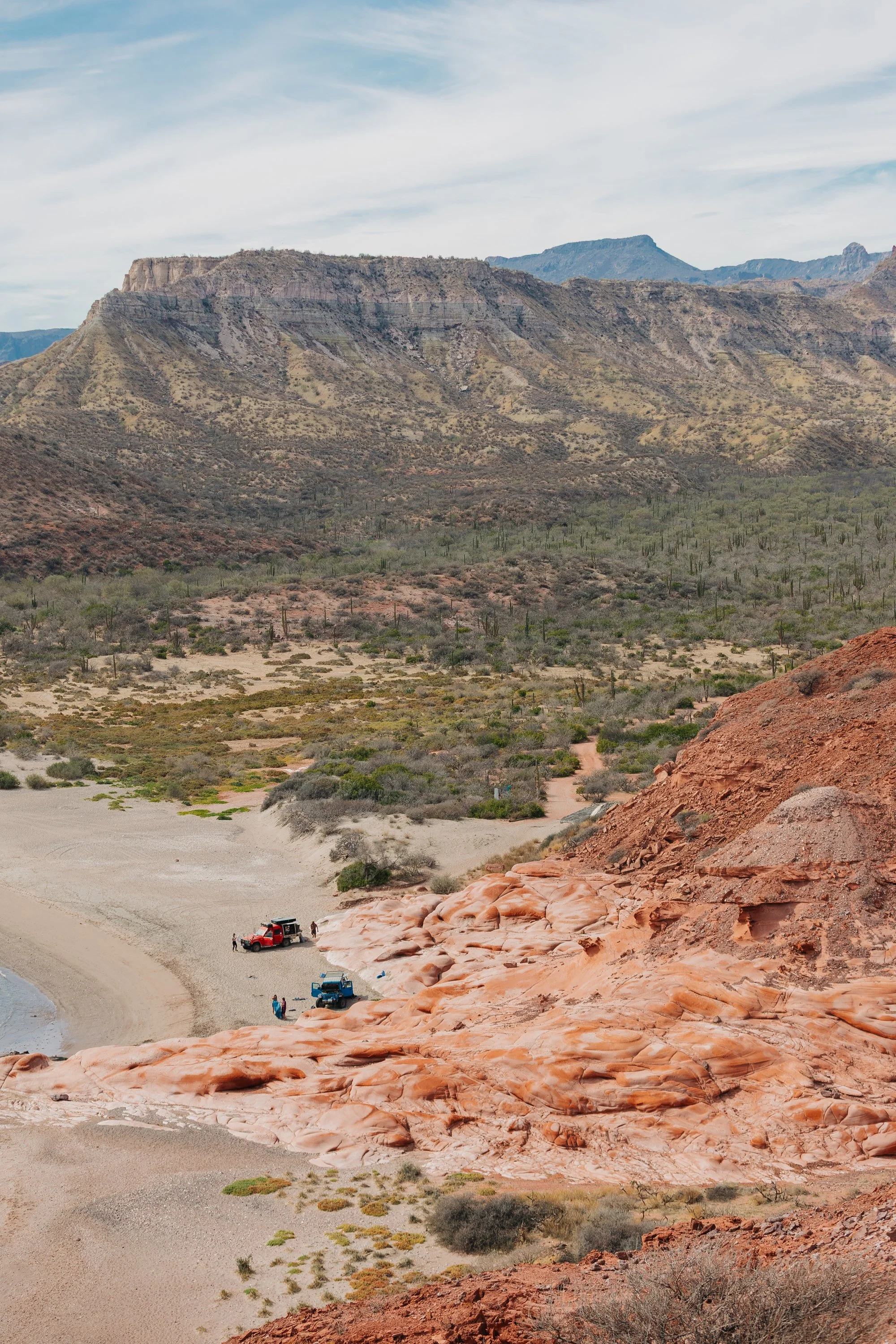
Puerto Los Gatos
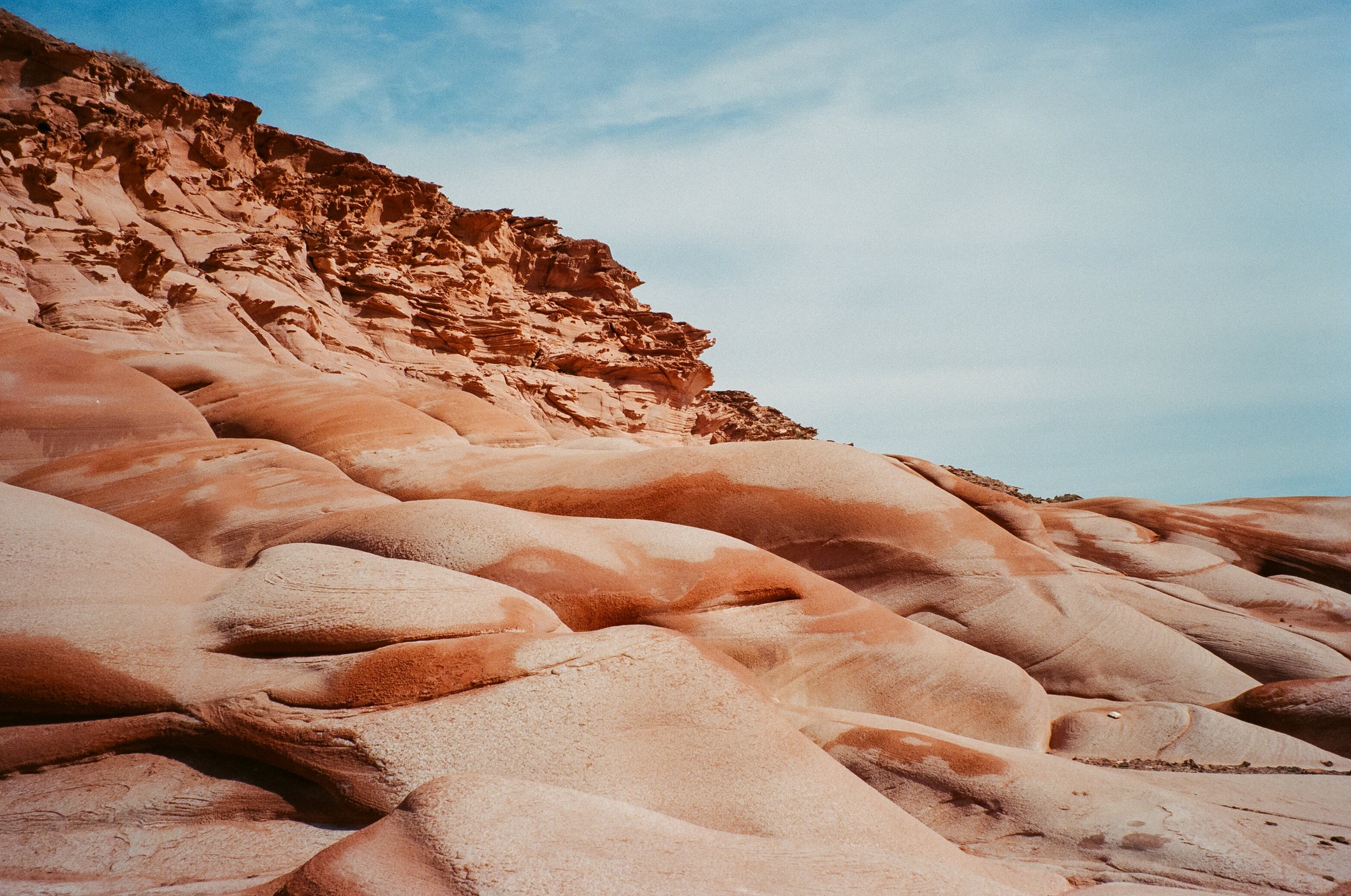
Puerto Los Gatos
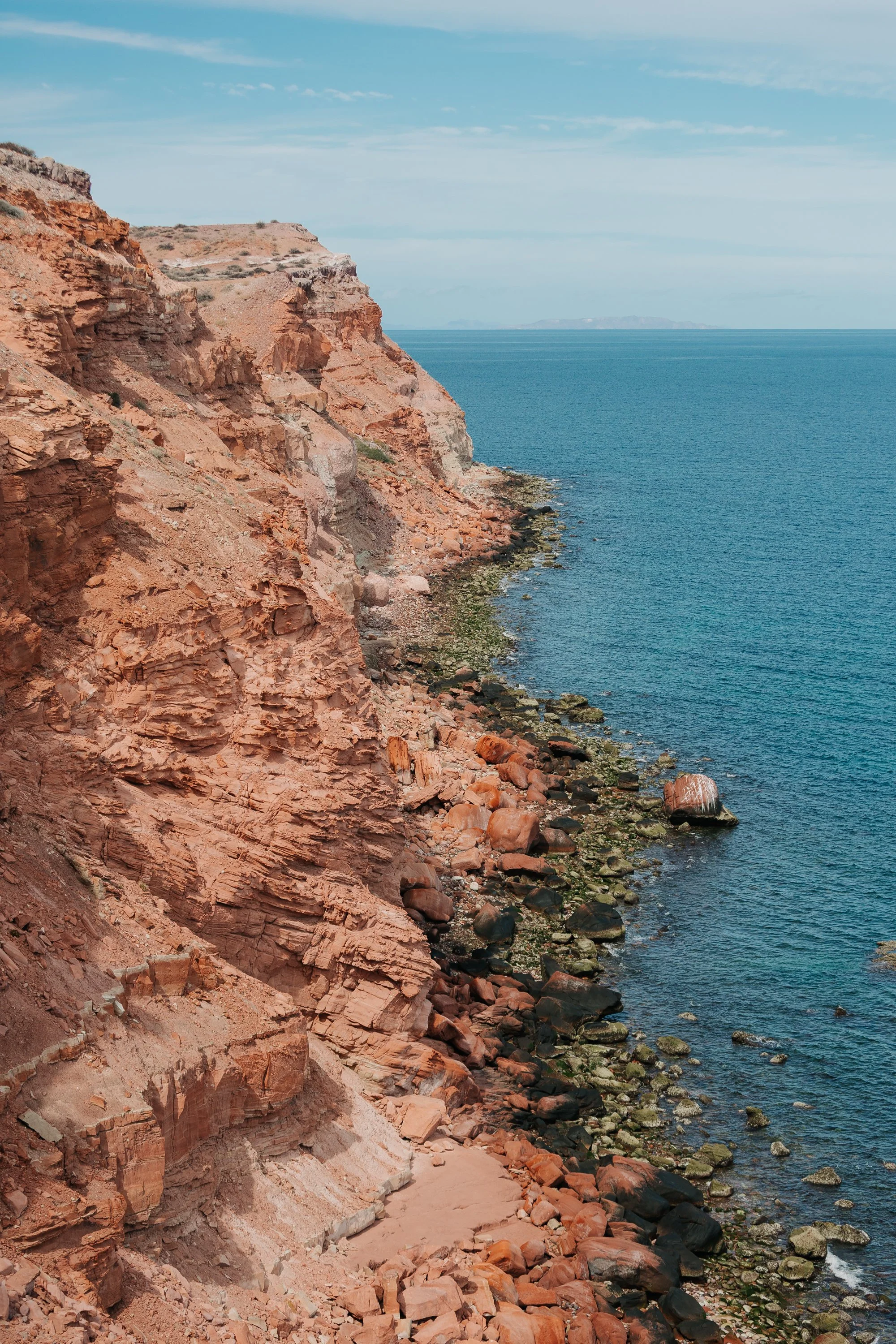
Puerto Los Gatos
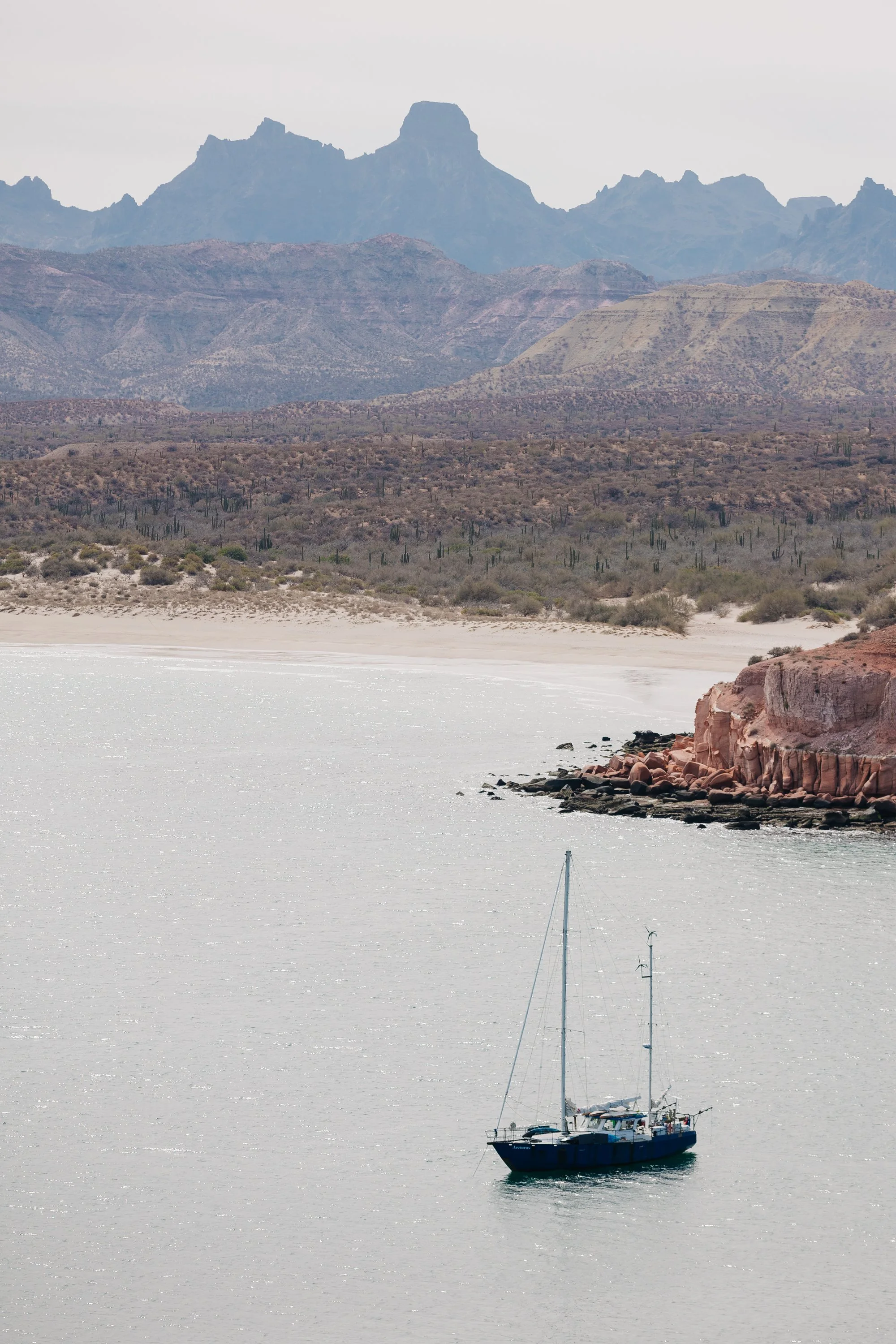
Puerto Los Gatos
Puerto Los Gatos
Puerto Los Gatos
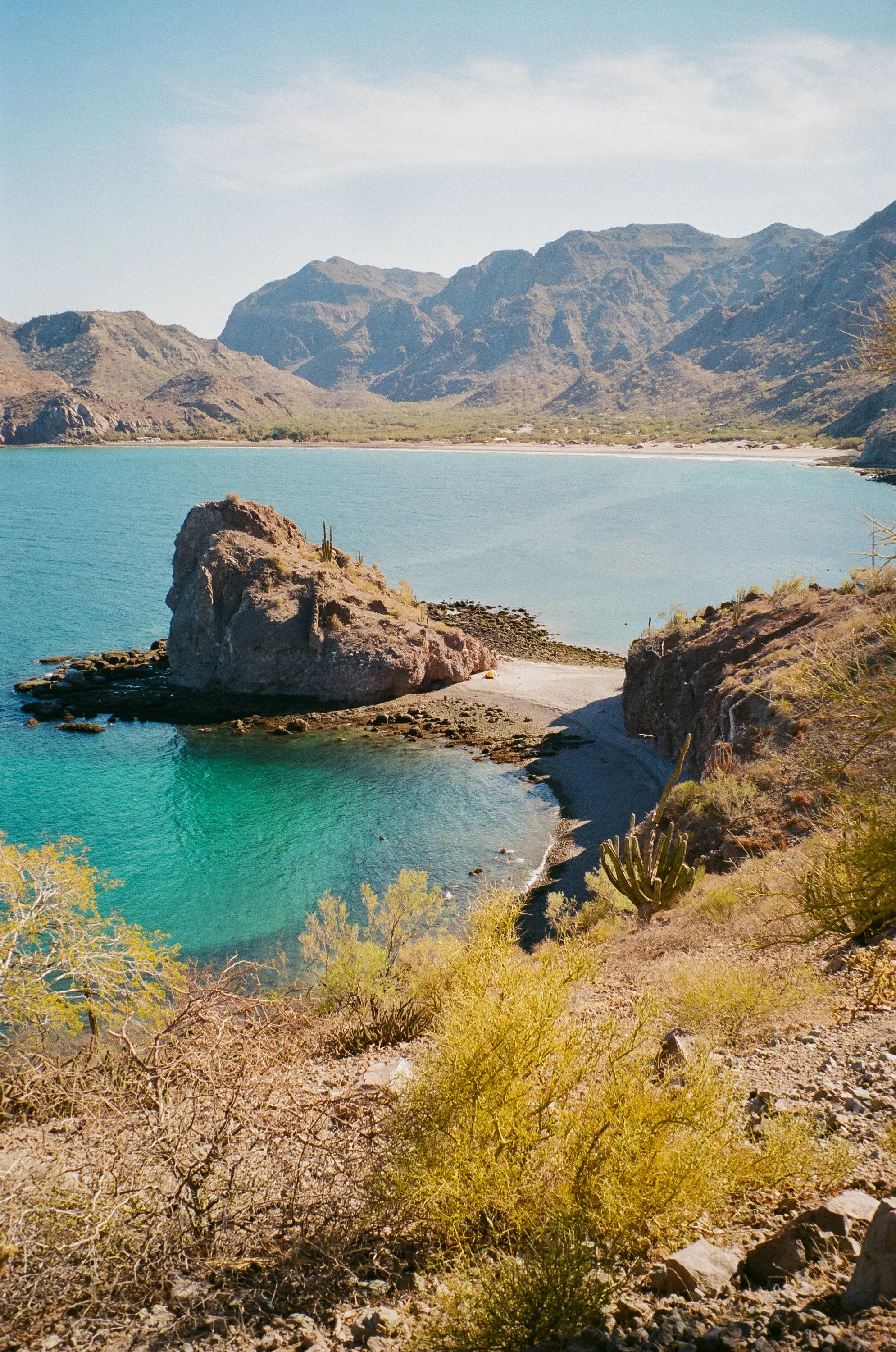
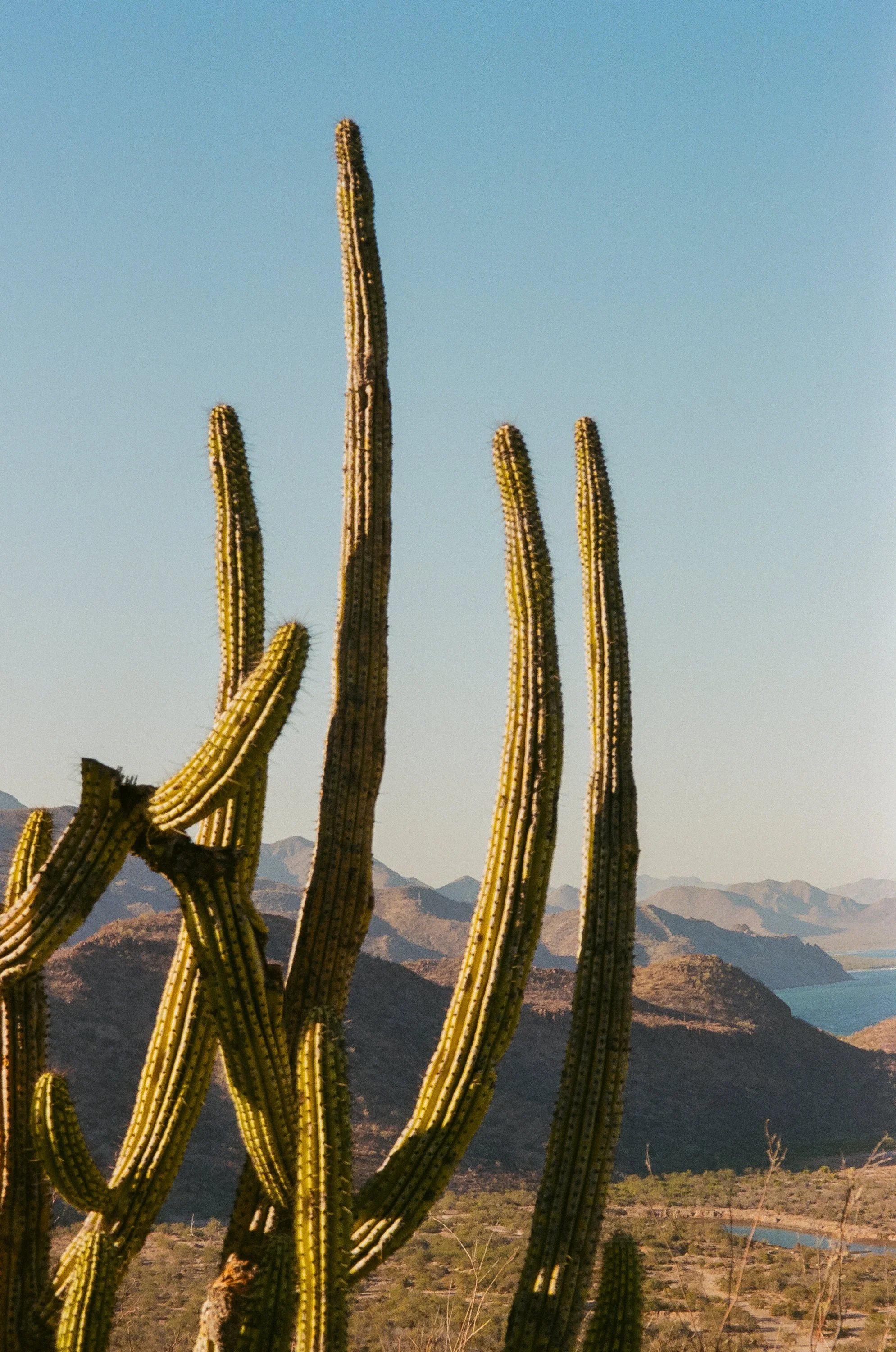
Farther north, Bahía Agua Verde became one of our favorite stops. The bay felt like a gathering place for wanderers. Sailboats swung quietly at anchor while dusty overland vehicles lined the shore. Here, the nomadic worlds of sailors and overlanders intersected. Tiny beachside restaurants served cold margaritas and fresh seafood with your feet in the sand. Above the anchorage, a ridgeline called Punta El Puerto trail offered sweeping views of the coastline, where rugged desert mountains plunged directly into the sea. Filled with picturesque cactus, we peered out to Roca Solitaria, a white rock with a reef surrounding it.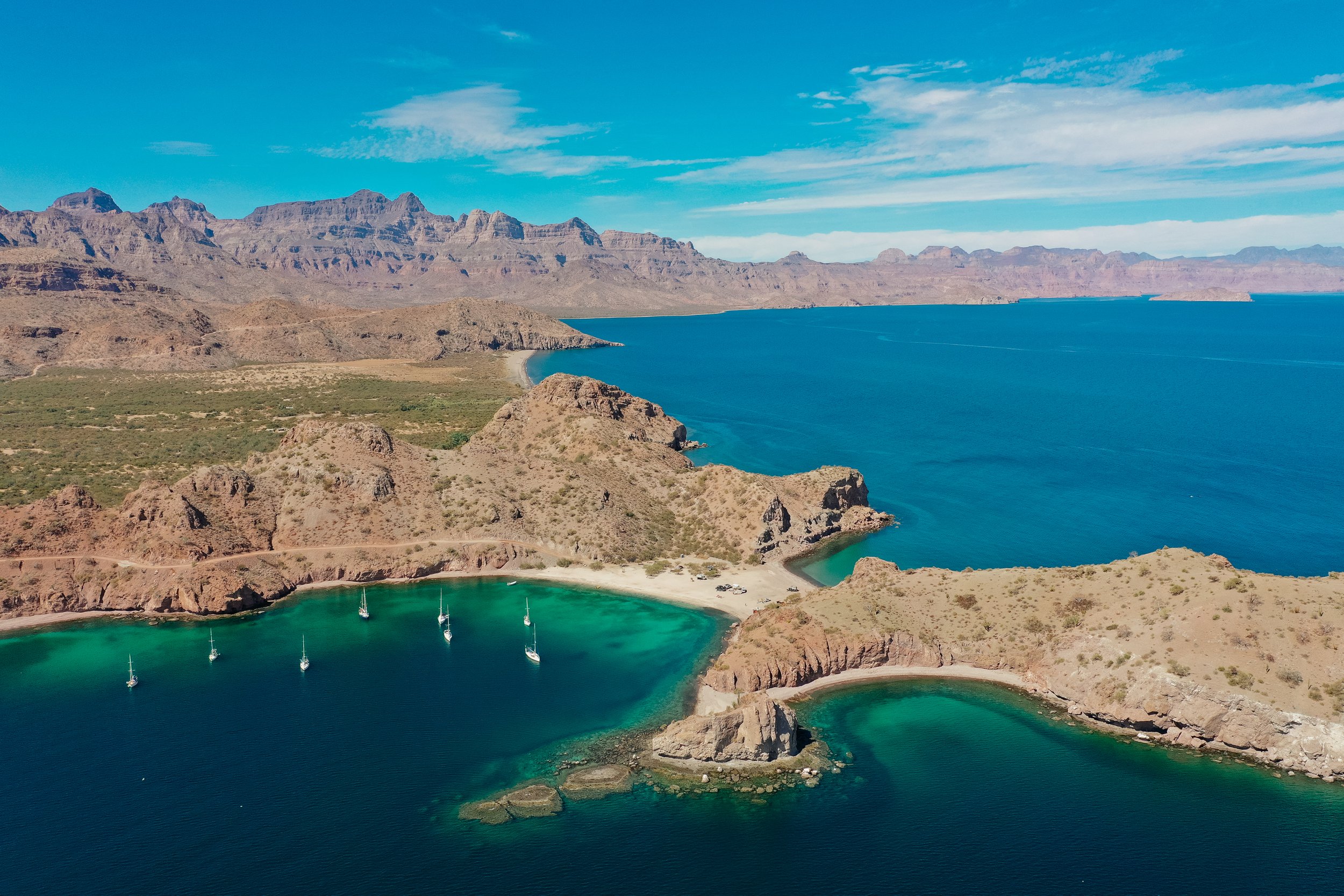
Bahía Agua Verde
Bahía Agua Verde
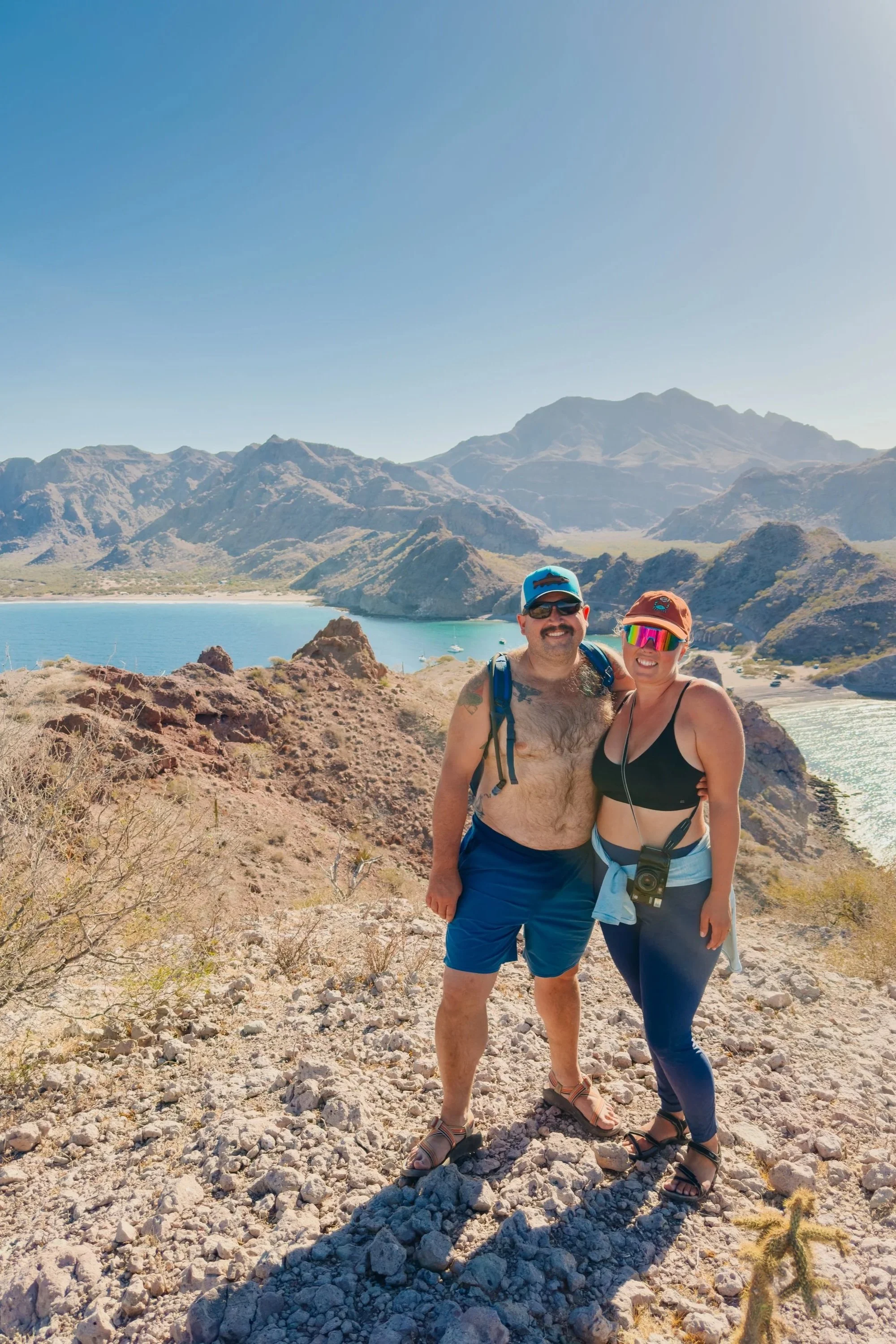
Bahía Agua Verde
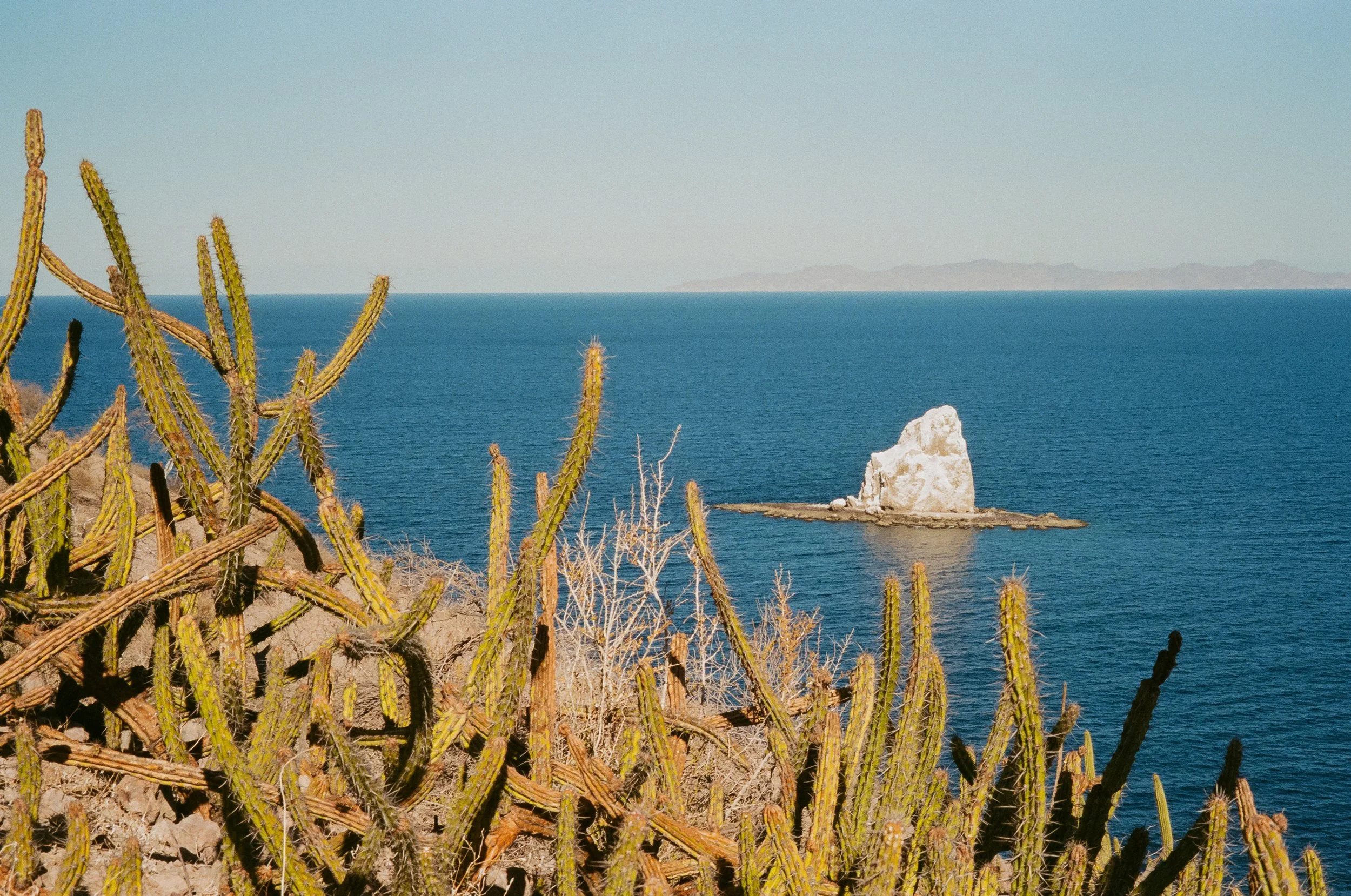
Bahía Agua Verde
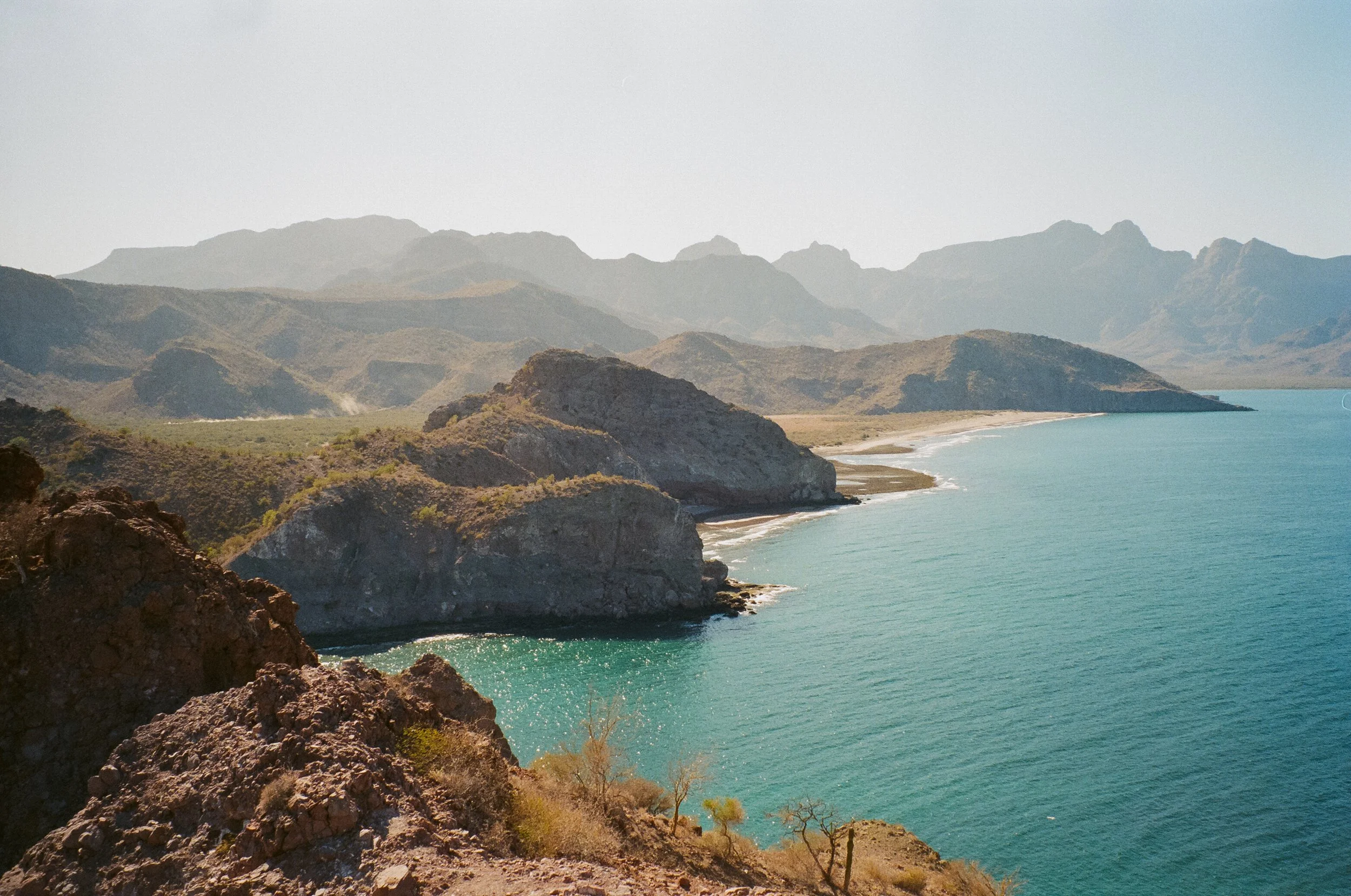
Bahía Agua Verde
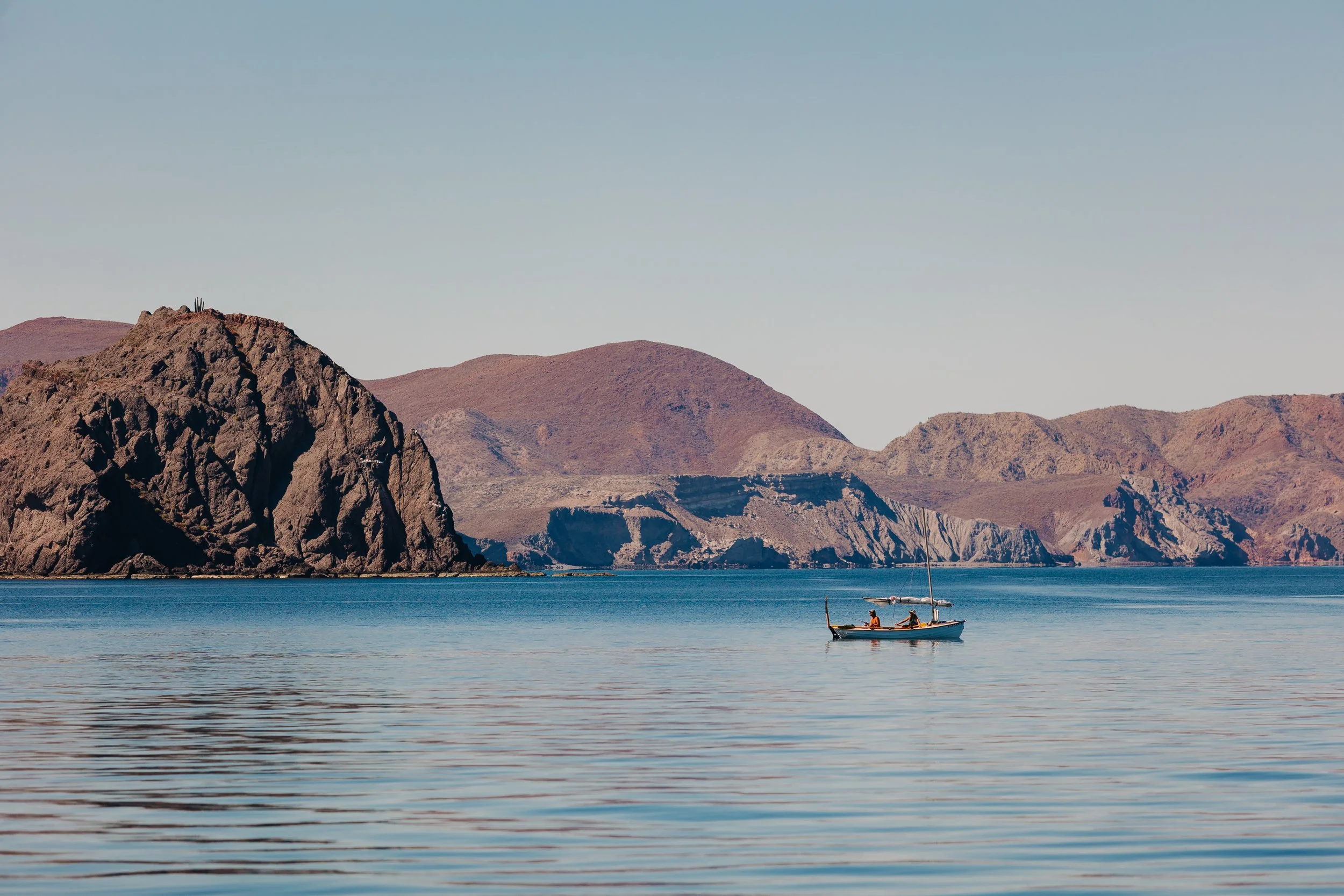
Before arriving, we had received a message from one of Louie's friends in Skagway telling us to keep an eye out for a couple from Alaska traveling Baja in a small sailboat-rowboat. Sure enough, later that afternoon, a tiny craft appeared on the horizon. Two remarkably fit older adventurers sailed into the bay, anchored near a secluded beach, and promptly set up a tent ashore. We drove over in our raft to introduce ourselves and discovered that Louie had met them years earlier at Warm Springs Bay on Baranof Island.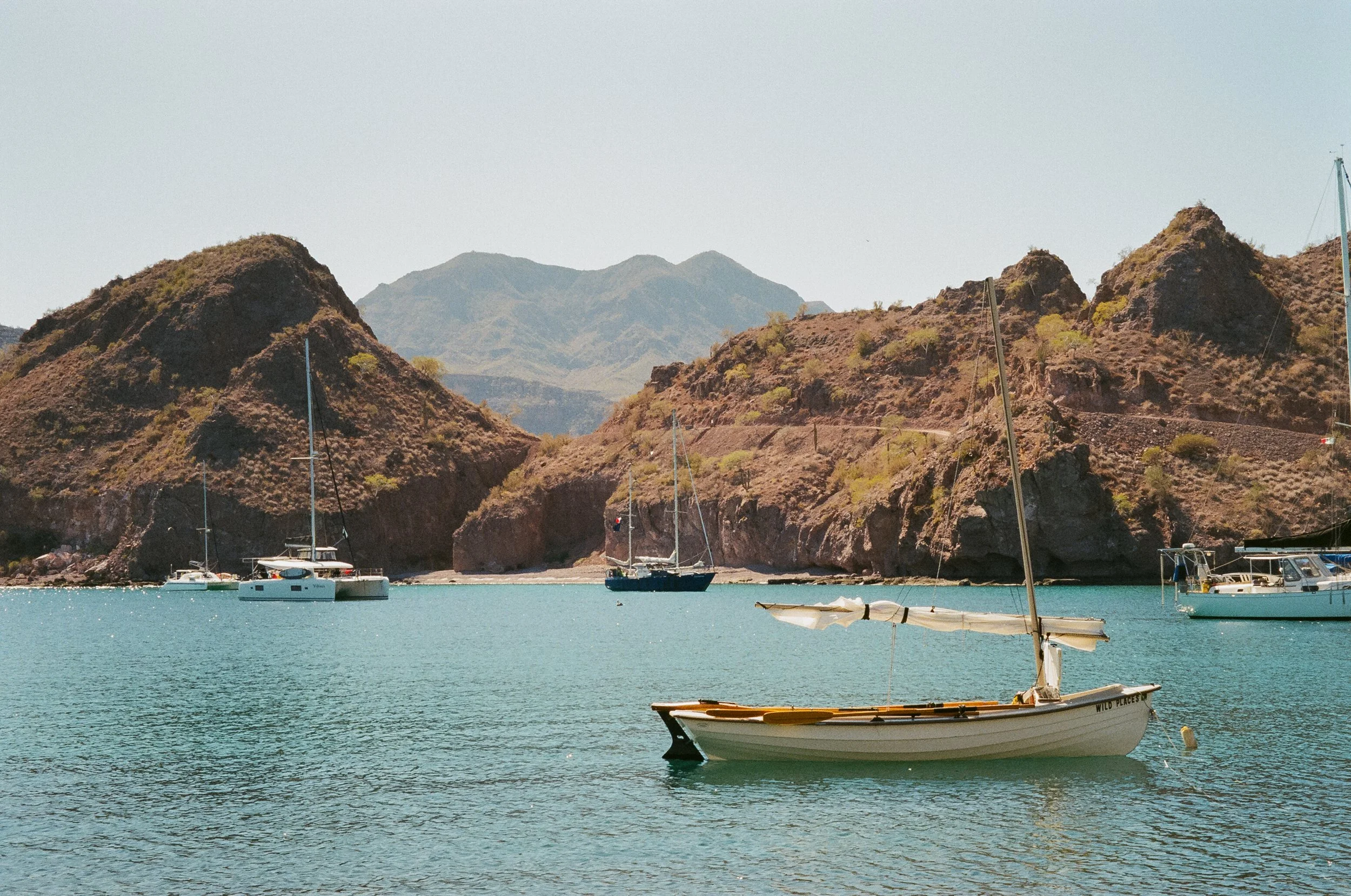
Bahía Agua Verde
Bahía Agua Verde
Bahía Agua Verde
Their stories perfectly captured the spirit of Baja. They would trailer their sailboat-rowboat south from Alaska and spend weeks exploring road-accessible sections of the Sea of Cortez, wandering from anchorage to anchorage before returning home. Even here, thousands of miles from Southeast Alaska, the sailing world felt remarkably small.Along the way we also stopped at a beach where tidal hot springs emerged from the sand, creating warm pools at low tide. Sitting in naturally heated water while looking out across the Sea of Cortez felt like one of those uniquely Baja experiences that shouldn't quite exist, yet somehow does.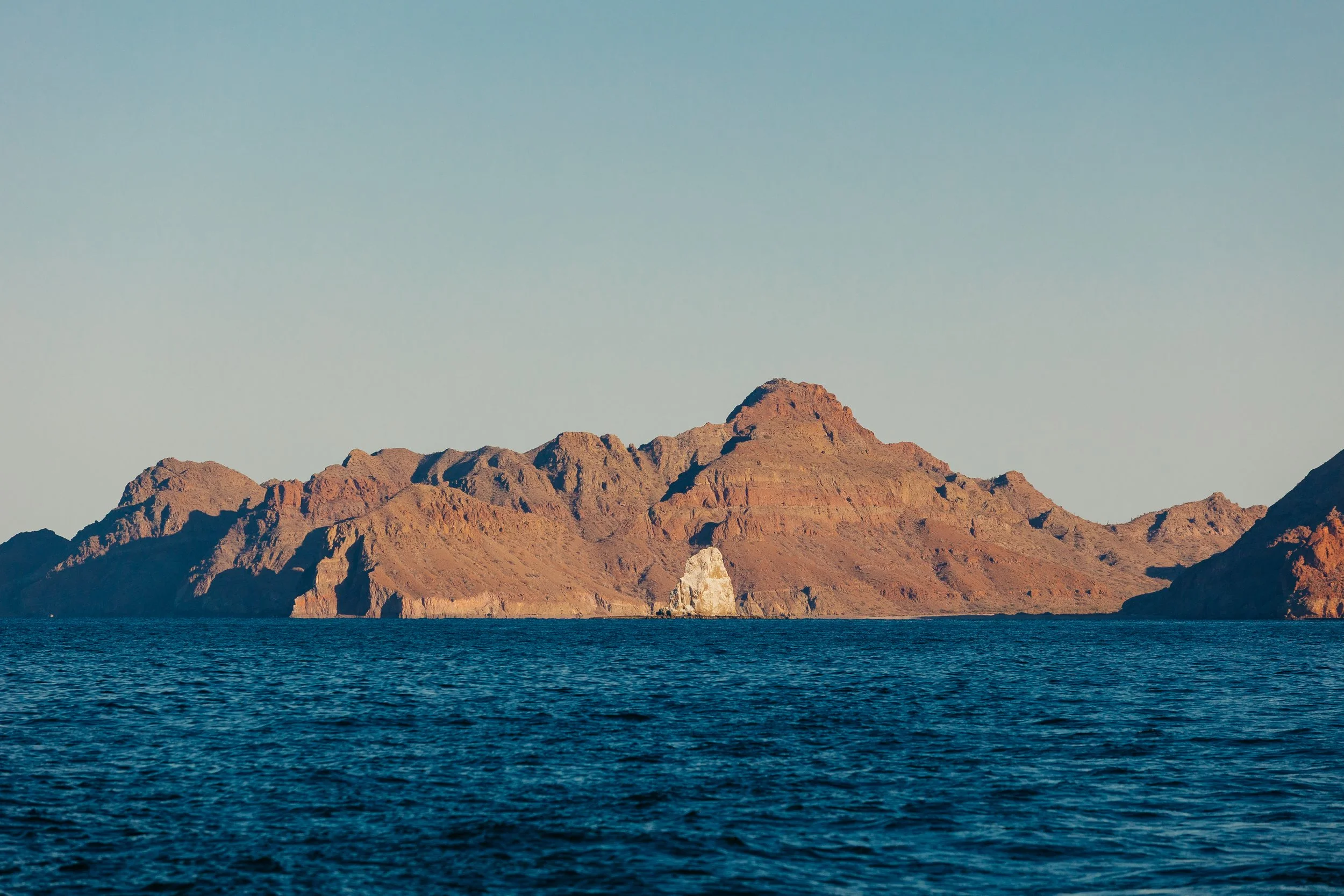
Bahía Agua Verde
Isla Danzante
North of Agua Verde, the islands began to dominate the horizon. Long, mountainous silhouettes rose from the sea, each possessing its own distinct character. The first we visited was Isla Danzante. Its ridge lines looked almost impossibly steep, climbing directly from the water toward jagged summits. The hike above Honeymoon Cove proved every bit as demanding as it appeared from below. The trail clawed its way upward through cactus-covered slopes before revealing spectacular views across the surrounding islands and mainland coast. A small inlet aside the main anchorage provided a small private beach.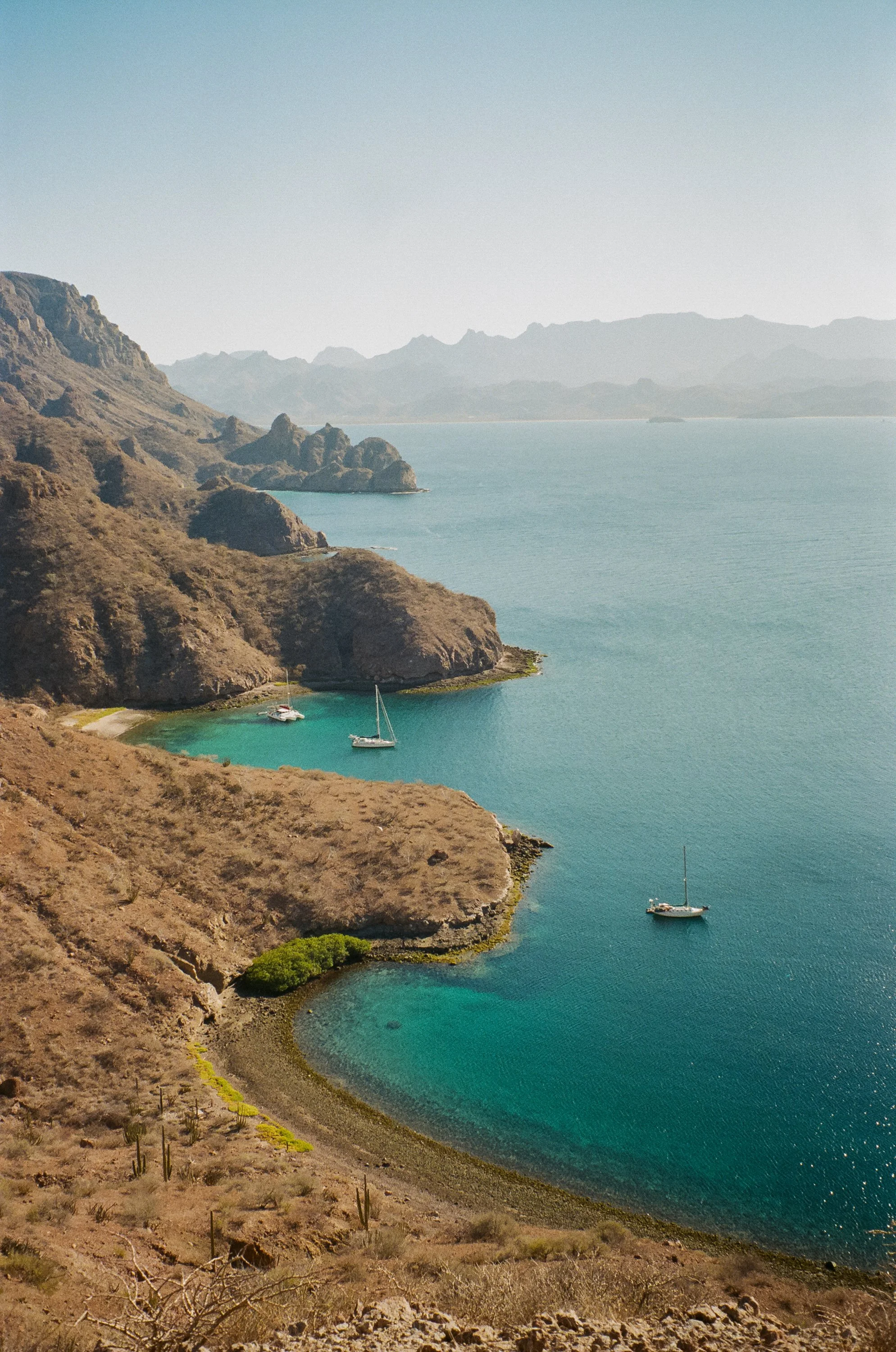
Isla Danzante
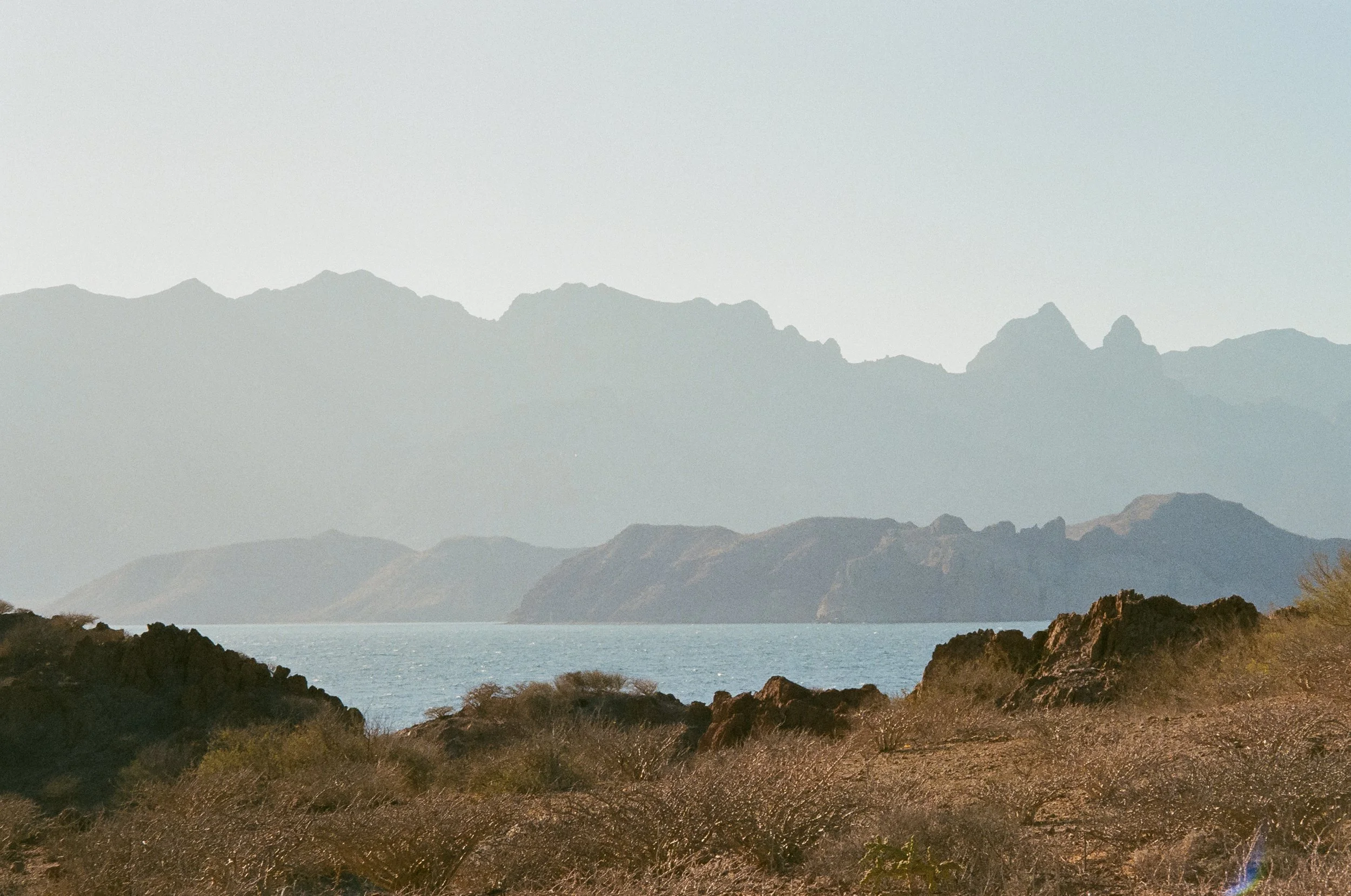
Isla Danzante
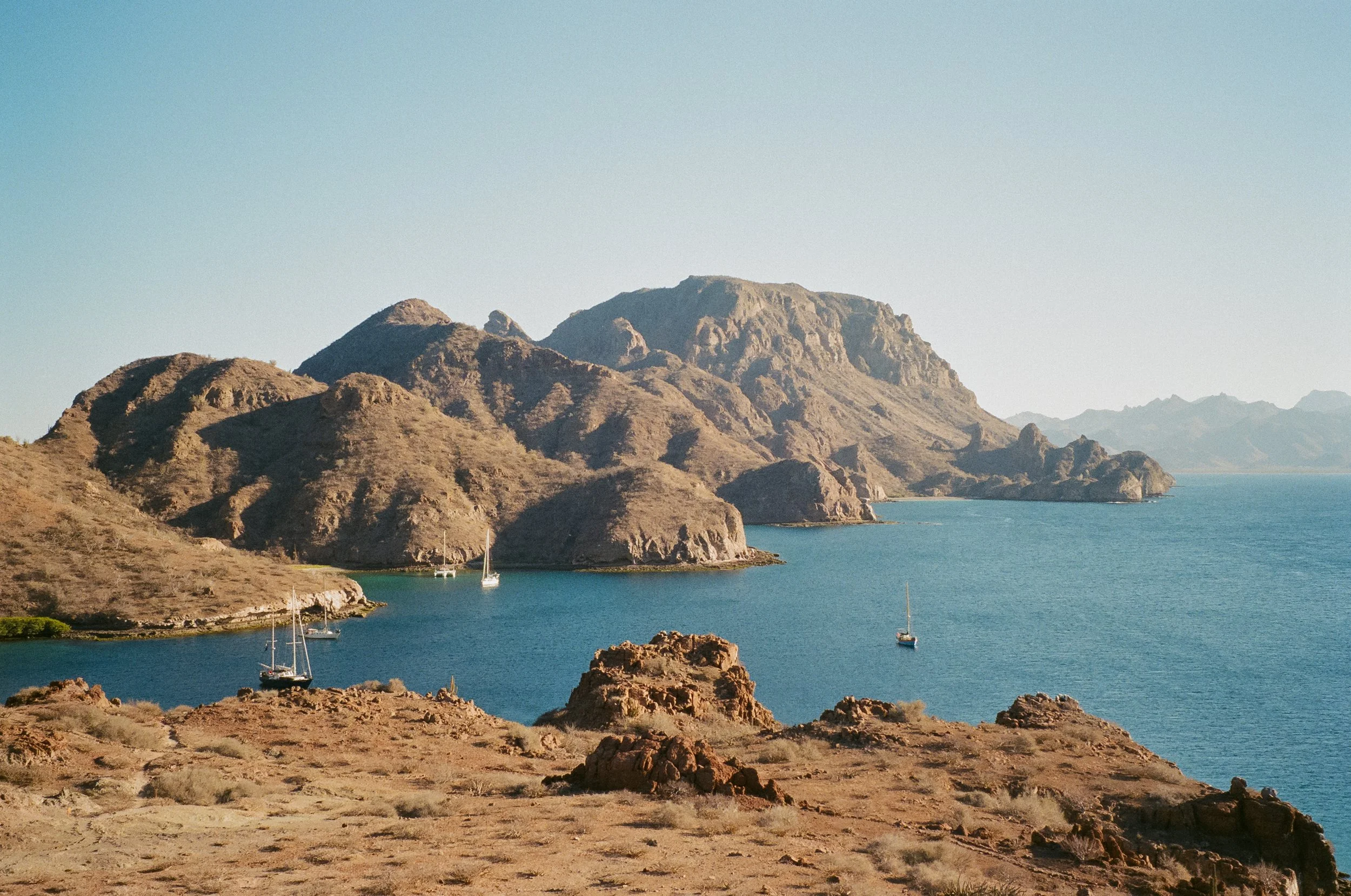
Isla Danzante
While anchored there, we noticed a familiar catamaran in the bay. While preparing for our Pacific crossing, we had joined the Pacific Puddle Jump, a loose network of boats planning to cross the Pacific that season. It served as both resource and community, connecting sailors scattered across thousands of miles of coastline. The catamaran Psipsina was one of those boats. We dinghied over to say hello and spent the evening swapping stories. Throughout our time in Mexico we continued crossing paths, leapfrogging one another from anchorage to anchorage. Years later, now, despite taking very different routes across the Pacific, we still keep in touch and follow one another's adventures.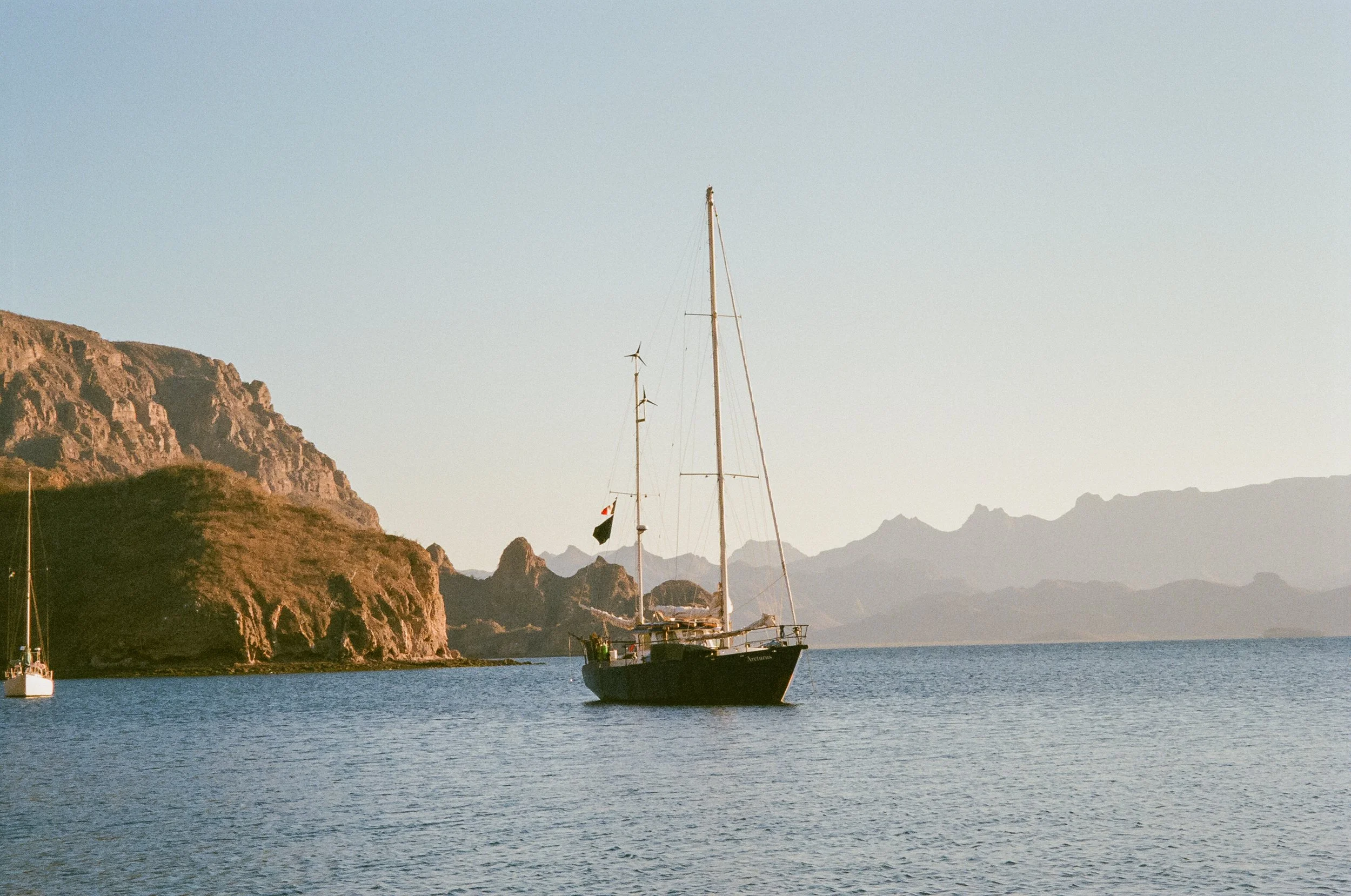
Isla Danzante
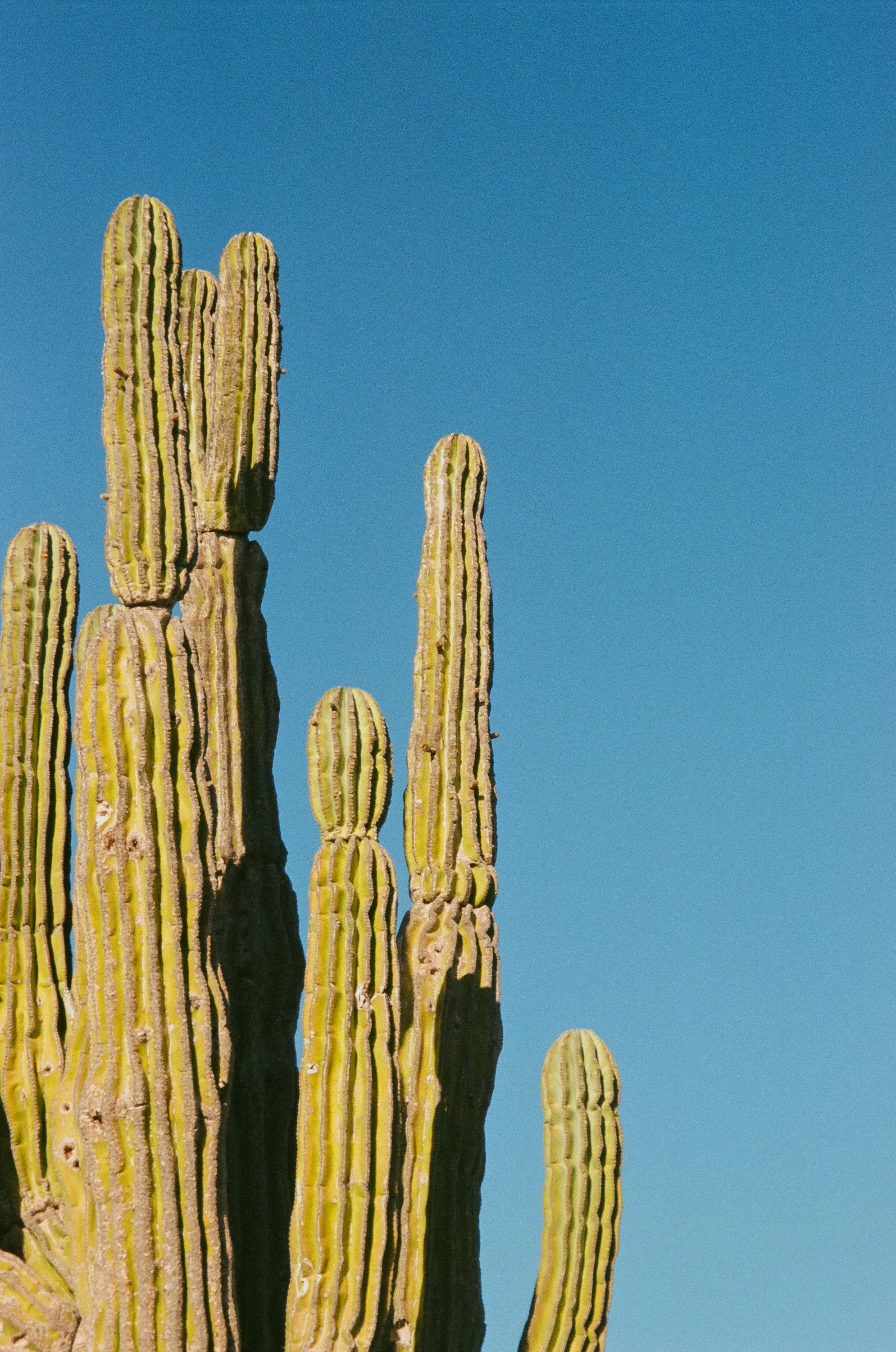
Isla Danzante
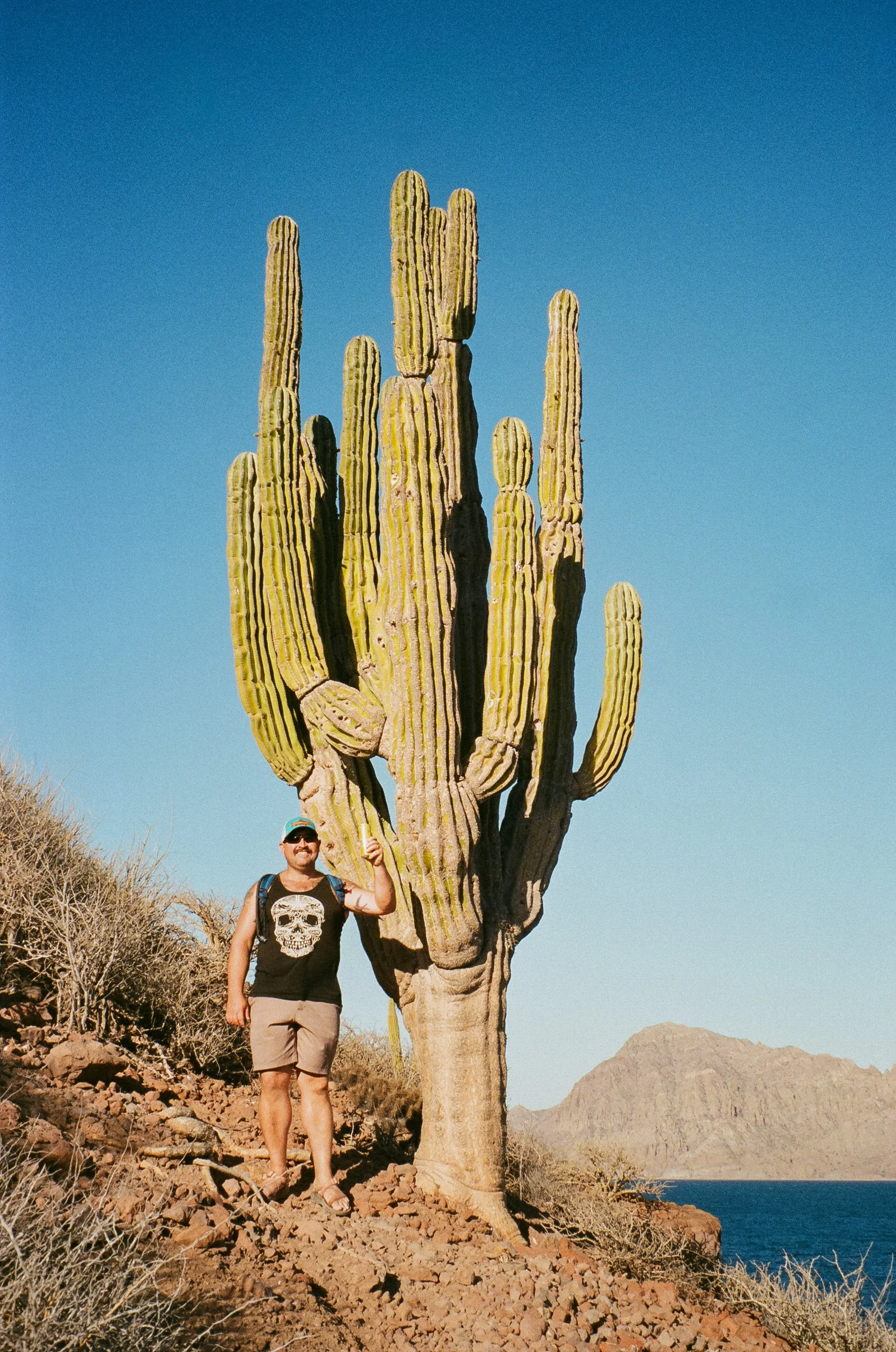
Isla Danzante
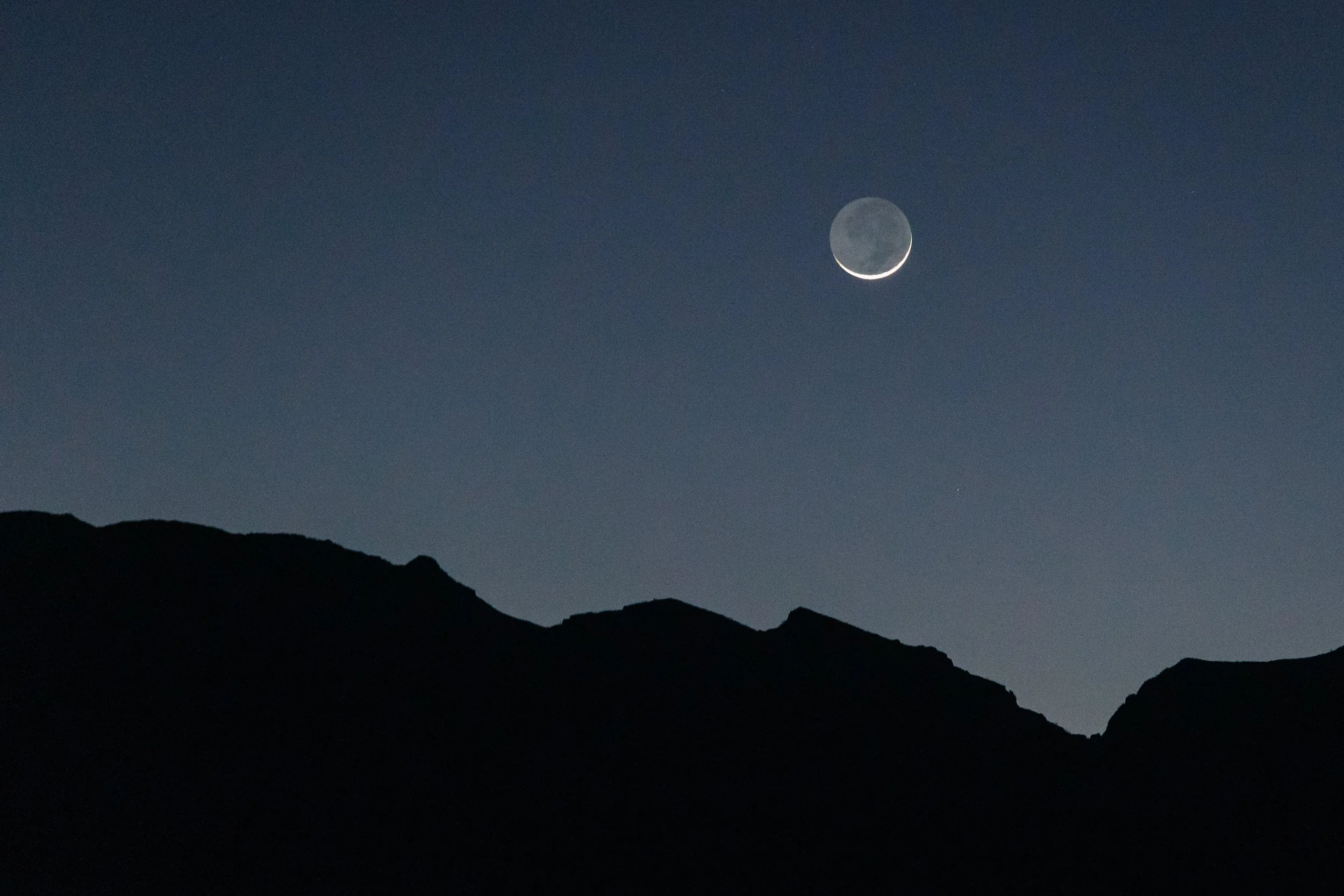
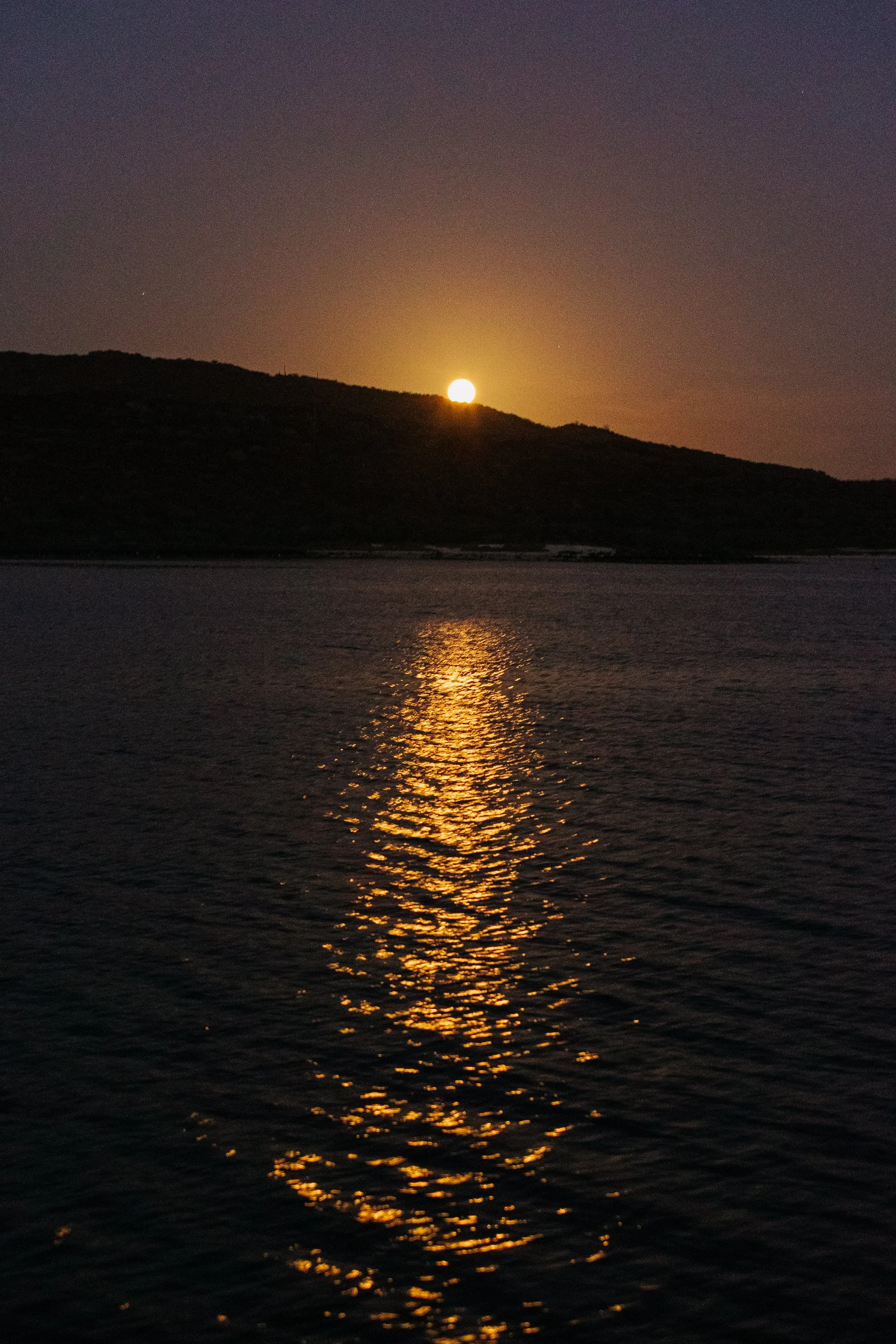
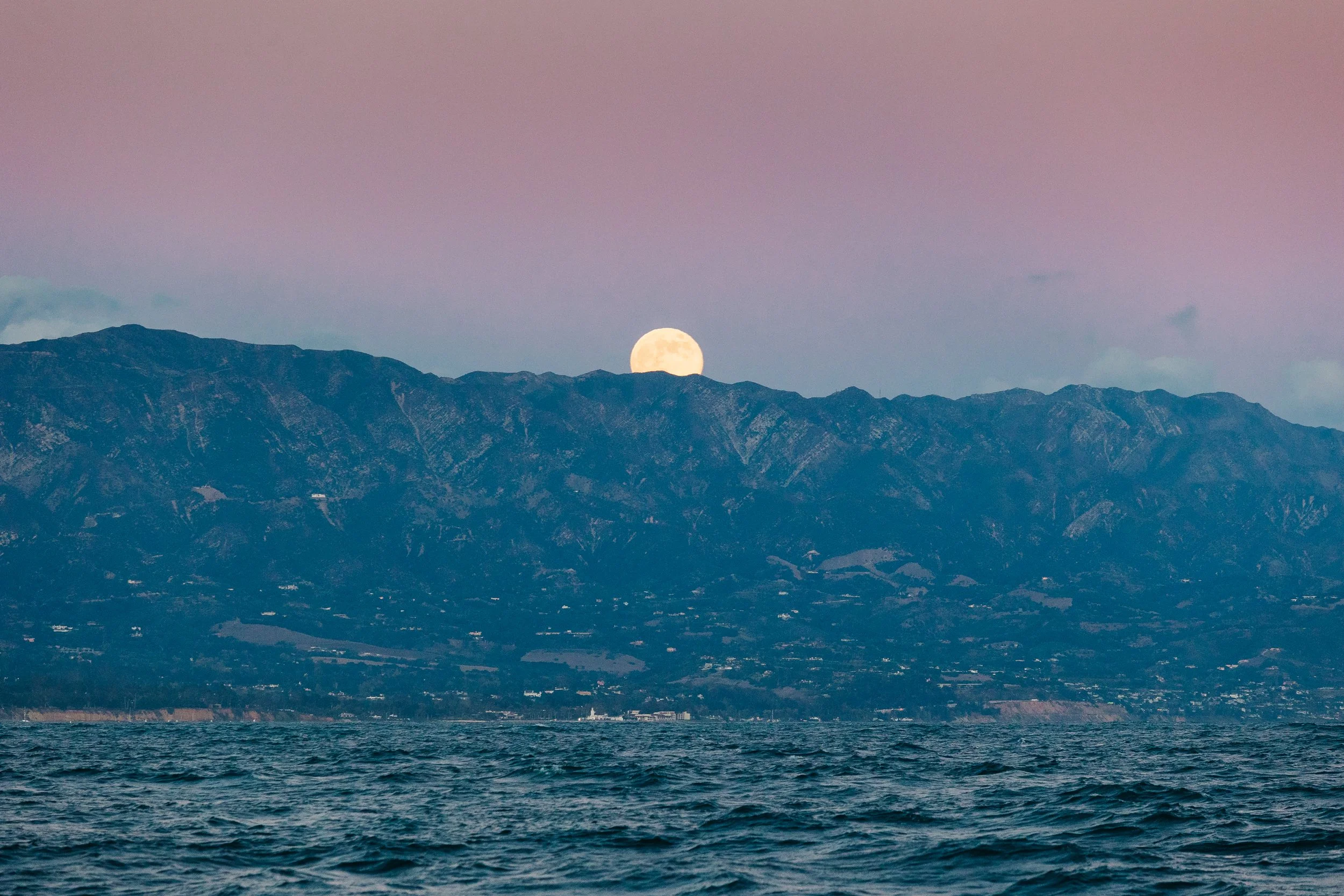
Moonrise from Isla Danzante
The marina at Puerto Escondido offered a very different atmosphere. The harbor there served as a useful refuge from weather, but the surrounding development felt oddly unfinished. Roads, utilities, and marina infrastructure hinted at grand ambitions for the future, while vast stretches of empty lots suggested a vision not yet fully realized. We spent several weather-bound days there alongside another steel sailboat from Seward, Alaska that looked like it belonged in a Wes Anderson movie; it was painted a variety of bright colors (orange, yellow, blue and red), which apparently was not by choice but due to lack of paint resources available in Seward during the pandemic. Evenings were spent at a surprisingly upscale pizza restaurant overlooking the marina, sharing stories of northern waters while surrounded by the desert landscapes of Baja, that felt very reminiscent of Palm Springs.There were several hikes in the surrounding area, one of which took us to look out over the harbor and surrounding coastline; the other was deep in the mountains in Tabor Canyon, and appeared to be a popular swimming hole during the rainy season (which is in September)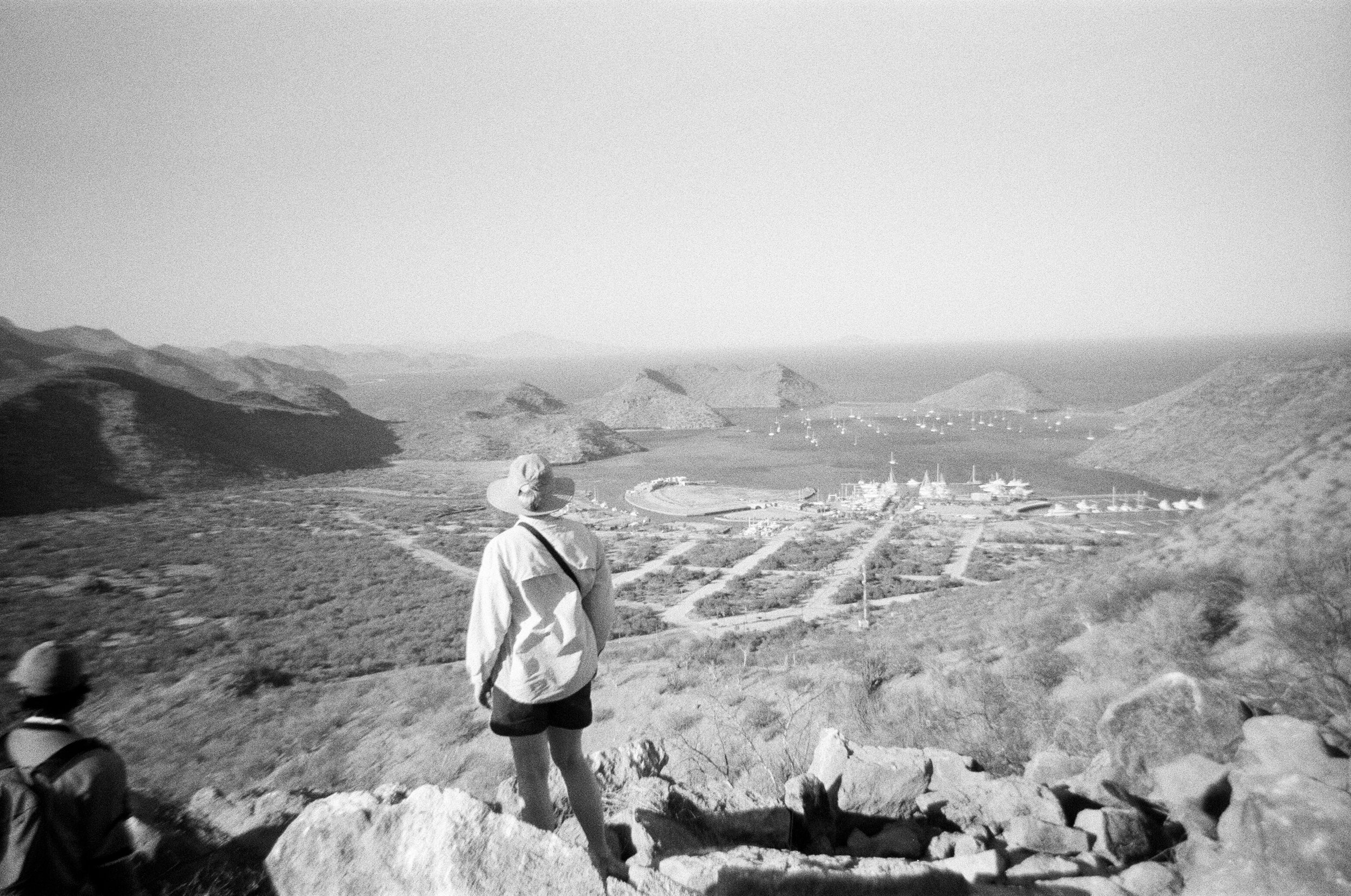
Puerto Escondido
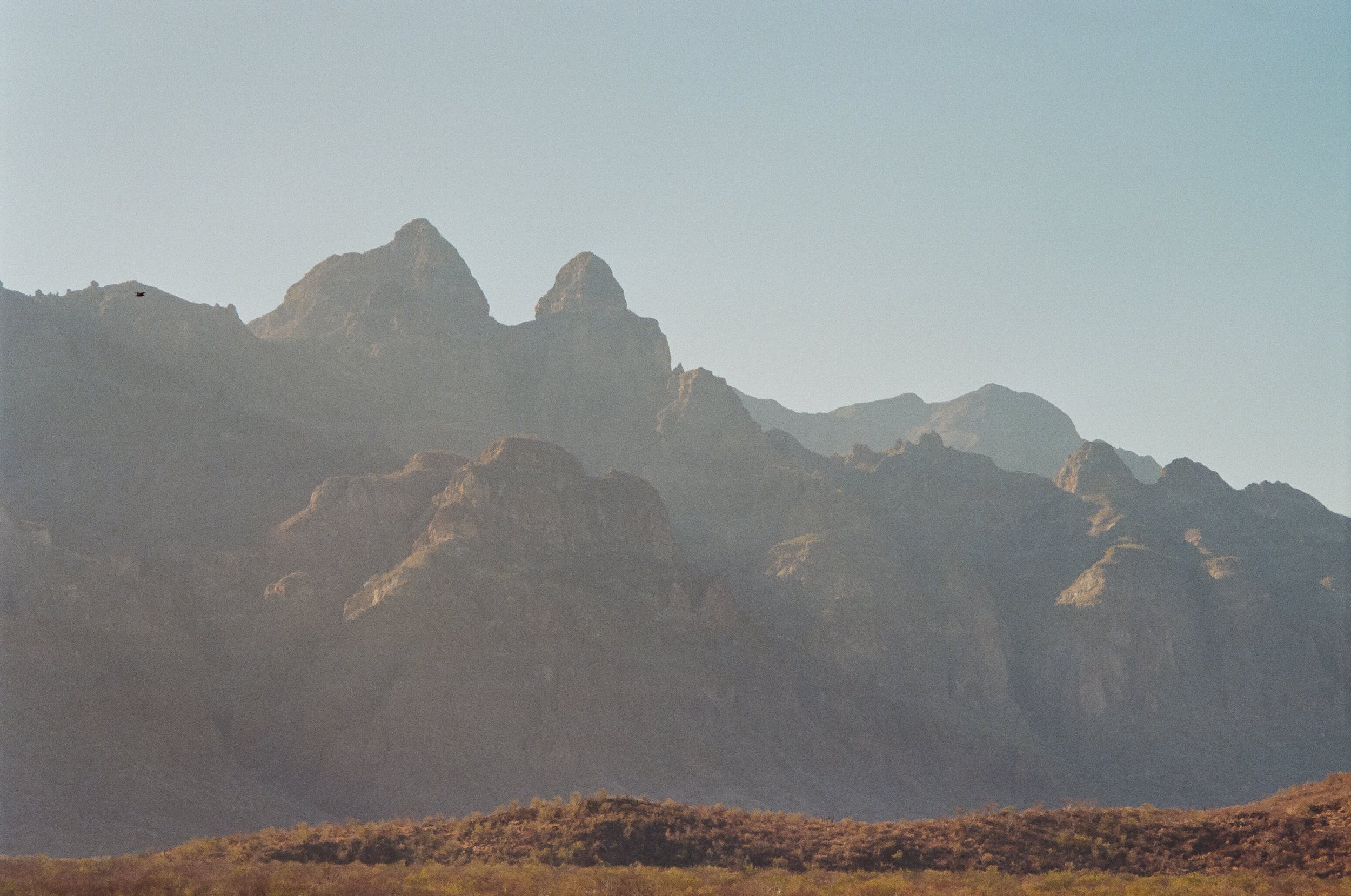
Puerto Escondido
Puerto Escondido
Puerto Escondido
Puerto Escondido
Loreto
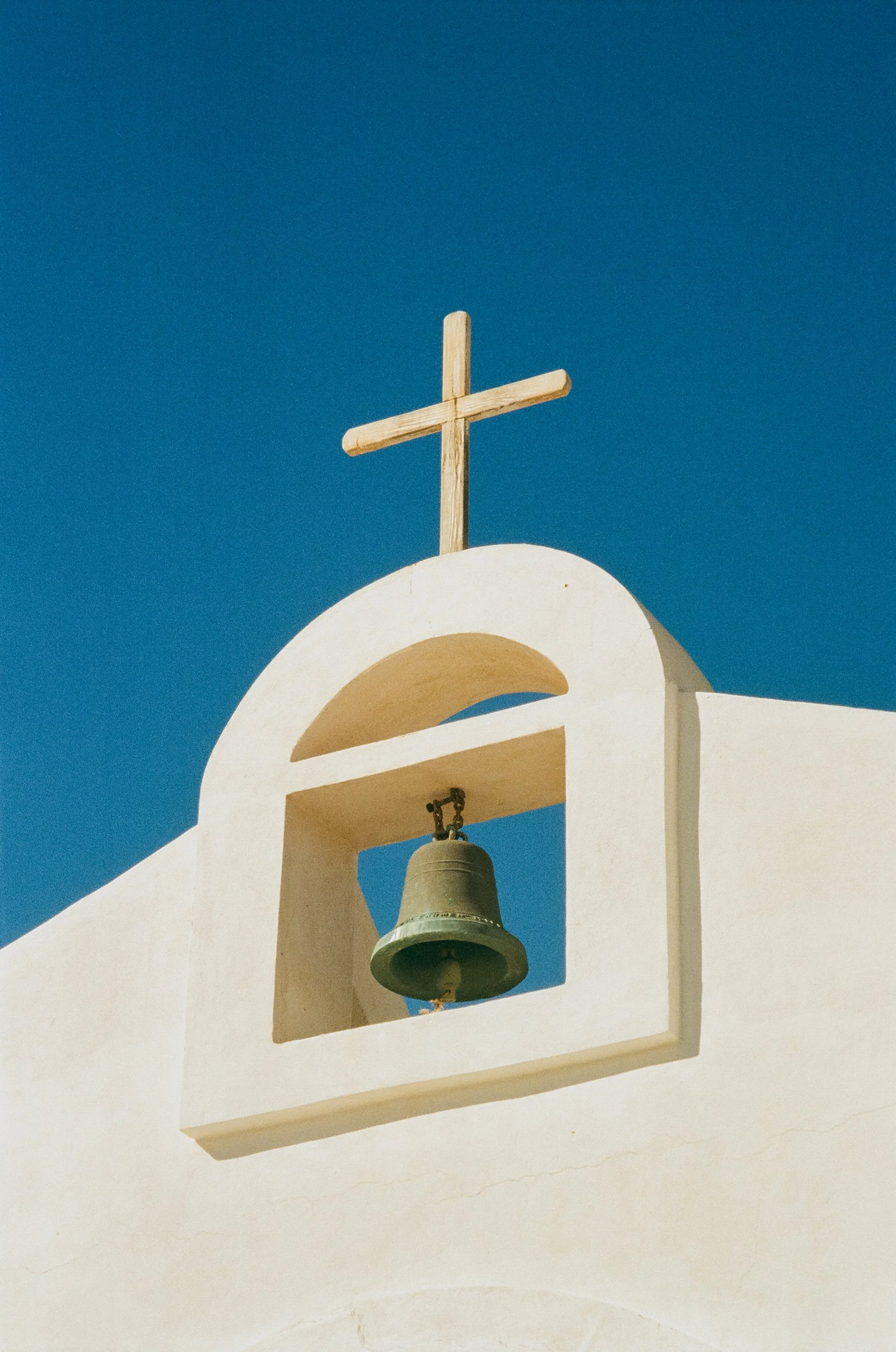
From there we continued north to Loreto. Anchoring in front of town was pleasant enough in settled weather and dinghying into the local small fishing dock, though it was easy to imagine how quickly conditions could deteriorate during a northerly blow. The town itself felt significantly smaller and quieter than La Paz. Historic buildings lined the streets, classic cars seemed to appear around every corner, with a local Misión de Nuestra Señora de Loreto Conchó. The pace felt slower, more deliberate.One day we rented a car and drove inland through a dramatic canyon to visit Misión San Francisco Javier de Viggé-Biaundó. Founded in 1699, the mission stands among the oldest and most beautifully preserved in Baja California. Massive stone walls rise unexpectedly from a grove of date palms, a reminder that long before sailors wandered these waters, missionaries, Indigenous communities, explorers, and traders traveled these same valleys.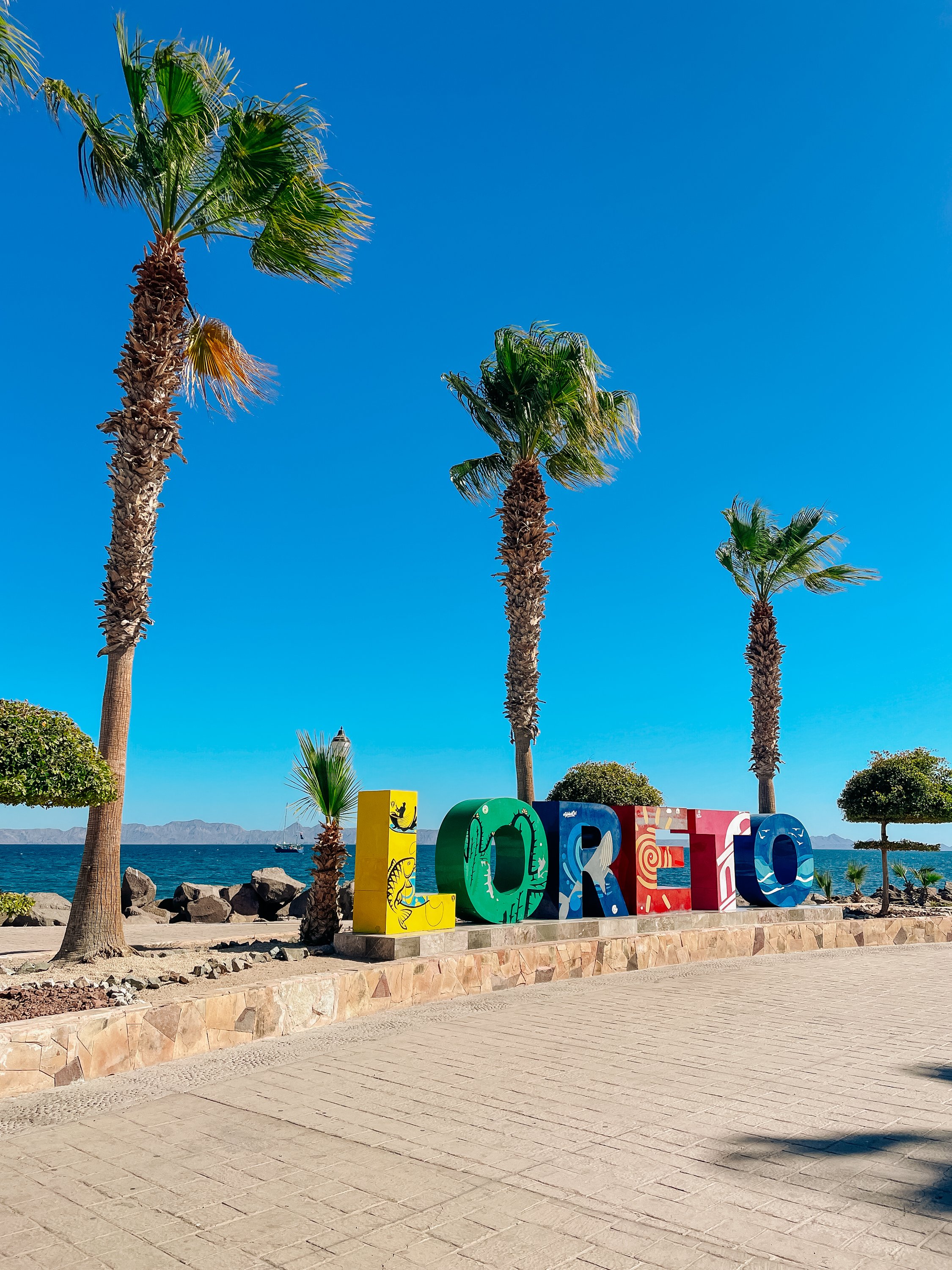
Loreto, Baja California Sur
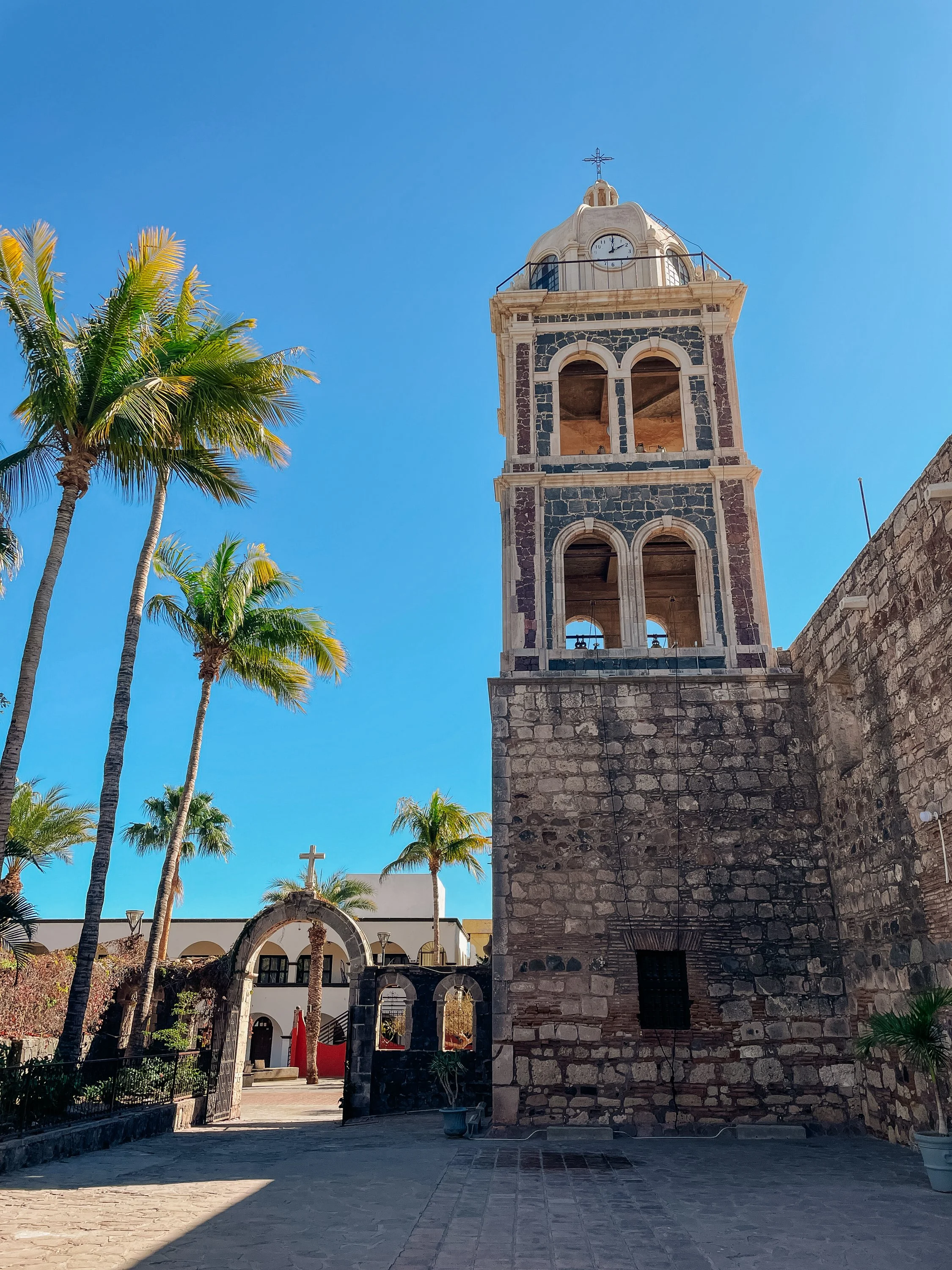
Misión de Nuestra Señora de Loreto Conchó
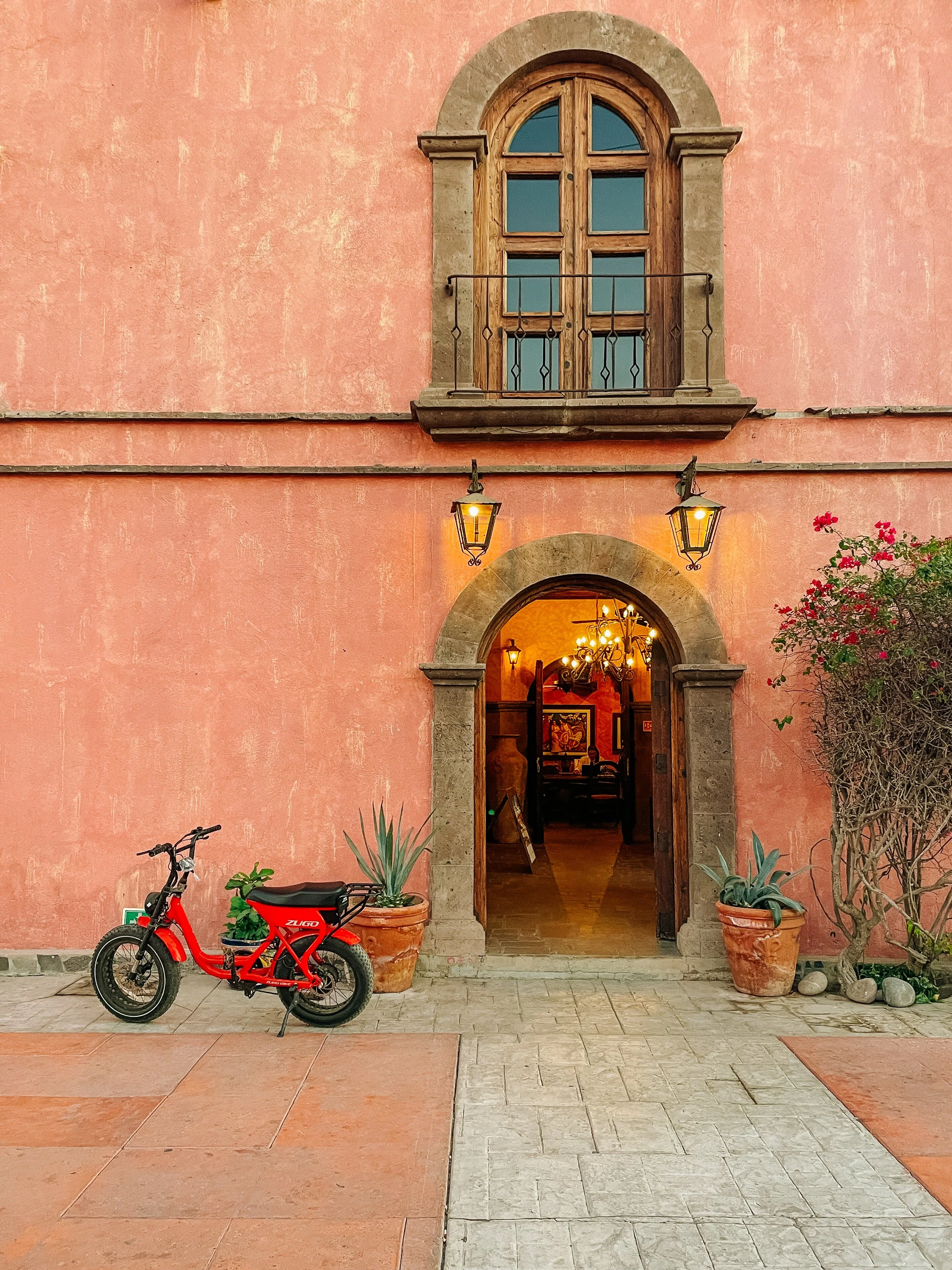
Loreto, Baja California Sur
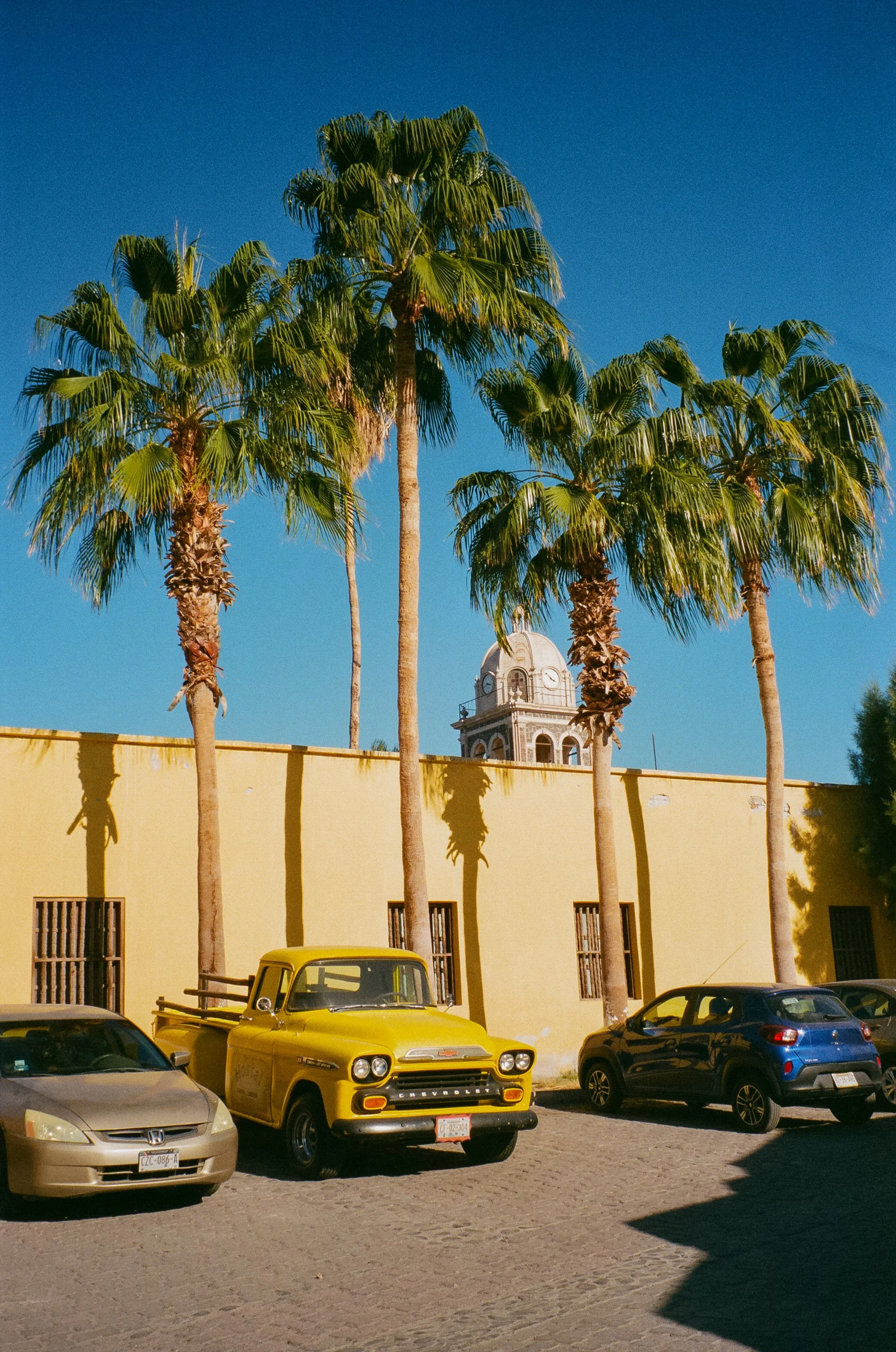
Loreto, Baja California Sur
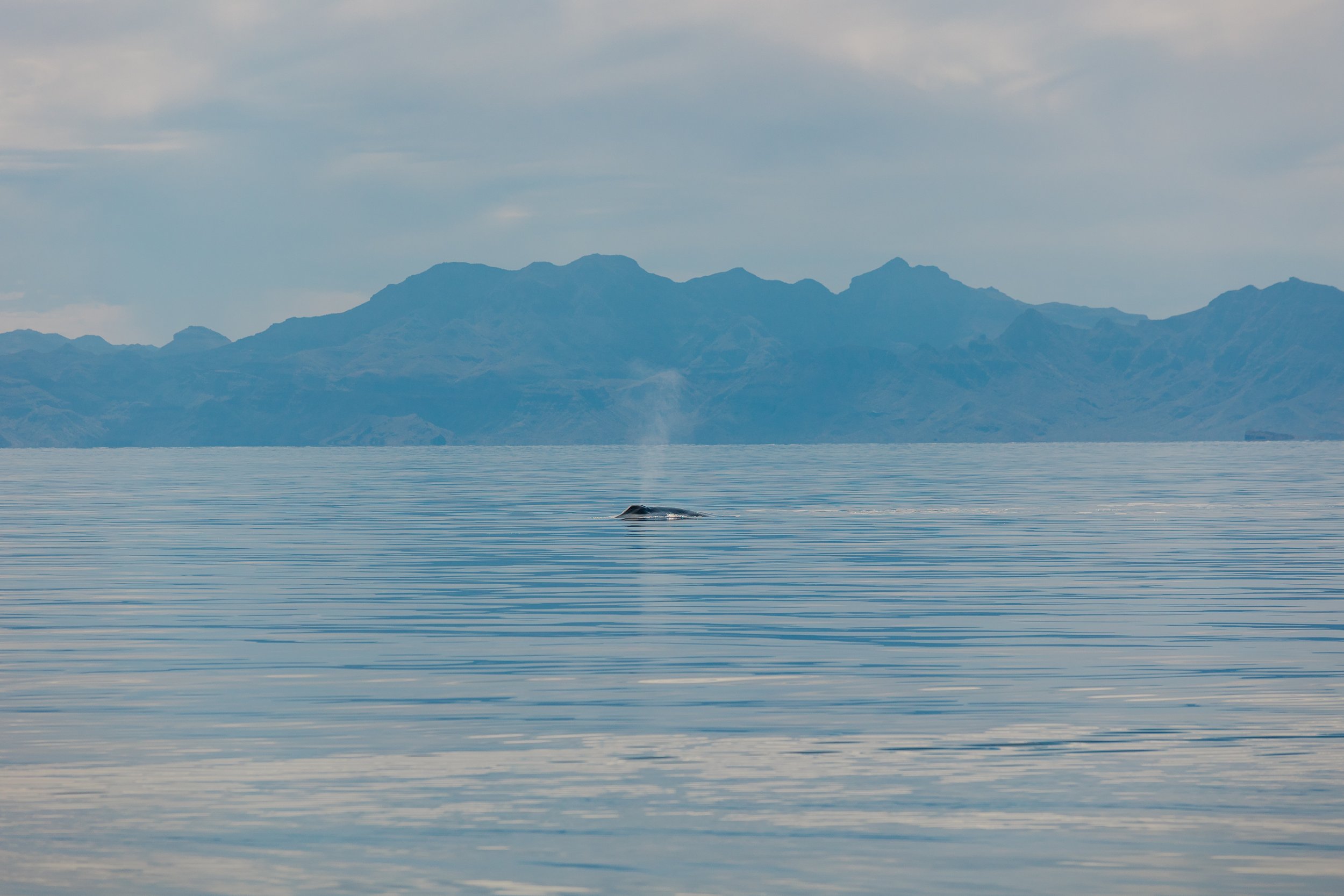
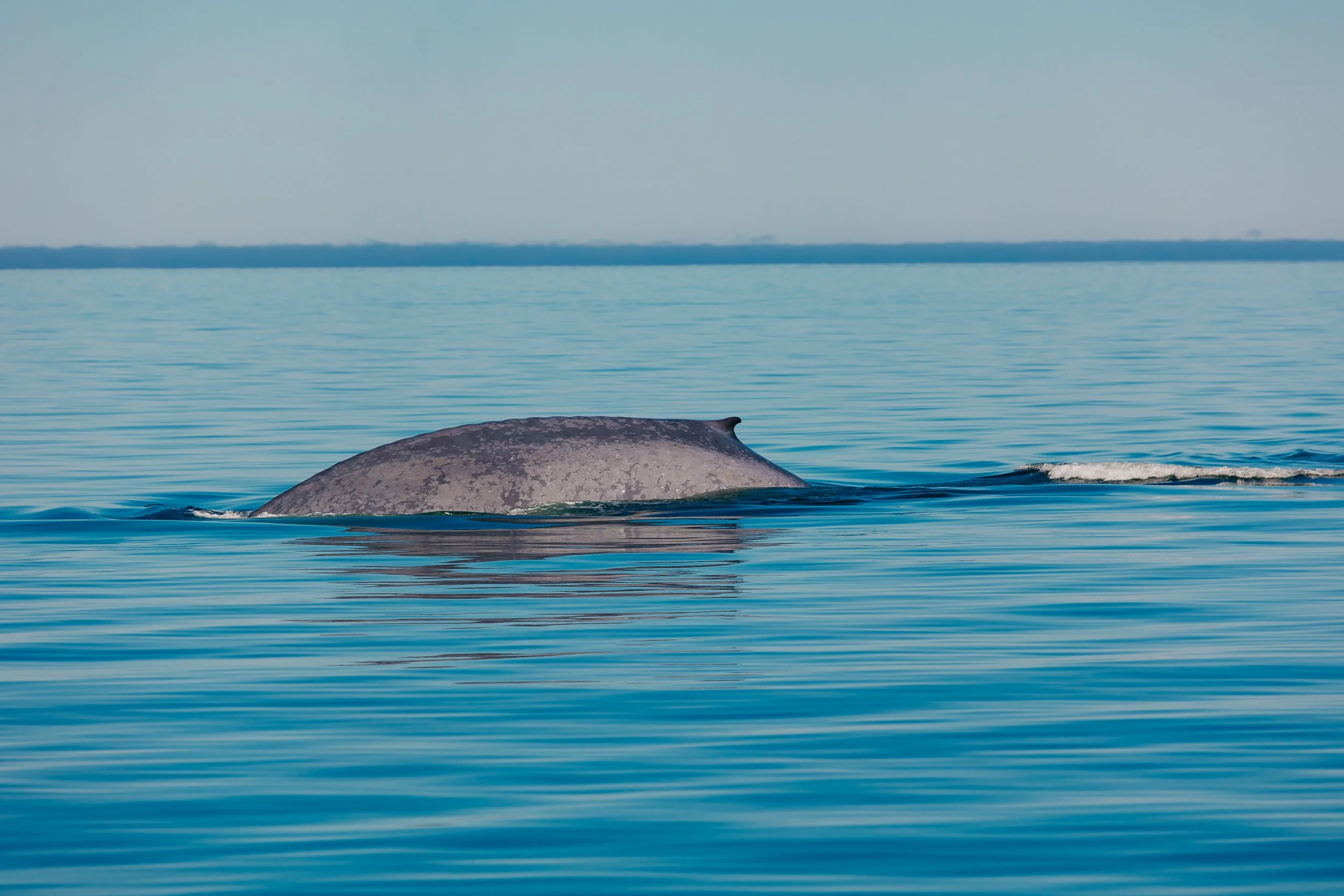
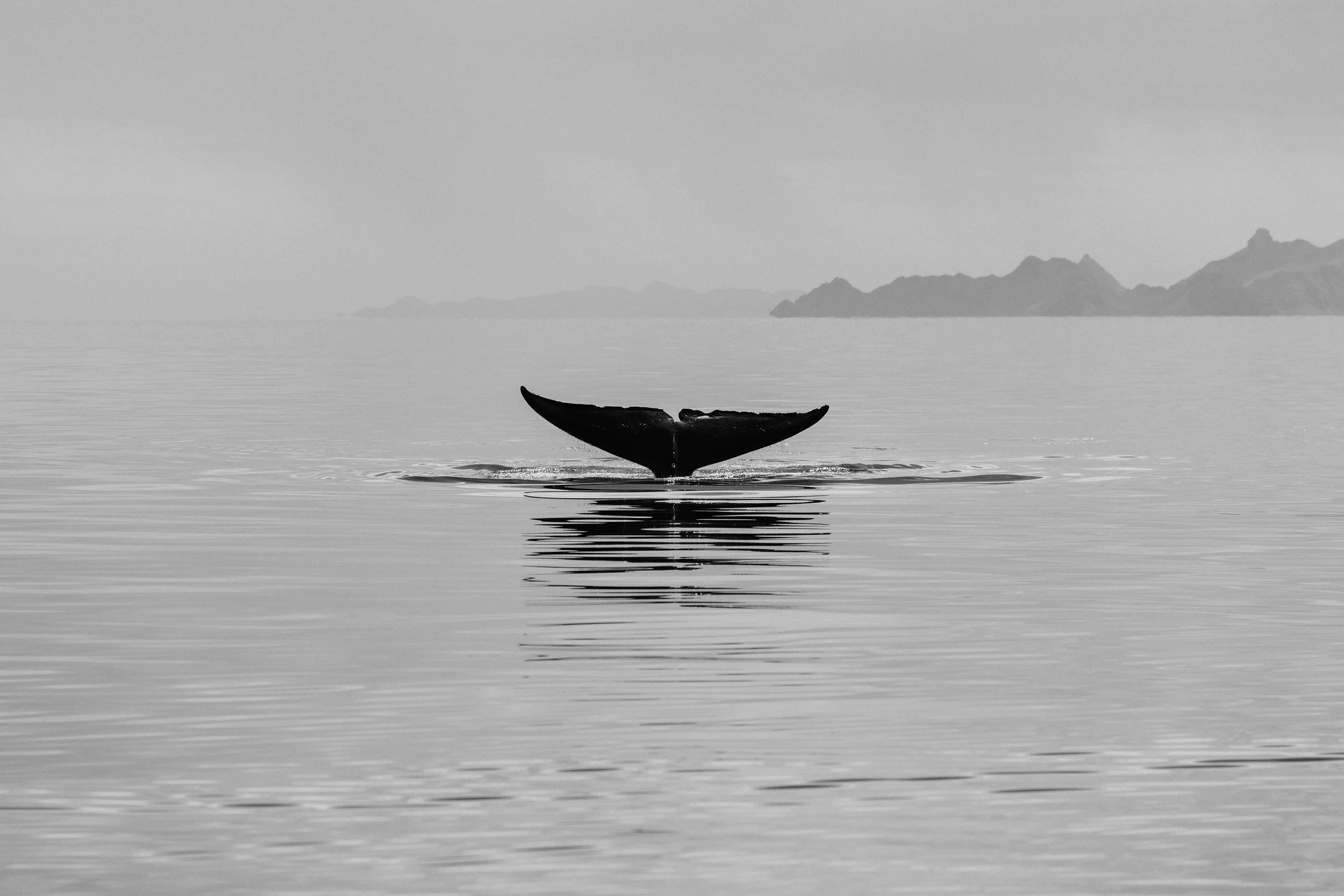
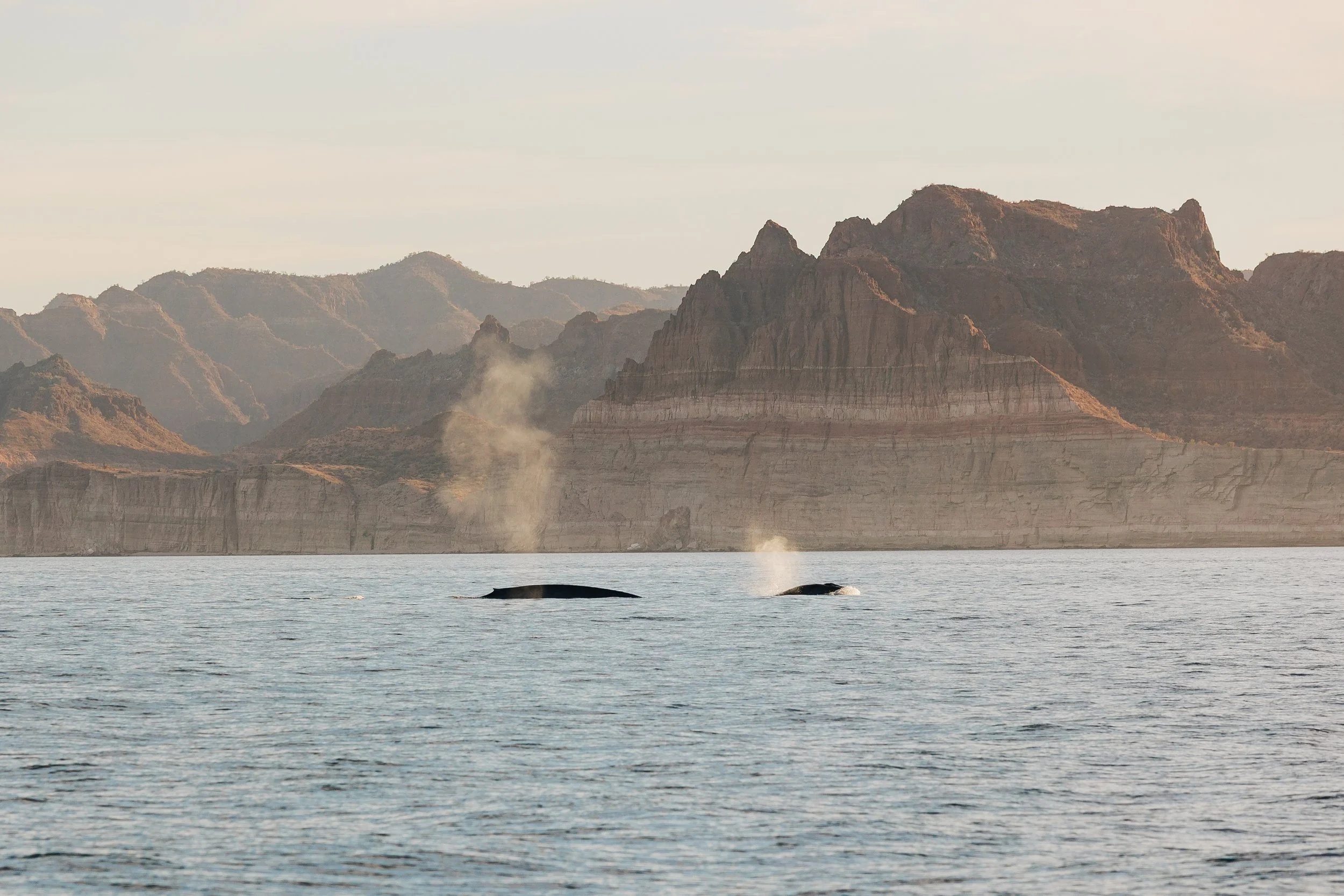
Loreto itself occupies a unique place in history. Founded in 1697, it became the first permanent Spanish settlement in the Californias and served as the birthplace of the mission system that would later spread northward into modern California. Long before San Diego, San Francisco, or San José became major cities, Loreto stood as the gateway through which those names and histories would travel.Yet for us, Loreto will always be remembered for something else… Our encounters with blue whales, the largest marine mammal, with lengths of 80-100 feet, weighing 330,000-400,000 lbs, and possessing a heart the size of a small automobile. Our arrival coincided perfectly with their annual migration. Throughout winter and early spring, some of the largest animals ever to exist gather in the waters between Isla Carmen, Isla Danzante, and neighboring islands. Unlike many whale species that merely pass through Baja, these giants actively feed here, drawn by immense concentrations of krill.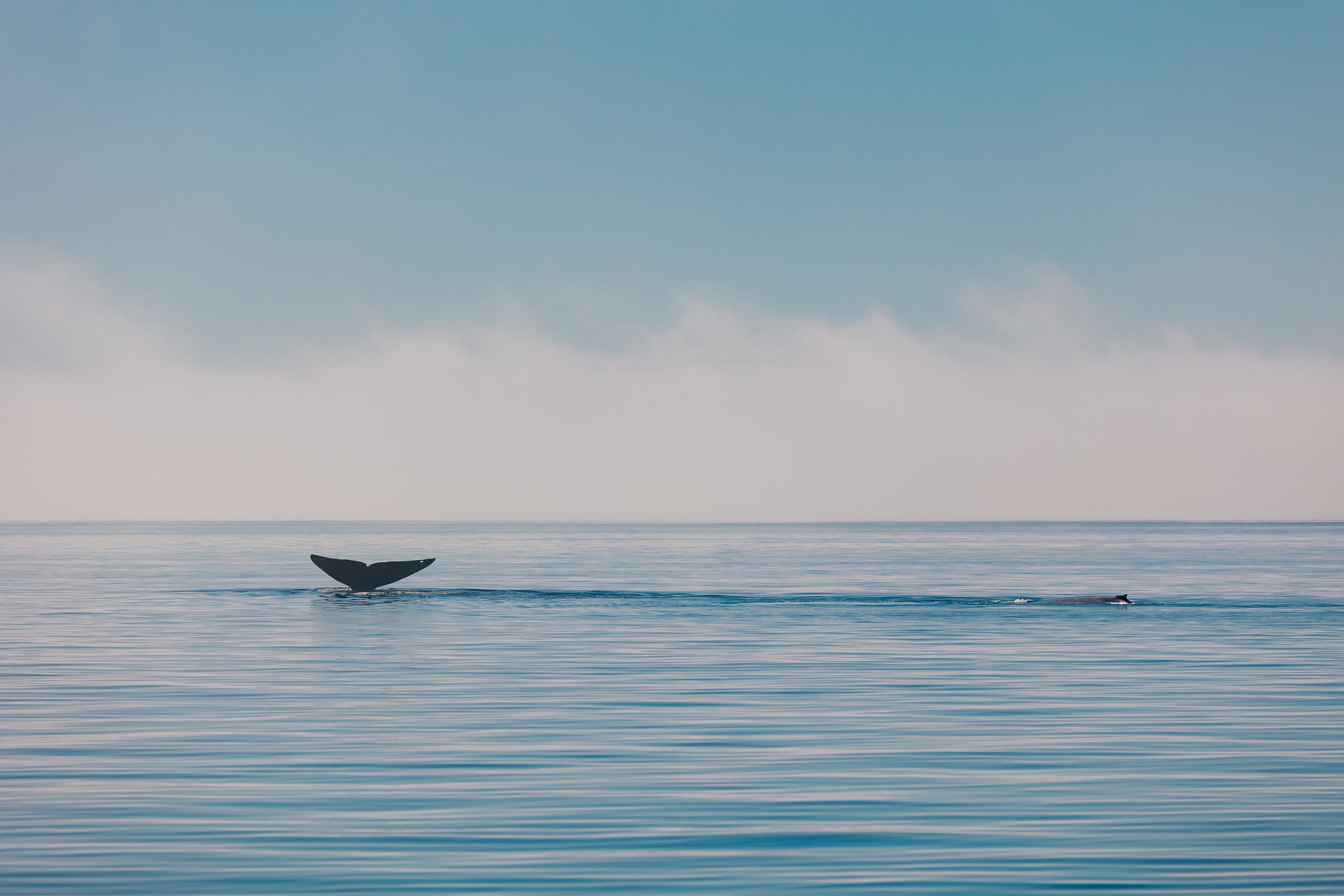
Blue whales in the sea of cortez
Blue whales in the sea of cortez
Blue whales in the sea of cortez
Blue whales in the sea of cortez
The first sign was often their breath. A towering column of mist would appear on the horizon, lingering for a moment before dissolving into the sky. Only afterward would the whale itself emerge, a vast slate-blue back gliding silently through the water. Watching blue whales changes your sense of scale. The ocean feels enormous until a creature nearly a hundred feet long surfaces beside you. Then suddenly the sea seems larger still.The giants arrive with winter's end, gathering in the deep blue channels between the islands. We watched their breaths rise above the water before their bodies emerged, a reminder that even in an ocean already beyond comprehension, there are creatures capable of making it feel larger.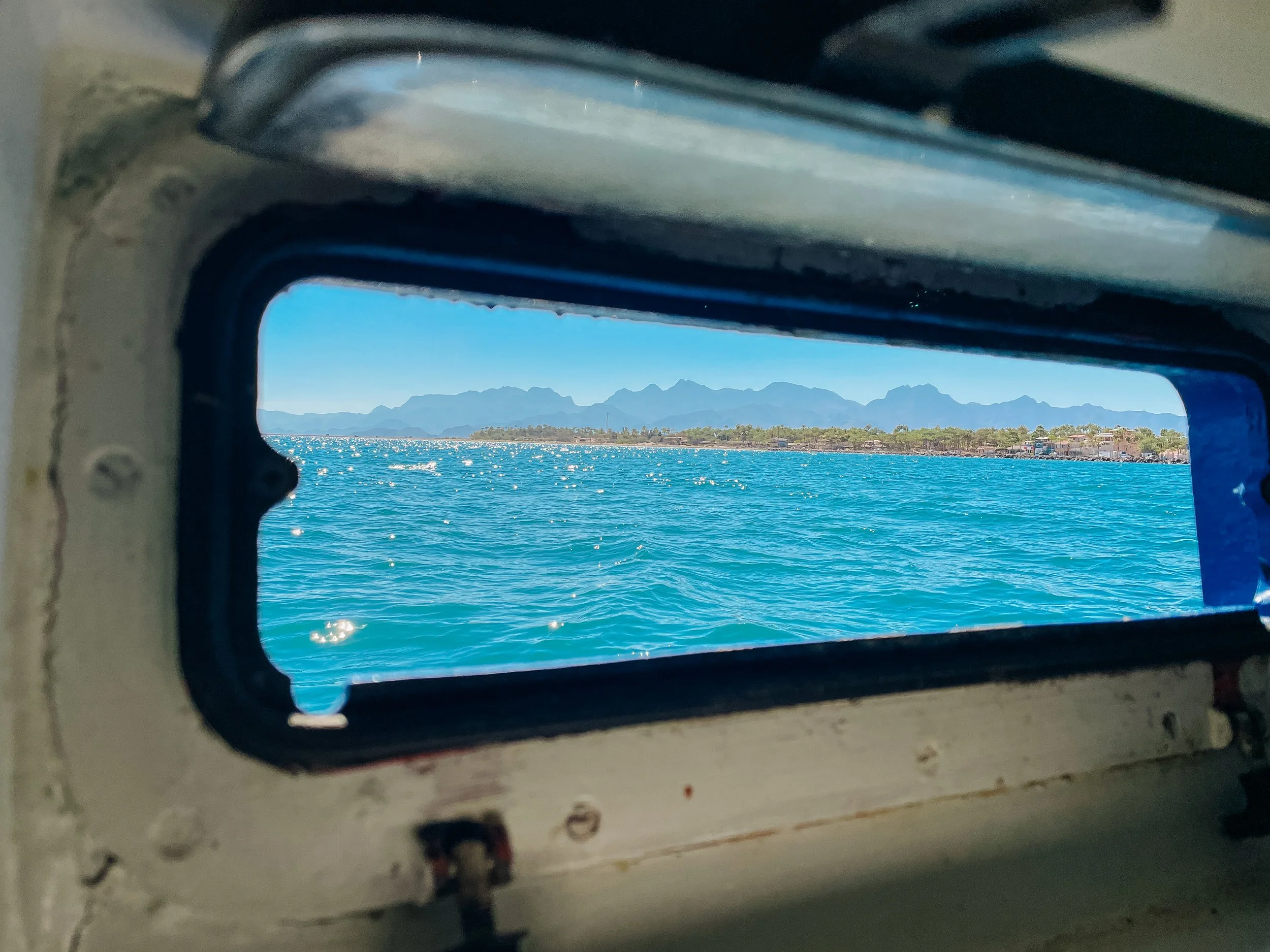
Coastline of Loreto from SV Arcturus
ISLA CORONADO
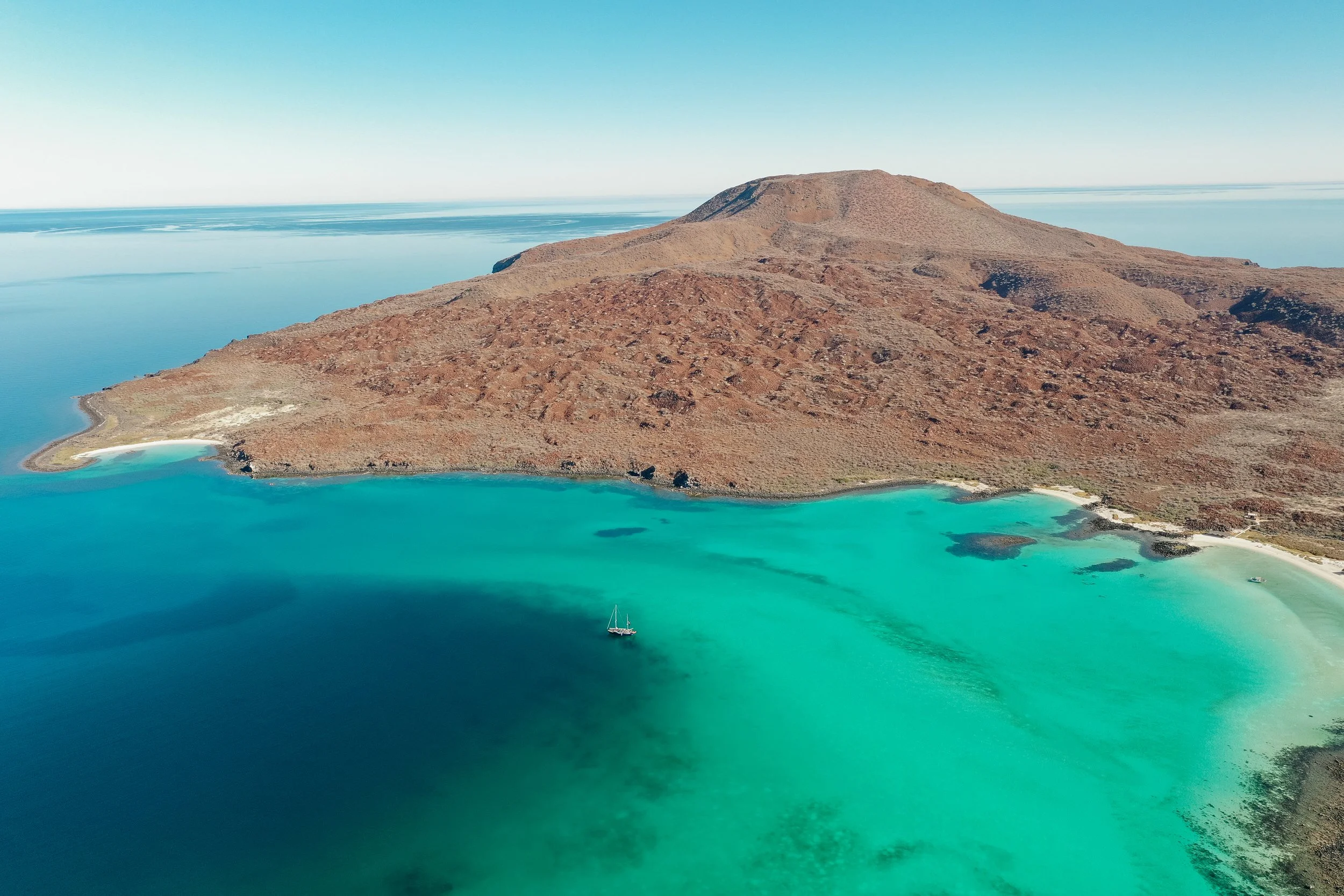
Farther north, Isla Coronado rose from the sea like a perfectly sculpted volcano. Black lava slopes descended toward brilliant white beaches. From a distance the island looked barren, but up close it revealed an intricate landscape of volcanic rock, hidden coves, and sweeping vistas. We landed on a popular beach for travelers from the mainland to visit, then did the hike to the summit, which proved hotter than expected. Dark lava absorbed the afternoon sun, radiating heat upward from every direction. Yet the reward was extraordinary: panoramic views stretching across Isla Carmen, Loreto Bay, and the desert mountains beyond.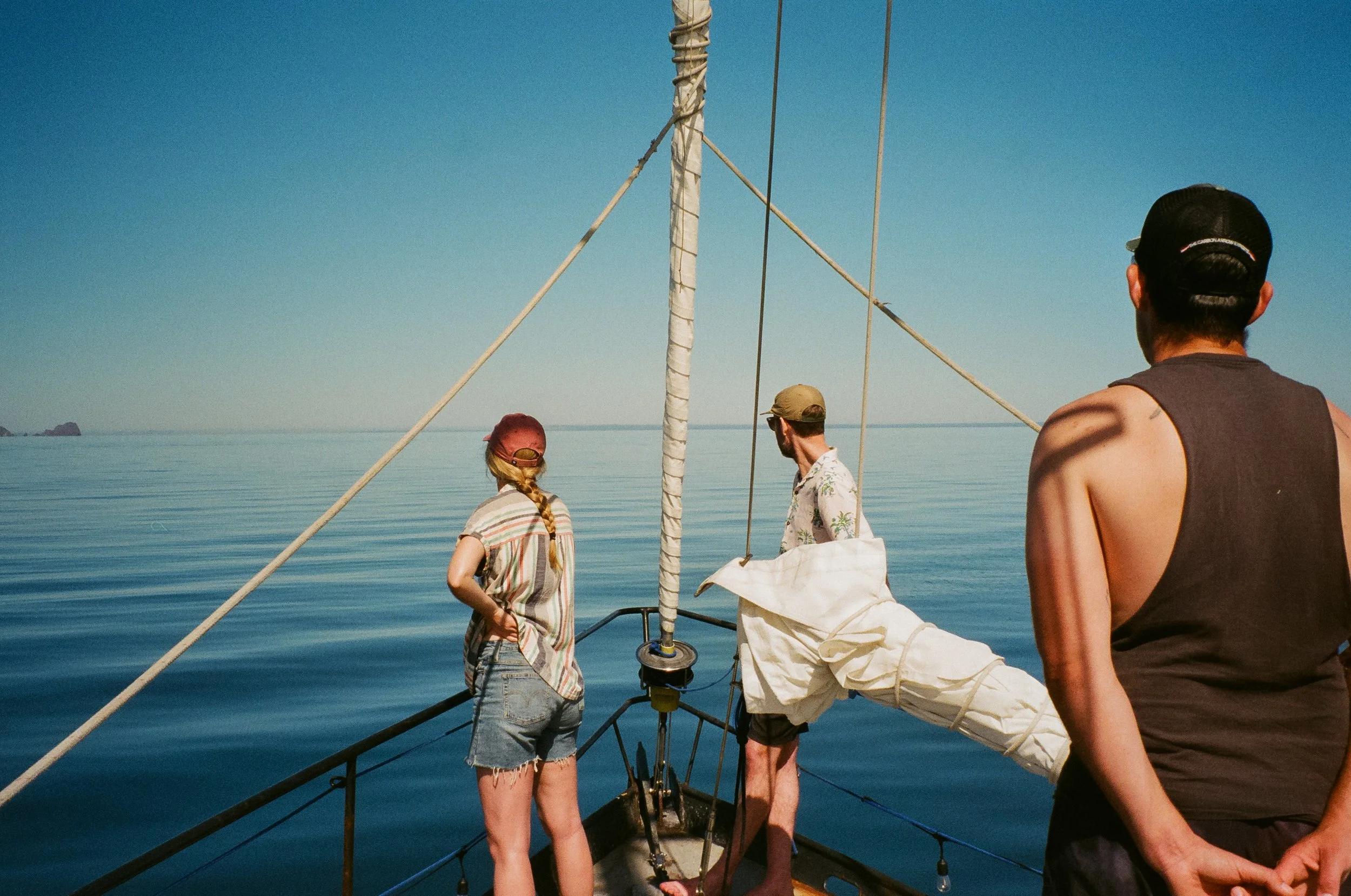
Whale watching near Isla Coronado
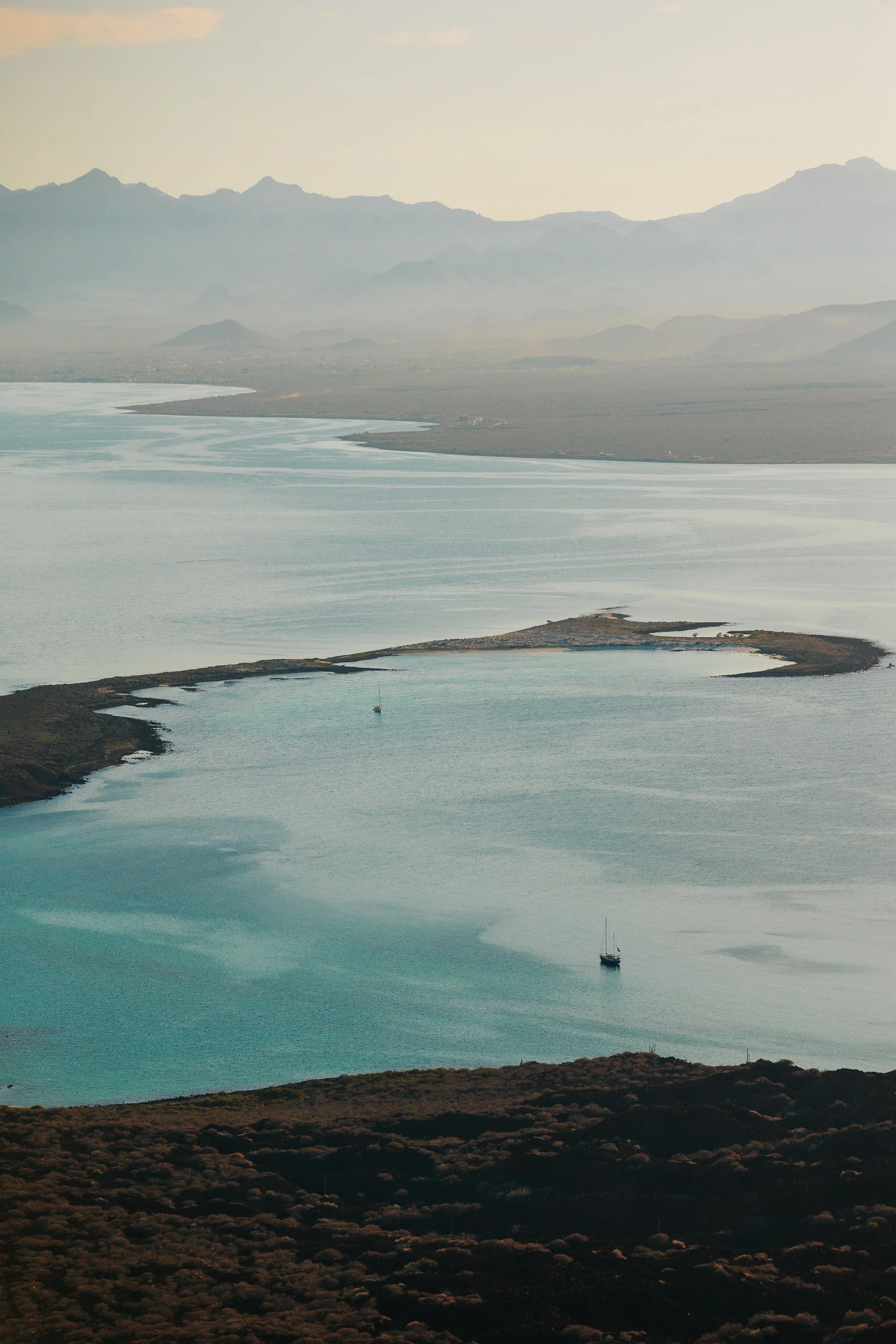
Isla Coronado
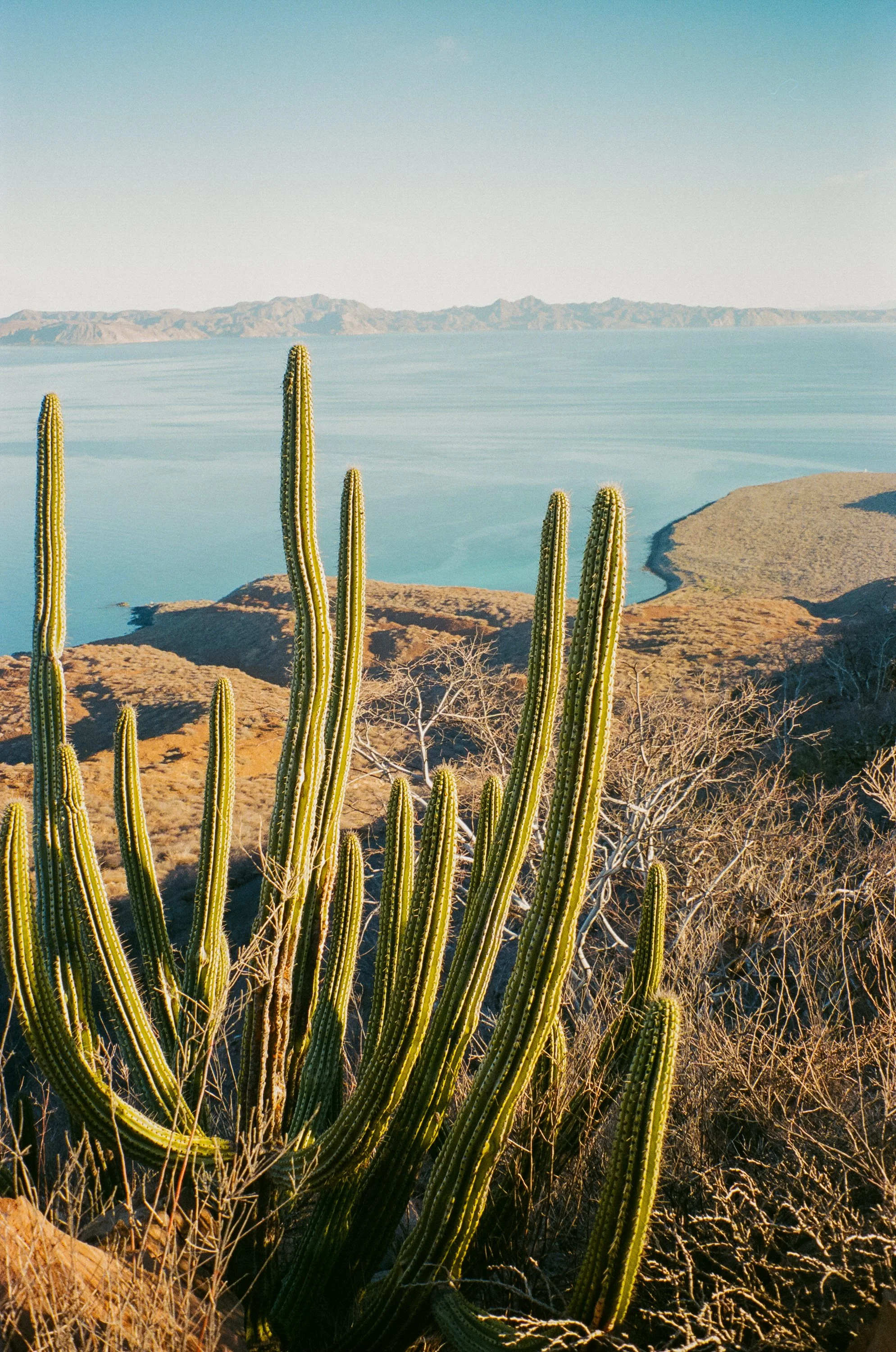
Isla Coronado
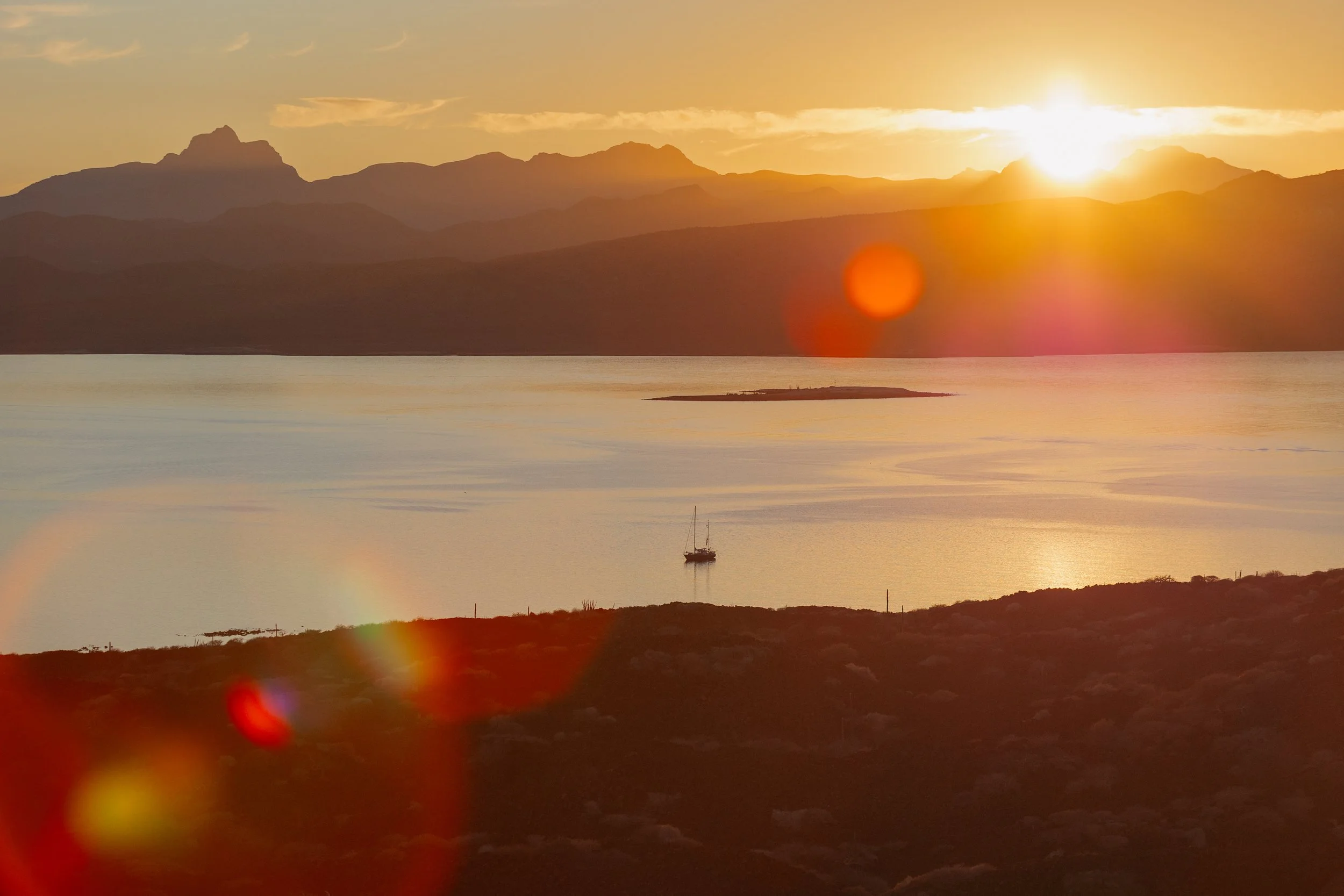
Isla Coronado
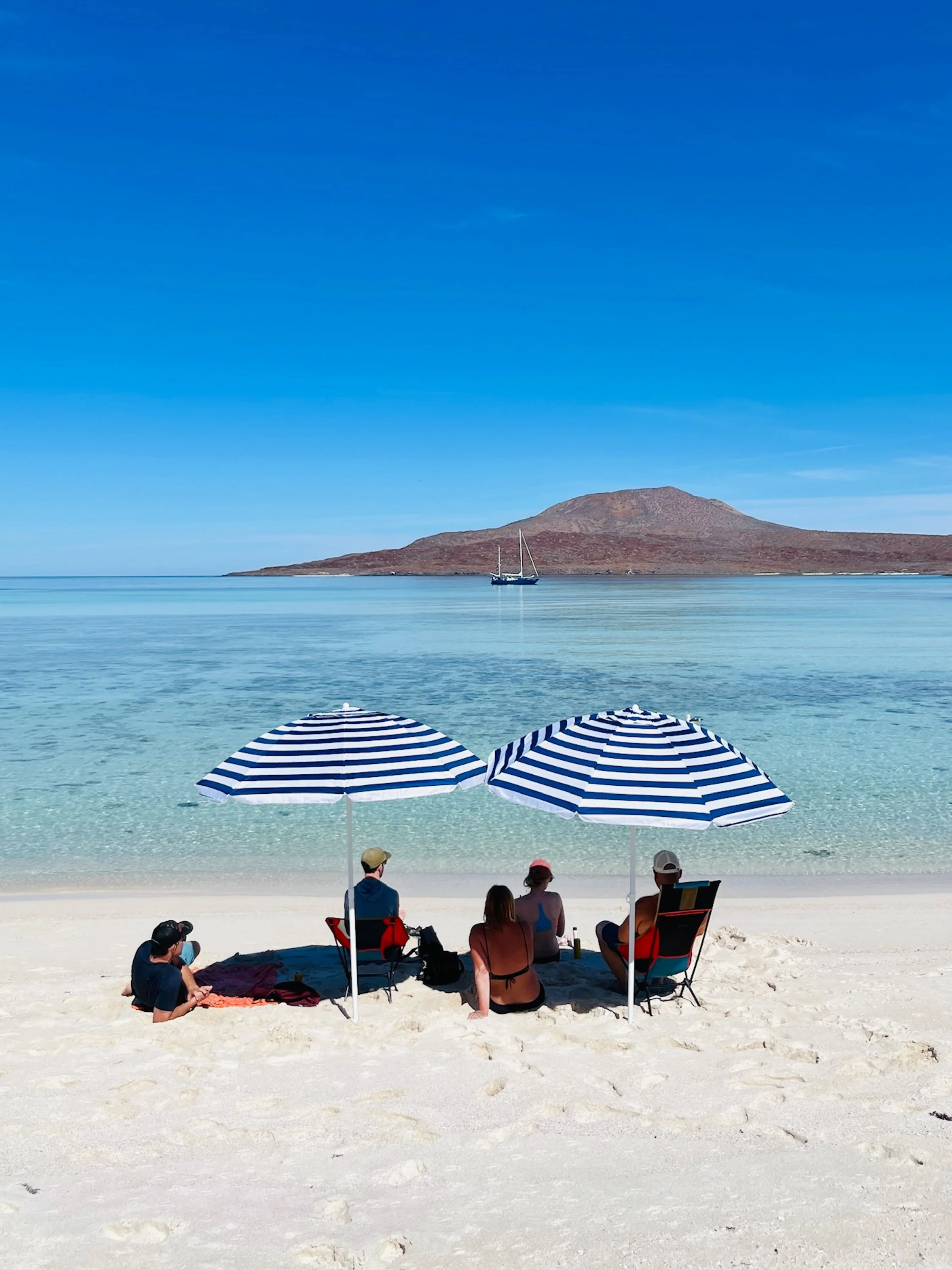
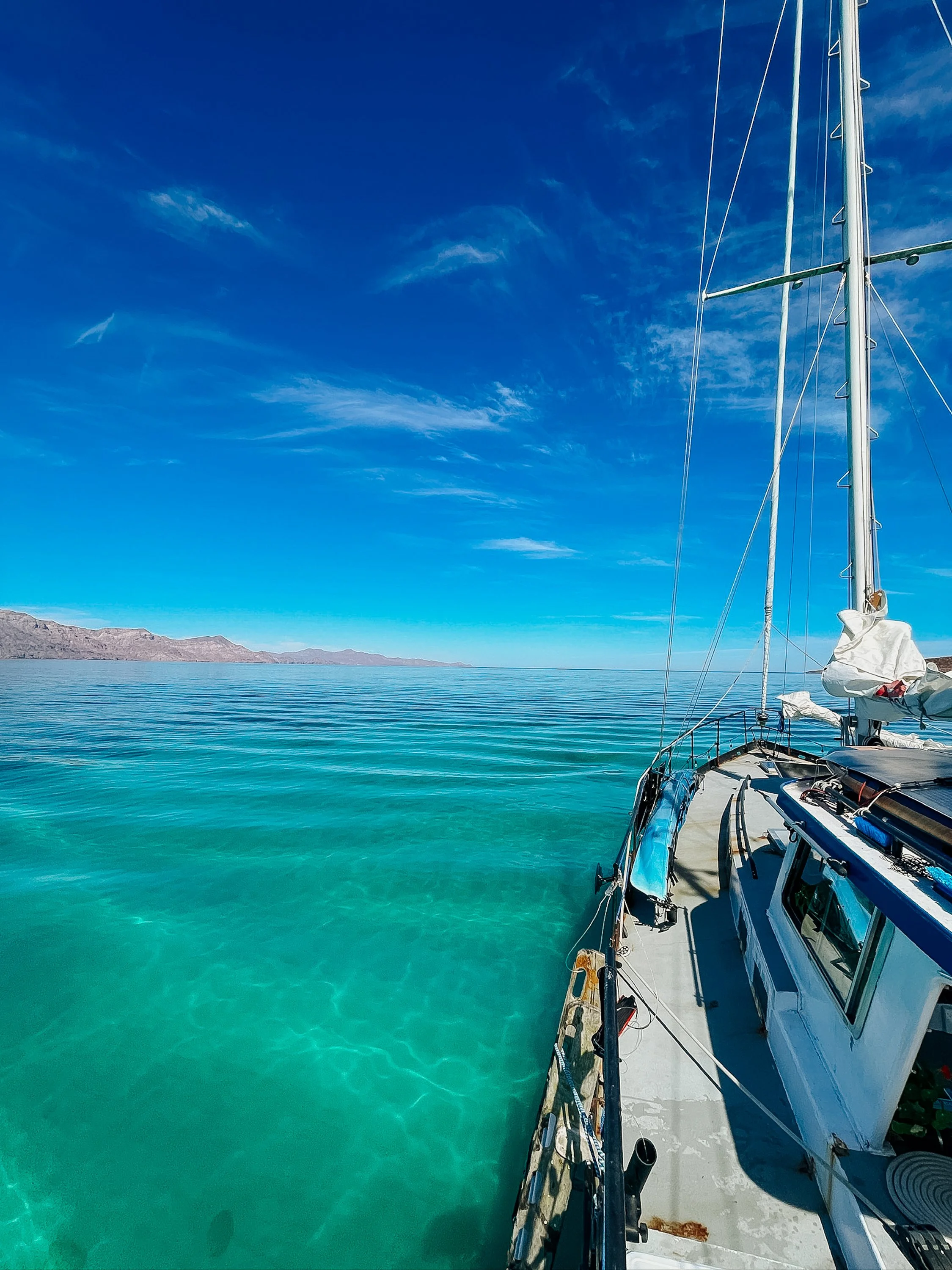
One afternoon we paddle boarded to the southern end of the island with friends. There, a crescent-shaped beach of dazzling white sand curved around shallow turquoise water. We set up umbrellas, lounged in the sun, and settled into the kind of afternoon that feels suspended outside of time. Nearby, a trimaran sat temporarily stranded in shallow water awaiting the return of the tide. The crew invited us aboard for beers, and conversation quickly turned to sailing, Alaska, and the Race to Alaska. One of our friends happened to be wearing a coveted "Captain Hoock's Arcturus Crew" shirt. The moment one of the sailors saw it, he laughed. "Wait," he said, pointing. "I've met that guy! I've been on that boat!" It turned out he had joined one of Louie's charters years earlier.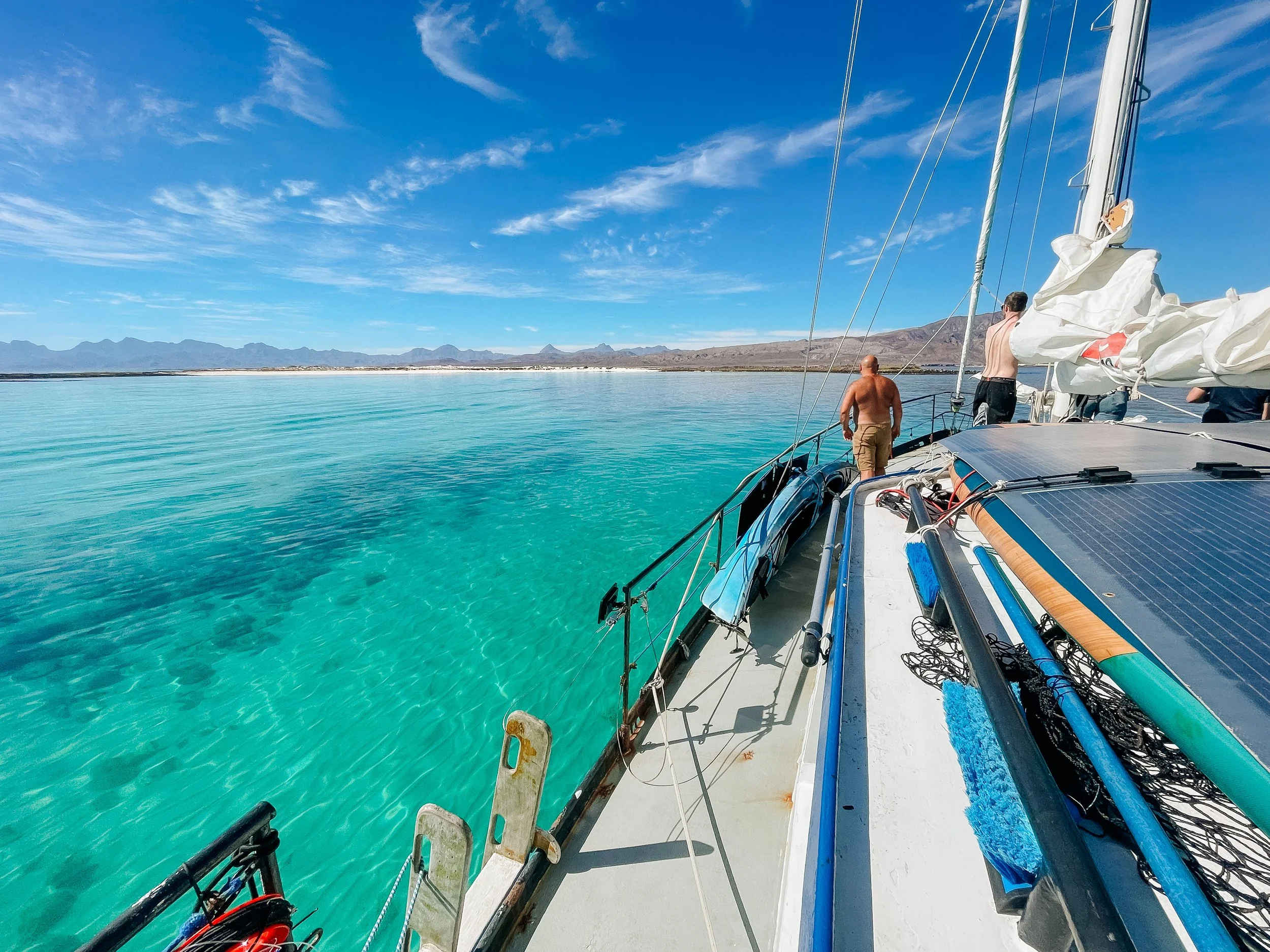
Isla Coronado
Isla Coronado
Isla Coronado
Isla Coronado
Thousands of miles from home, on a remote Baja island, another unlikely connection emerged. The sailing world continued to shrink. Later that same day, as we packed up our beach camp, I noticed a gull attacking something in the sand. At first I assumed it was a fish or perhaps a crab. Instead, it was a small octopus. Its arms twisted desperately against the bird's beak as the gull attempted to drag it away. I sprinted across the beach shouting and waving my arms. Startled, the gull released its prize and retreated.One of our friends, a marine biologist, suggested we help the octopus back into the water. So I carefully picked it up. Its arms wrapped around my hand as I carried it into the shallows searching for a suitable rock. When I finally found one, the octopus reached out a tentative arm and touched the stone. For a brief moment it held onto both of us. Its skin shifted colors. Gray became brown. Brown became mottled patterns that perfectly matched the rock beneath it. Then, as suddenly as it had arrived, it released my arm, flashed another change of color, and vanished into the reef in a cloud of ink.Our marine biologist friend smiled. "I think that was its way of saying thank you."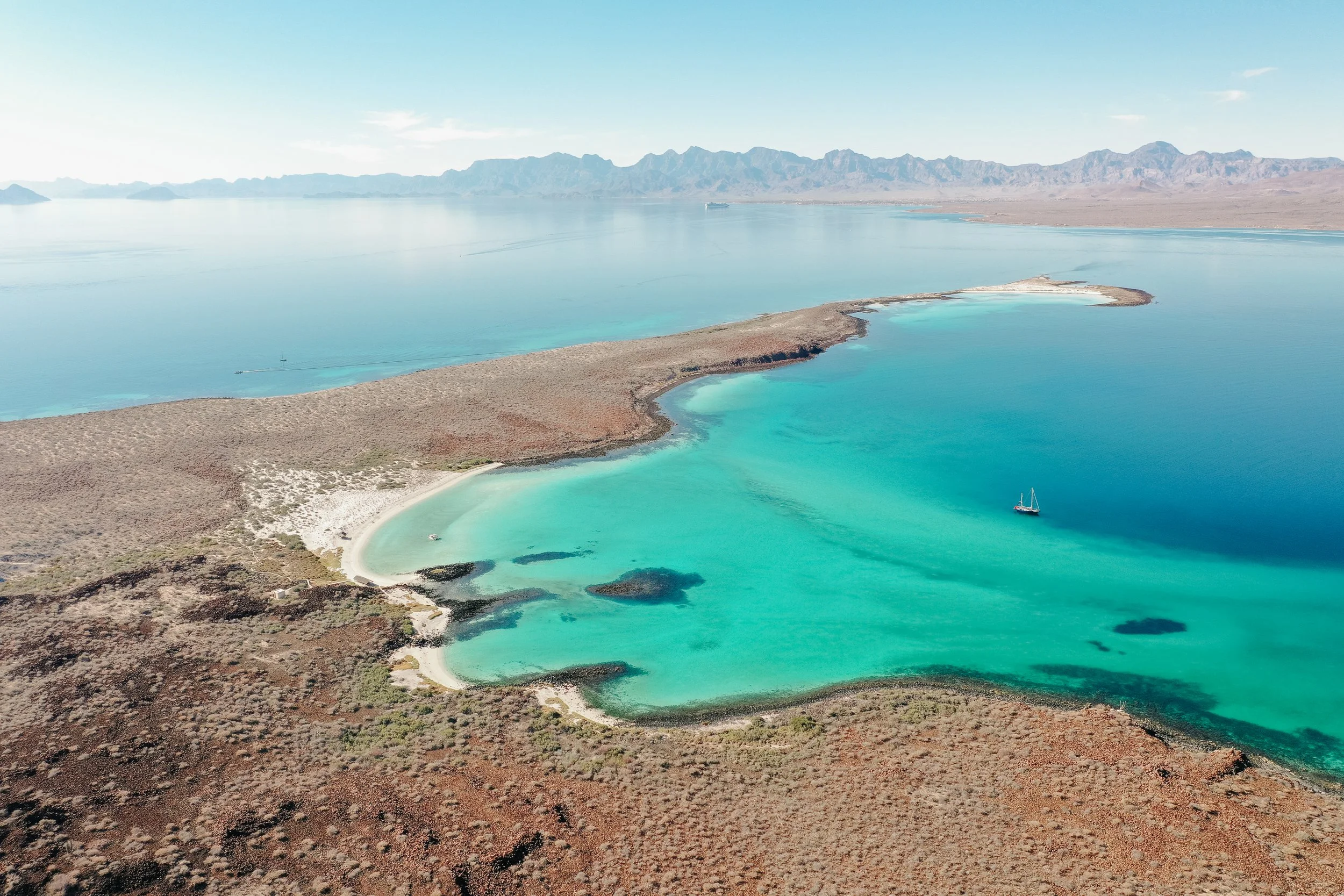
Isla Coronado
ISLA CARMEN
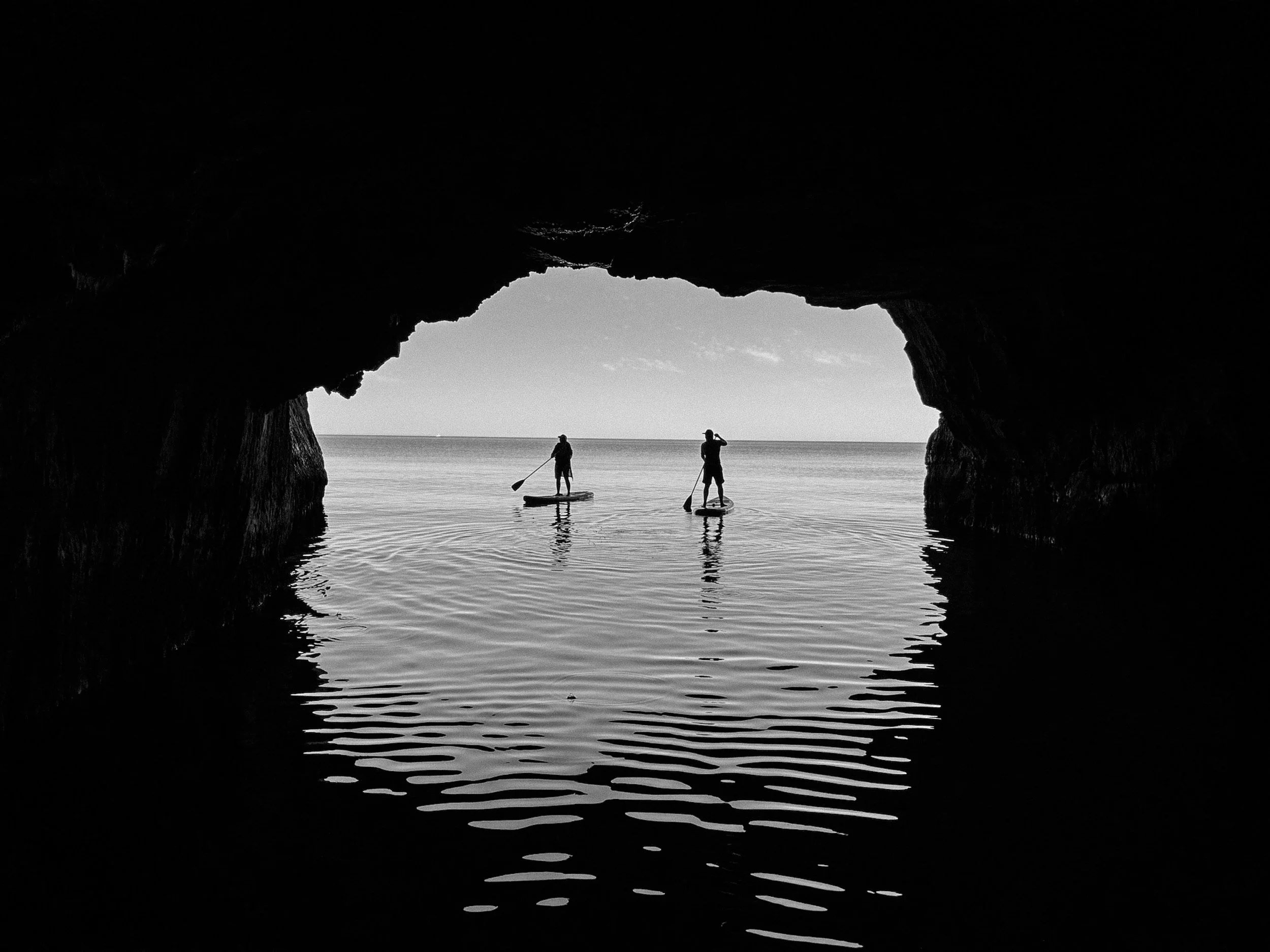
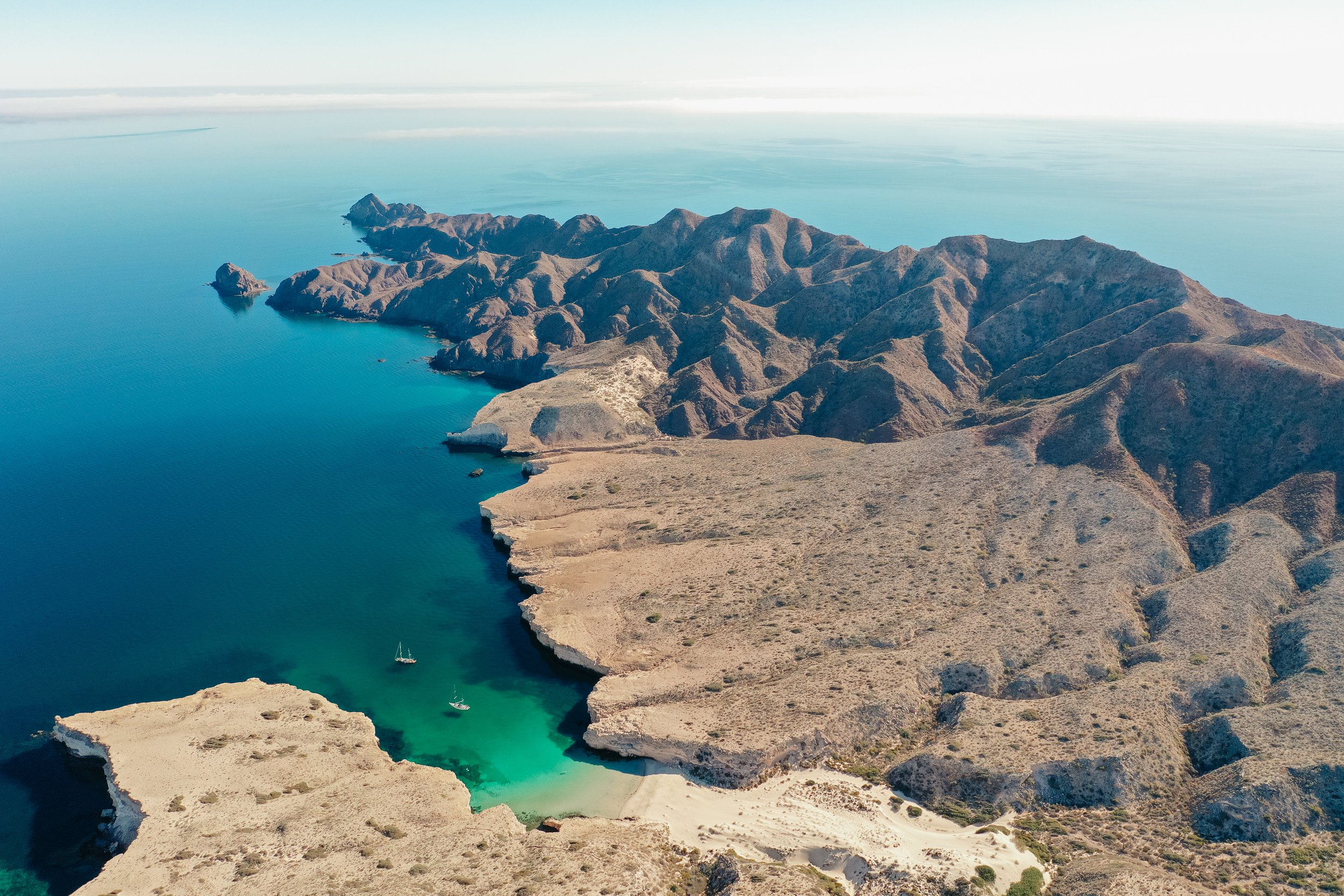
Of all the islands surrounding Loreto, Isla Carmen felt the wildest. The largest in the group, it stretched for miles along the eastern horizon, a rugged spine of desert mountains rising directly from the sea. Our first stop was V-Cove near the northern end of the island. The anchorage was small, room for only a handful of boats, but remarkably beautiful. White sand beaches lined the shore, and sea caves hidden among the cliffs invited exploration by paddleboard. Clear water reflected the surrounding mountains, creating an almost dreamlike sense of isolation.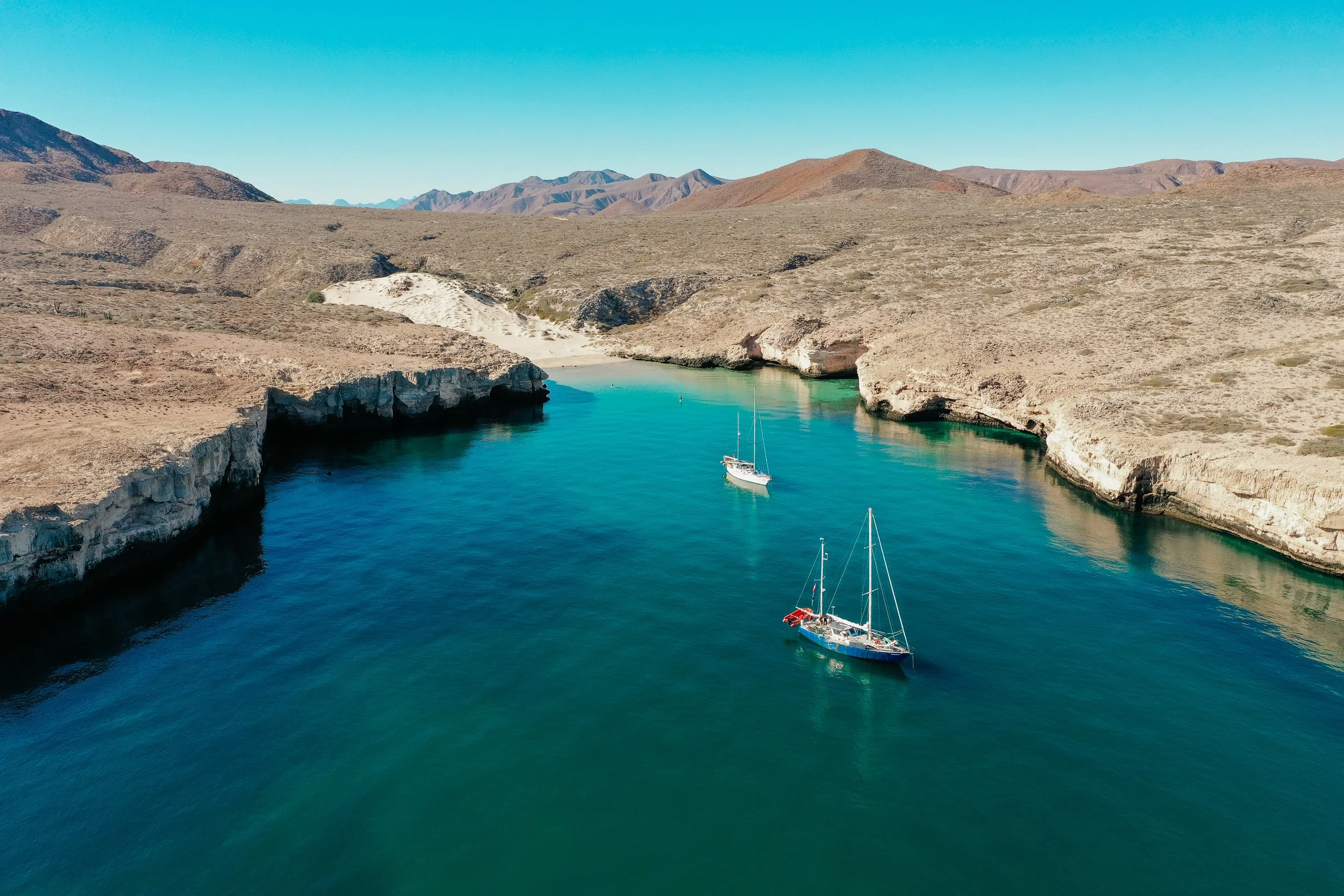
V-Cove, ISLA CARMEN
V-Cove, ISLA CARMEN
V-Cove, ISLA CARMEN
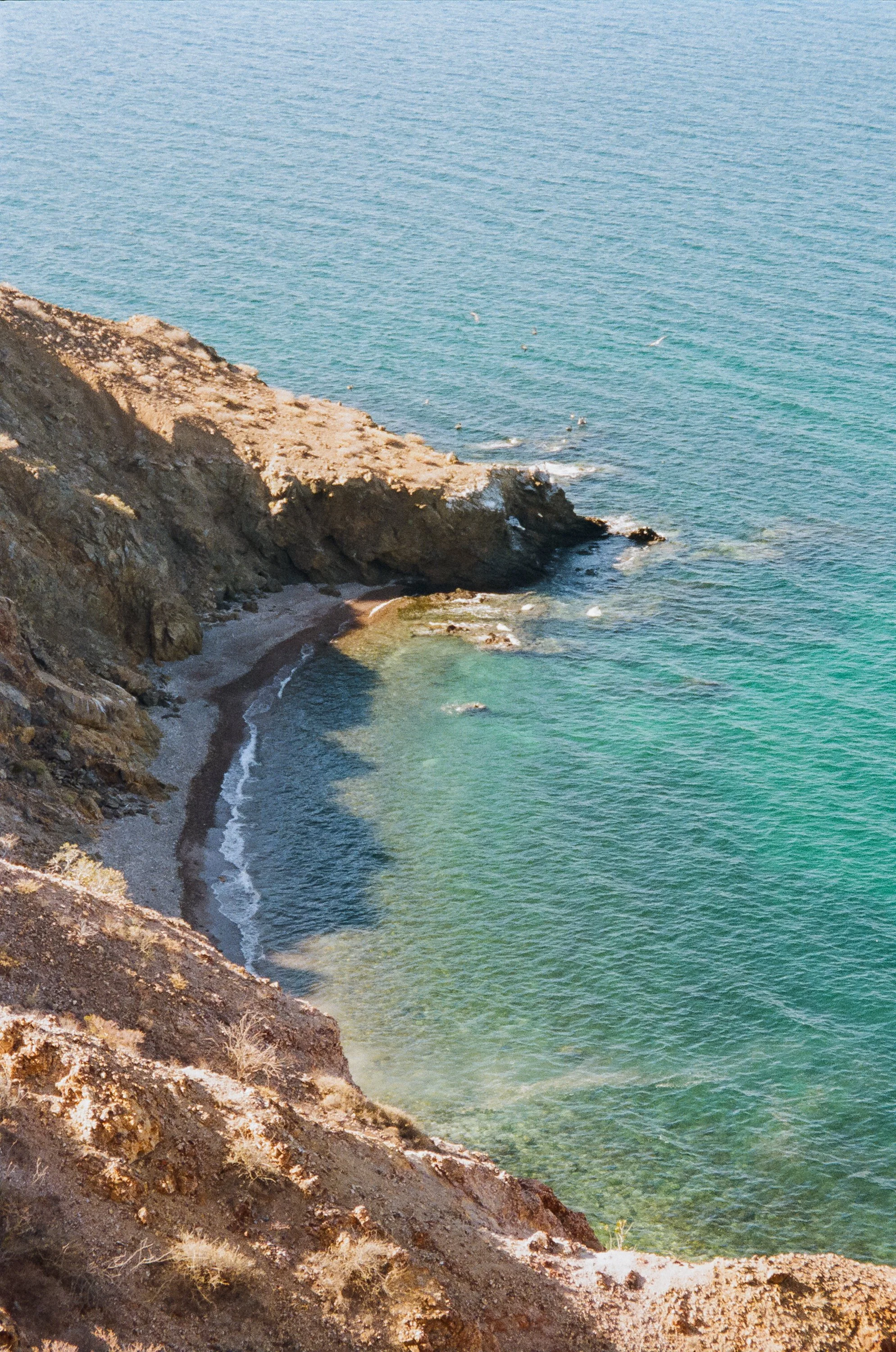
V-Cove, ISLA CARMEN
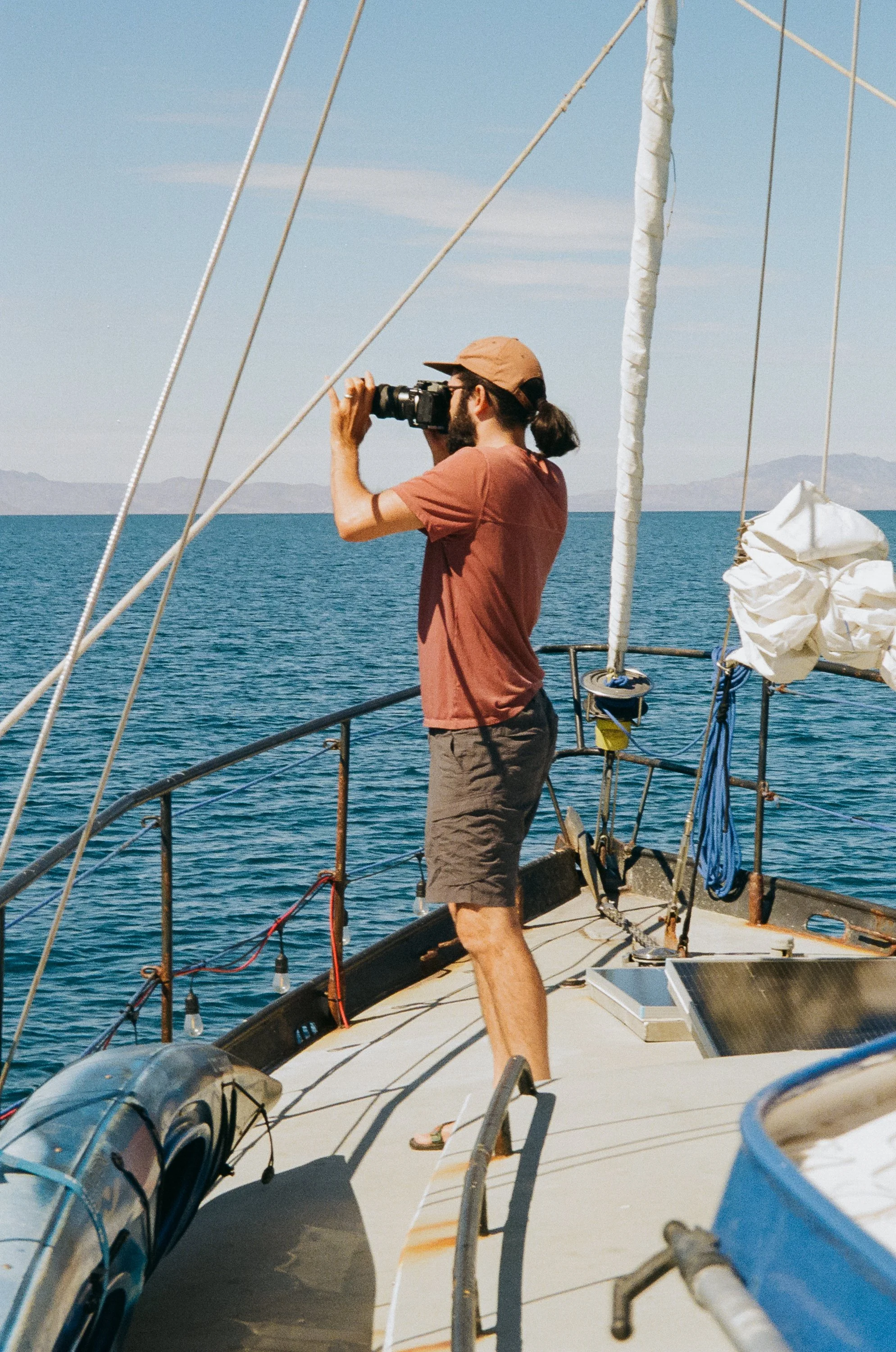
Isla Carmen
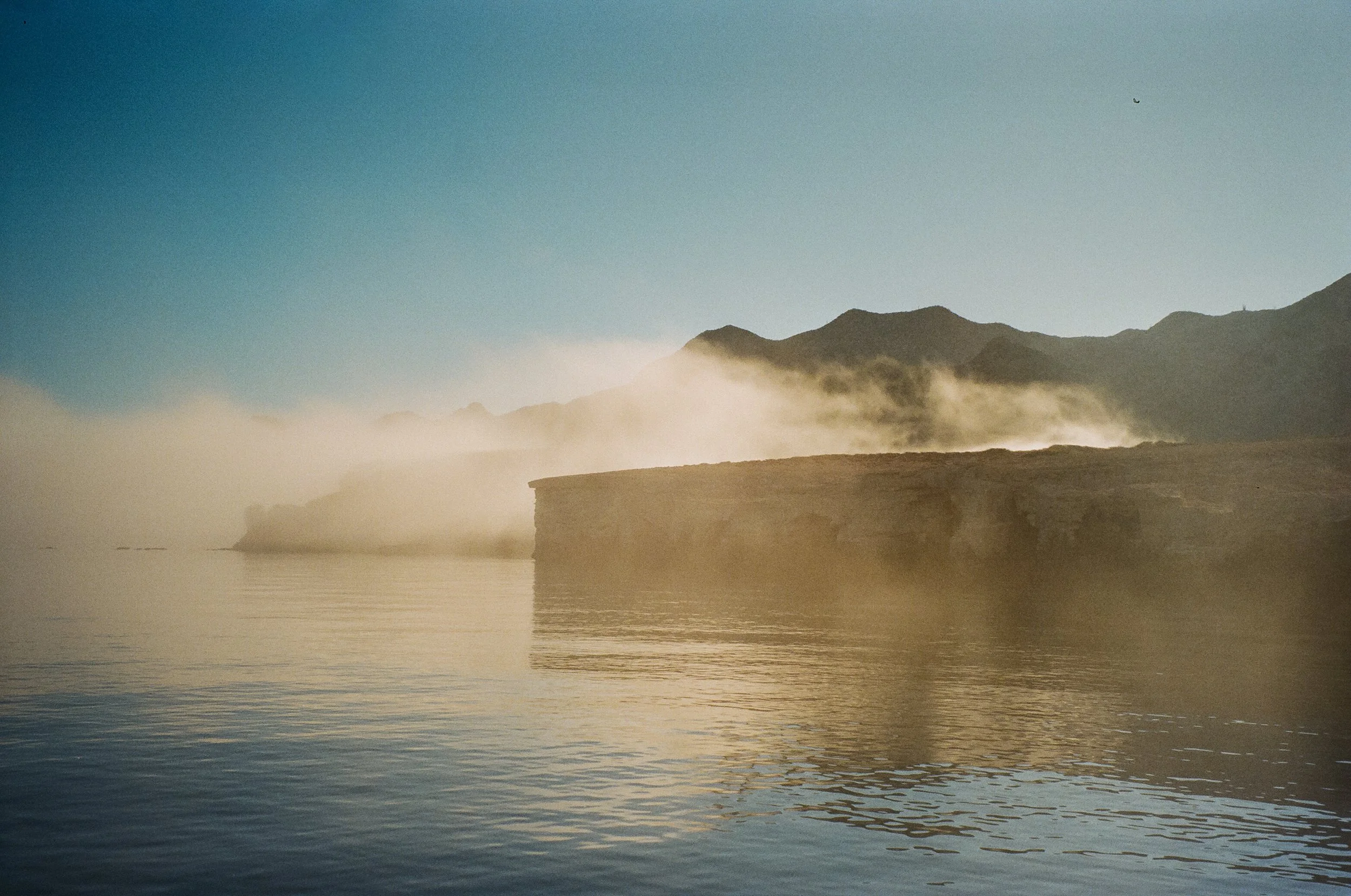
Isla Carmen
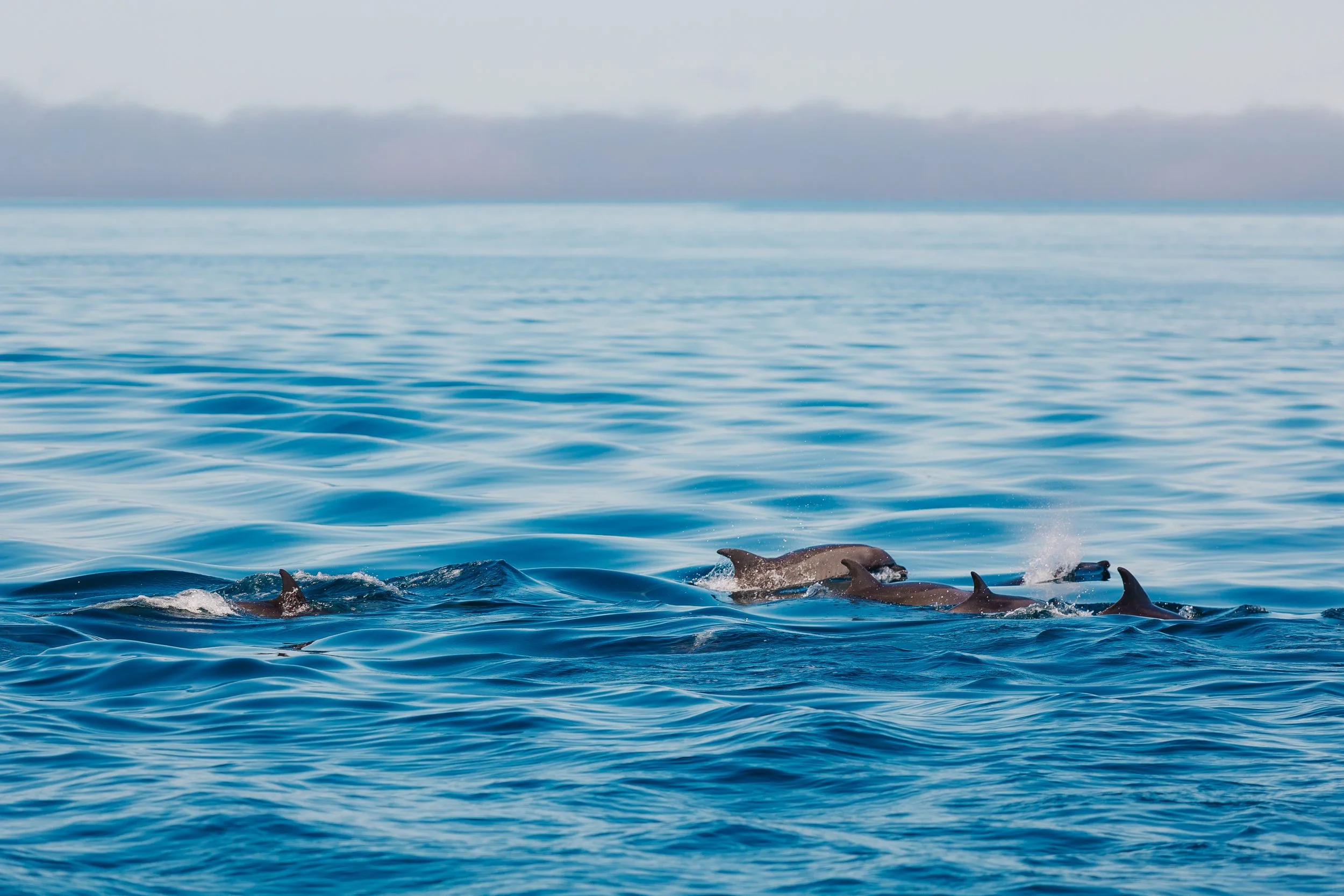
Dolphins off Isla Carmen
Isla Carmen
Isla Carmen
Isla Carmen
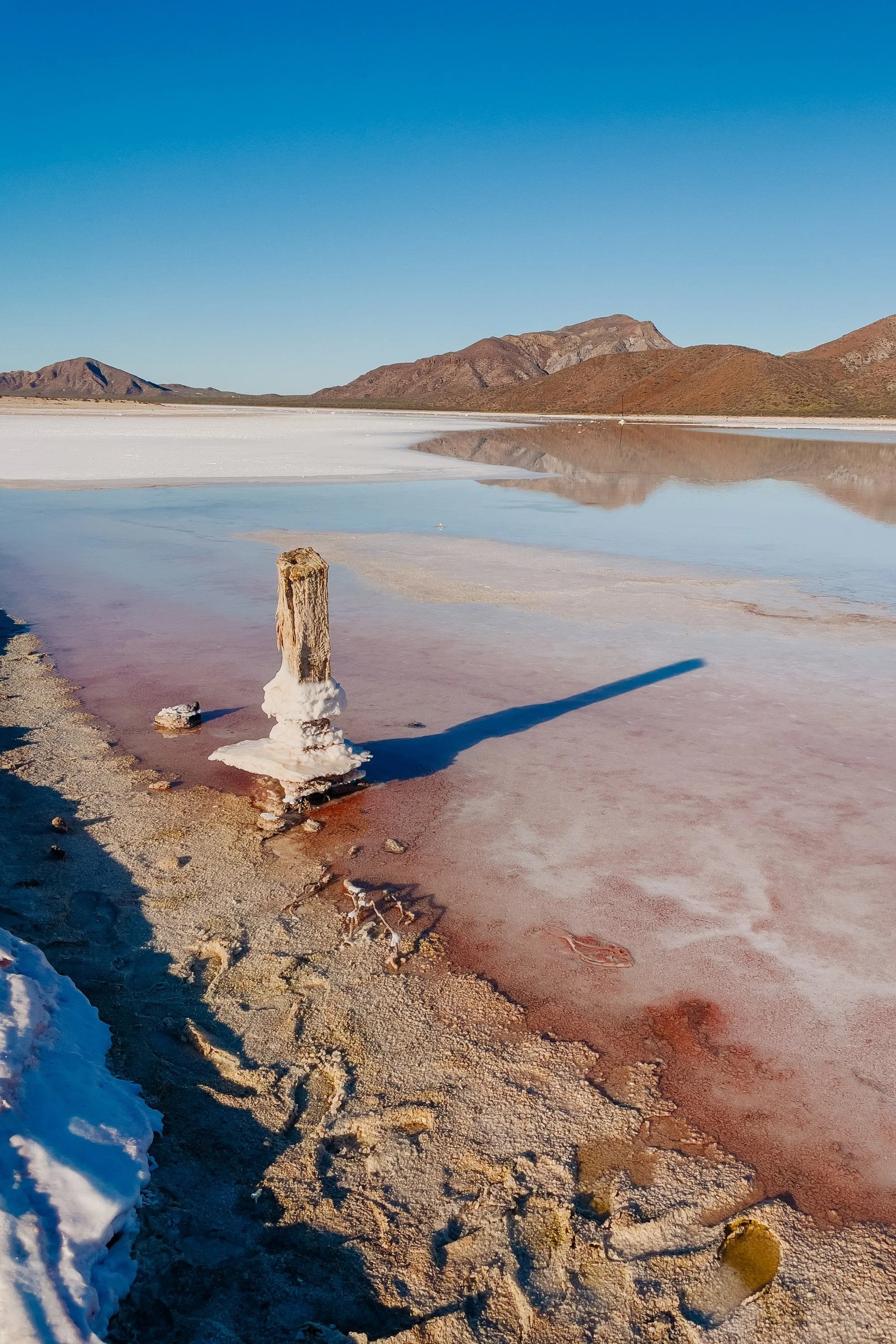
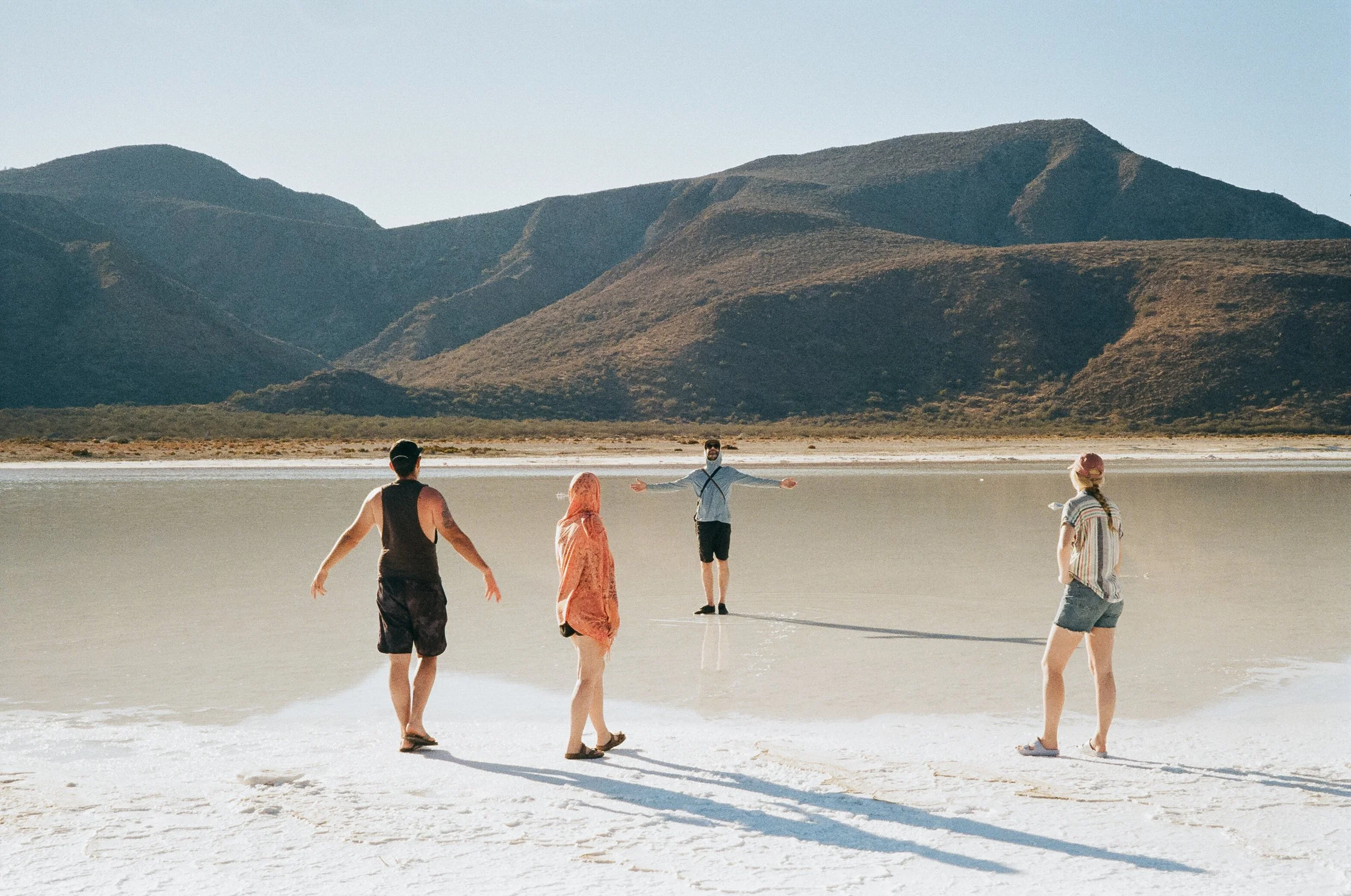
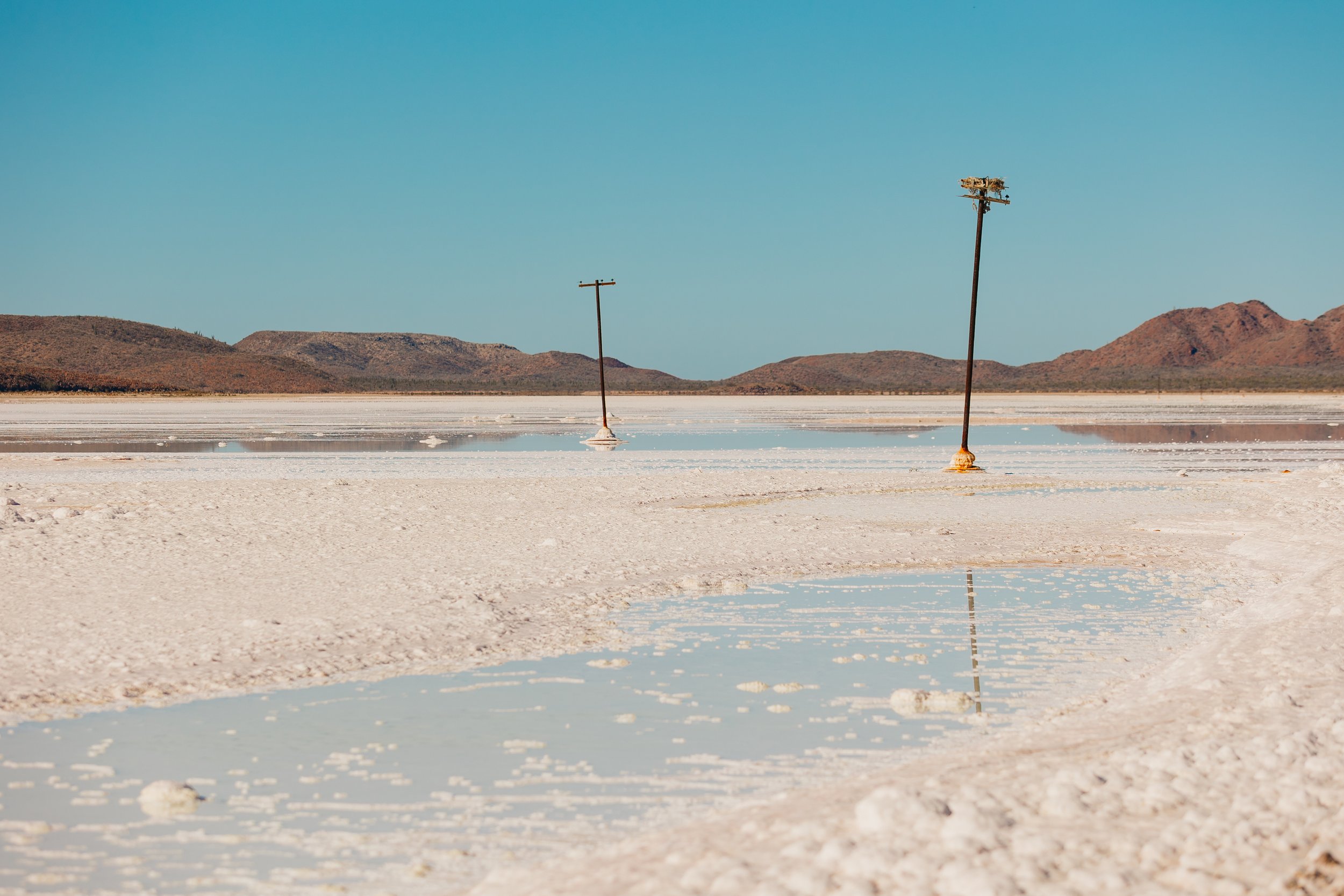
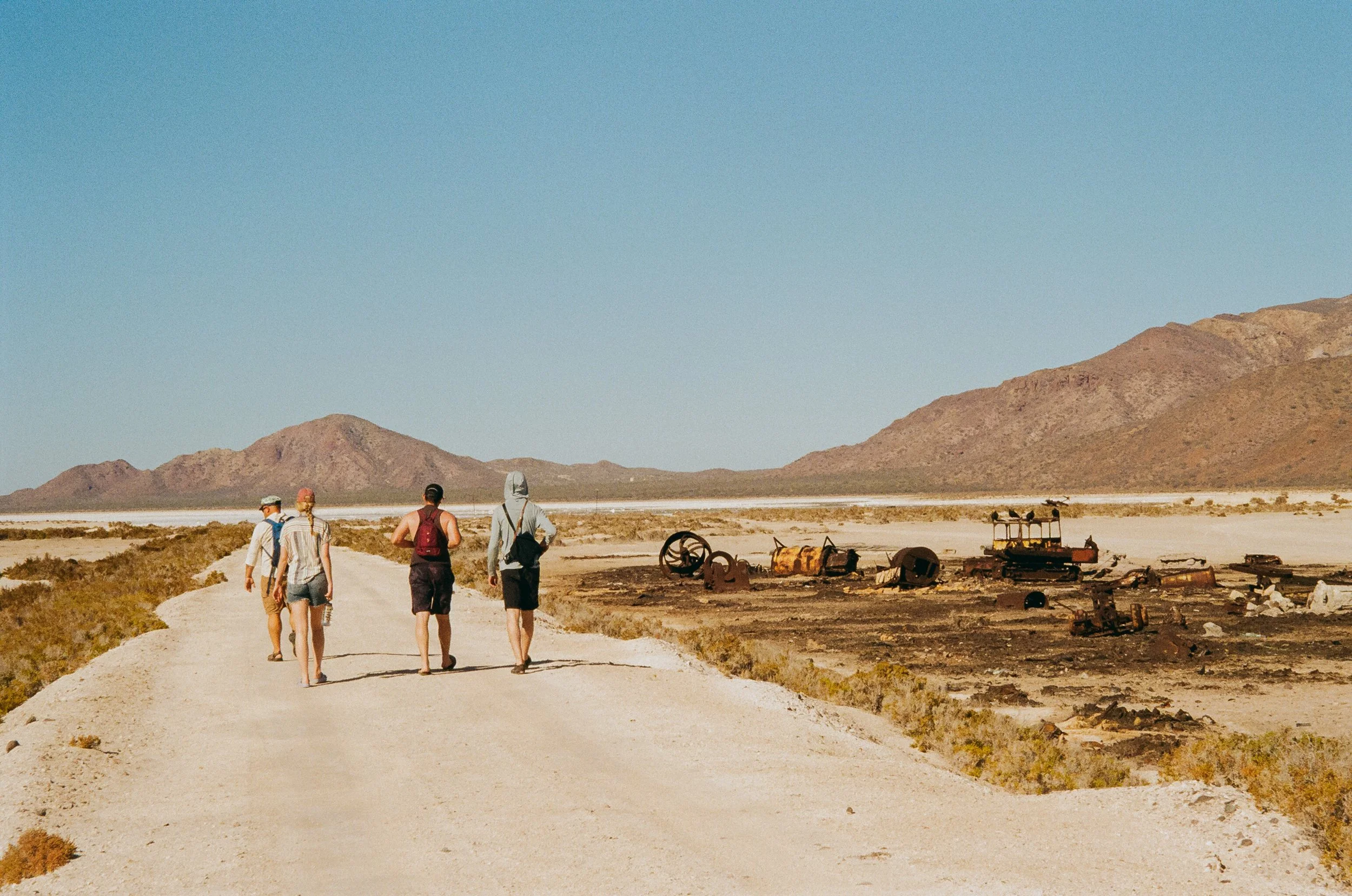
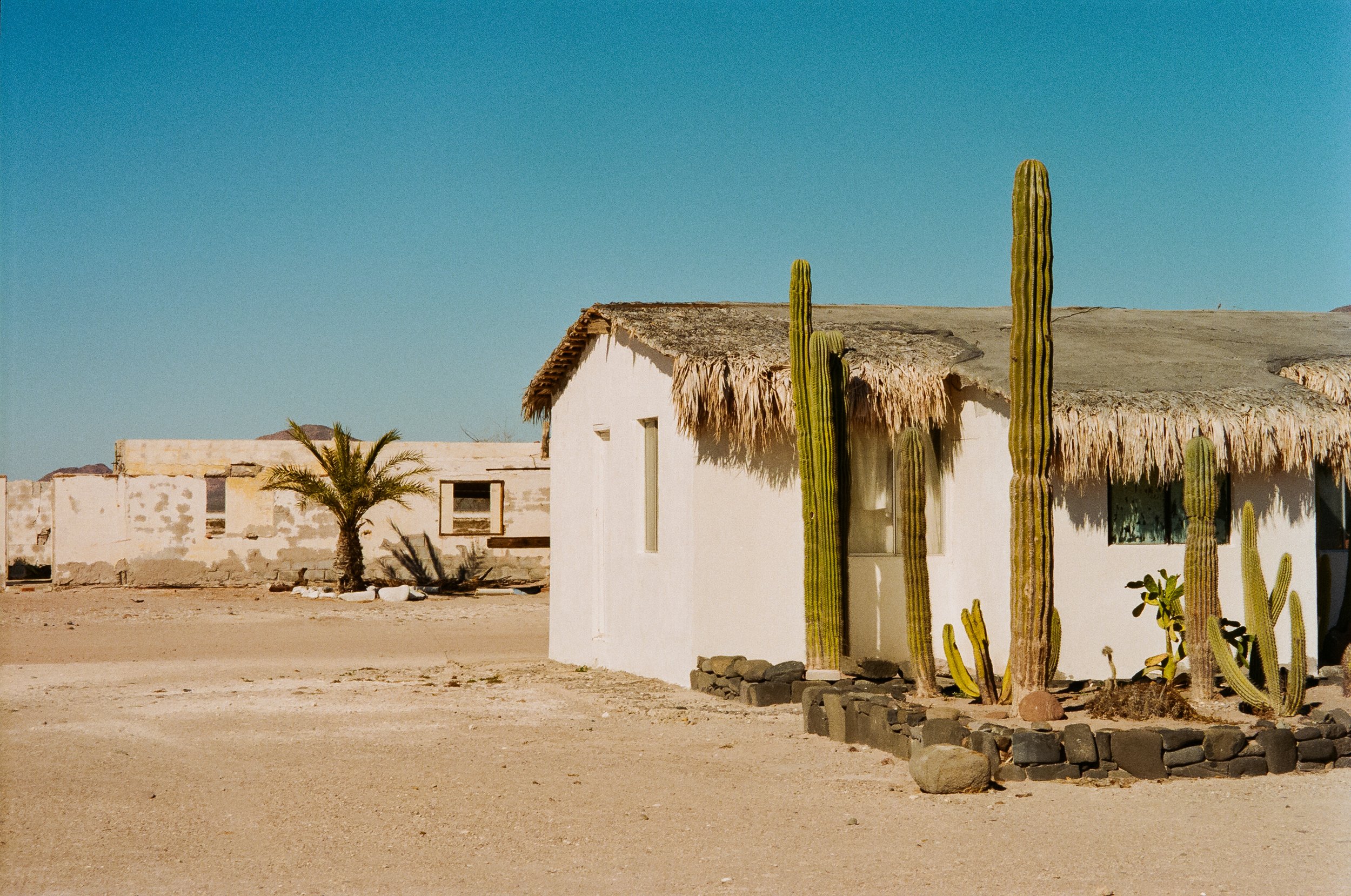
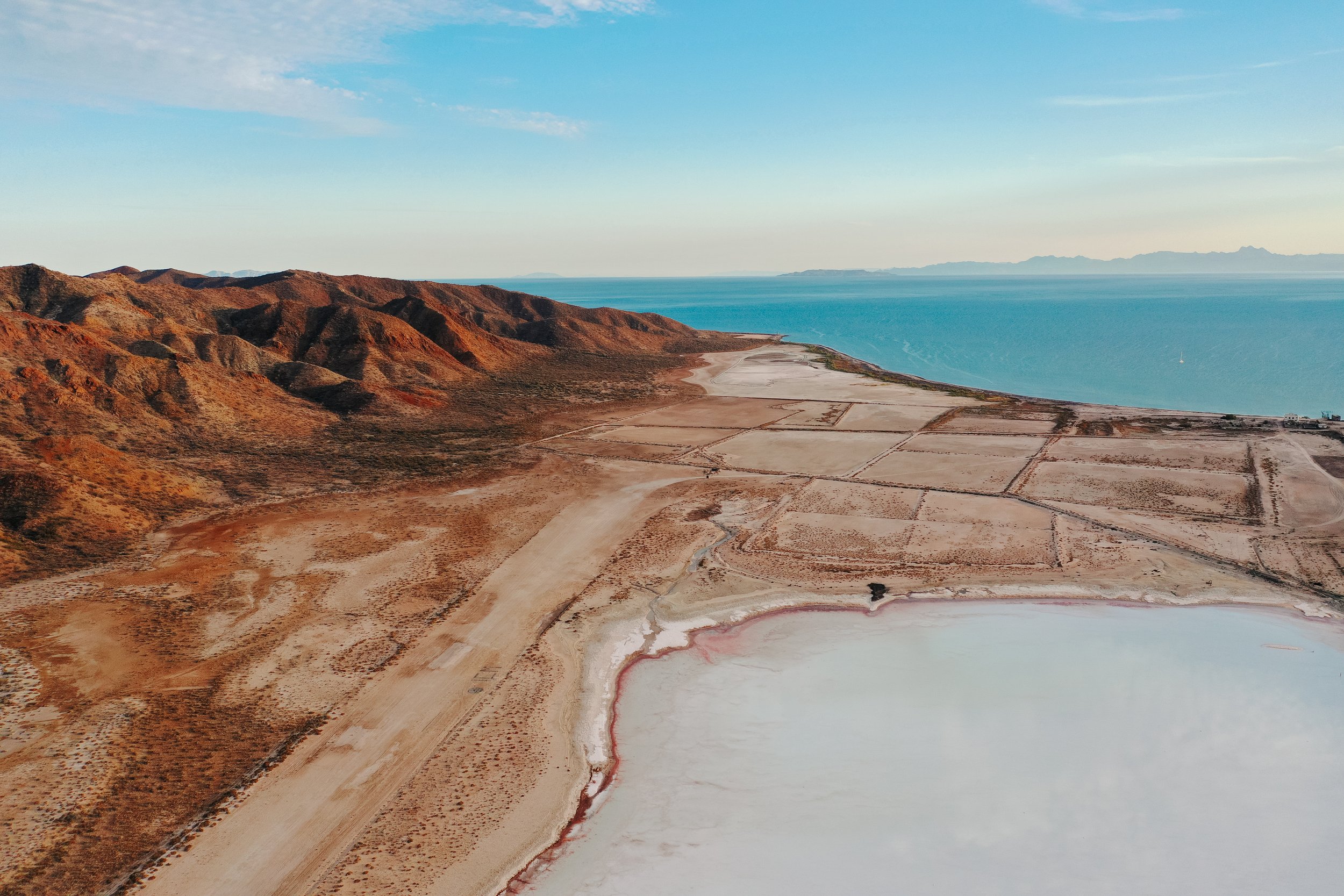
Rounding the northeastern tip of the island, we eventually arrived at Bahía Salinas. There we once again encountered our Alaskan sailboat-rowboat friends. The bay is dominated by a large salt lagoon and the remnants of a once-thriving industrial salt mining operation. During the twentieth century, salt extraction transformed Isla Carmen. Roads were carved into the mountains. Docks, machinery, and housing appeared where previously only desert and cactus existed. An entire company town grew around the industry. When the operation eventually ceased, much of it was abandoned.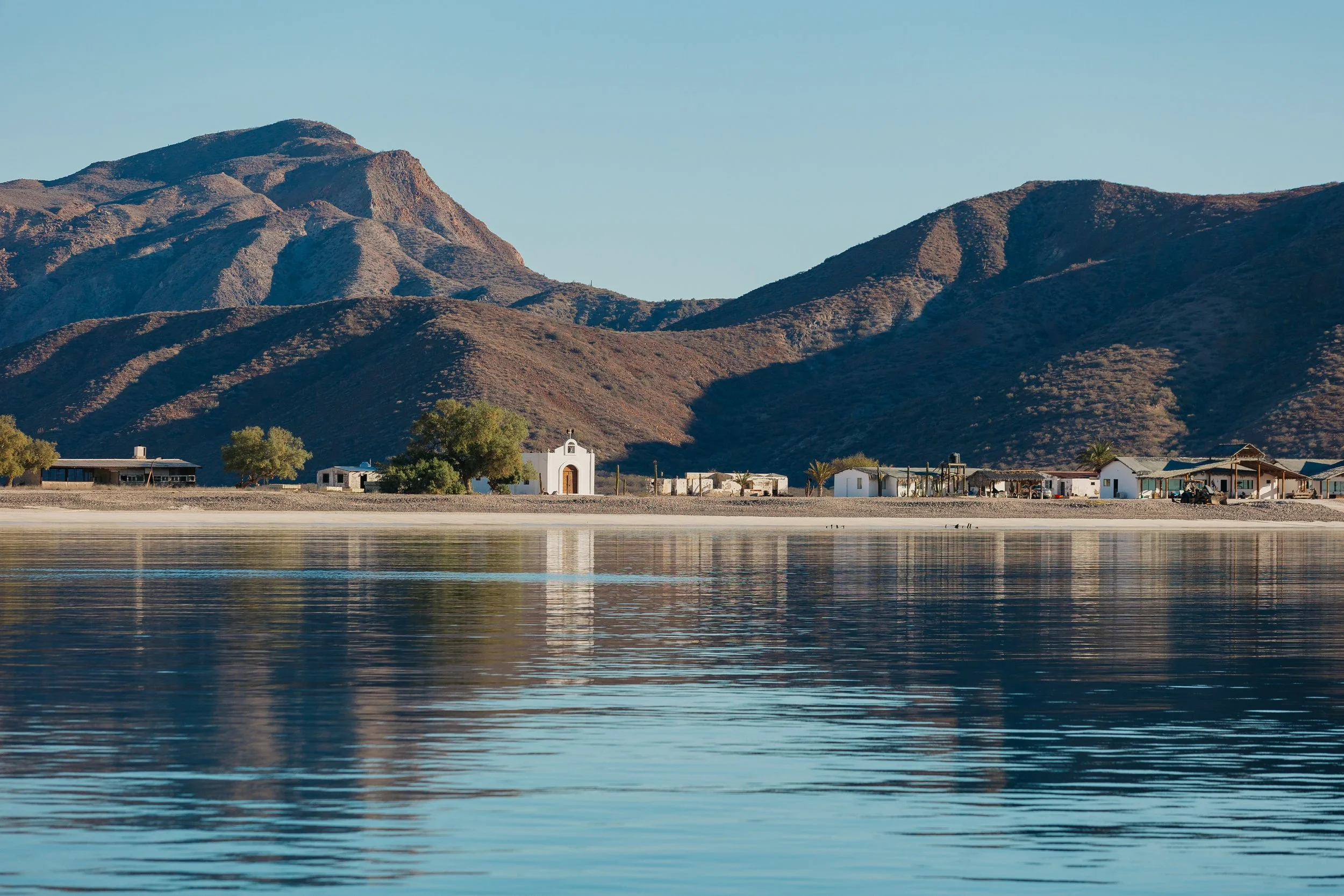
Bahía Salinas, Isla Carmen
Bahía Salinas, Isla Carmen
Bahía Salinas, Isla Carmen
Bahía Salinas, Isla Carmen
Bahía Salinas, Isla Carmen
Today the landscape occupies a fascinating middle ground between ruin and renewal. Old industrial structures stand weathered by sun and salt. Some buildings have found new life as lodges and retreats. Others slowly crumble back into the landscape. Rusting relics remain scattered across the shoreline while cactus and desert scrub steadily reclaim the ground around them. It felt like a place suspended between eras… a reminder that even our most ambitious projects are temporary visitors in landscapes shaped by much older forces.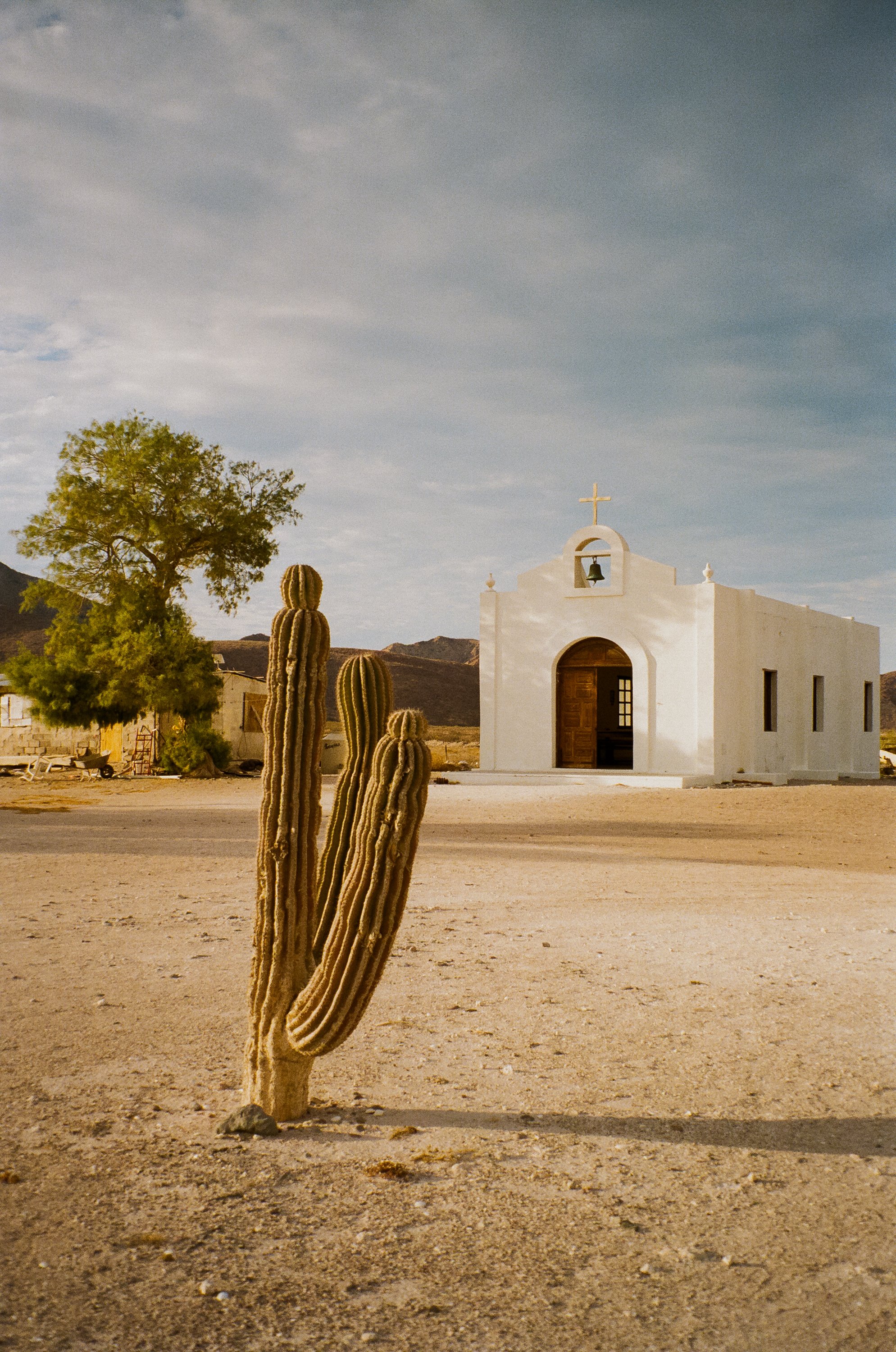
Bahía Salinas, Isla Carmen
Bahía Salinas, Isla Carmen
Bahía Salinas, Isla Carmen
Bahía Salinas, Isla Carmen
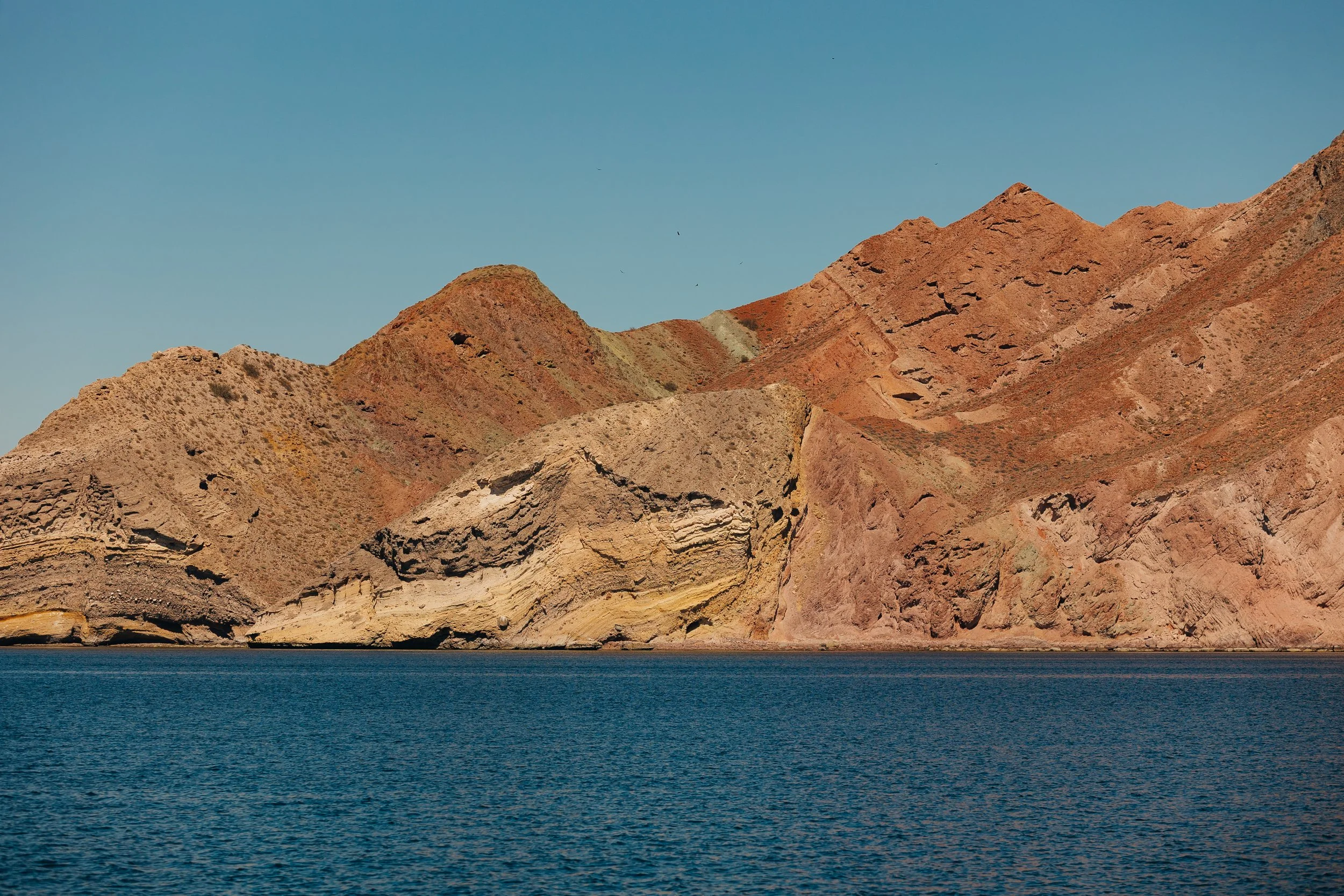
Bahía Salinas, Isla Carmen
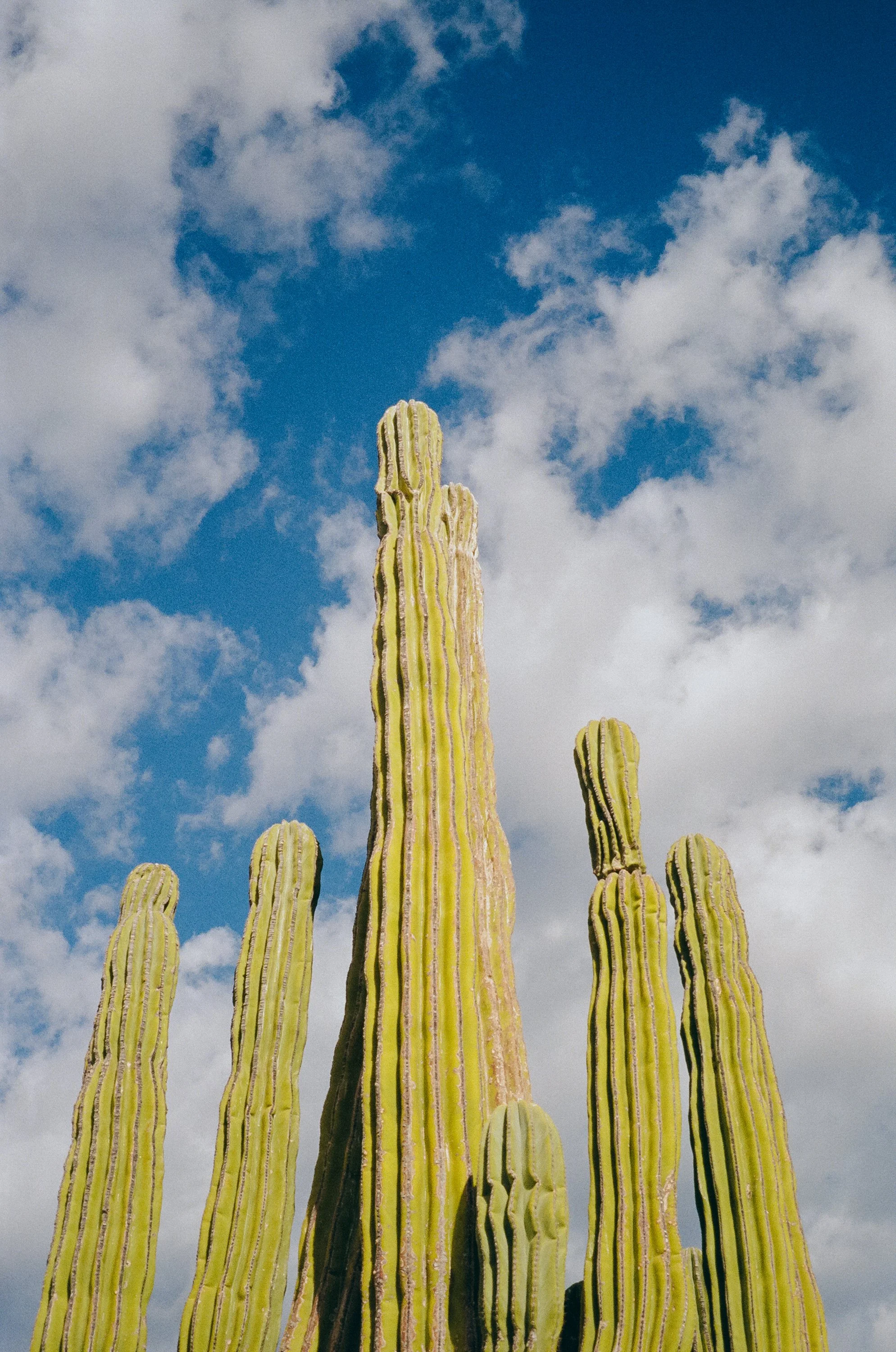
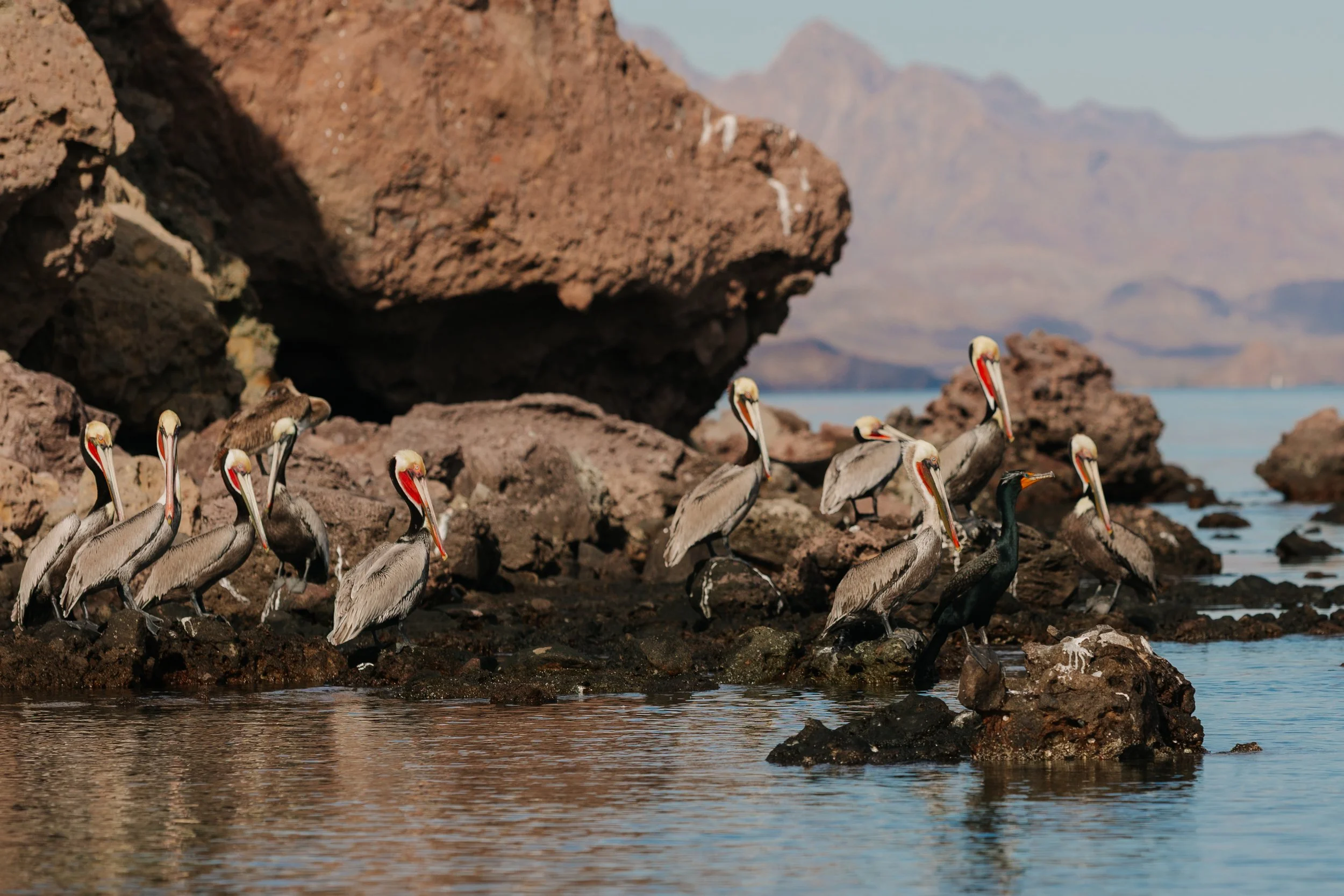
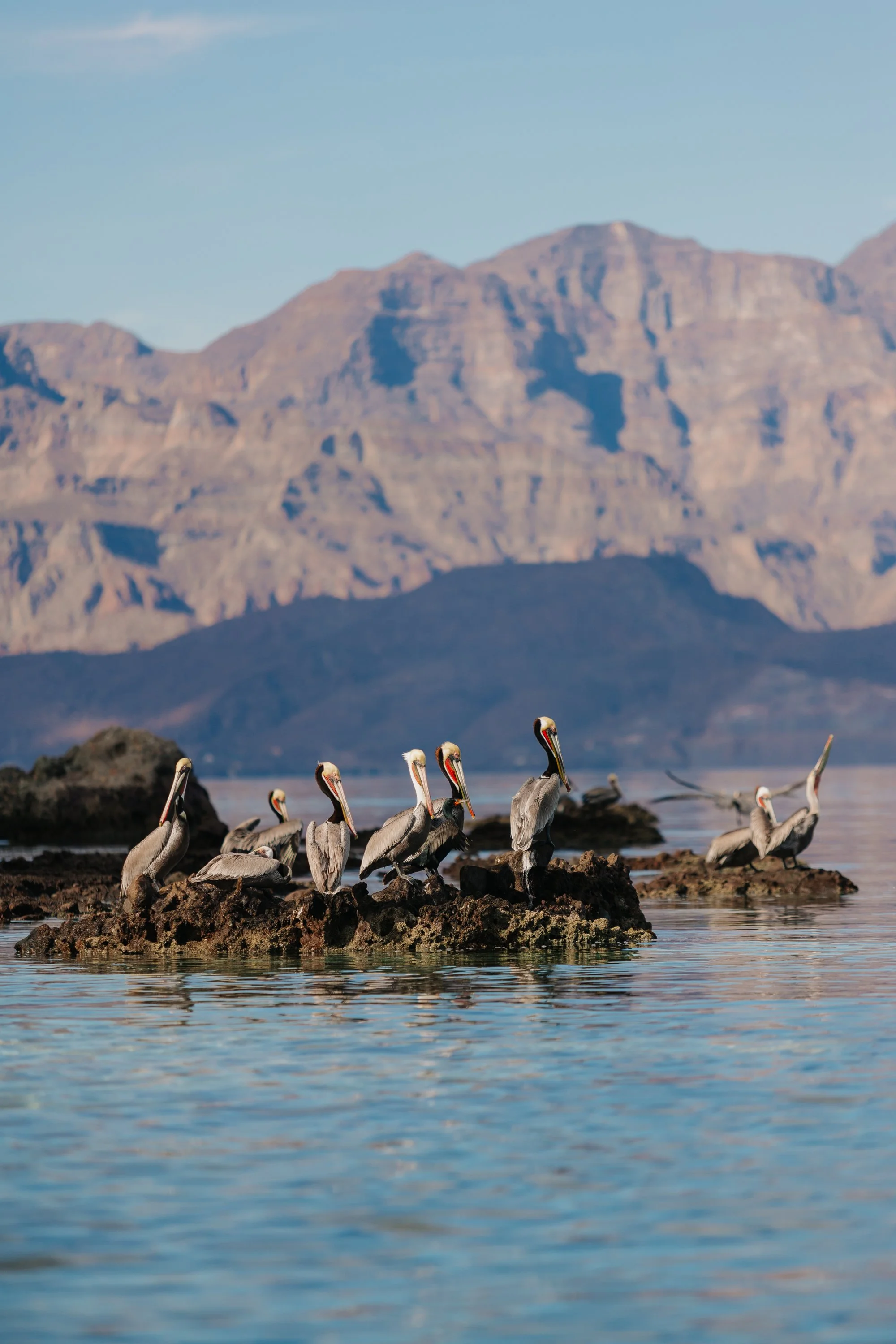
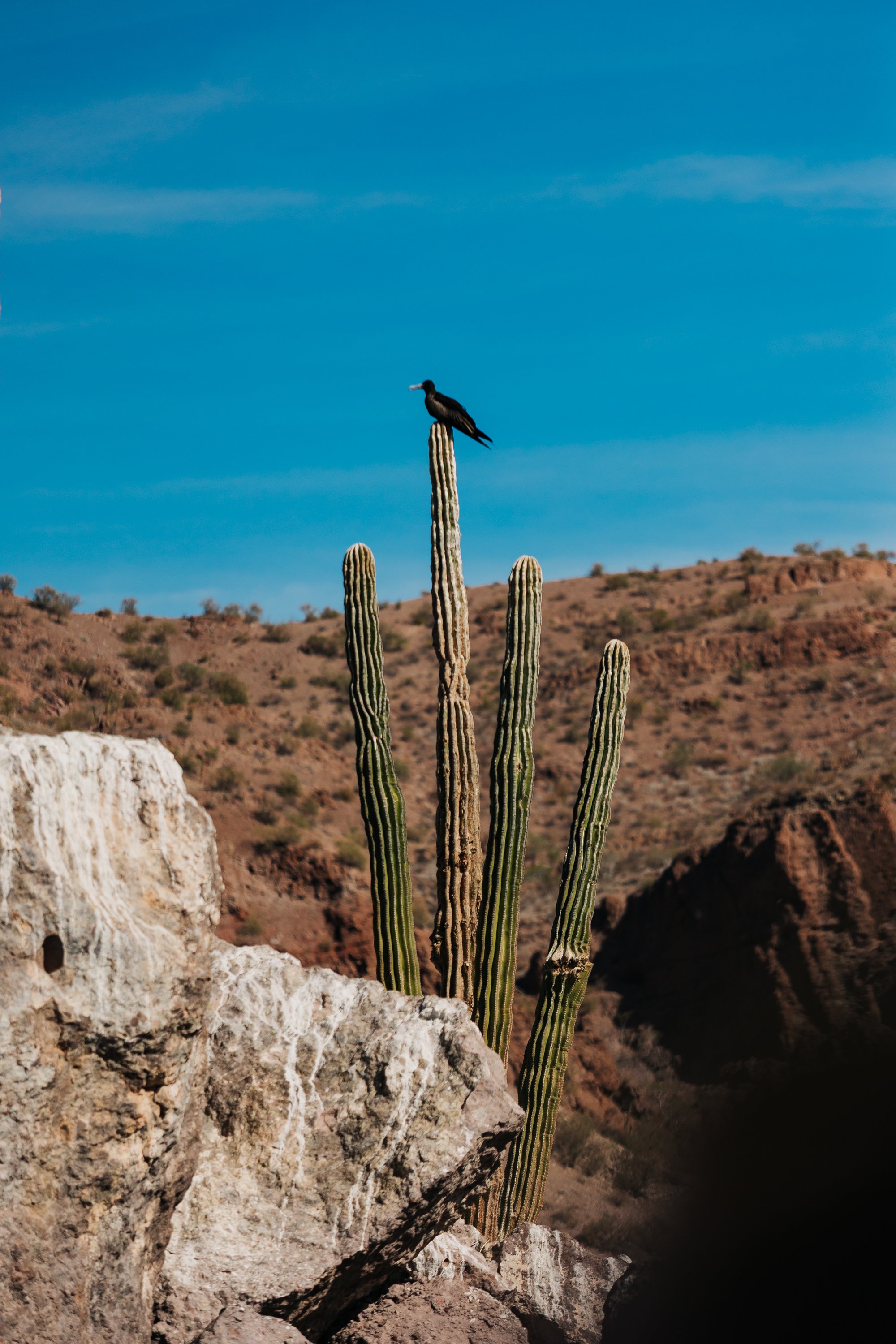
On the other side of the island, Bahia Marquer was yet another uninhabited anchorage that was home to many pelicans, and a walk up the arroyo to some of the largest cactus we had yet seen on our explorations in the area. Farther North, Bahía Balandra offered one final spectacular anchorage. A steep hike led to panoramic views of Loreto, the surrounding islands, and the mainland mountains beyond. Giant cardón cactus emerged improbably from cracks in solid rock. Along a nearby arroyo we discovered caves hidden among the cliffs and spotted desert bighorn sheep moving effortlessly through terrain that seemed nearly vertical.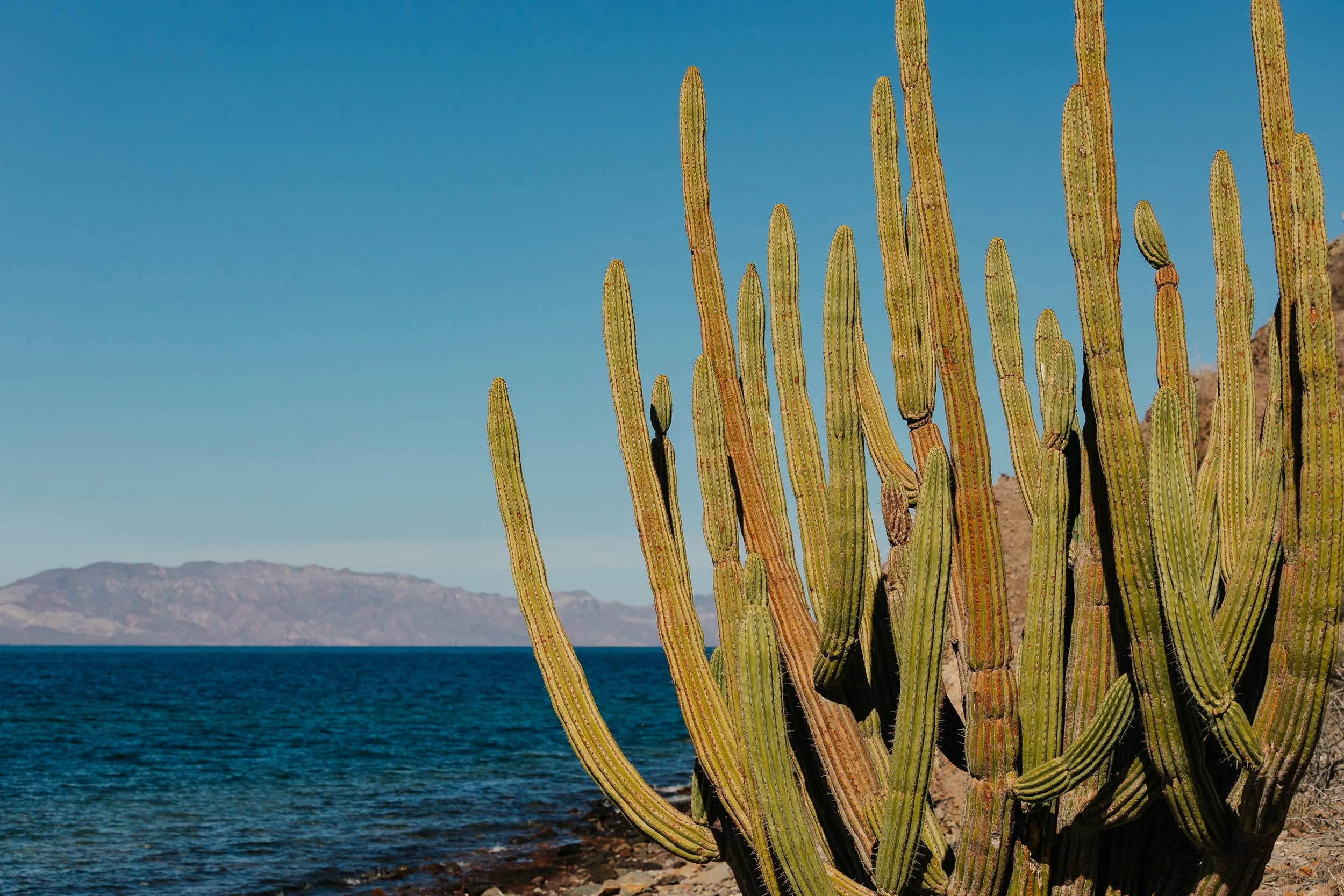
Bahía Balandra, Isla Carmen
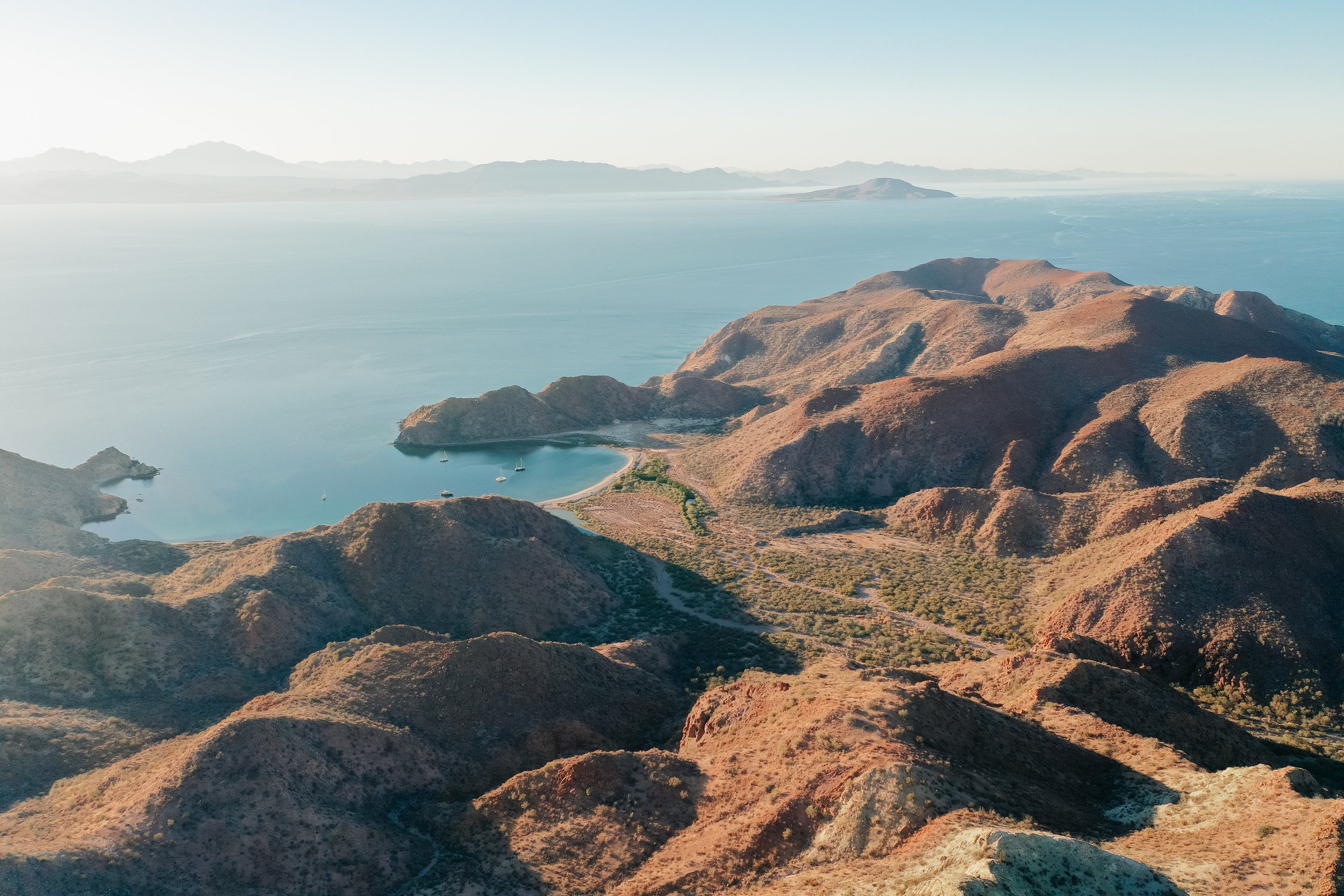
Bahía Balandra, Isla Carmen
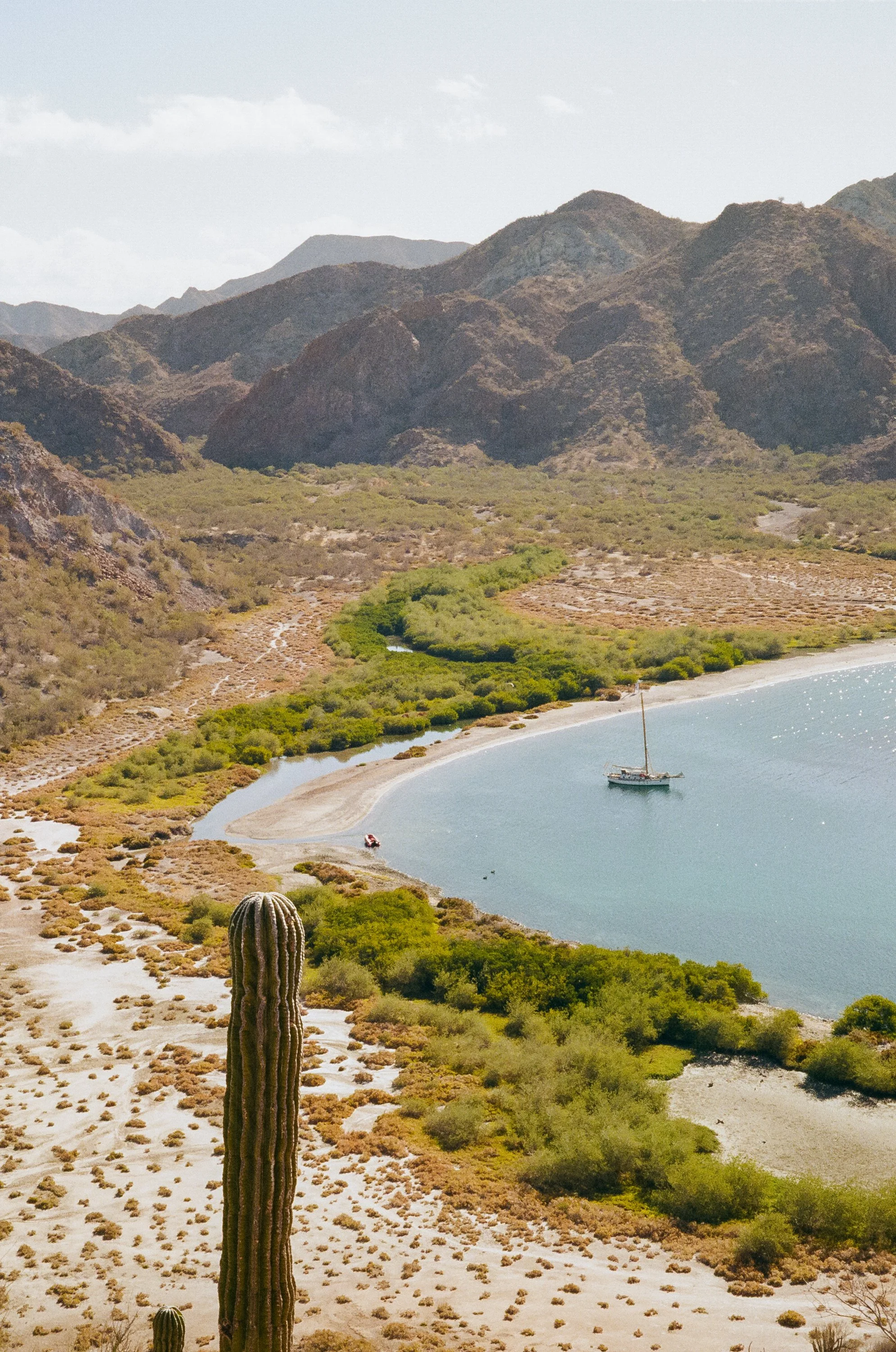
Bahía Balandra, Isla Carmen
Bahía Balandra, Isla Carmen
Bahía Balandra, Isla Carmen
Bahía Balandra, Isla Carmen
Bahía Balandra, Isla Carmen
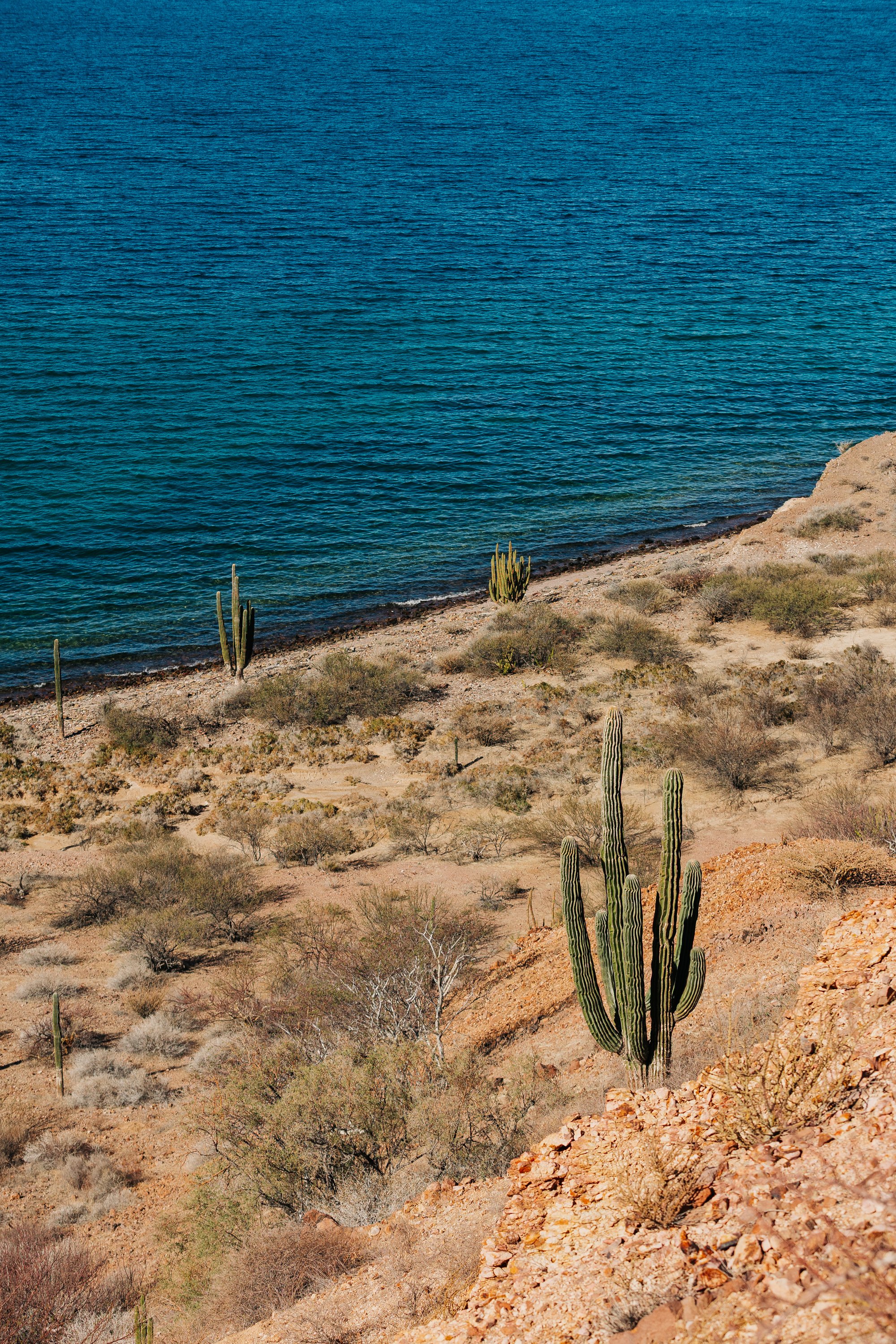
Bahía Balandra, Isla Carmen
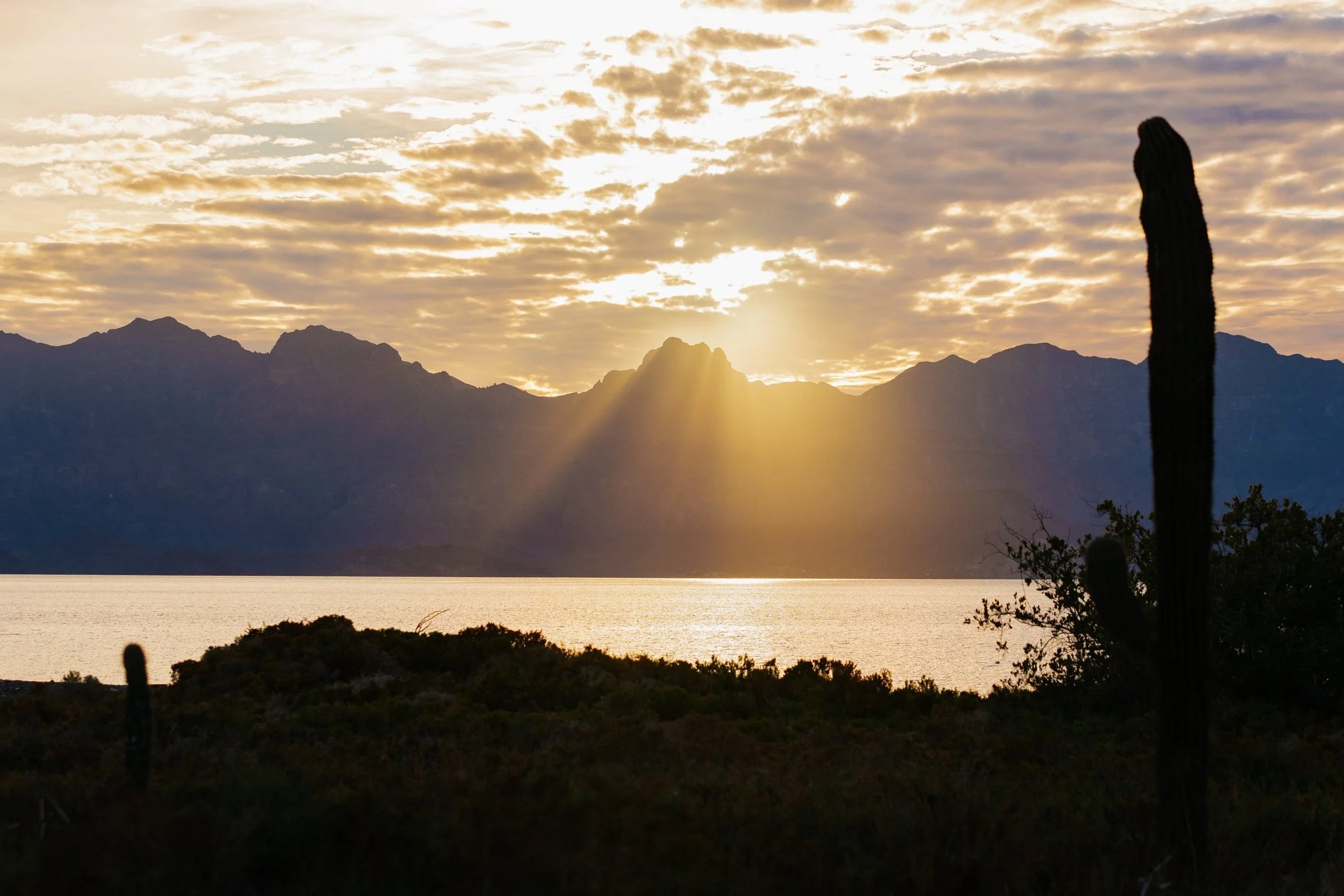
Bahía Balandra, Isla Carmen
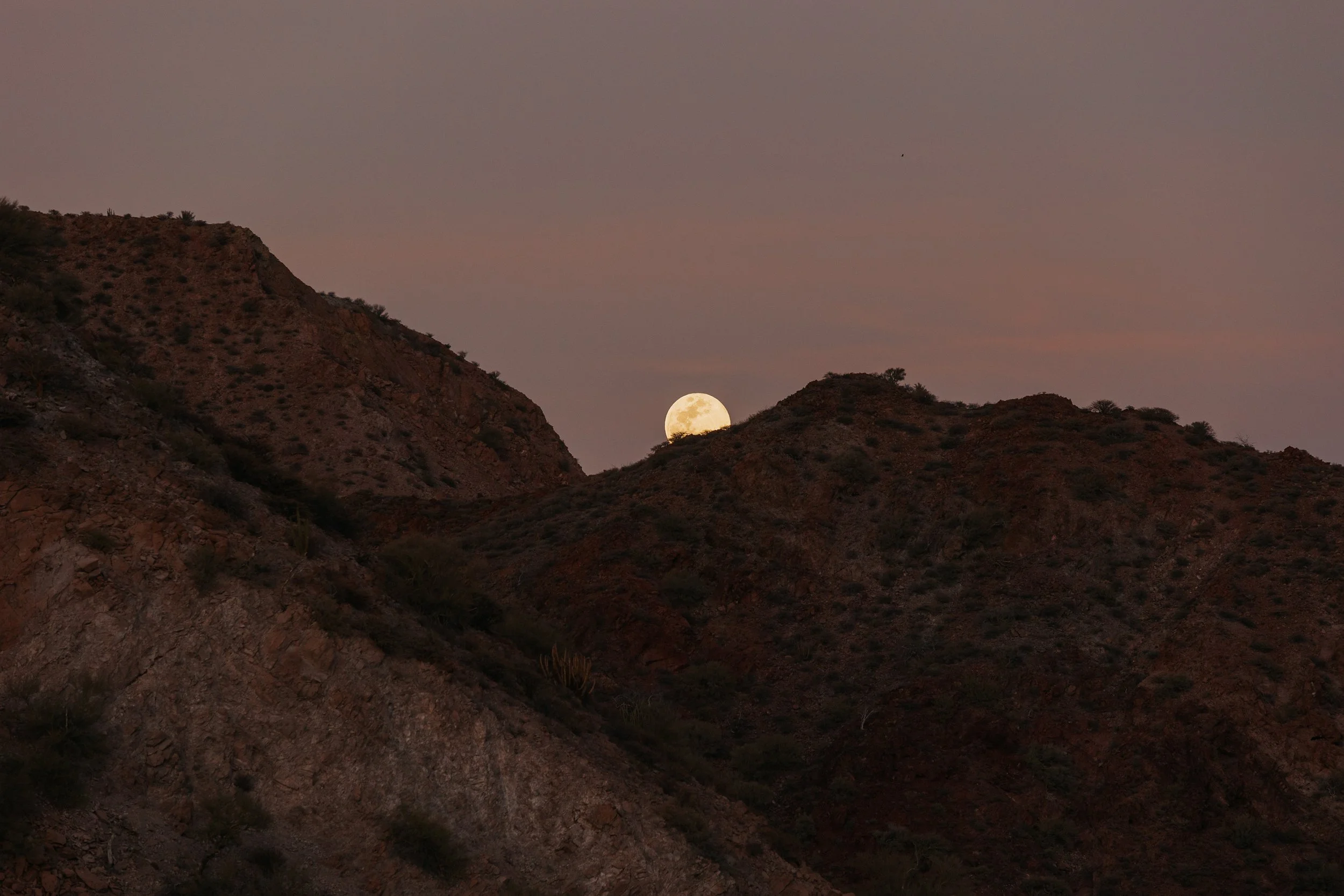
Bahía Balandra, Isla Carmen
LOOKING WEST
Eventually, it was time to turn south. We revisited favorite anchorages, returned to familiar beaches, and stopped once more at the salt flats of San José Island. Armed with tequila and fresh salt gathered from the shore, we toasted the landscapes that had captivated us for months on end.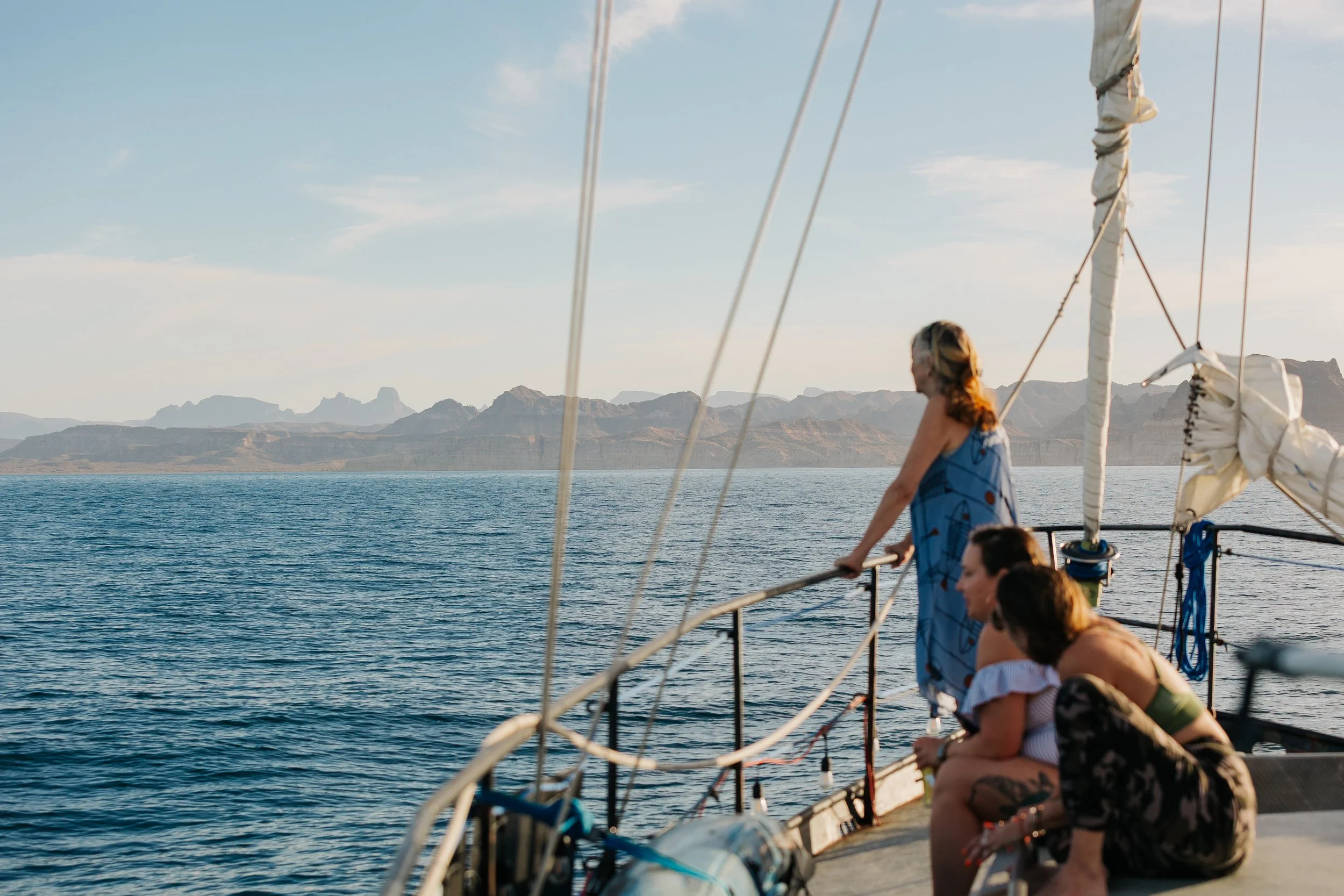
Sailing south towards La Paz
Sailing south towards La Paz
Yet another horizon was already calling. The Pacific crossing loomed ahead: three thousand miles of open ocean and nearly three weeks at sea. As we completed repairs, tested systems, and filled every available locker with provisions, we found ourselves thinking about migration. The humpback whales that travel between Alaska and Baja each year. The blue whales gathering around Loreto. The seabirds crossing entire oceans guided by instinct alone.Soon, we too would join the migrations. The Sea of Cortez had been our classroom, our refuge, and our proving ground. Ahead lay the largest stretch of open water we had ever attempted.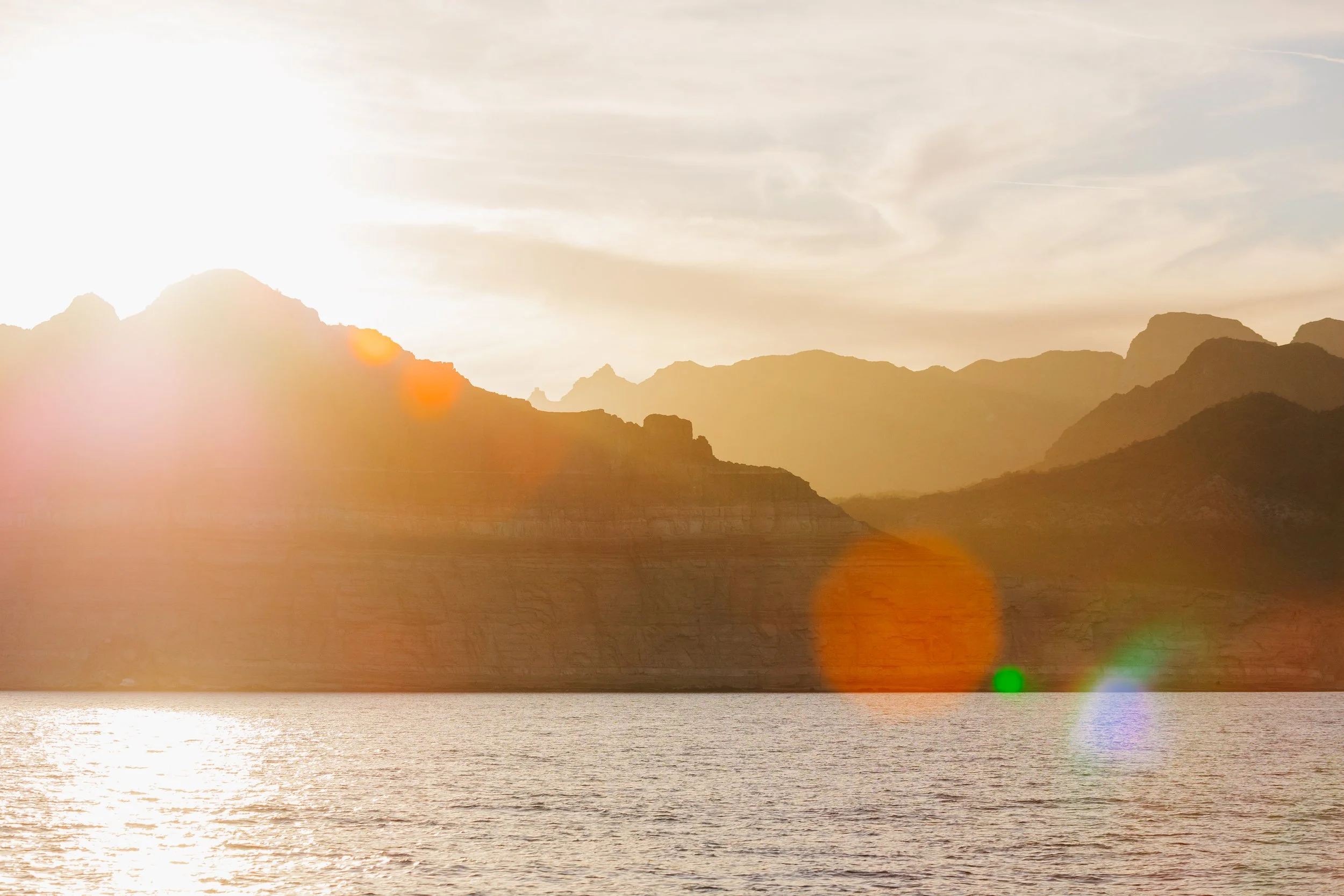
Sailing south towards La Paz
Sailing south towards La Paz
Sailing south towards La Paz
Blue Whales, Sailing south towards La Paz
Adventures, Words & Photos by Lerina Winter & Captain Louis Hoock
Originally Published: June 28th, 2026
See Where S/V Arcturus is now on No Foreign Land:


The Sea of Cortez was uncharted water for both of us, a new chapter in a journey already unfolding like a weathered map. Day by day, this coast drew us deeper into its spell. The rhythm of the tides, the stillness of its sheltered bays, the desert mountains standing watch above the sea like ancient sentinels; everything felt both foreign and strangely familiar. Baja quickly became one of those places that settles beneath your skin. The farther north we traveled, the more we found ourselves captivated by the contrasts.