
Where the Highway Meets the Horizon: Roadtripping & Sailing West Coast USA
How a winter road trip became The prologue to a southbound coastal passage
Before delving into writing about our transit down the coast with Arcturus, I realized how much of the coastline we would sail down, past, and through mirrored the road trip we’d taken just eight months earlier — driving my car from Santa Barbara to Bellingham with a trailer in tow, shuttling my earthly belongings north to Alaska before beginning this sea-faring chapter. It was a kind of accidental prologue, a chance to know the coast from the landward side before meeting it by sea.To follow the natural arc of a sailor, this story unfolds north to south, even though the road trip ran the opposite direction. One path prepared us for the other, two threads crossing the same rugged edge of the continent.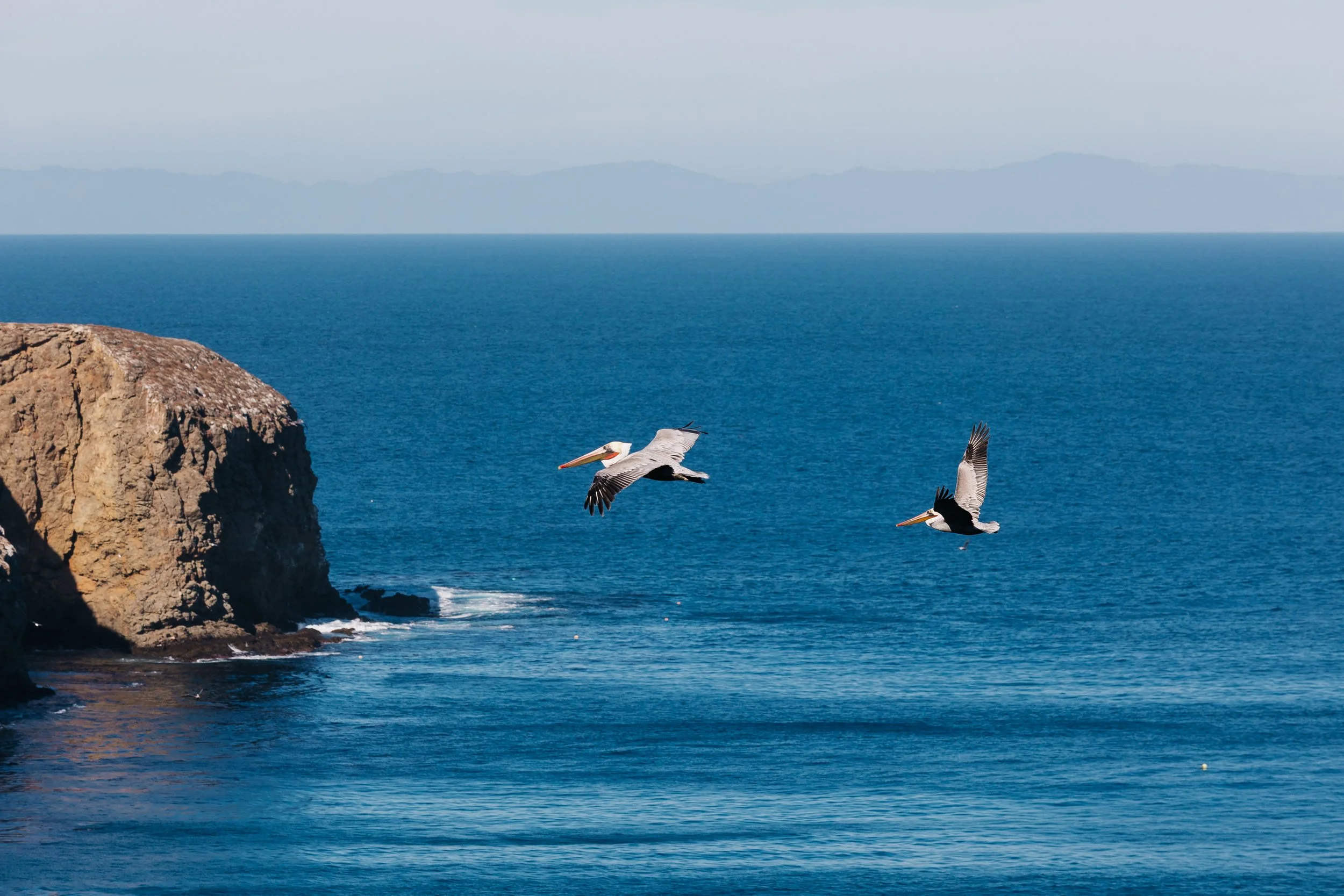
Pelicans at Santa Barbara Island
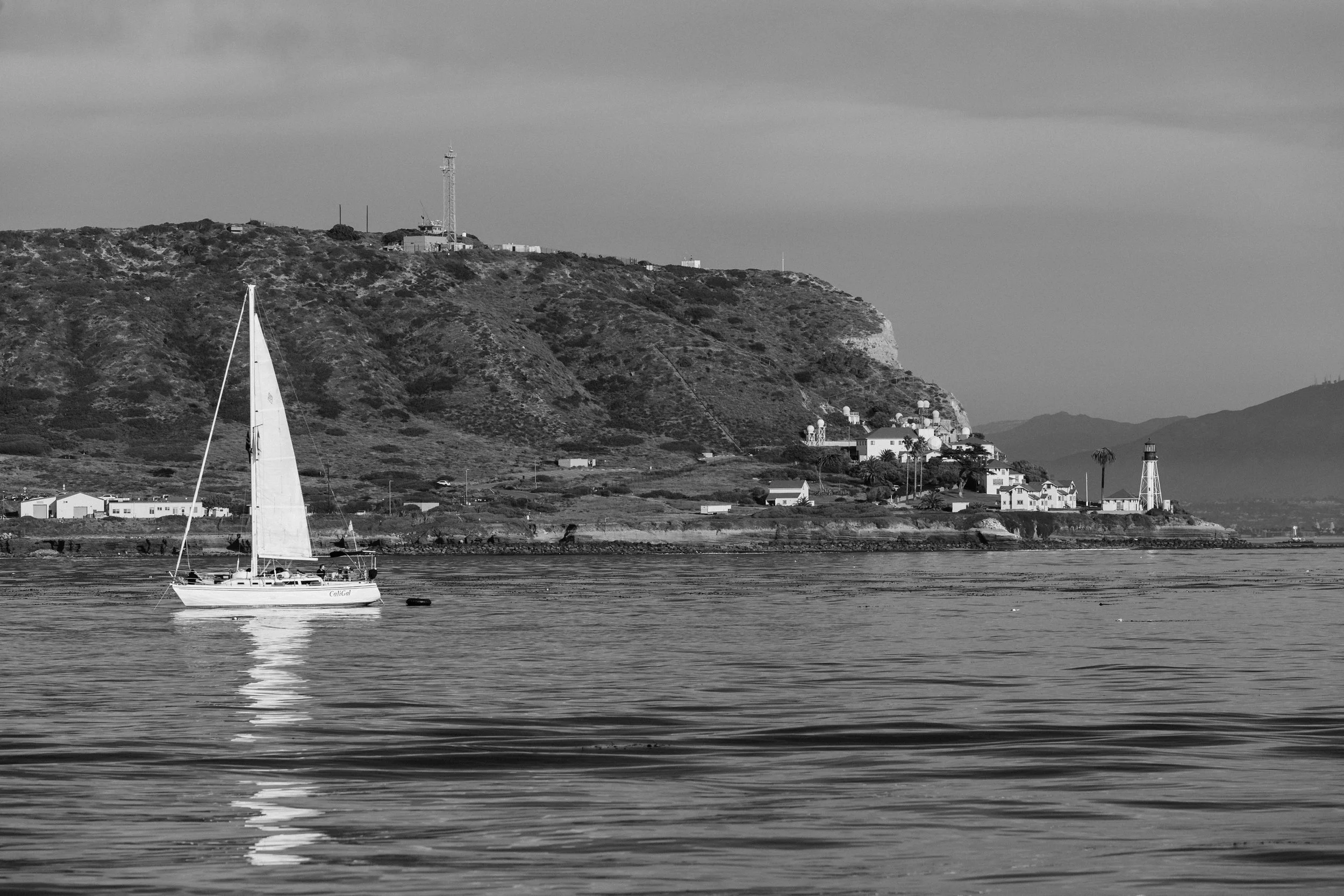
Sailing into San Diego Bay
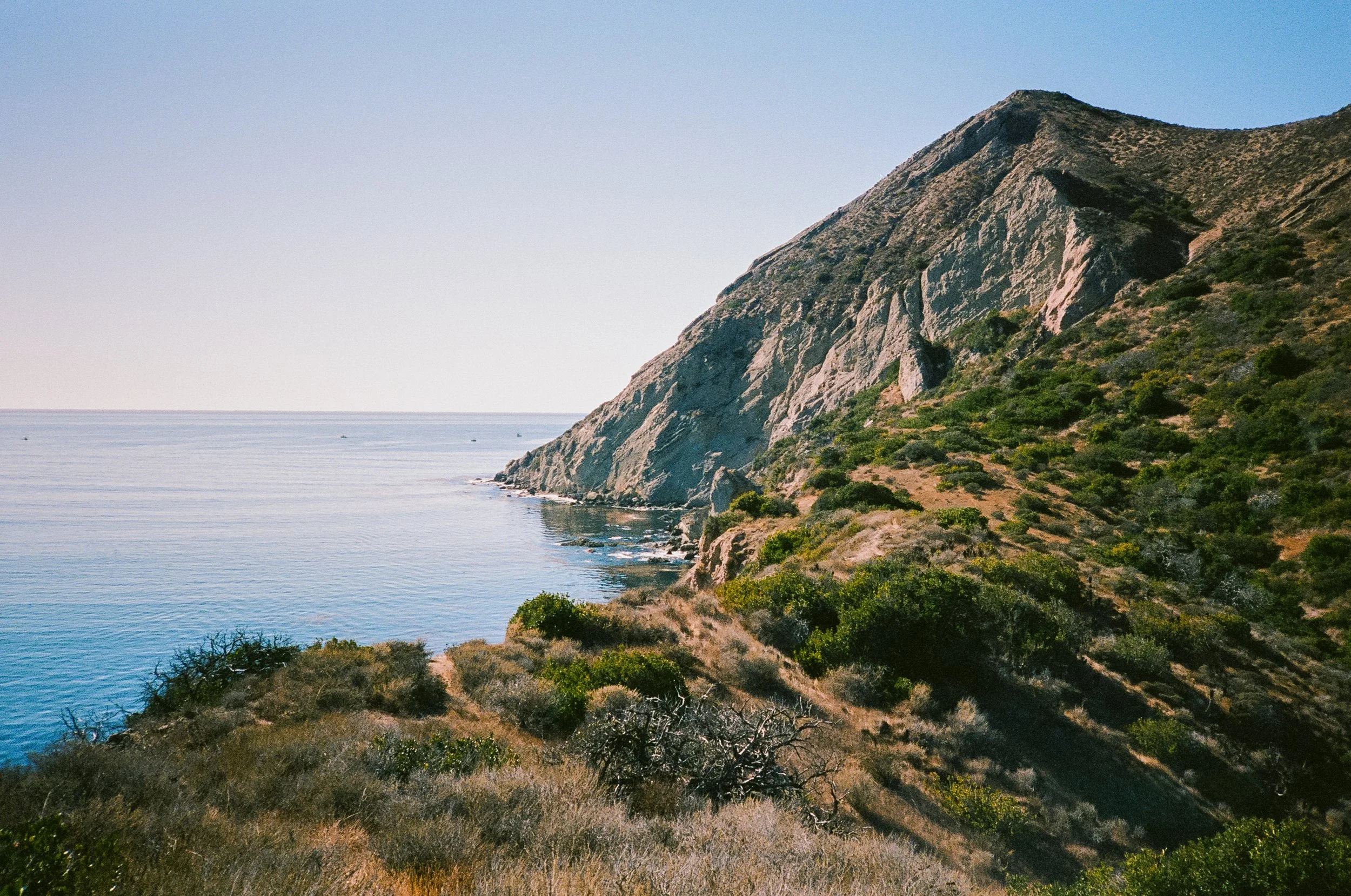
South side of Santa Cruz Island
The West Coast is a place of bold headlands and long stretches of open exposure. Protected anchorages are sparse, and river-bar harbors add a pulse of tension to every entrance — shallow, shifting thresholds where waves stack and moods can turn quickly. It’s a coastline day sailors adore, evening cocktails awaiting them back at their home harbor’s local yacht club. But for a vessel voyaging long distances, it is a passageway that is beautiful, dramatic, and demanding respect.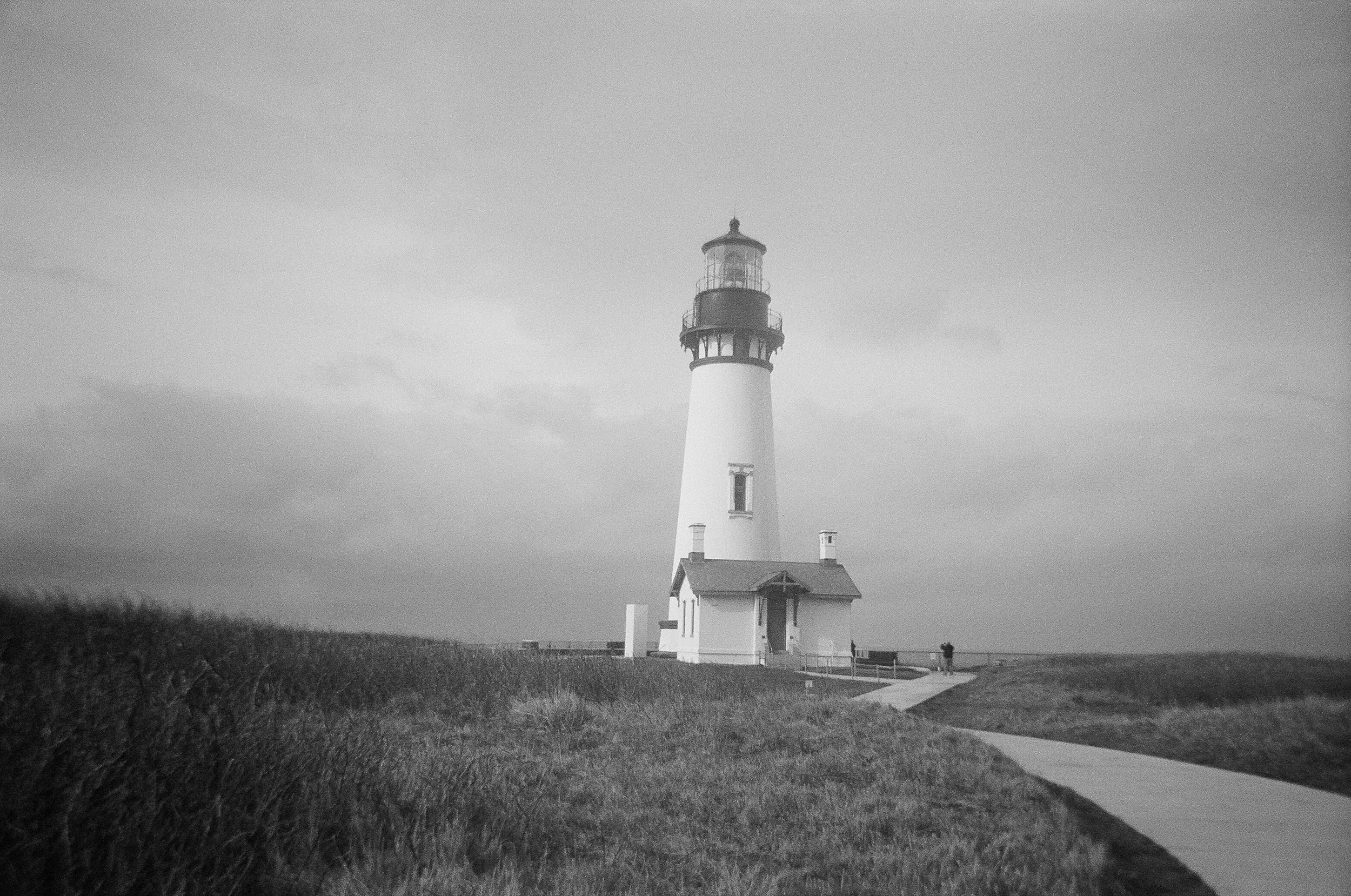
WASHINGTON
Bellingham → Anacortes & the San Juan Islands
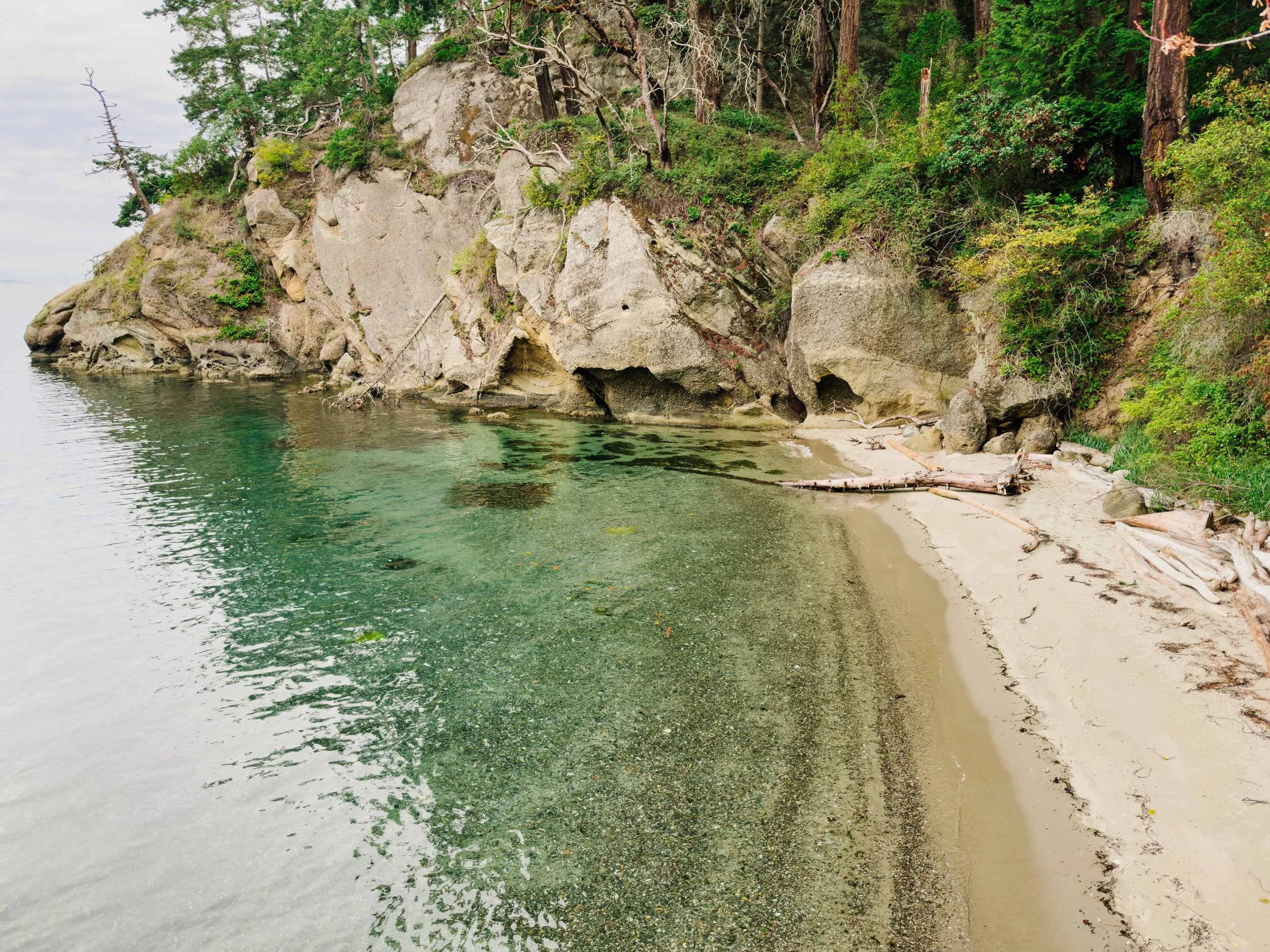
We had initially expected Bellingham to be a more boat-forward place and the ideal place to leave the boat for a week or so during our travels, as it is one of the final jumping-off points before Canada, the terminus of the Alaska State Ferry — but it wasn’t quite as we imagined. Many weekend cruisers from Seattle have had a reputation of leaving their boats there as they fly back to the city, and as such Bellingham's harbor, Squalicum Harbor, doubles moorage on boats left more than 72 hours. So we continued on, and left the boat in Port of Anacortes at Cap Sante Marina before we returned to weave down into the San Juan Islands. Louie’s favorite of the San Juan Islands is Matia,“It’s a tiny island,” he often says when describing it, “with lush old-growth forest on one side and a dry oak madrone forest on the other — just a stone’s throw apart.” The Washington State Parks have an excellent system of buying their Annual Moorage Permit for $7/foot of overall length of the vessel, which allows you to use any of the moorings in the San Juan Islands that are owned by them. Our favorite islands that we visited include Sucia, Jones, James, and Cypress Island. The San Juans hold an astonishing diversity within such a compact archipelago — ecological, geological, and biological contrasts unfolding island by island, all surrounded by clear, emerald-tinged waters.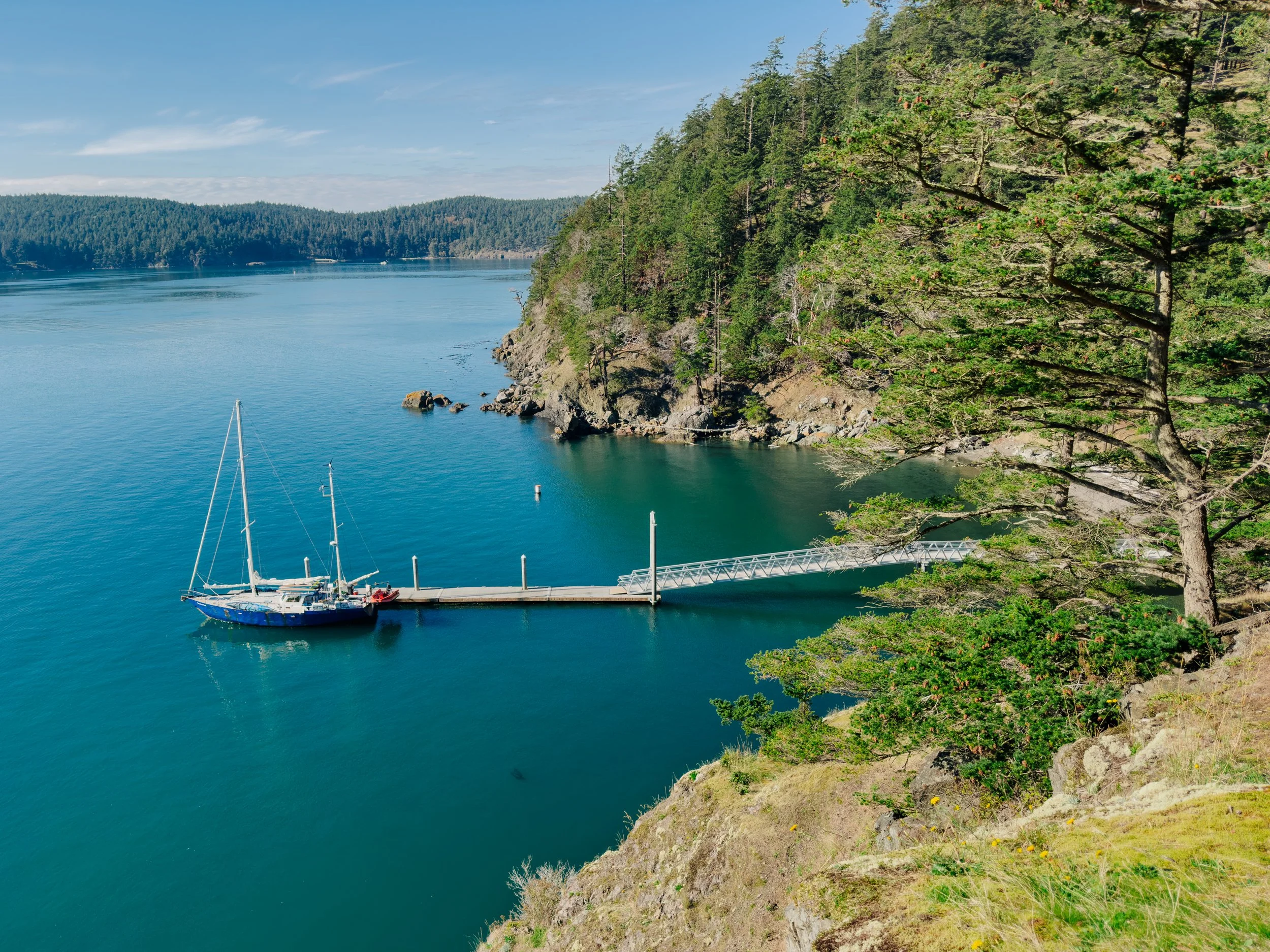
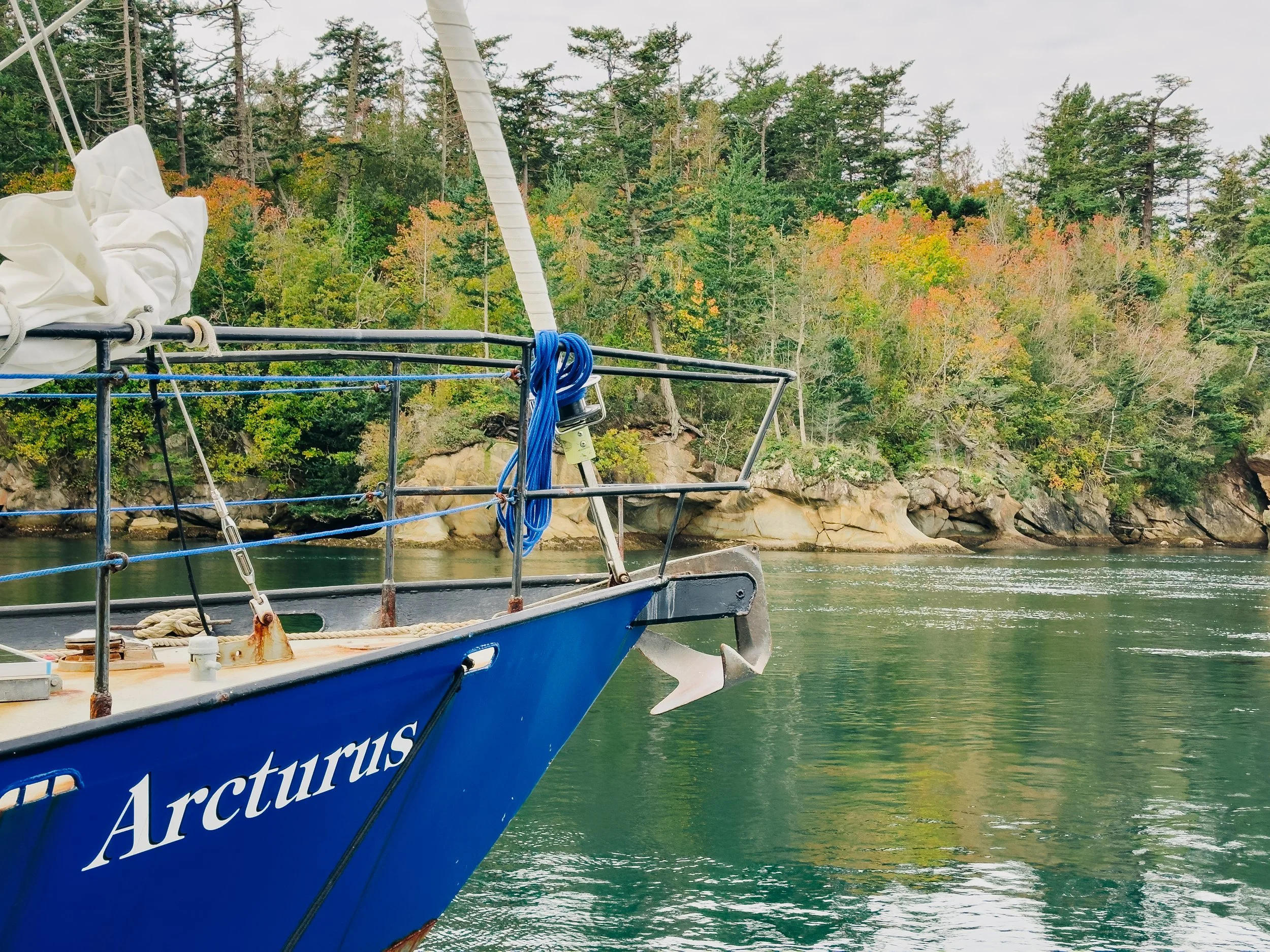
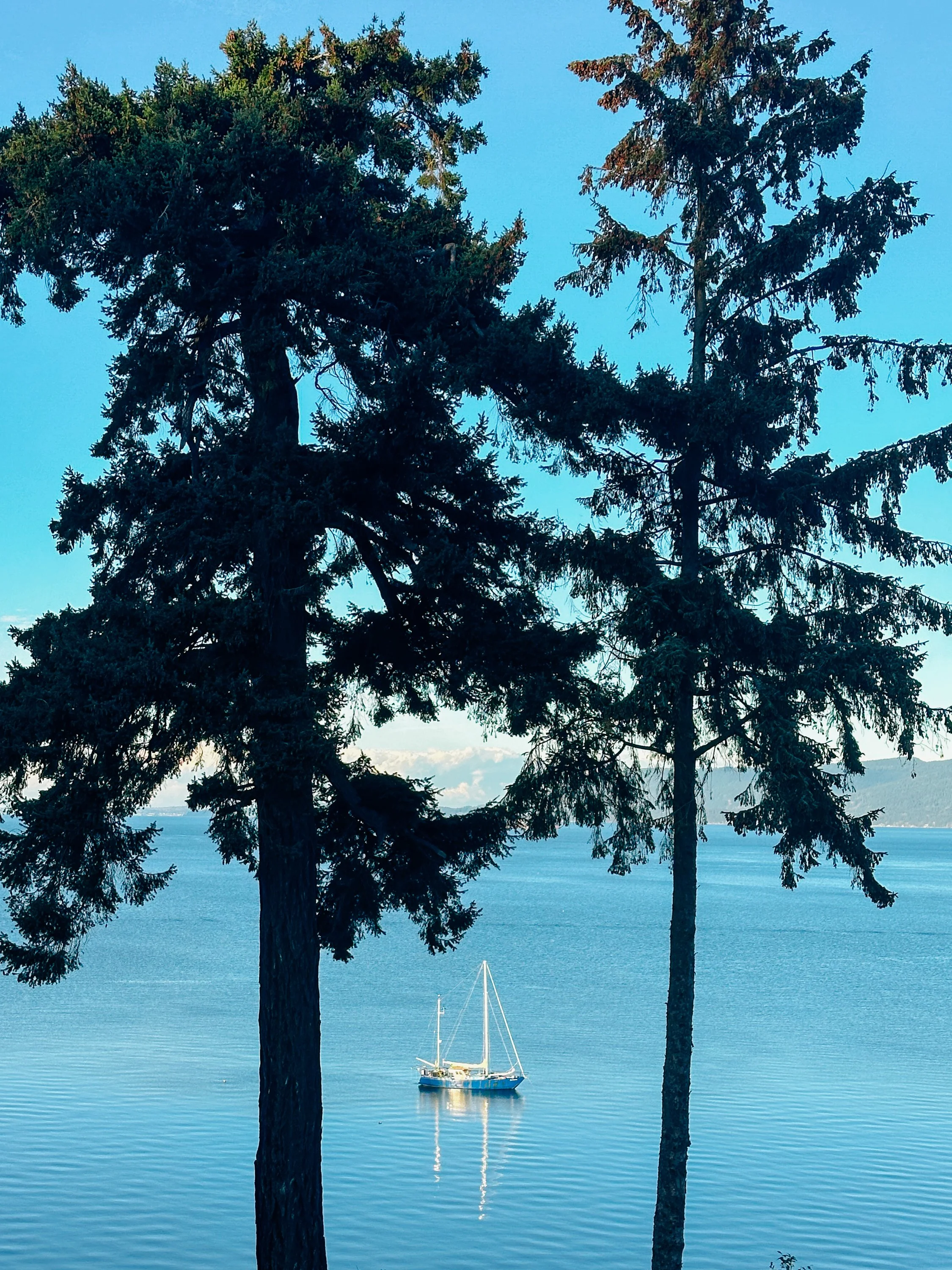
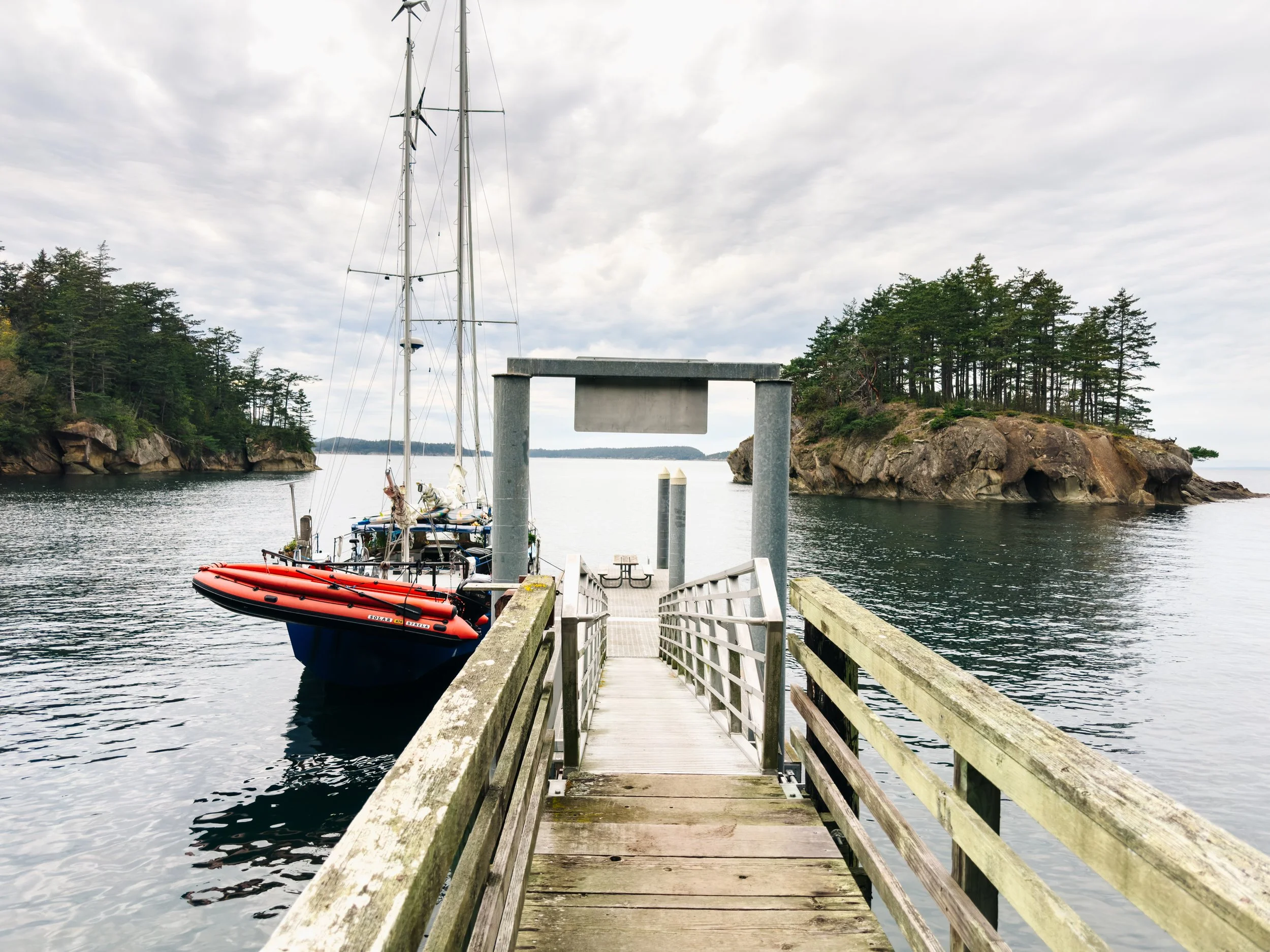
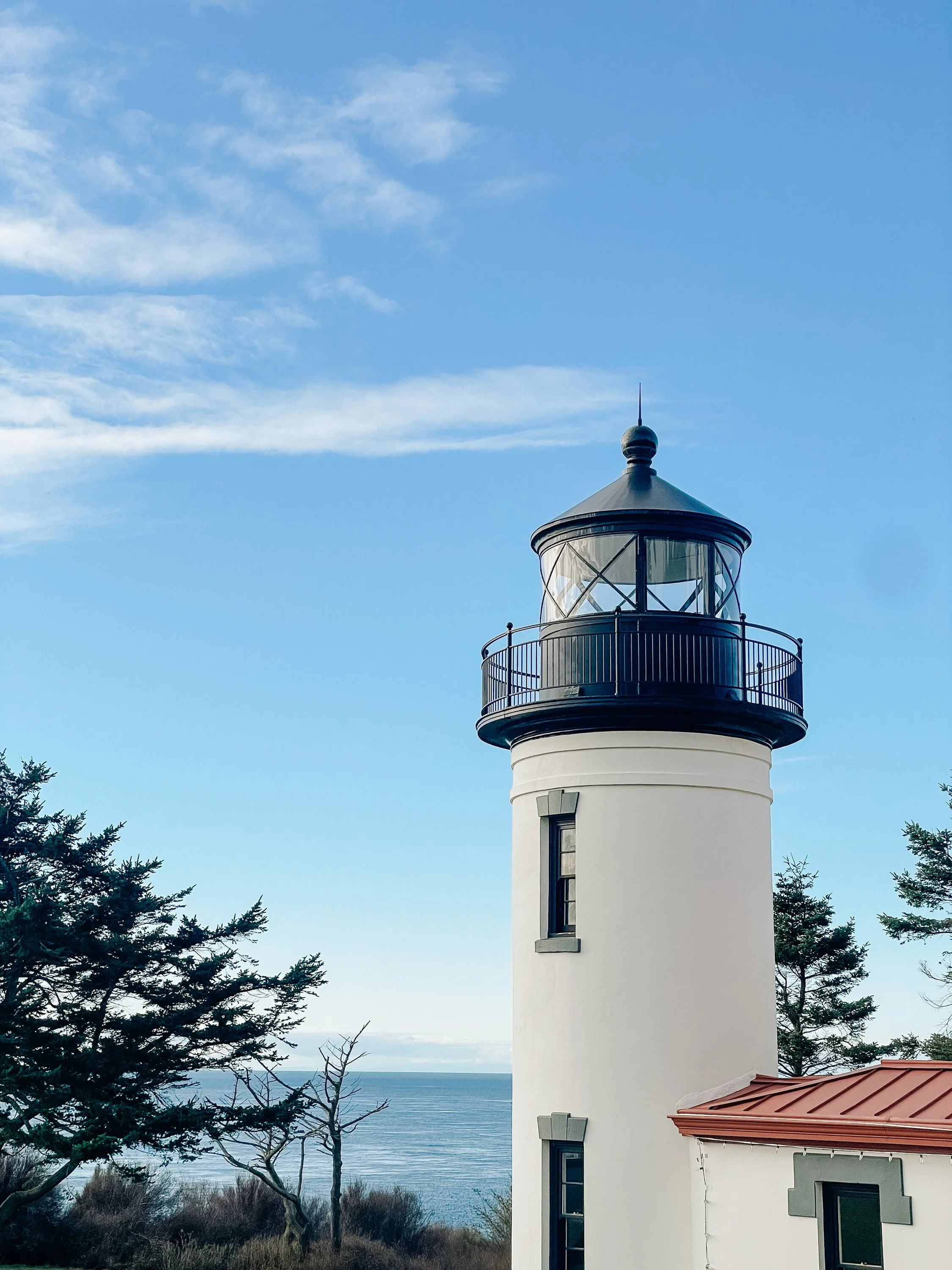
After a brief wandering through the San Juans, we began making our way toward Port Townsend. We arrived at the Port Townsend Boat Haven Marina on the pre-Halloween weekend, with costumed revelers already filling the streets with late-autumn energy. We had stopped here on our February road trip while hauling my belongings north to Alaska, and my cousin from Seattle managed to visit both times. Weekend rituals in Port Townsend feel incomplete without a stop at Siren Bar and a wandering stroll out to Fort Worden to pay a visit to Point Wilson Lighthouse.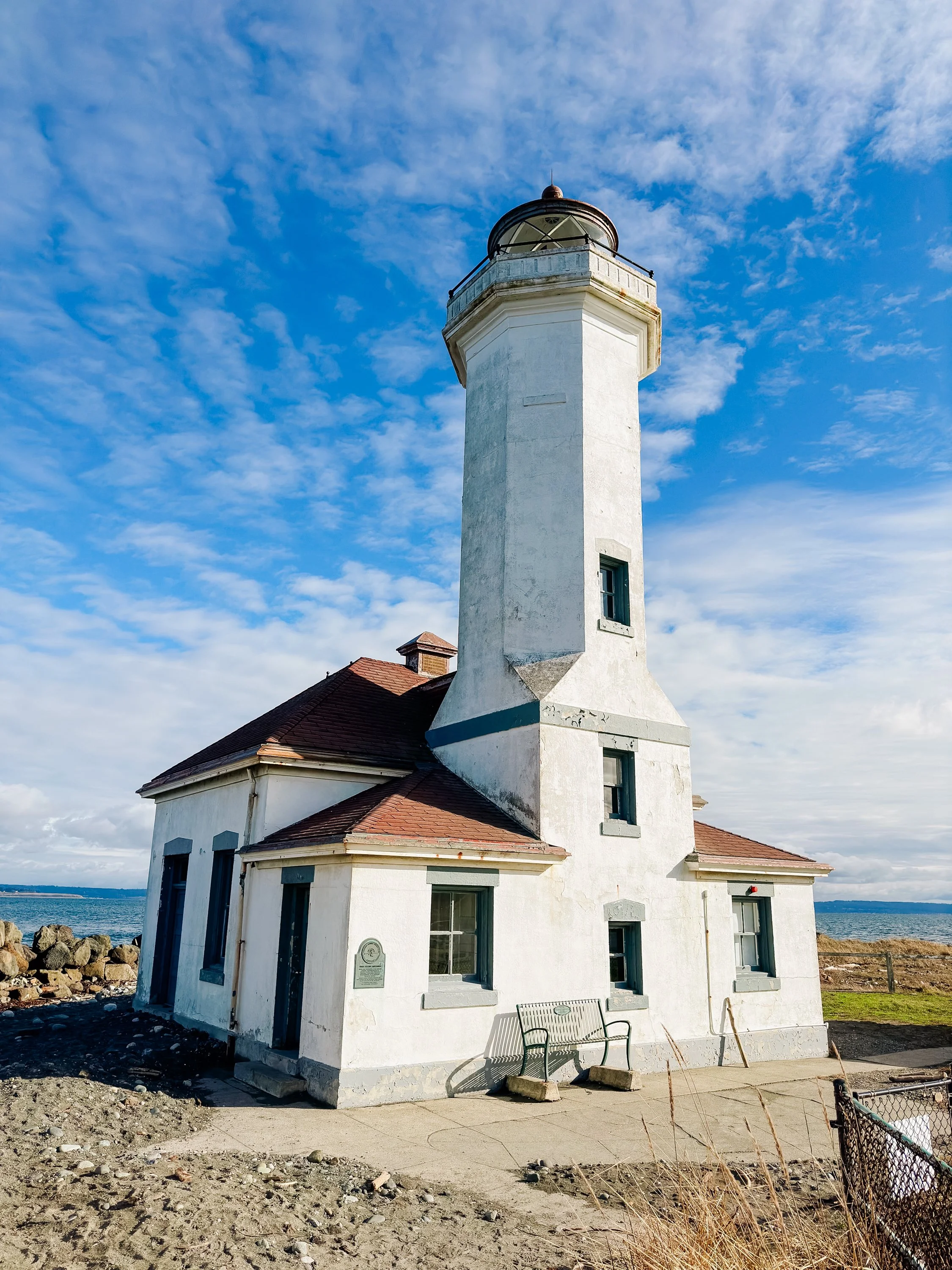
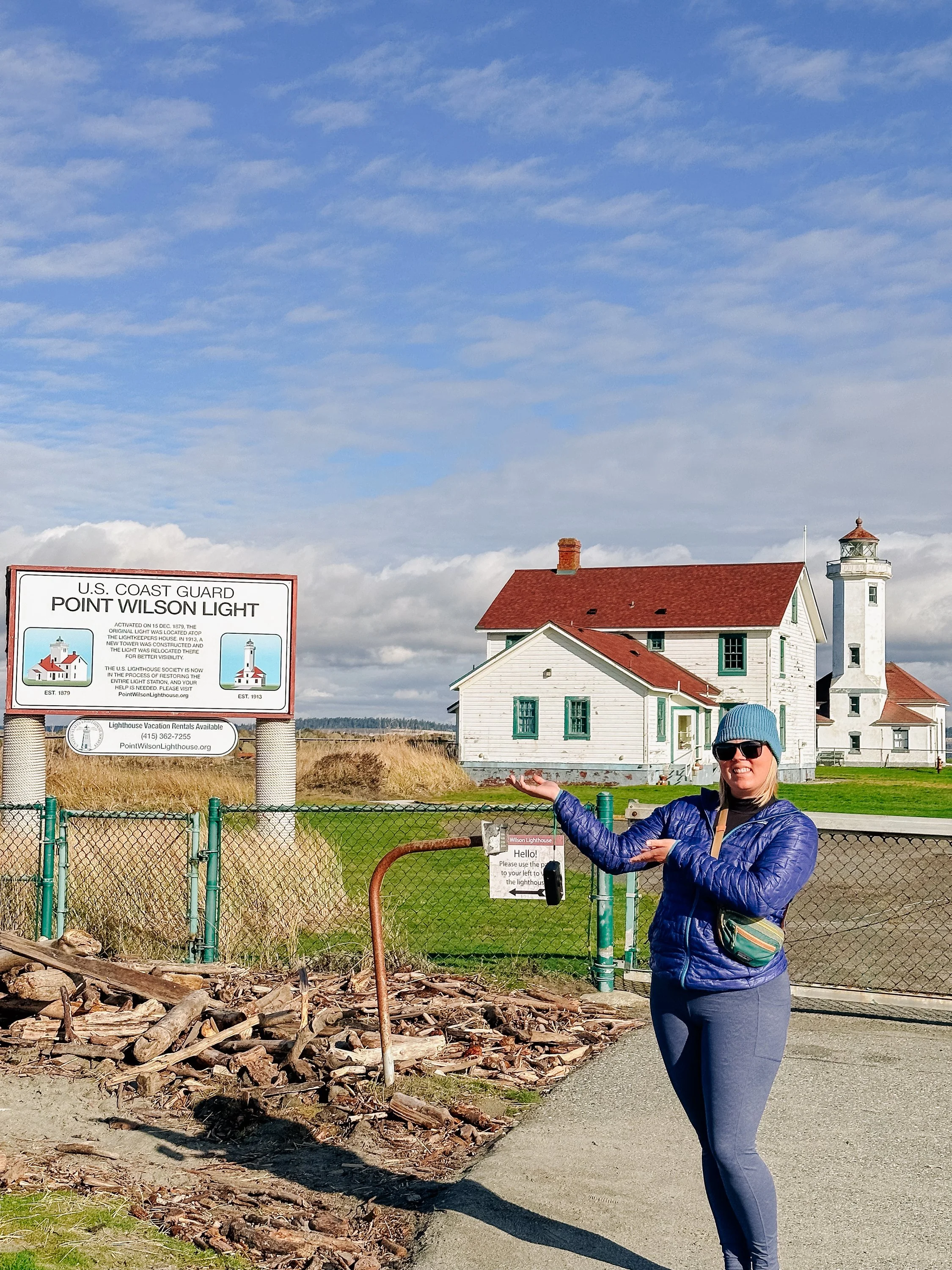
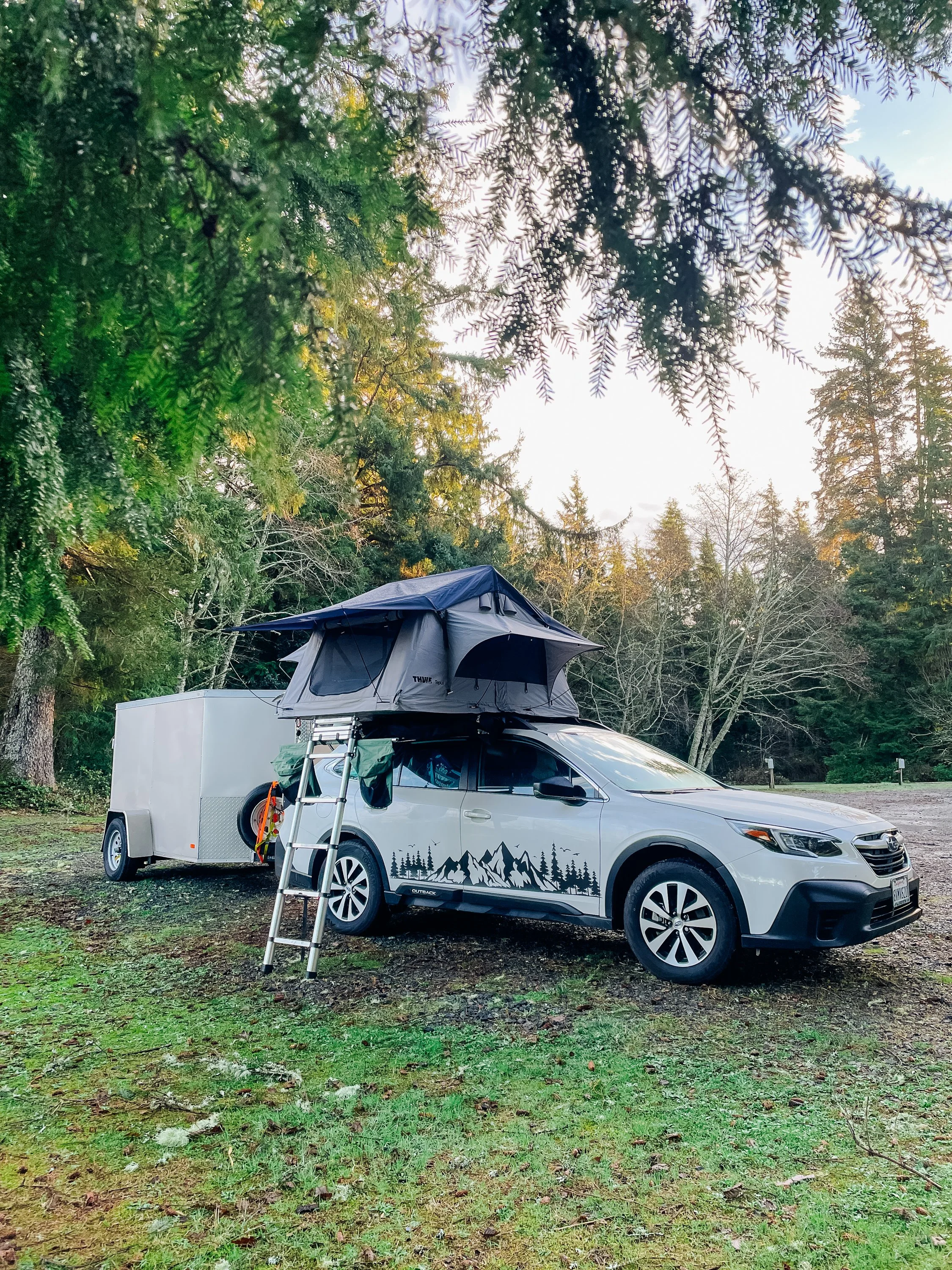
Road Trip Echo:
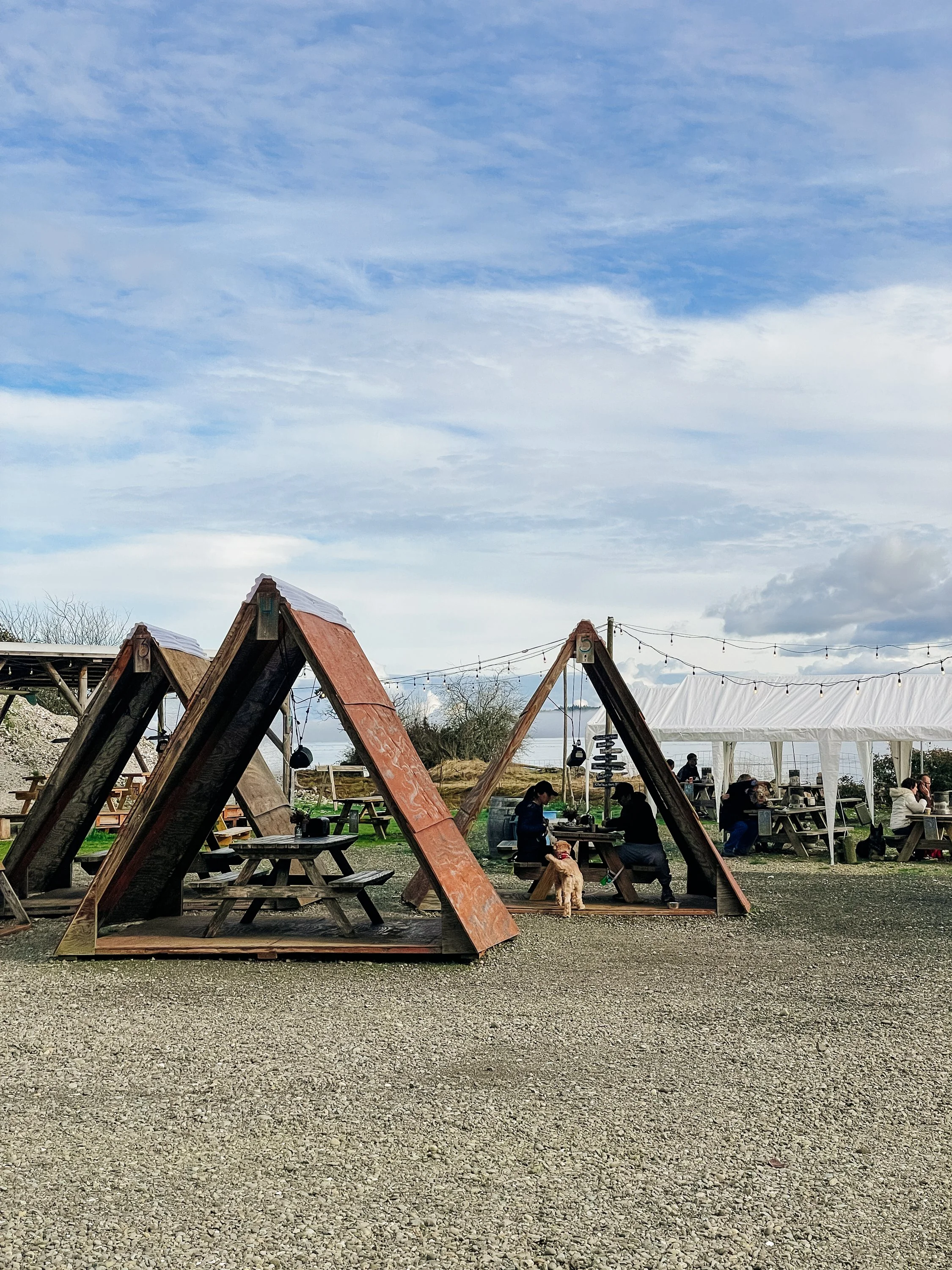
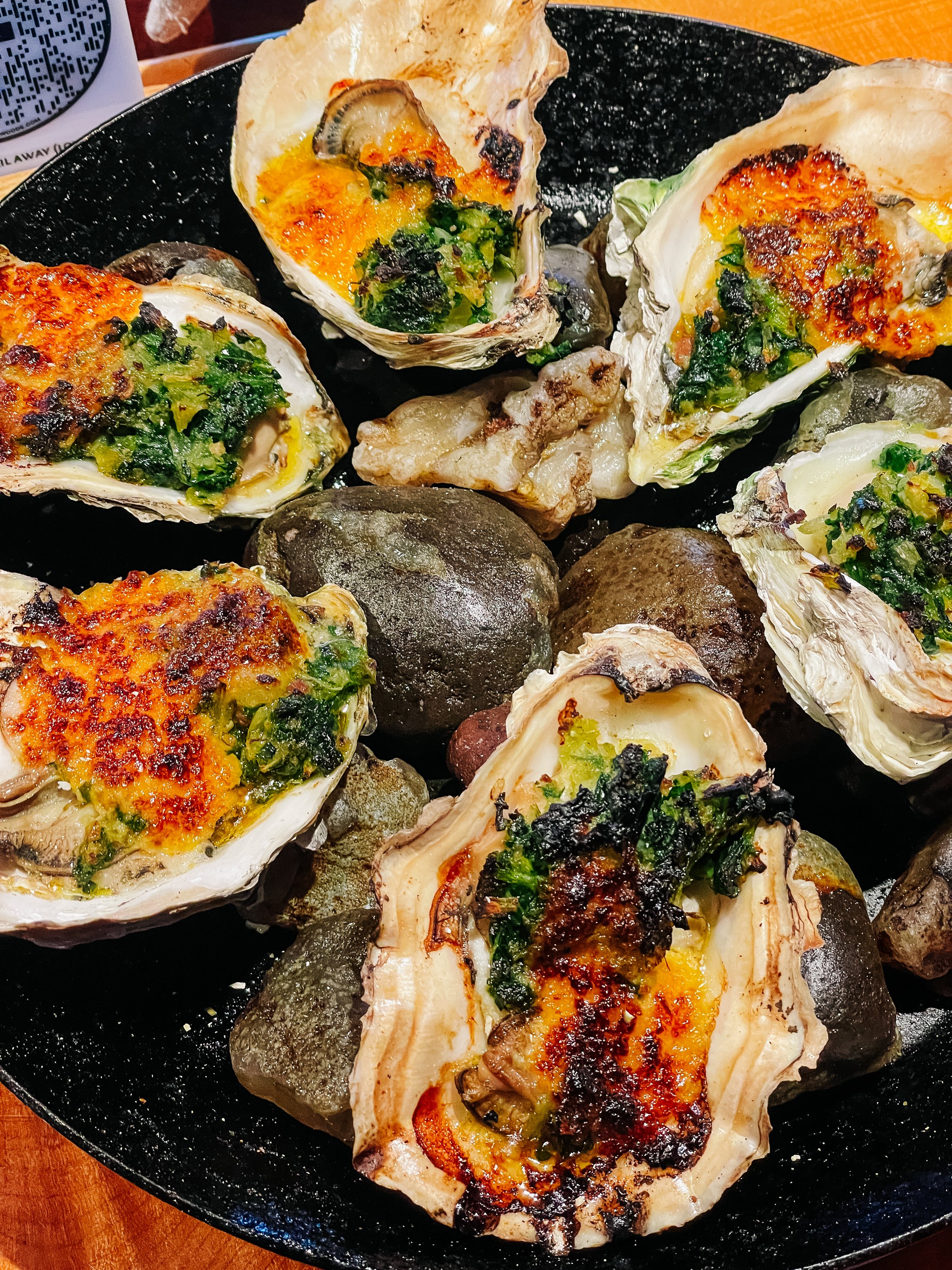
During that winter road trip as we made our way north, we made a must-stop pilgrimage to Hama Hama Oysters along the quiet curves of Hood Canal. Camping along the Olympic coastline, we found ourselves returning to many of the same bends in the road we would later pass by sea — familiar headlands and shorelines now reappearing months later from the deck of our moving home.On that drive we took the ferry from Port Townsend to Whidbey Island and stopped at the Lighthouse at Fort Casey State Park before pitching camp at Deception State Park. We continued westward to Neah Bay and the northwesternmost point of the contiguous United States: Cape Flattery. After walking through the dripping moss forests, the trail opened suddenly to jagged rocky outcroppings above water the color of dark teal — the Pacific stretching endlessly beyond.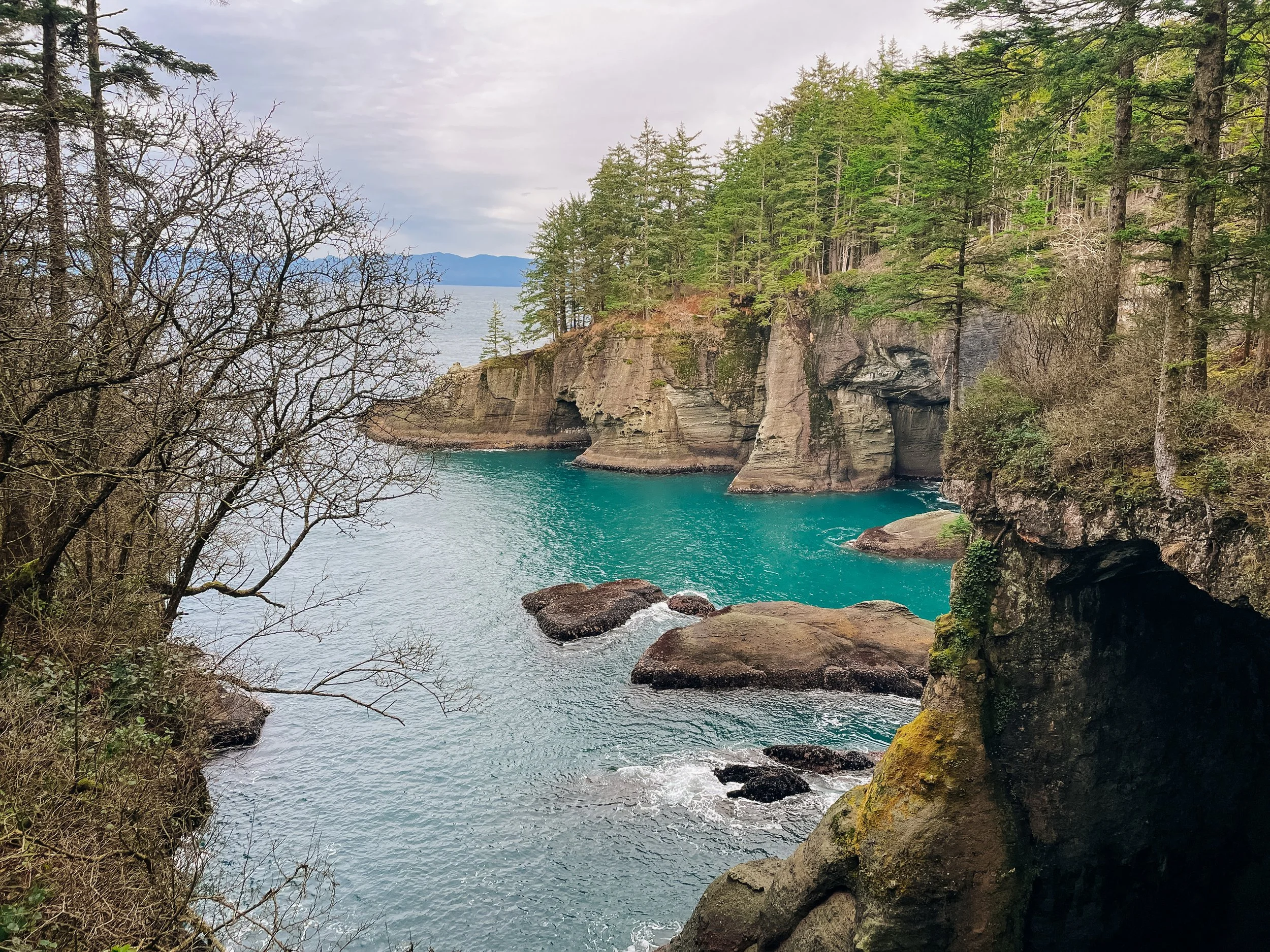
Westport & the First Taste of Weather
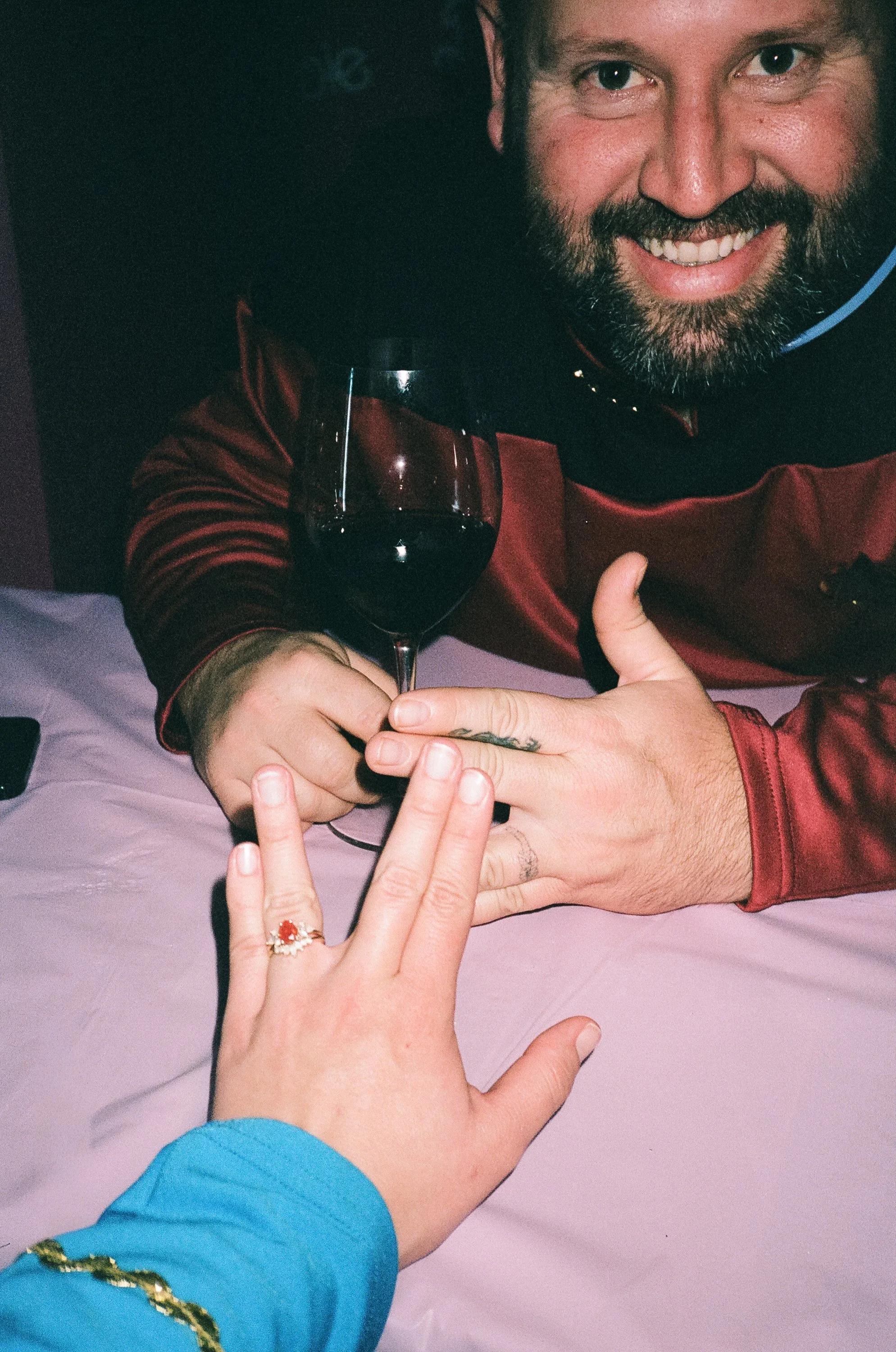
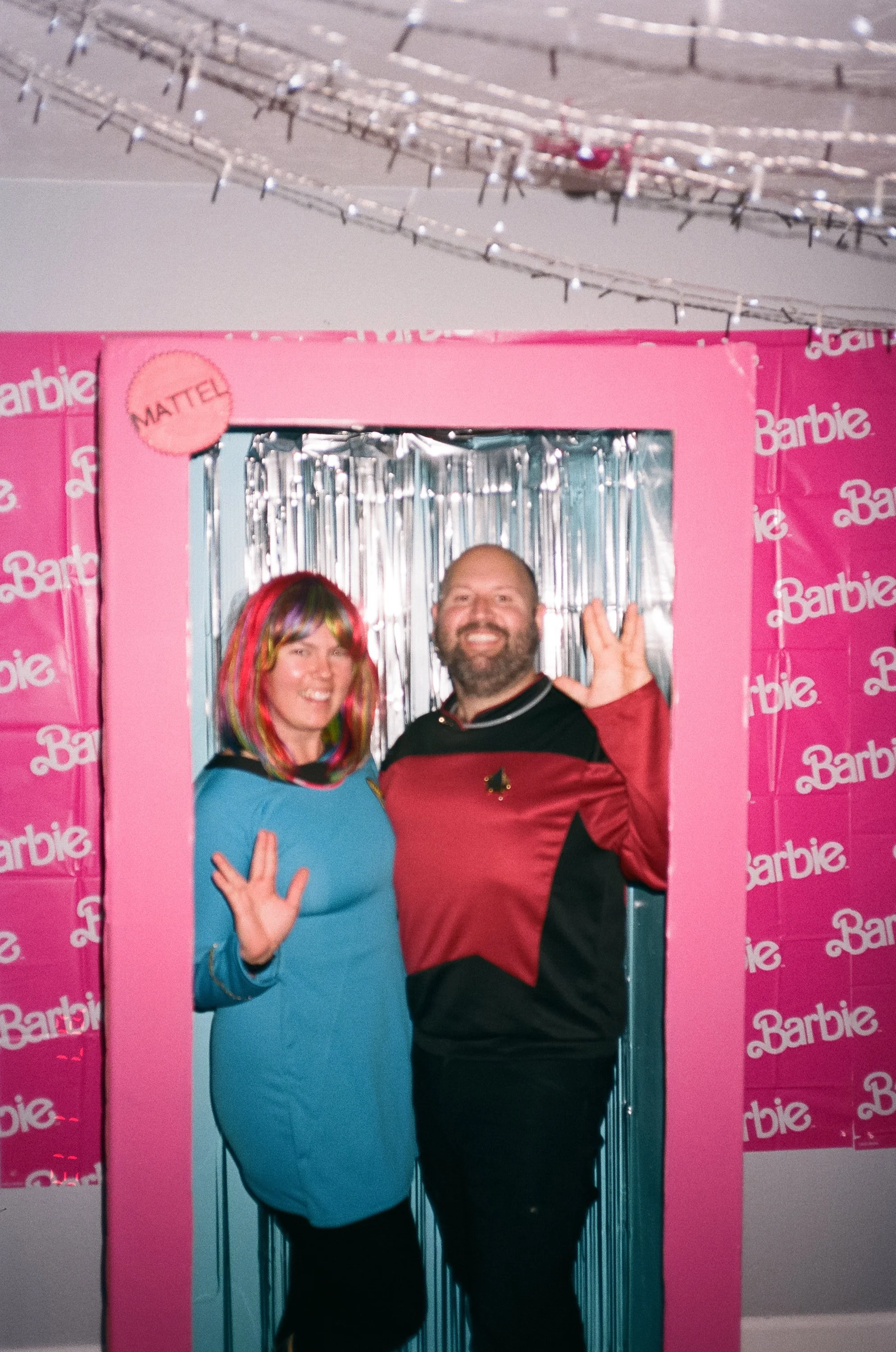
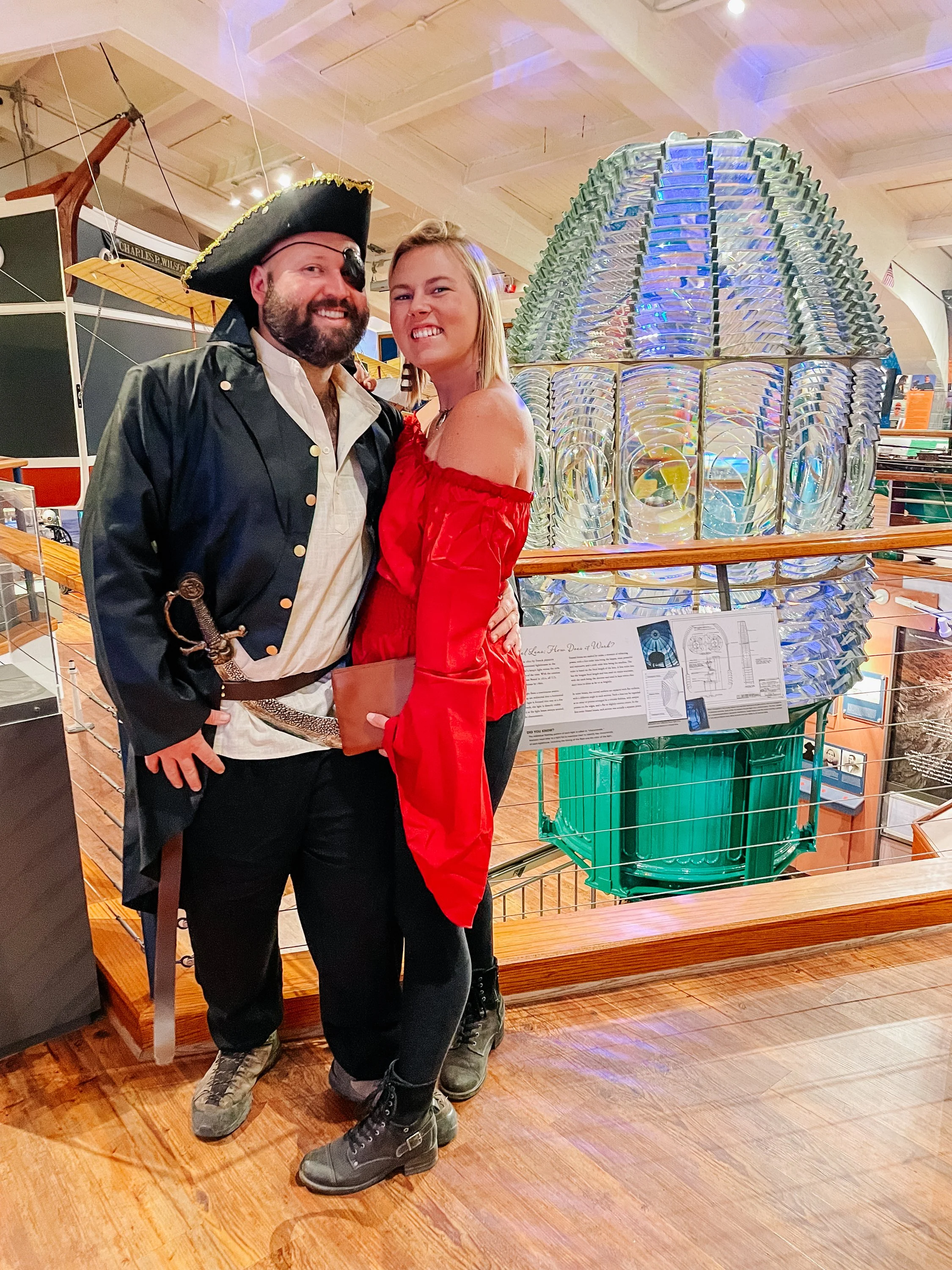
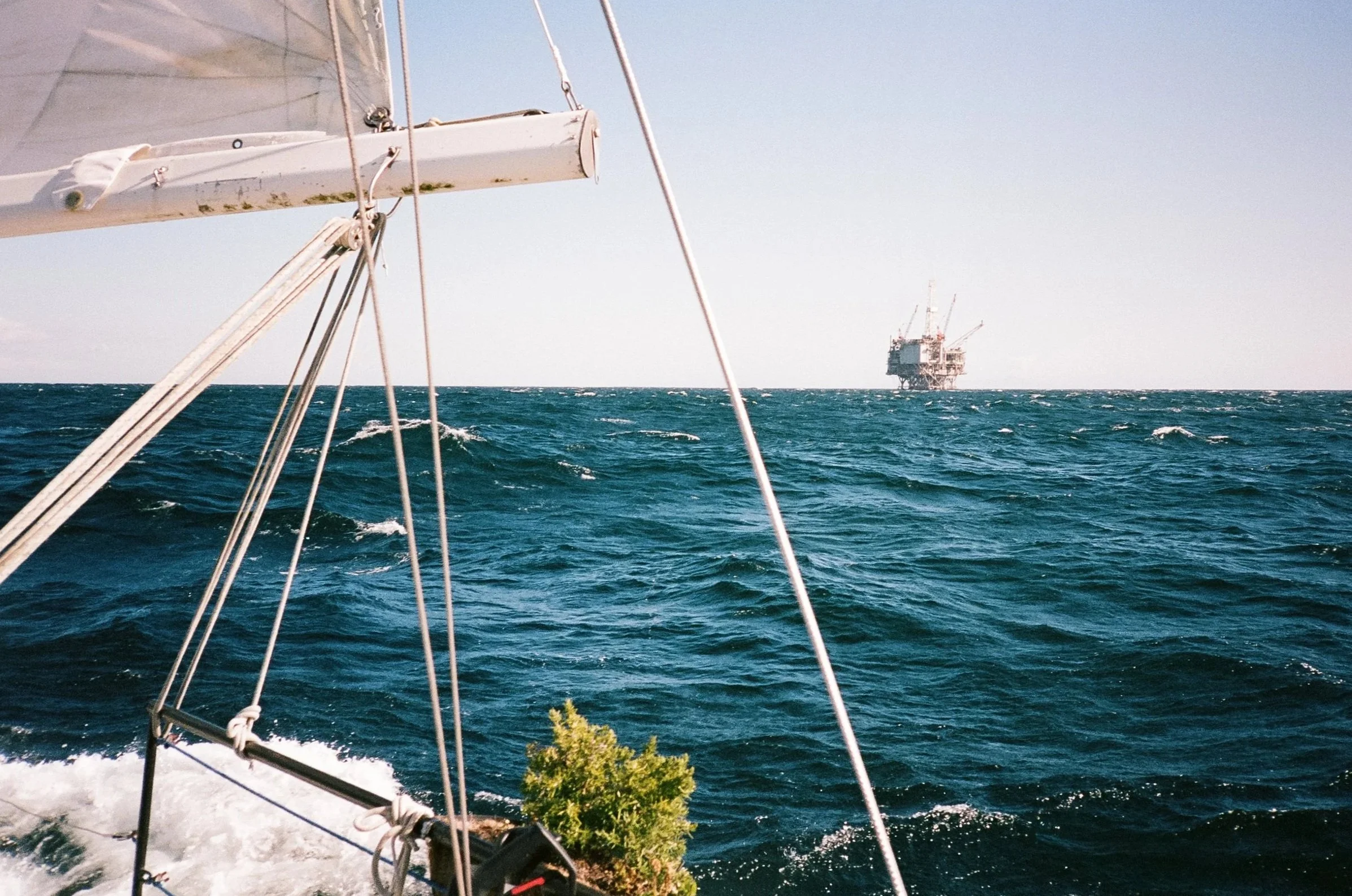
Because of travel commitments — flights in and out of Washington for work and family gatherings — by the time we returned to Arcturus in Anacortes in late October, we had completely missed our weather window to head south down the coast. It was an early omen, as it would turn out. As we left the Strait of Juan de Fuca, rounding Cape Flattery and heading out onto the open coast, the mood shifted immediately. Tumultuous late-October seas greeted us, with 10-15 foot beam seas slapping against the hull. Tired and short on options, we ducked into Westport, Washington, hoping the weather might shift after a few days.We docked at Westport Harbor Marina, a laid-back harbor crowded with working fishing vessels. We spent actual Halloween in this odd little town wearing Star Trek costumes at a Barbie-themed party at Westhaven Wines, an evening that somehow perfectly matched the slightly surreal feeling of waiting out a storm in a place where everyone knows everyone and you are unmistakably the outsiders (however, I will never forget the stranger who took our photo for us asking if we were really dressed as different generations of Star Trek.)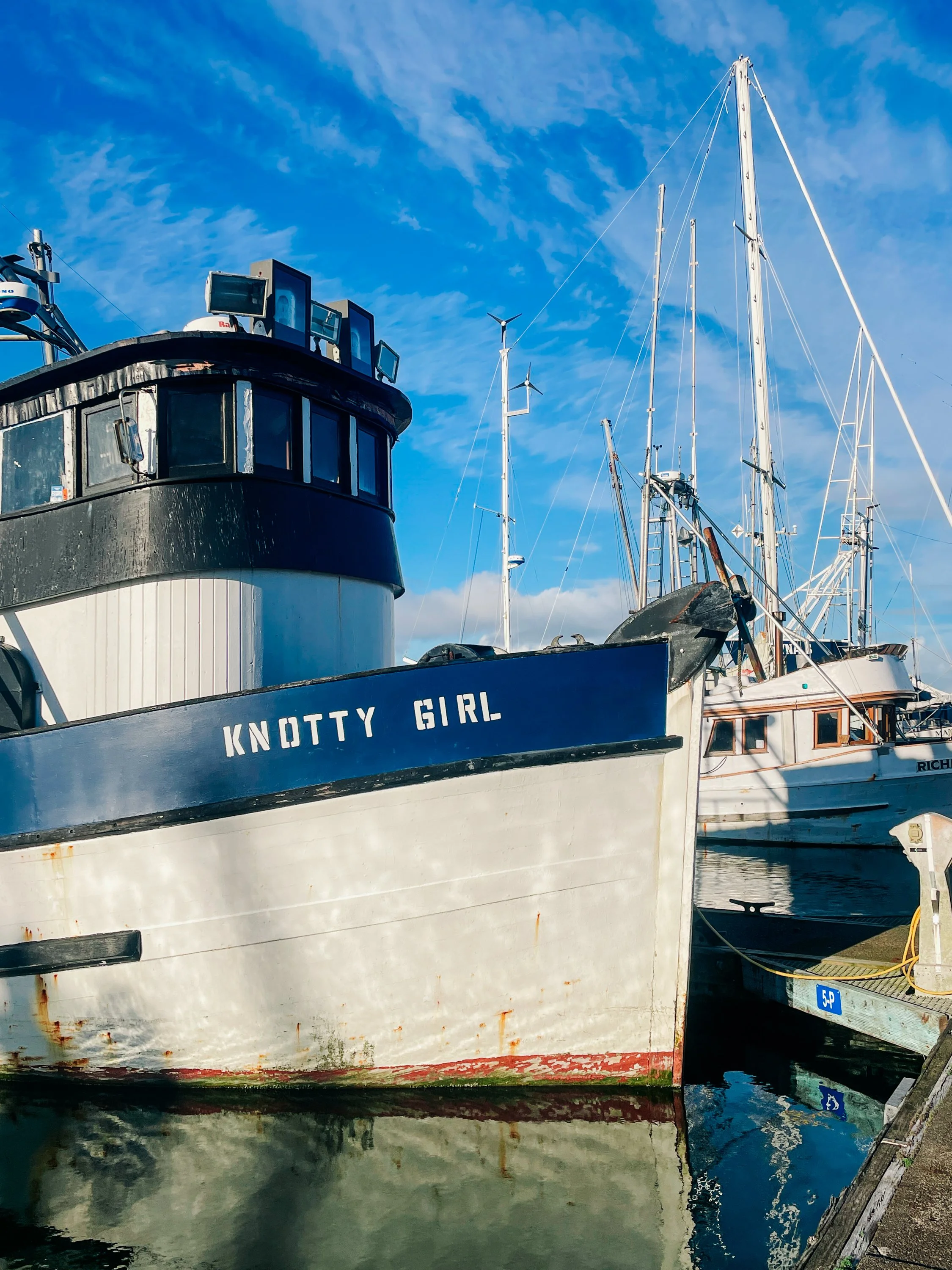
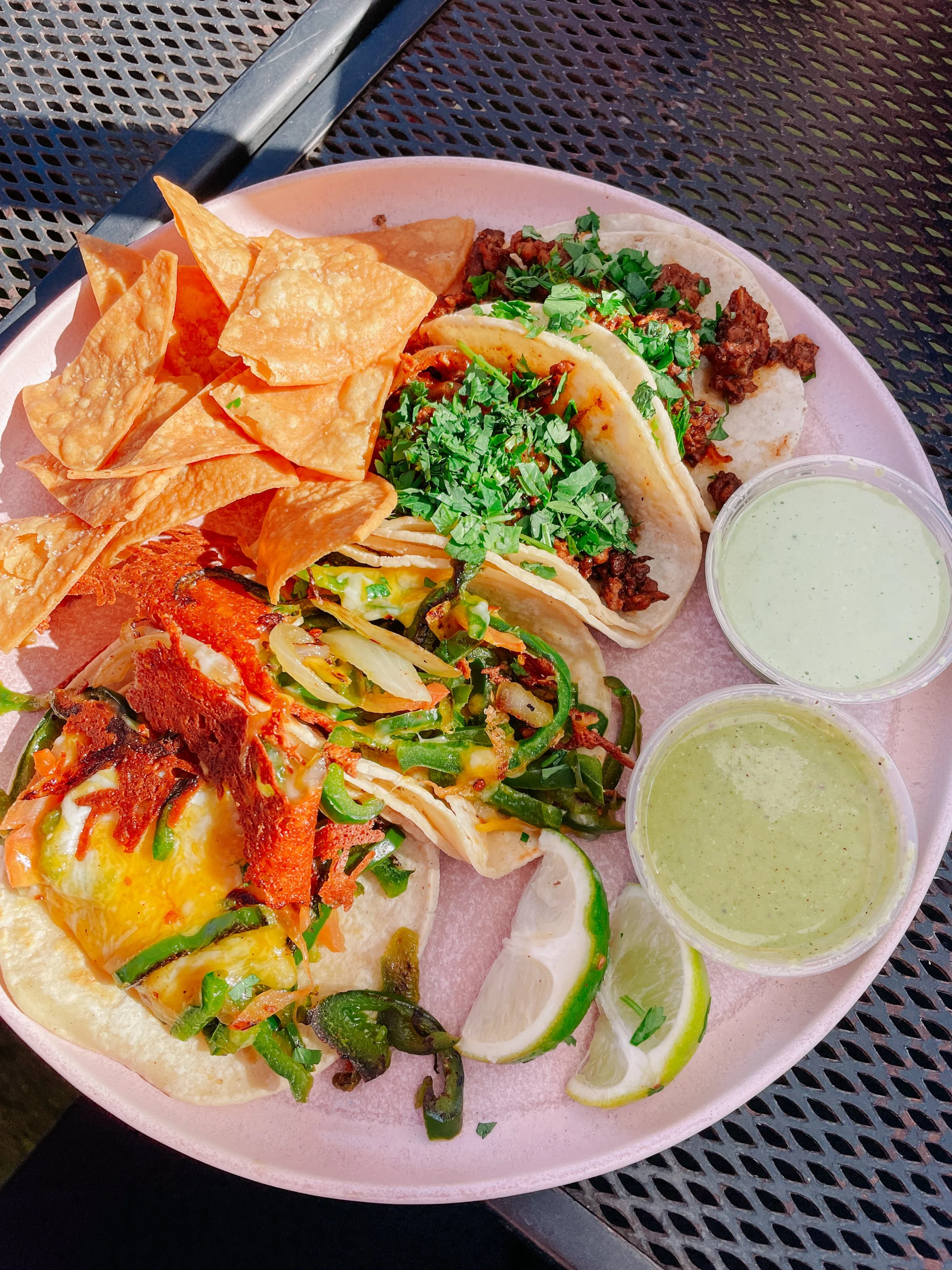
Four days passed with no change in the forecast. Each afternoon we walked to the Westport Viewing Tower to watch the open ocean heaving beyond the harbor entrance and to see surfers catching the breaking waves, and we visited the small local Westport Maritime Museum. We had sampled nearly every eatery in town (of which there were not many). However, at the top of the list was Taqueria Los Tres Figgies, a wonderful family-owned Mexican restaurant serving the best birria tacos and jalapeño crema, of which they sold us some to take along on our journey. Finally, we accepted what we had been resisting: we would have to push on, even if it meant enduring a miserable thirty-hour sail through the storm.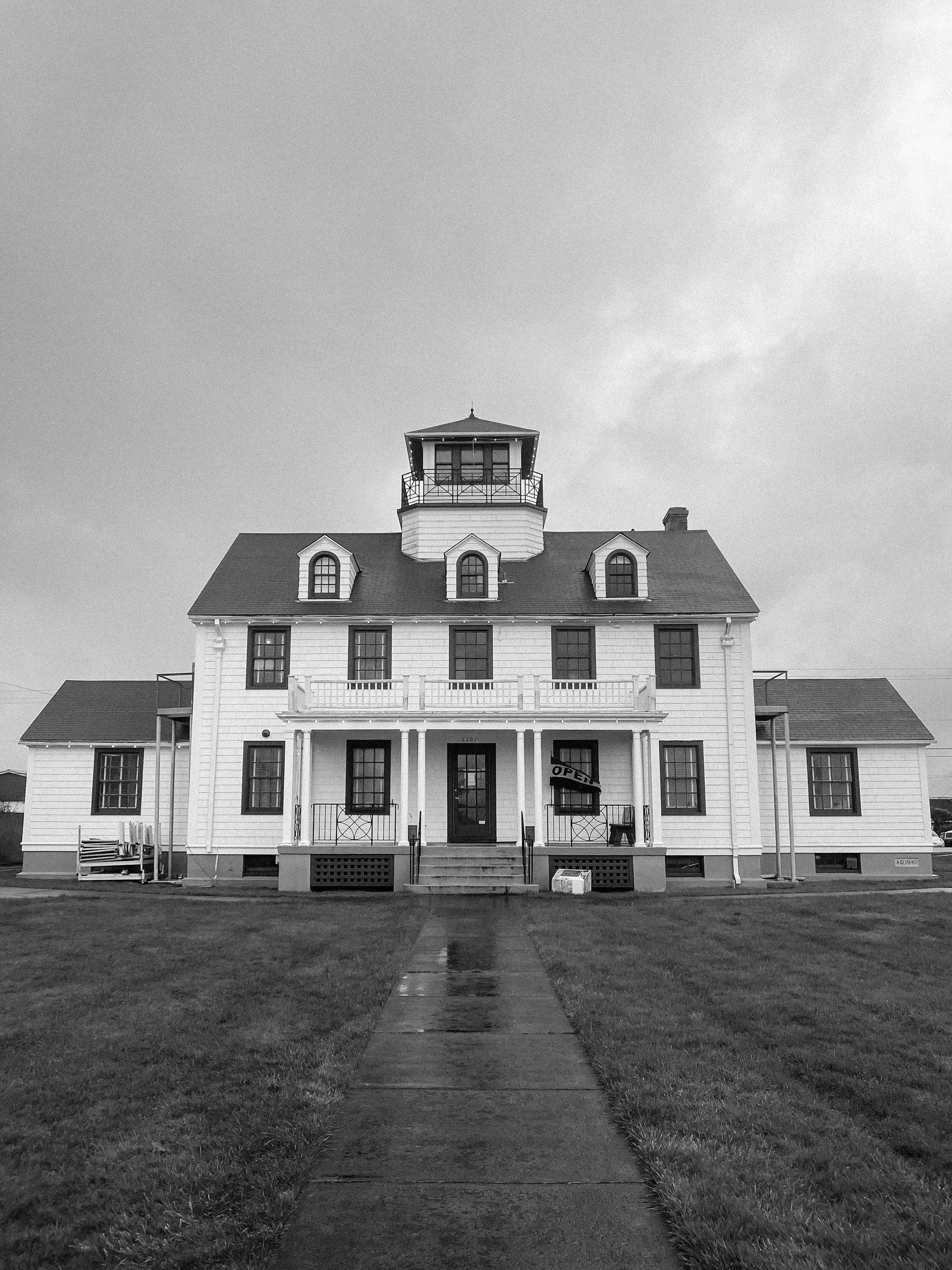
OREGON
Storm Sailing to Newport, Oregon
Upon departing Westport, Washington with the boat, our overnight passage to Newport remains one of the roughest sails we’ve experienced. Fifteen-foot waves hammered us on the beam through the night, and at one point we struck a mystery object in the darkness; perhaps a log, perhaps even an entire tree. We will never know. What we do know is that it likely would have been the end of a fiberglass boat. Thank goodness for steel. As we closed in on Newport, Oregon, we watched the Coast Guard website closely as they slowly began placing restrictions on river bars up and down the Oregon and Northern California coast as the storm we were currently sailing through intensified. Luckily, as an uninspected passenger vessel, we were still cleared to cross the Newport river bar. Less than an hour after crossing the bar and tying safely to the dock at Port of Newport Marina, the Coast Guard closed the entrance to all vessels. We had slipped through a narrow window. We had arrived in Newport to pick up a crew of friends who would be sailing down to California with us. Our friends from Alaska had already arrived and were joyfully sampling the nearby brewery scene at Rogue Ales & Spirits near the harbor (which is sadly reportedly now closed permanently).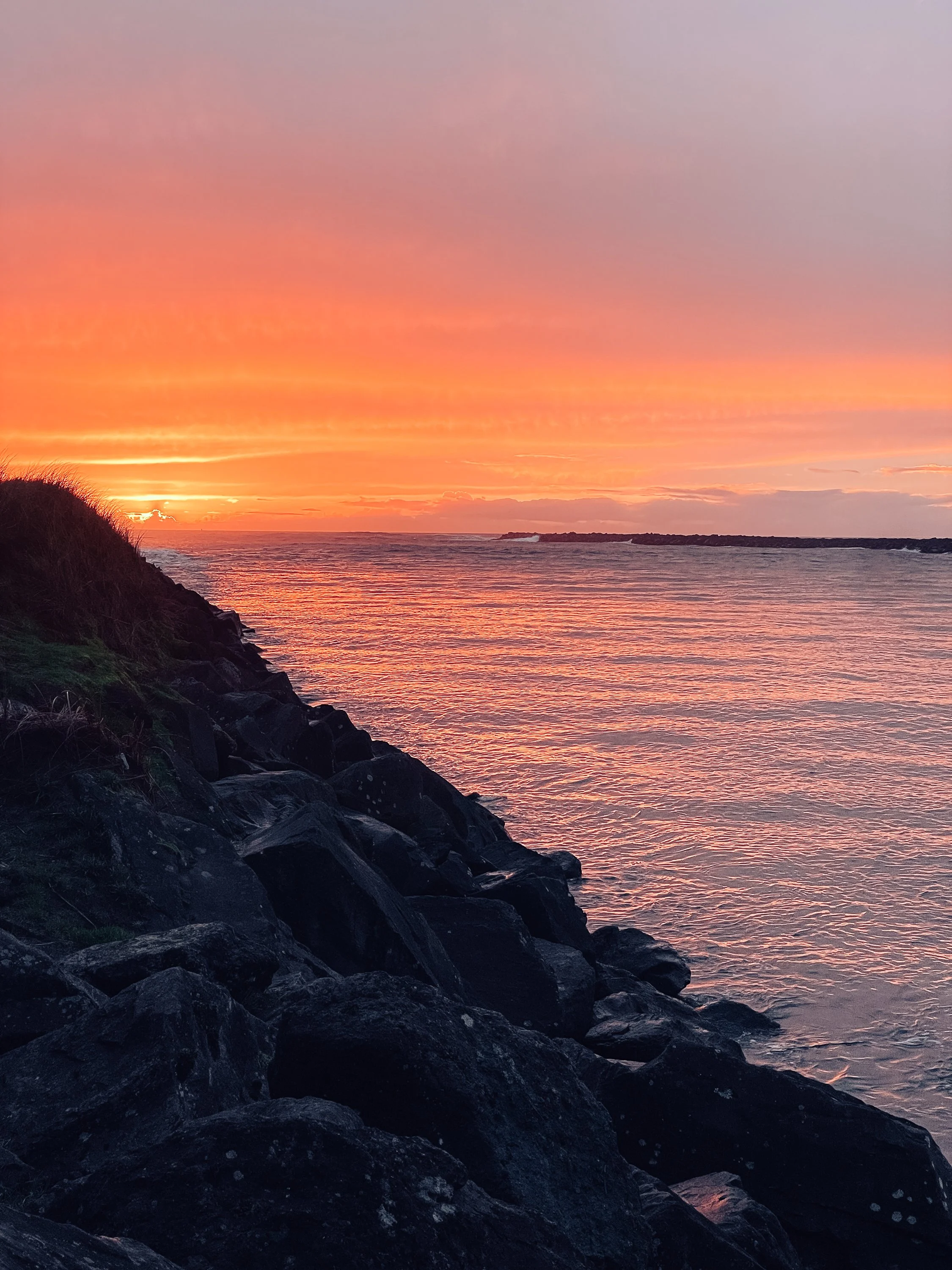
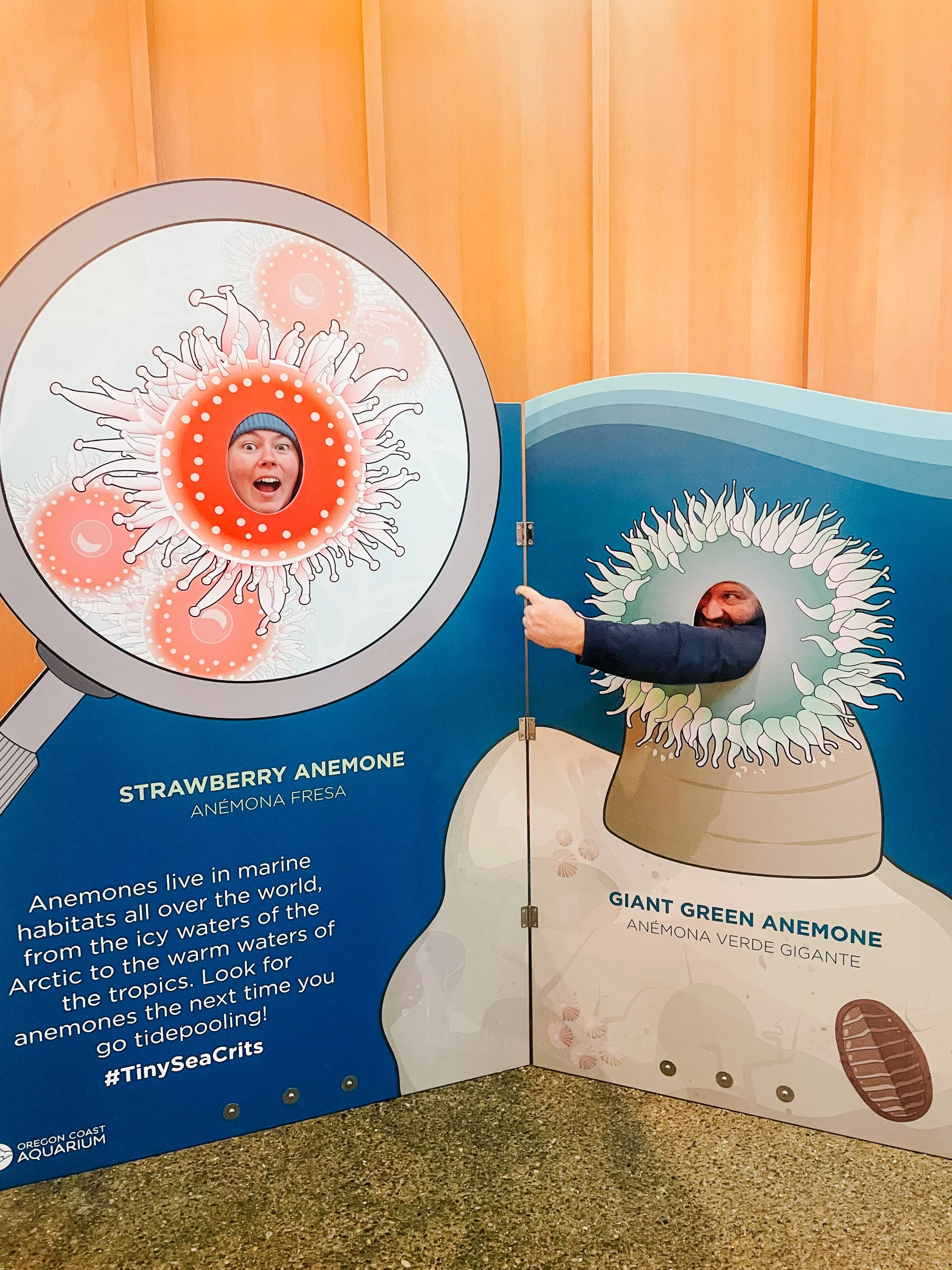
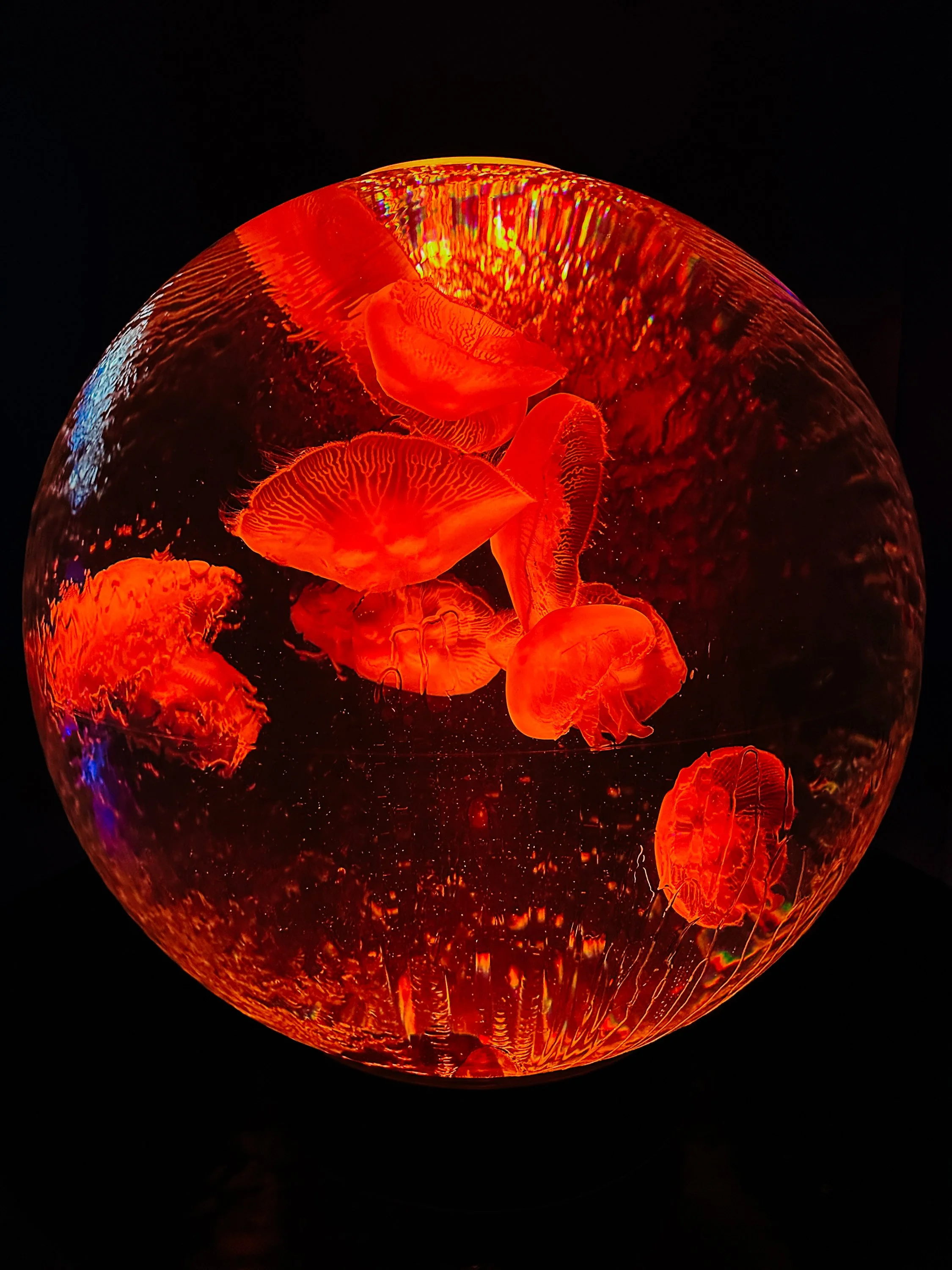
Similar to our time in Westport, we ended up trapped in Newport for four days waiting for the Coast Guard to reopen the bar. During our stay we explored local trails within walking distance of the harbor, ate at Local Ocean Restaurant, reconnected with friends we had last seen earlier that year, gave them a tour of Arcturus, and visited the Oregon Coast Aquarium. Almost every day we walked down to the jetty to watch the waves crashing across the bar and to see whether the Coast Guard might finally reopen the entrance so we could continue south.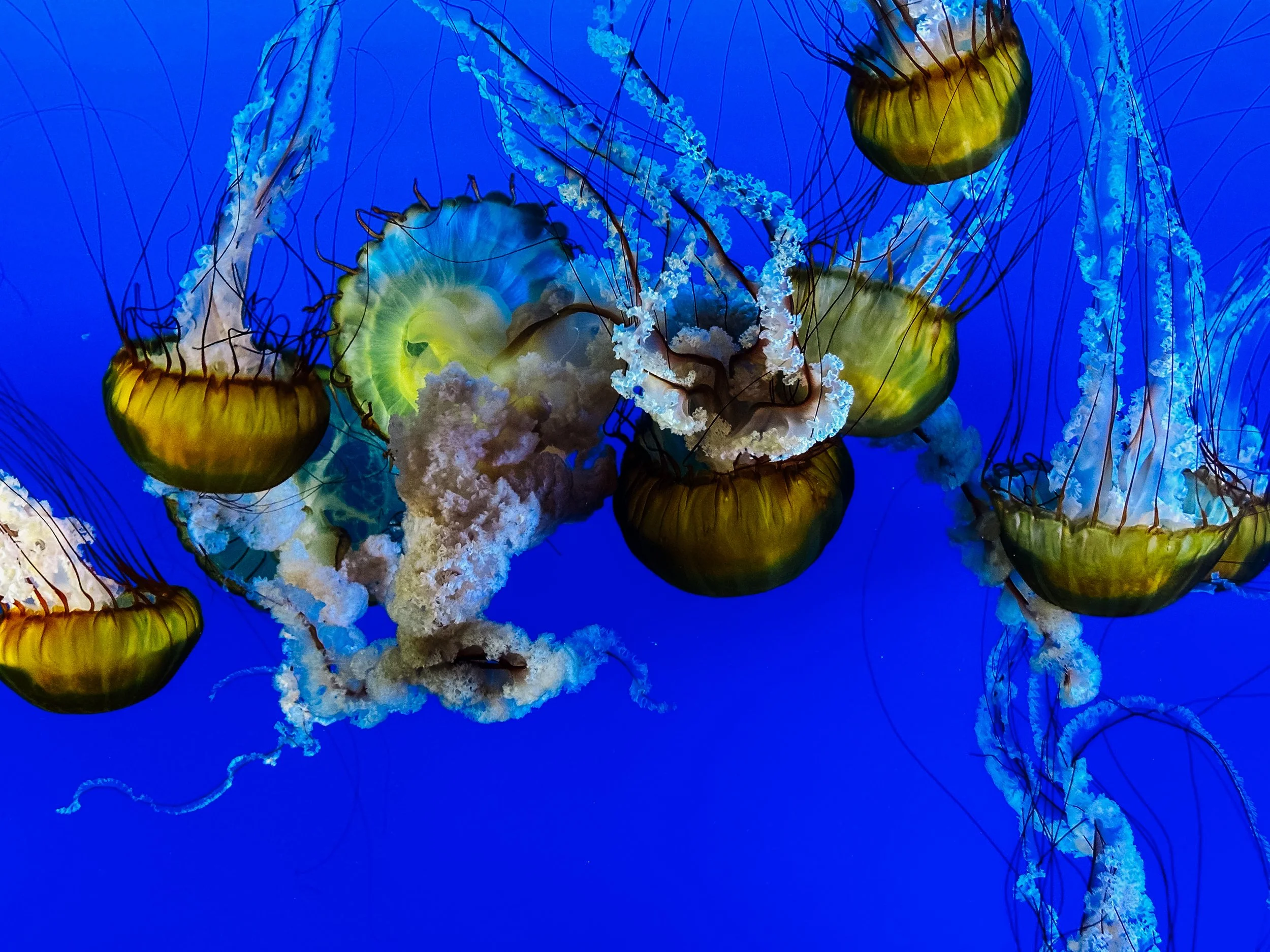
Roadtrip Echo:
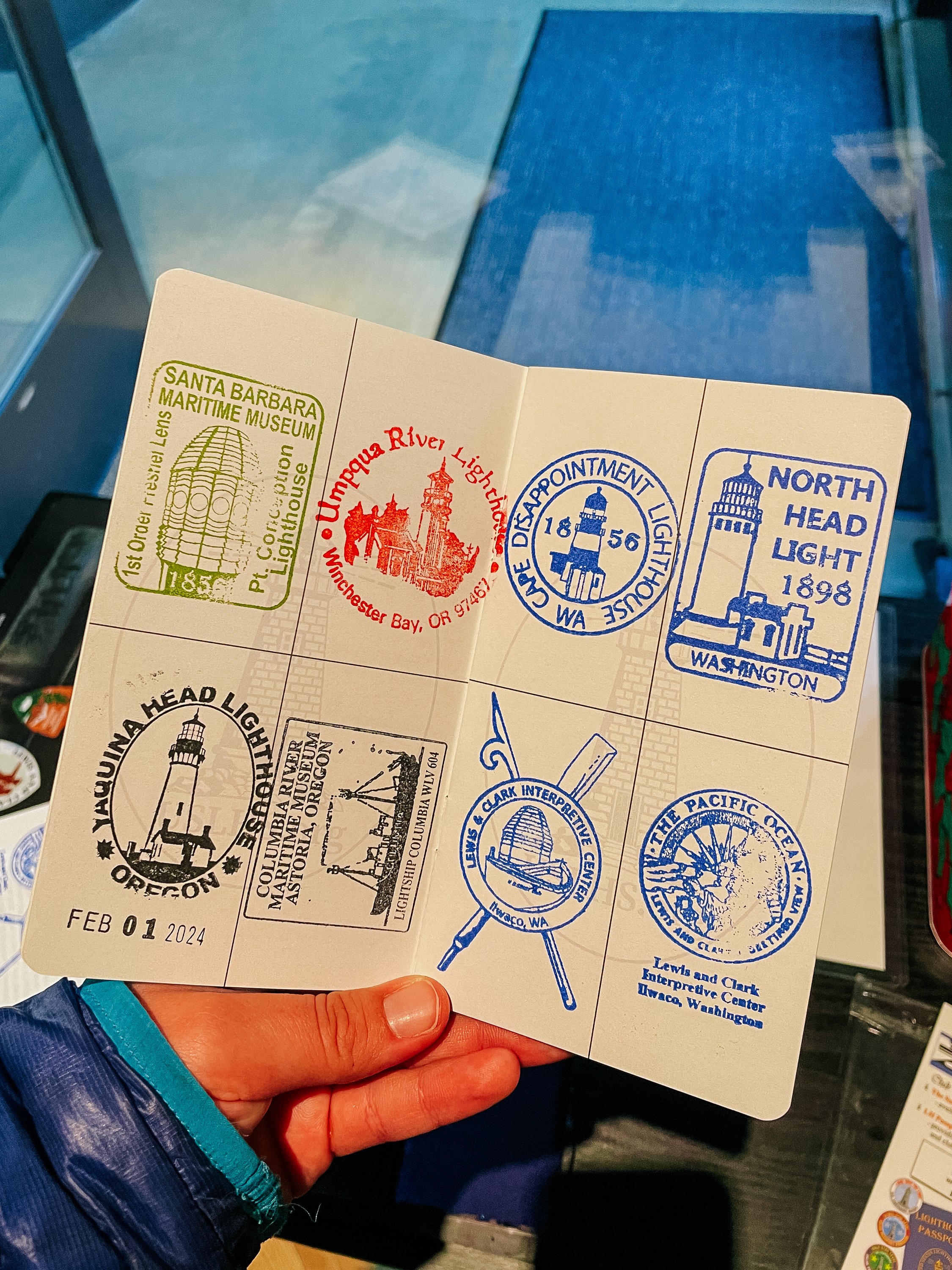
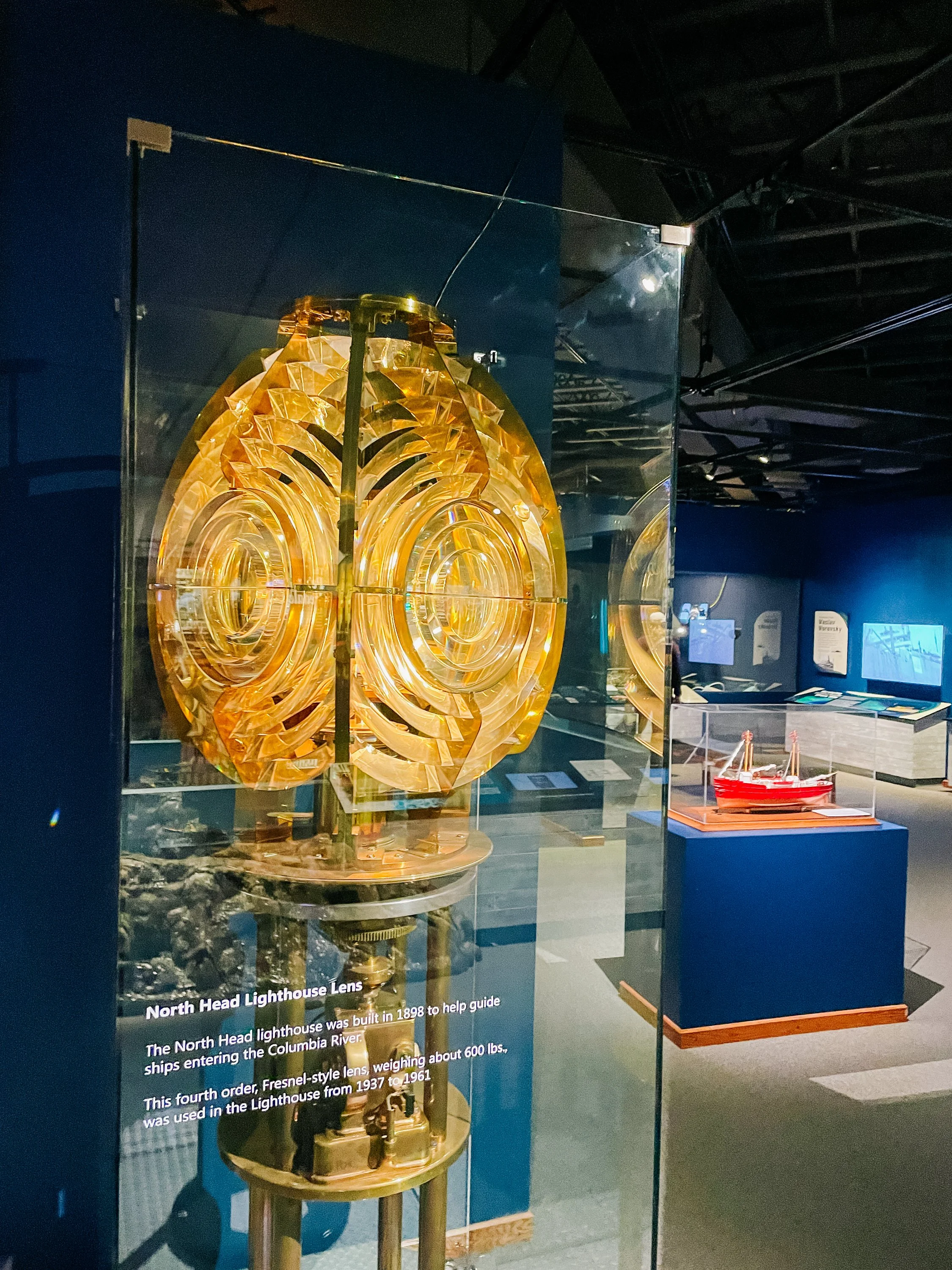
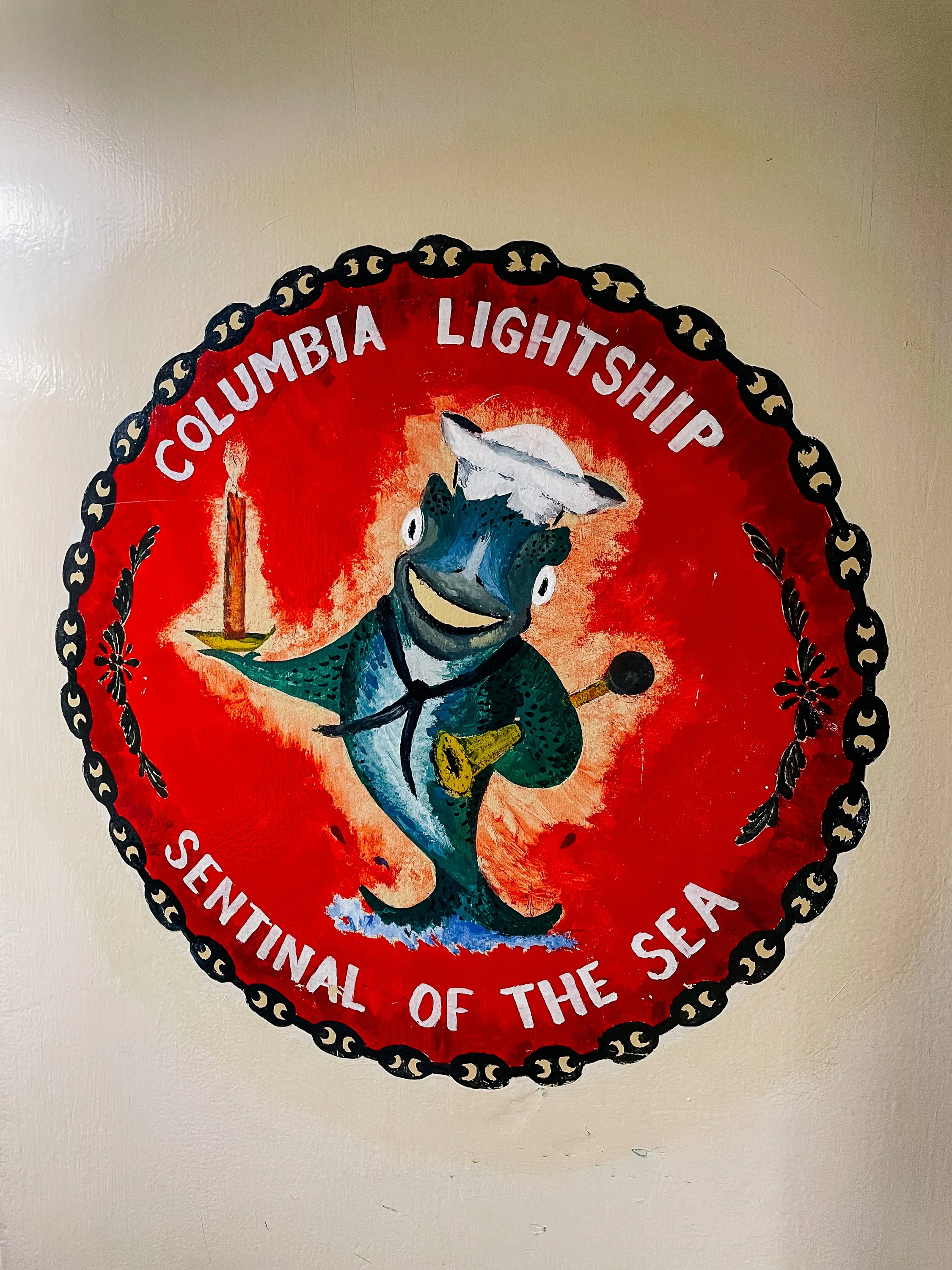
It feels almost funny to reminisce about how pleasant this stretch of coastline had been during our road trip. The winter weather of late January brought misty skies and quiet beaches rather than towering seas. The Columbia River Bar felt too risky to attempt given the delays we had already faced, so we opted to skip it entirely and aim for Newport, Oregon instead. During our land journey we had stopped in Astoria to visit the Columbia River Maritime Museum, which honors documents and honors The Graveyard of the Pacific, Coast Guard surf rescue training, 2,000+ shipwrecks. We also marveled at the Lightship Columbia anchored outside the museum, which once acted as a floating lighthouse marking the mouth of the Columbia River from 1951–1979. While in the area we visited not one but two lighthouses at Cape Disappointment shortly after crossing from Oregon into Washington — North Head Lighthouse and Cape Disappointment Lighthouse — and stopped by the Lewis & Clark Interpretive Center as well. Overall, we felt as though we had already seen much of what Astoria had to offer and didn’t feel as though we were missing out by not bringing Arcturus in there.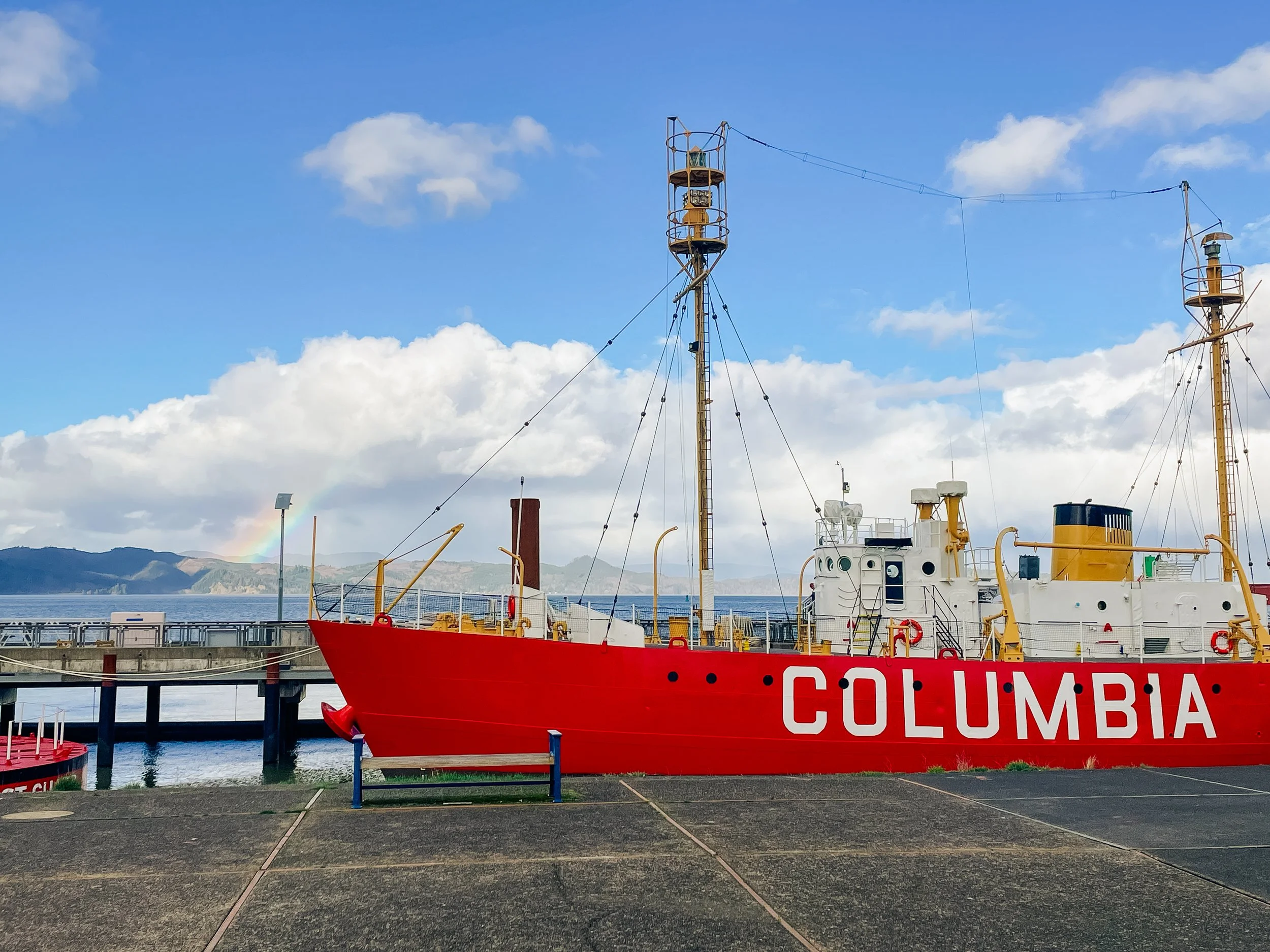
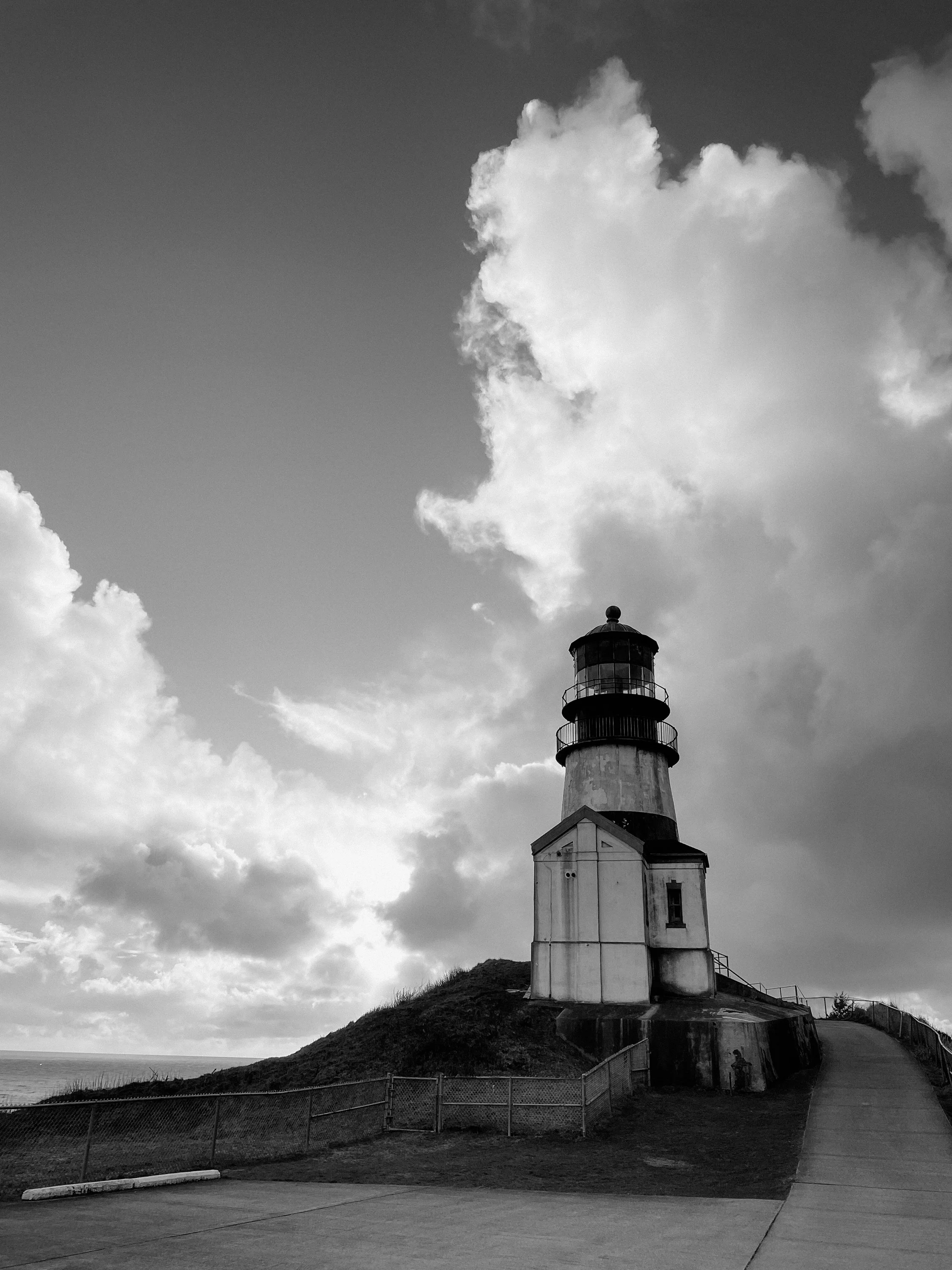
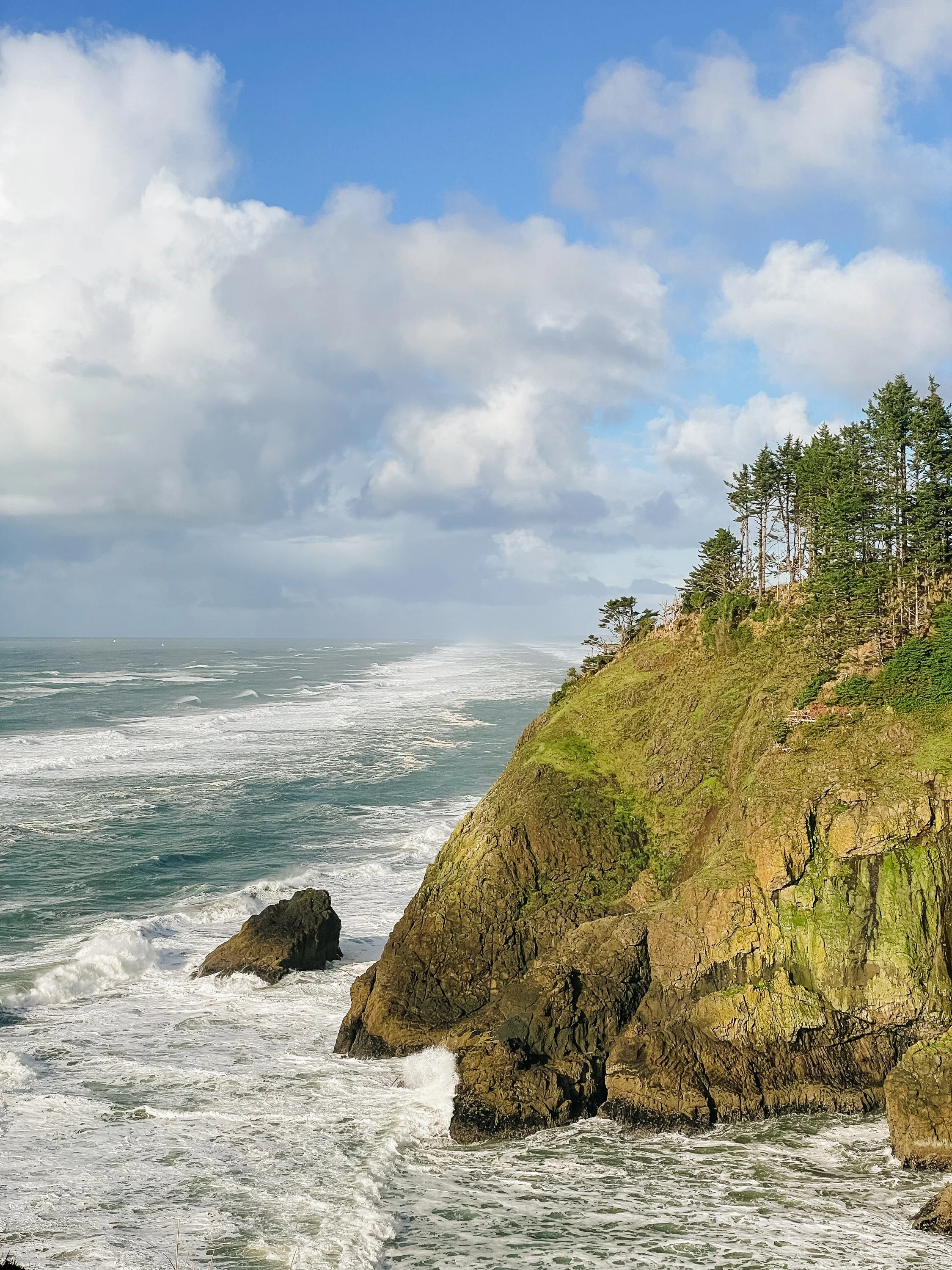
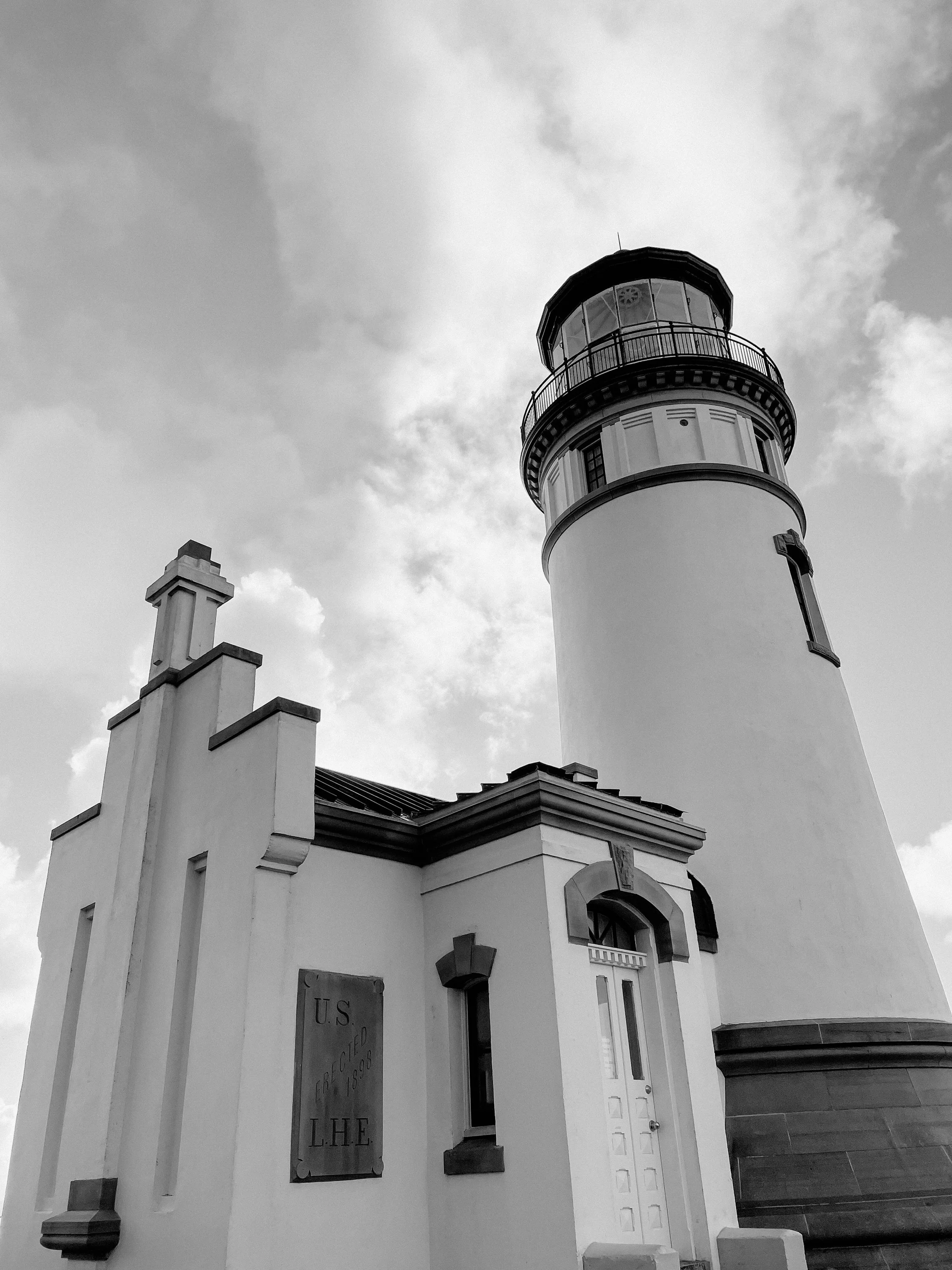
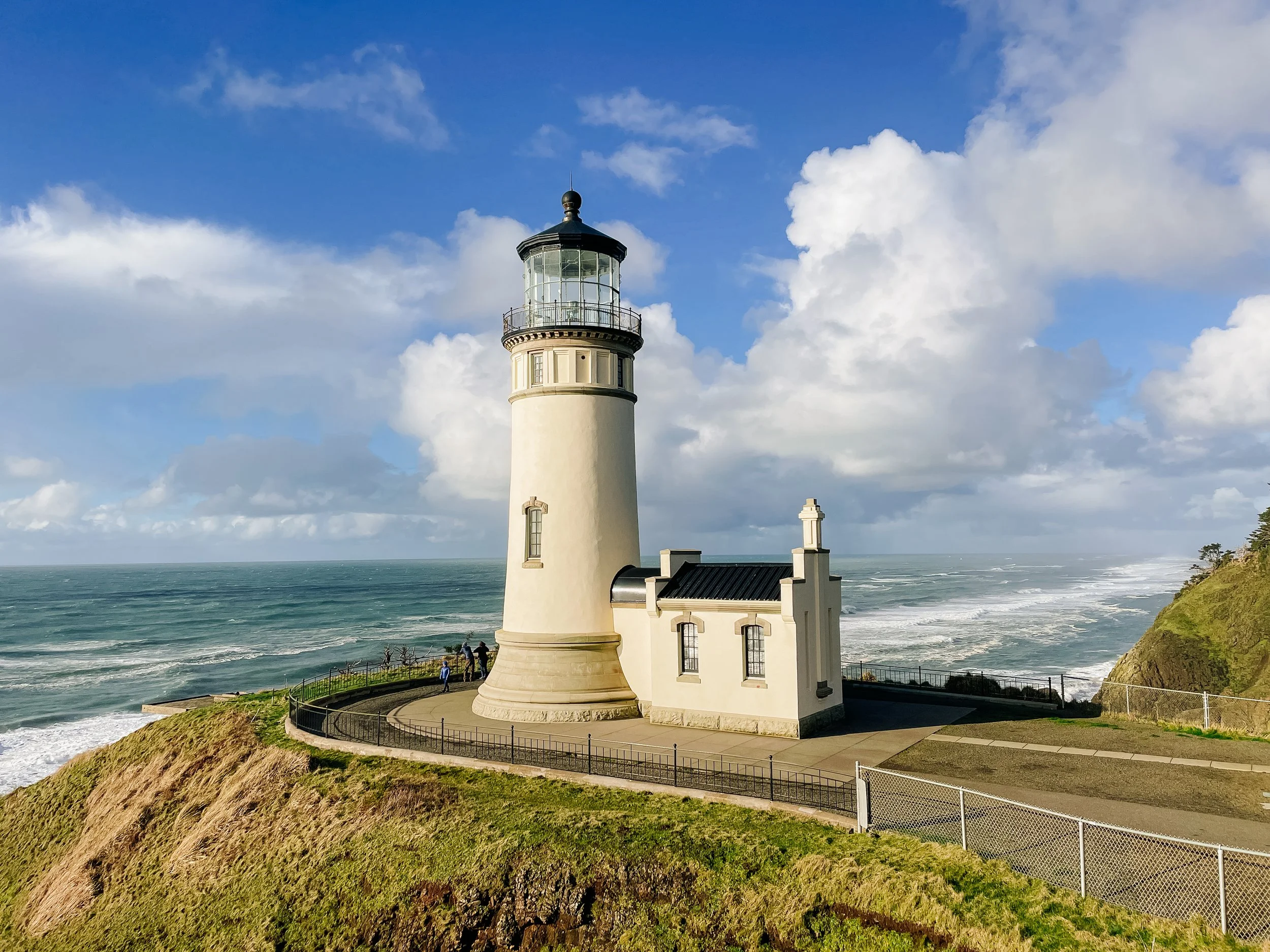
We stopped at the famed Cannon Beach to spend a night, taking a morning walk along the shore to see the massive jagged sea stacks rising from the surf just offshore.We also made a slight detour inland to visit the Tillamook Creamery, and trust me, it is well worth the stop. You will likely leave a lifelong Tillamook cheese fan. Echoing our feelings about skipping the Columbia River Bar by boat, we were grateful to have experienced the stretch of coast from Newport to Northern California by car. This region carries a particular nostalgia for me. When I was fifteen, fresh off my first year of high school, my dad drove from New Mexico to pick me up in Santa Barbara for a summer road trip through Northern California and Oregon.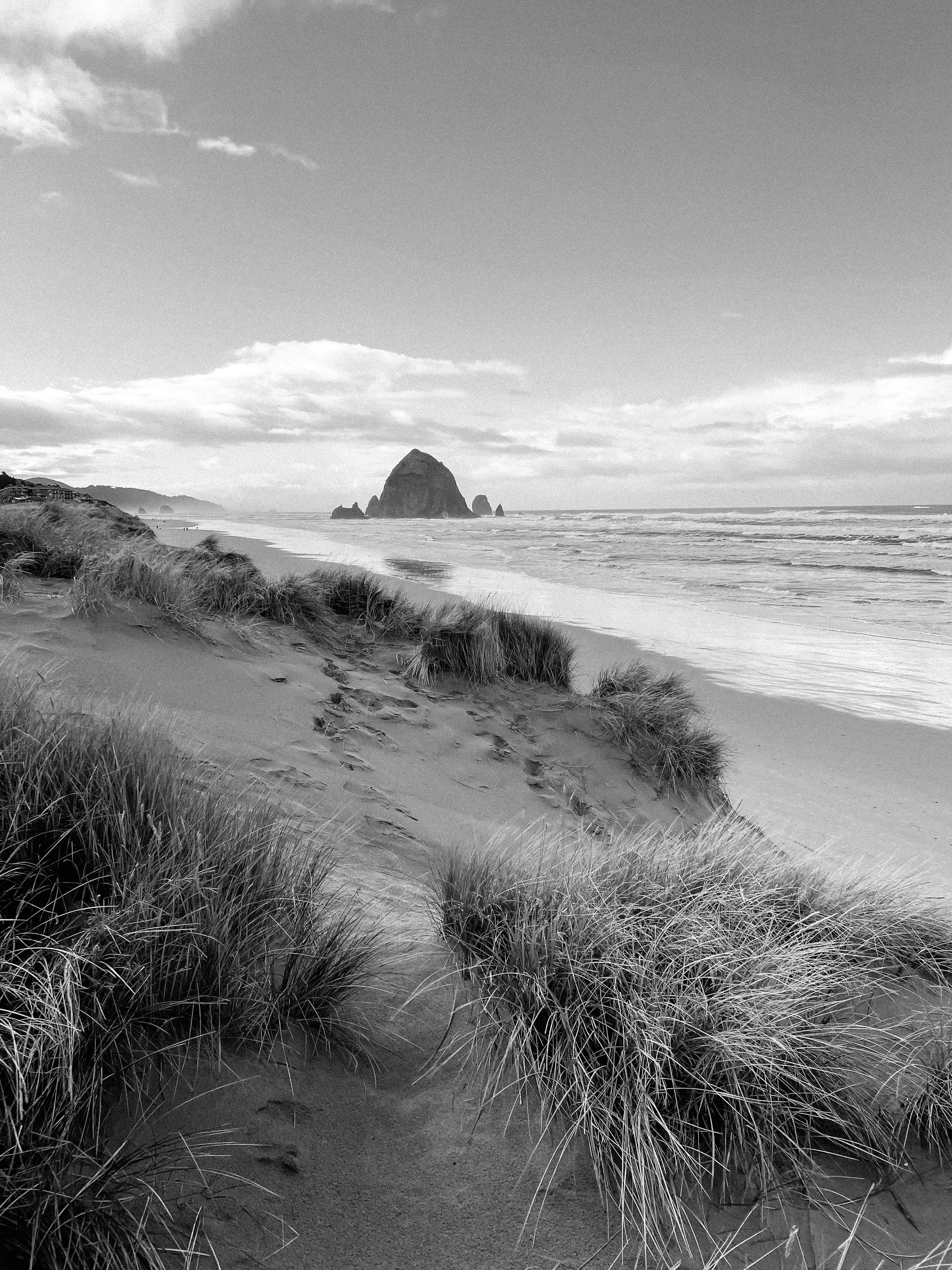
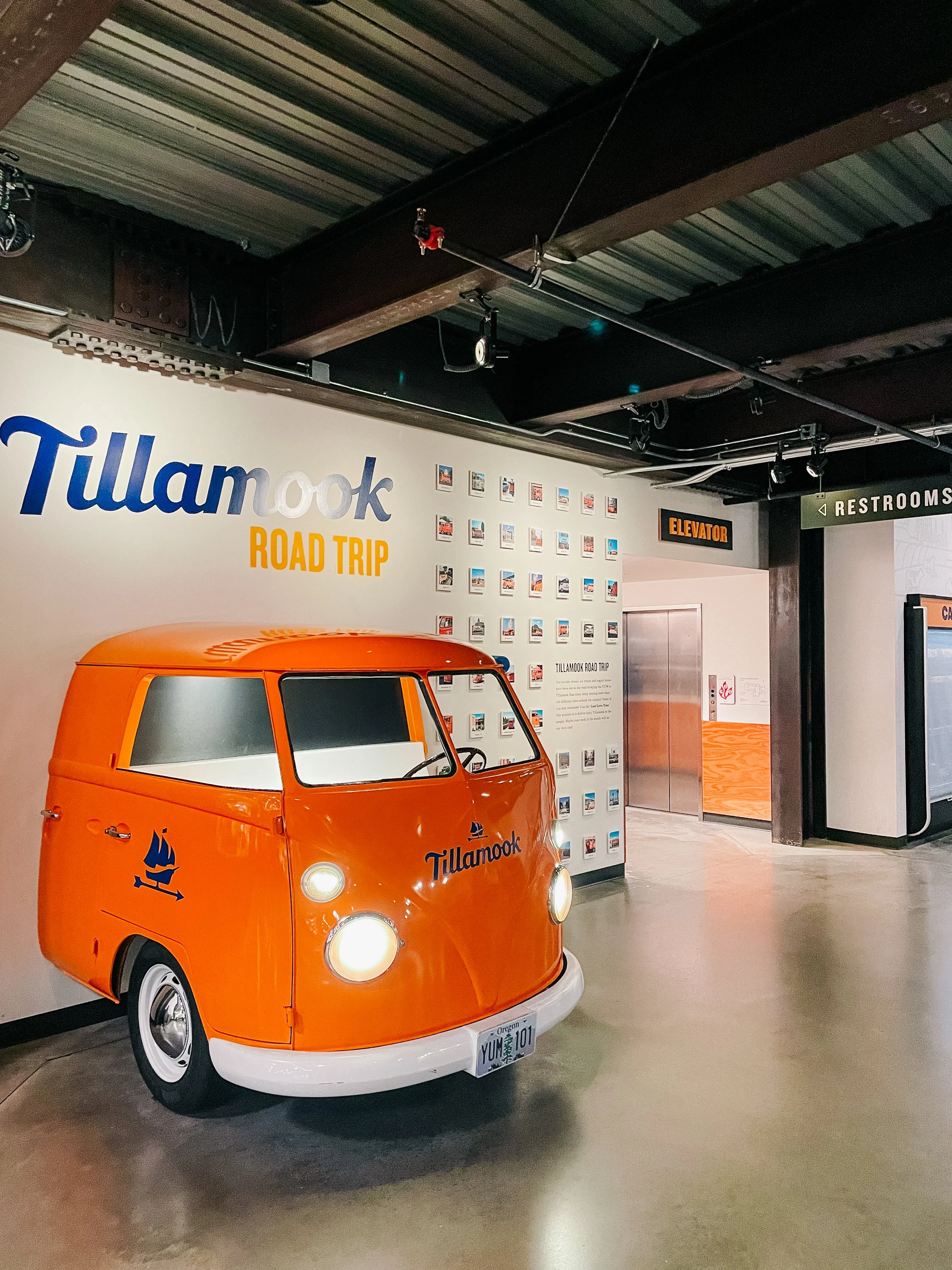
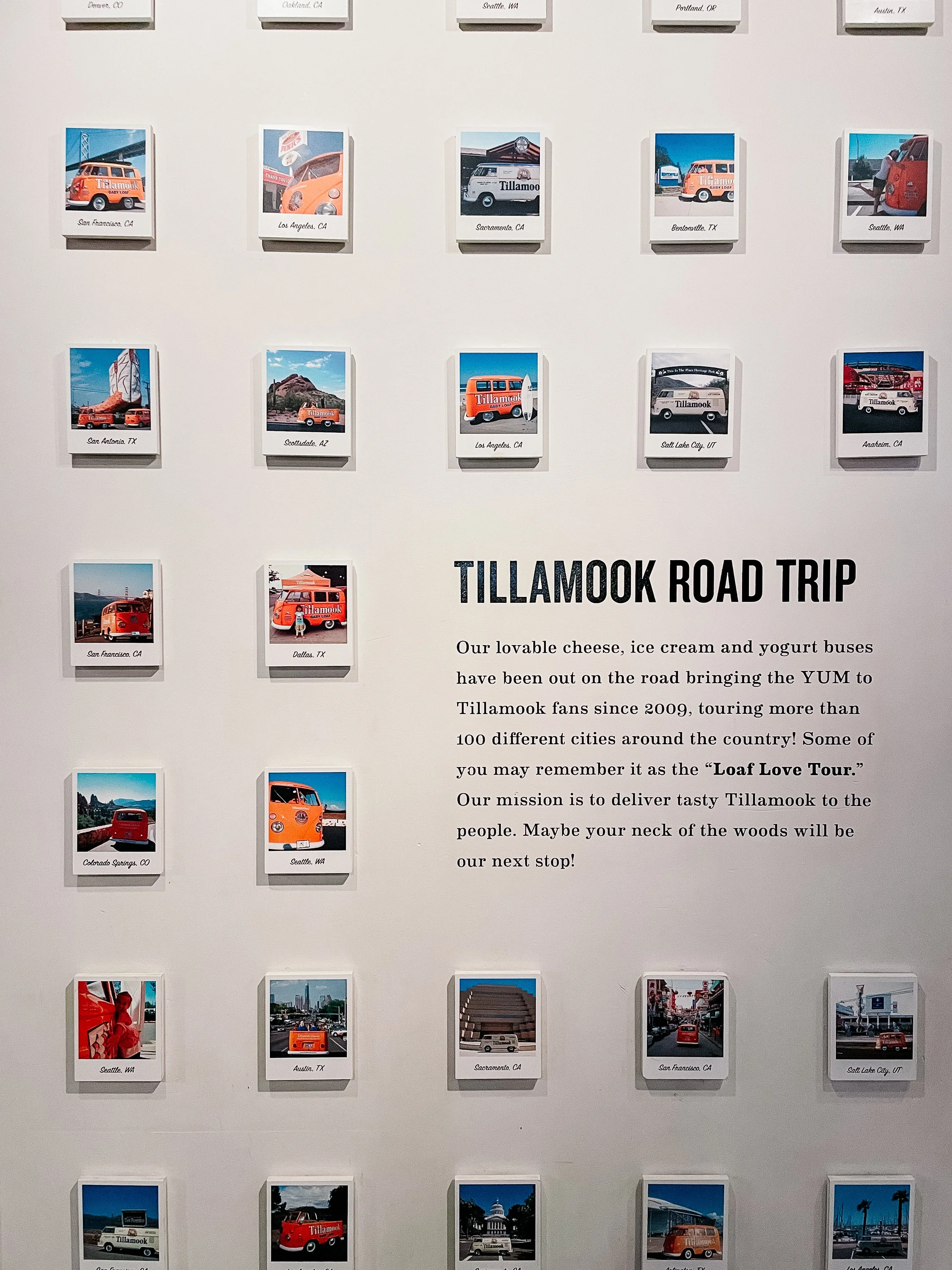
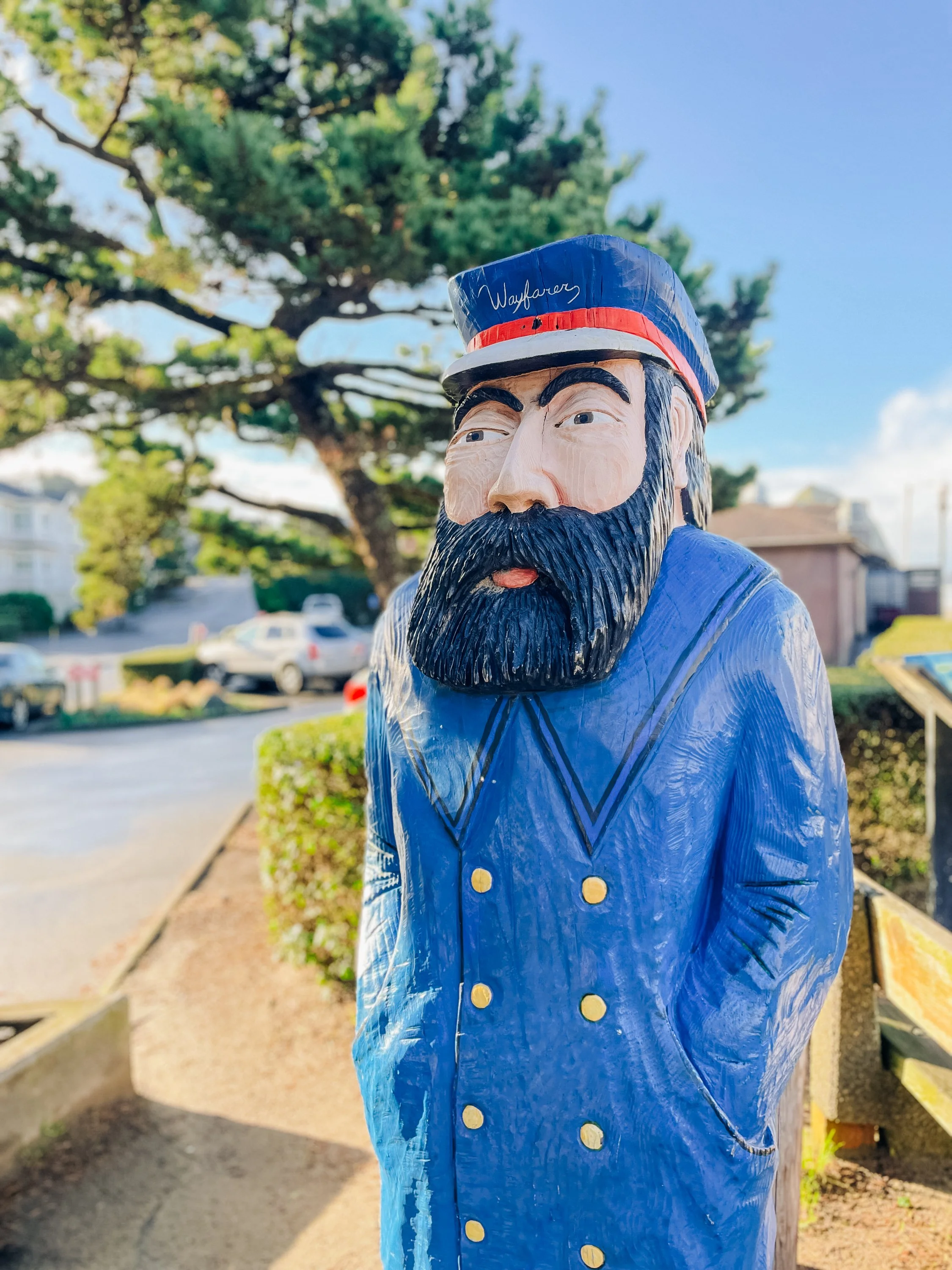
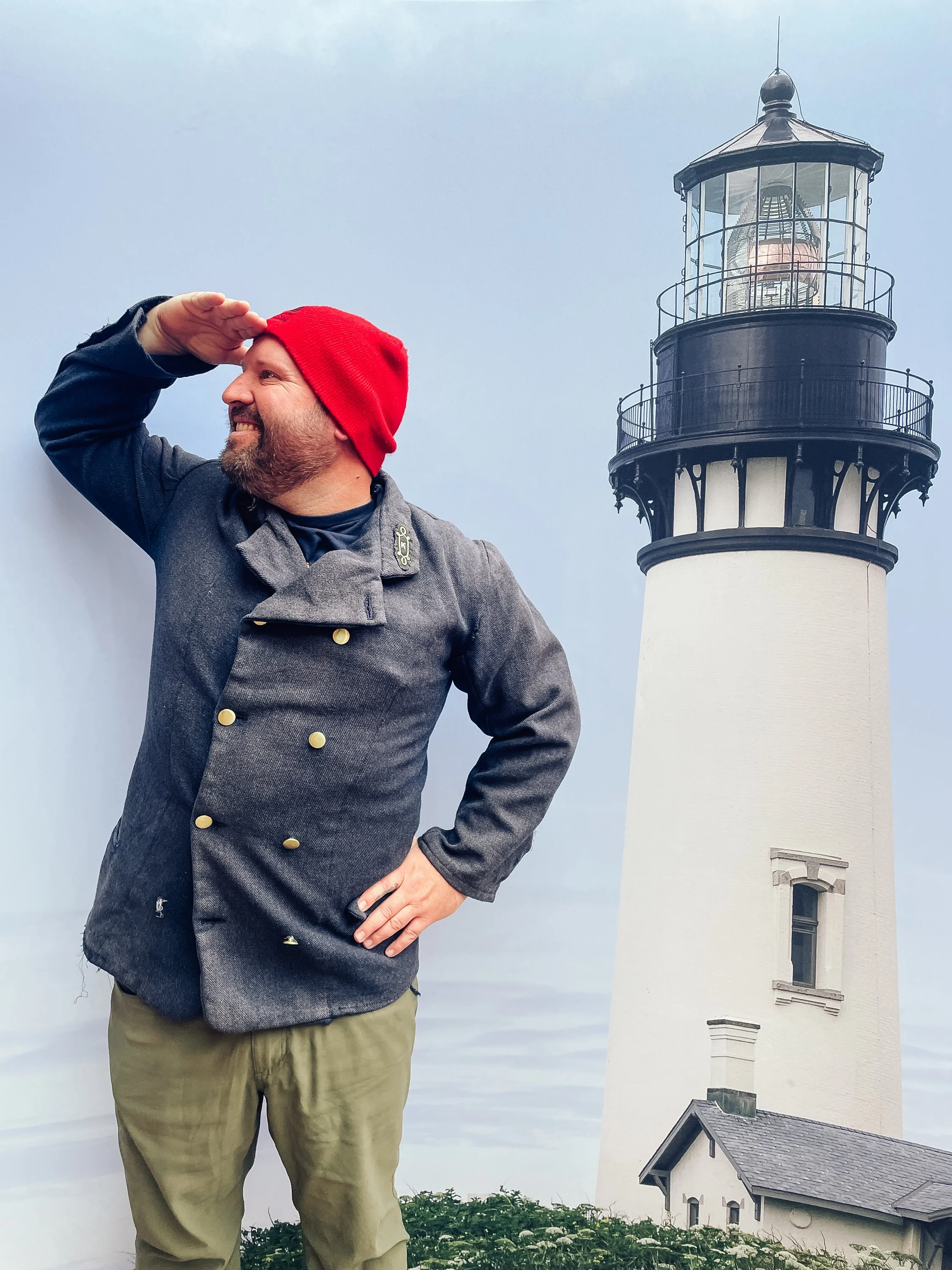
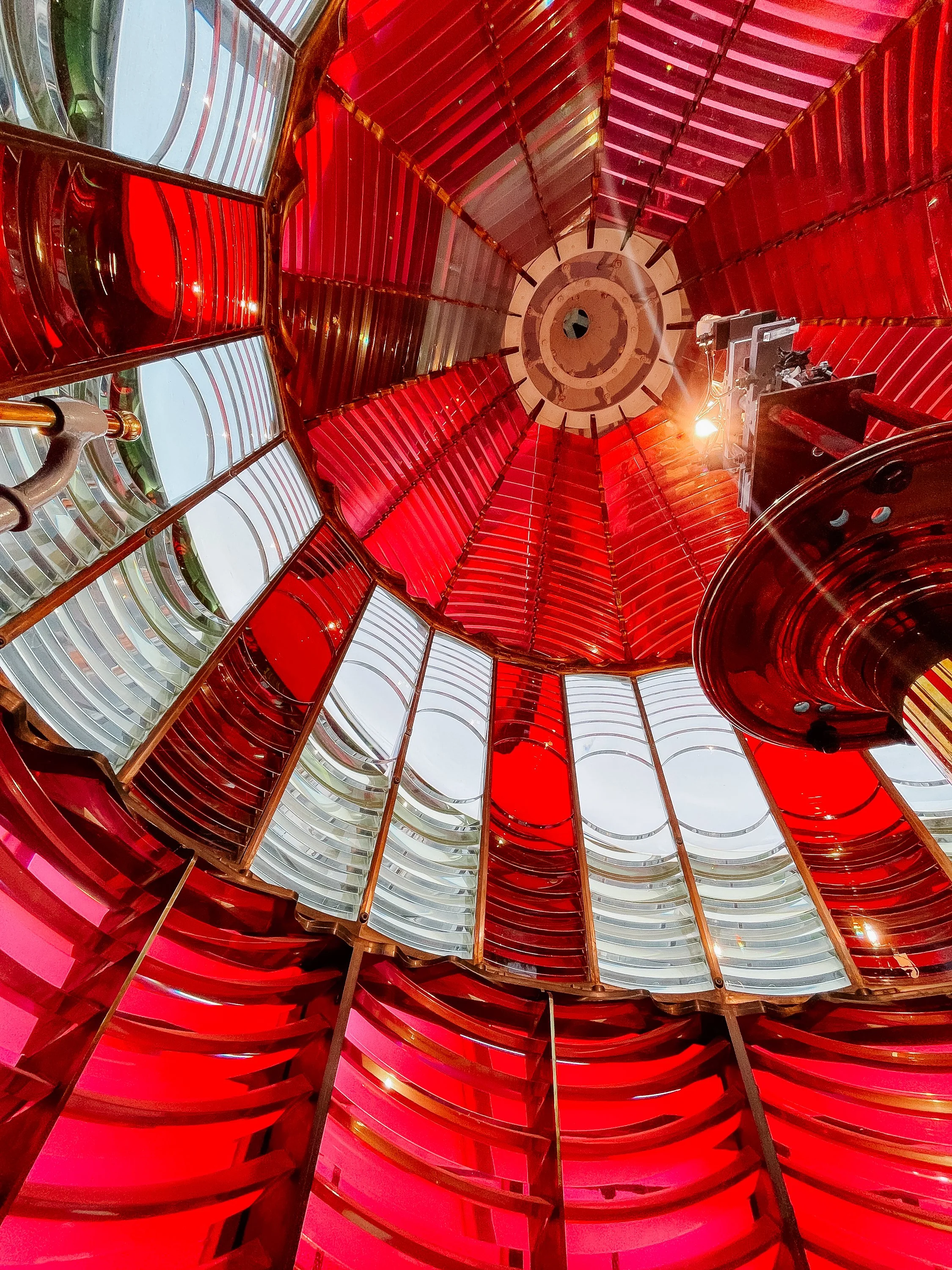
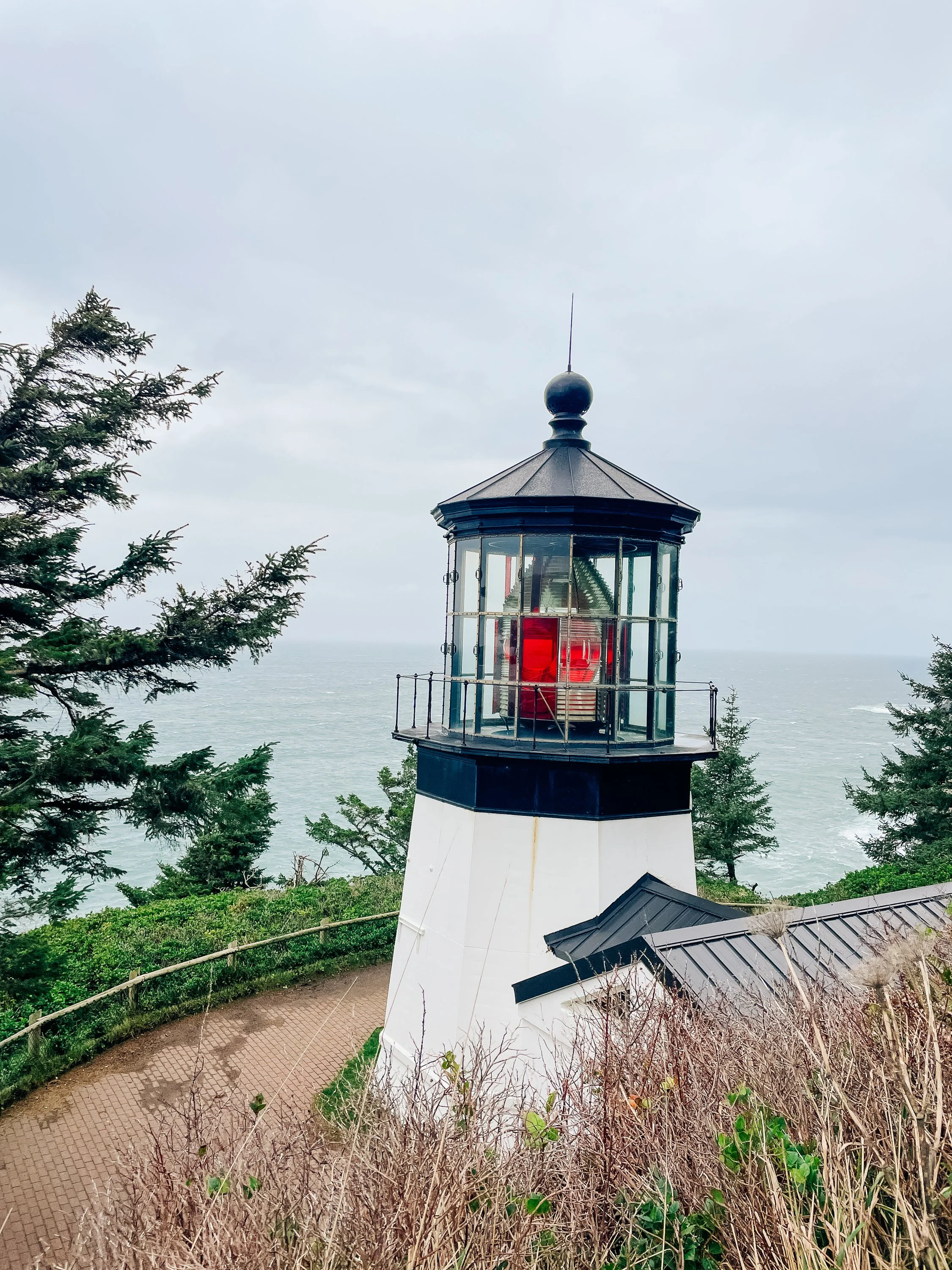
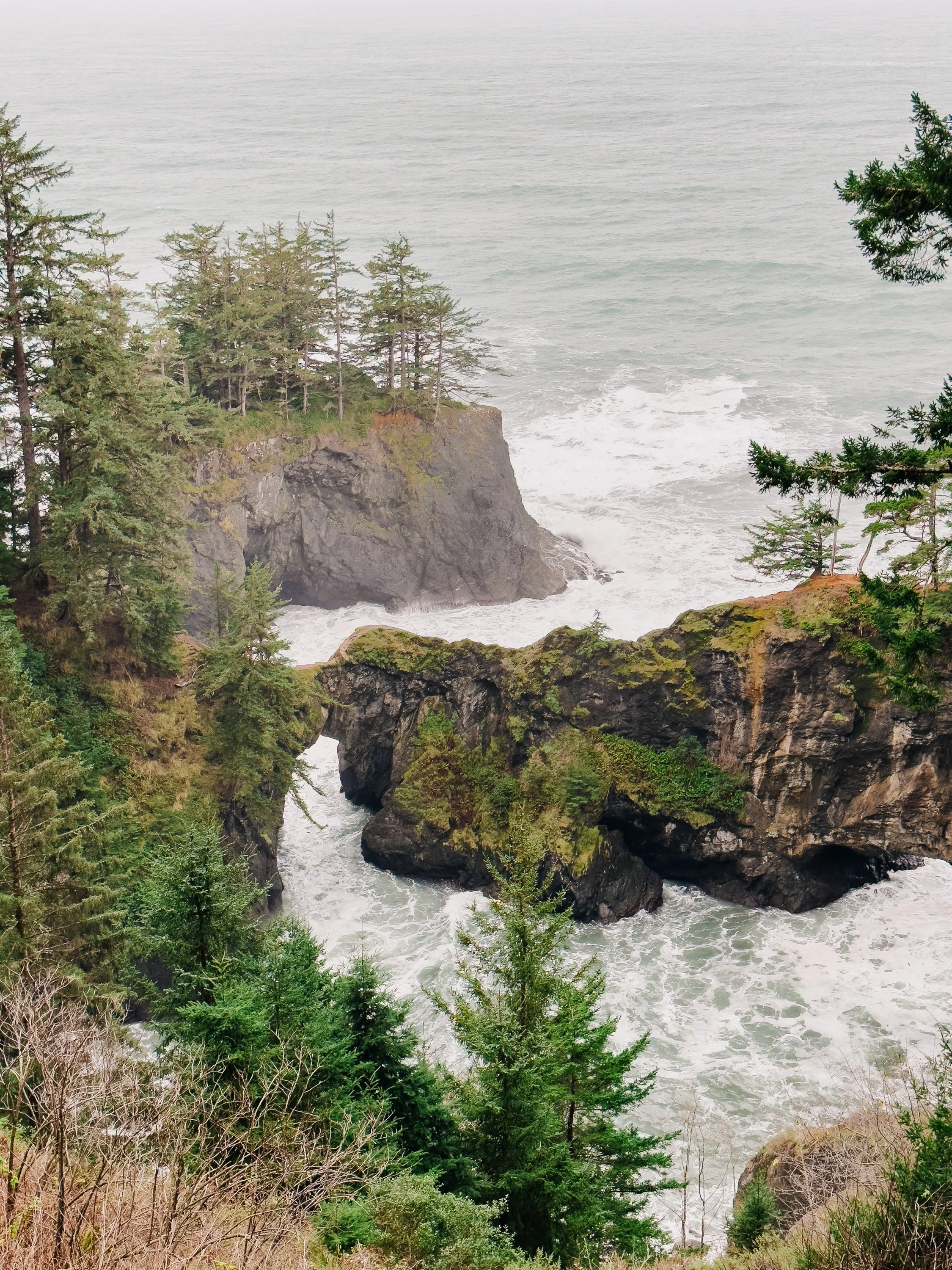
Along the coast we also visited some of our favorite lighthouses of the trip (from north to south): Cape Meares Lighthouse, Yaquina Bay Lighthouse, Heceta Head Lighthouse, and Umpqua River Lighthouse & Museum. Traveling through these places again — now by both land and sea — stirred memories from half a lifetime ago. When we drove through the Samuel H. Boardman State Scenic Corridor on an overcast, slightly rainy day in January, we stopped at a few hikes and overlooks that I distinctly remembered from that earlier trip.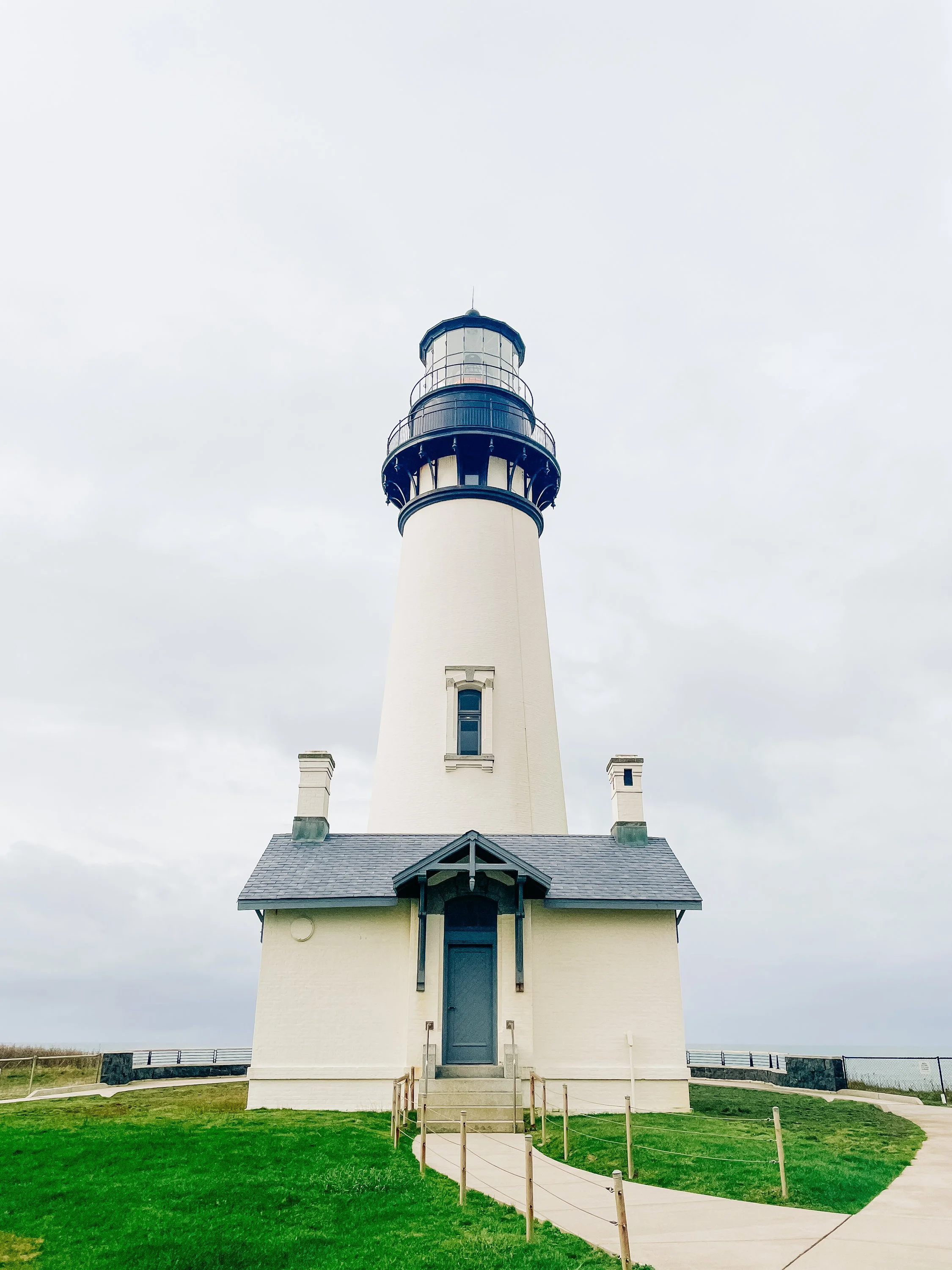
Northern California
Newport, Oregon → Tomales Bay → Monterey
Still behind schedule and with the river bar finally opened, we pointed Arcturus toward Tomales Bay, hoping to outrun the sequence of storms that had chased us down the coast. We therefore skipped the few and far spots we had hopped to stop (such as Port Orford, Crescent City) This particular stretch of coast between southern oregon and central California is very exposed and has very few places that are not river bars to stop with the boat.After a long transit down the coast of southern Oregon and northern California’s rugged coasts with no real feasible anchorages, we arrived in Tomales Bay at night, snaking slowly through narrow passages lined with sandbars and unlit buoys. We awoke the next morning to sunshine and small local motor boats out for a weekend away from the bustling center of San Francisco. From White Gulch Beach, we took the dinghy to shore and made our way to the Tomales Point Trail, where even more city weekenders were out for a walk in nature with their city clothes and fancy sneakers. We made our way down to the McClures Beach on the outer coast, where we spent the afternoon playing frisbee with our friends and watching a massive flock of gulls take off and relocate every time we got too close.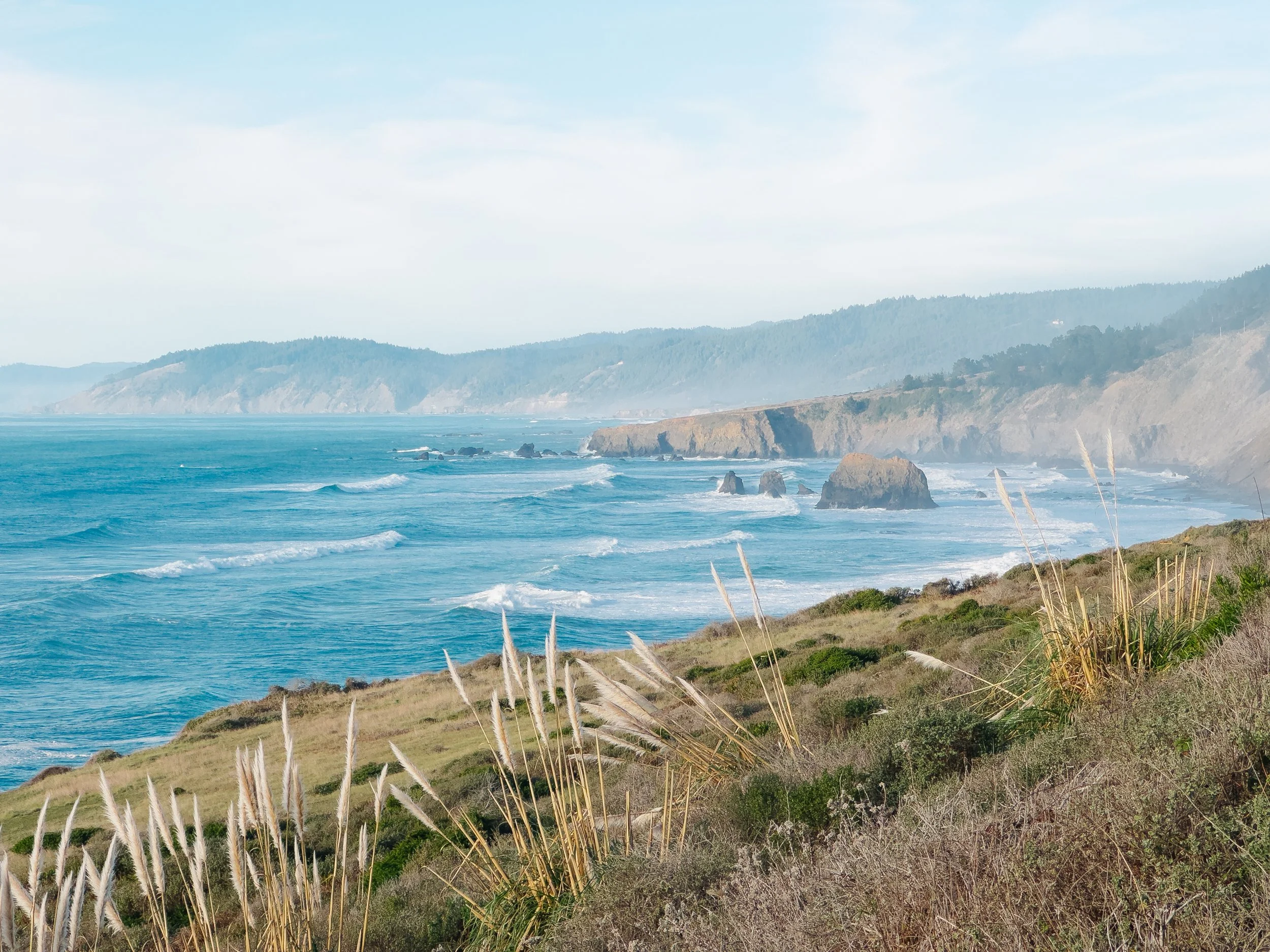
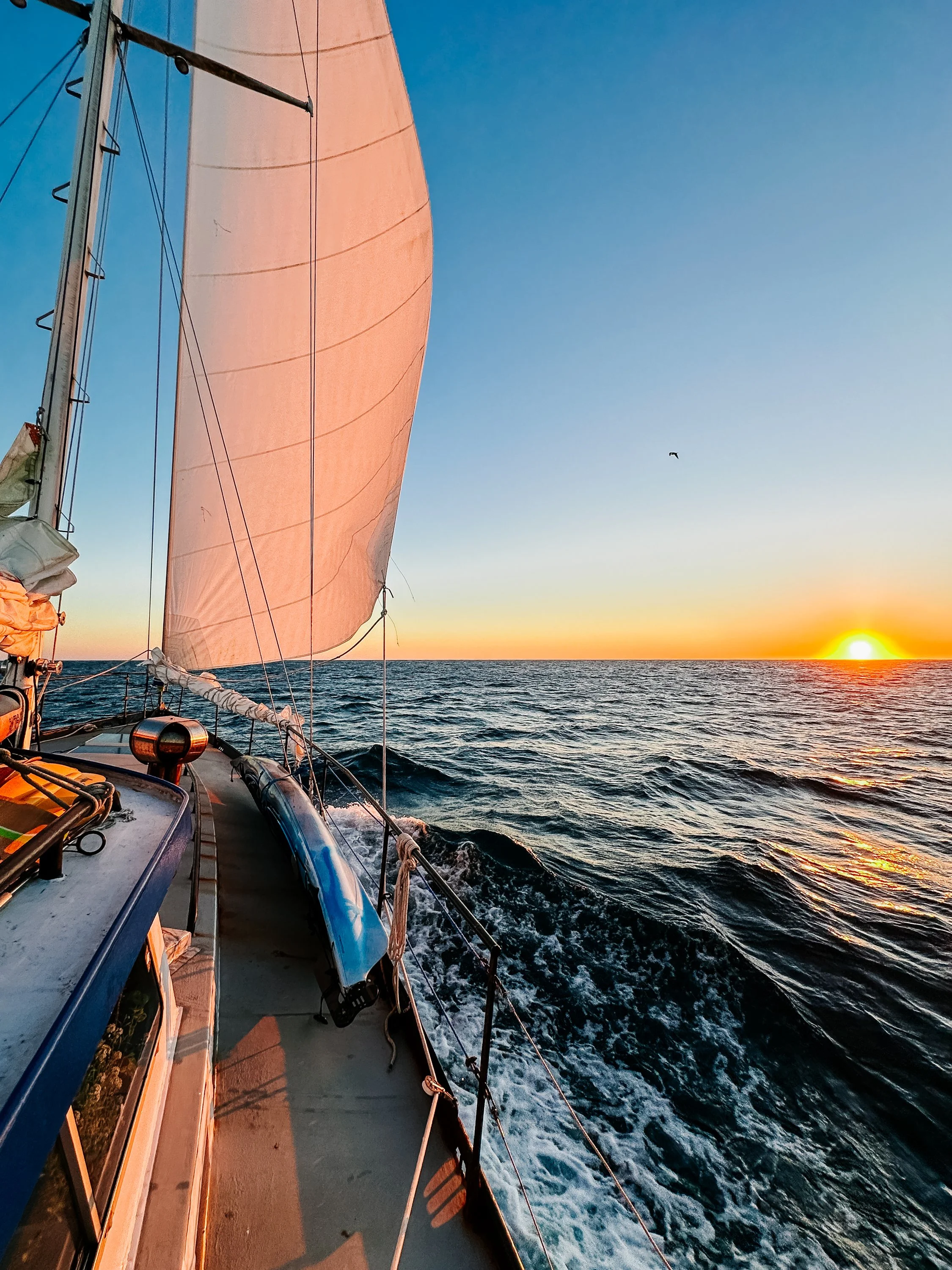
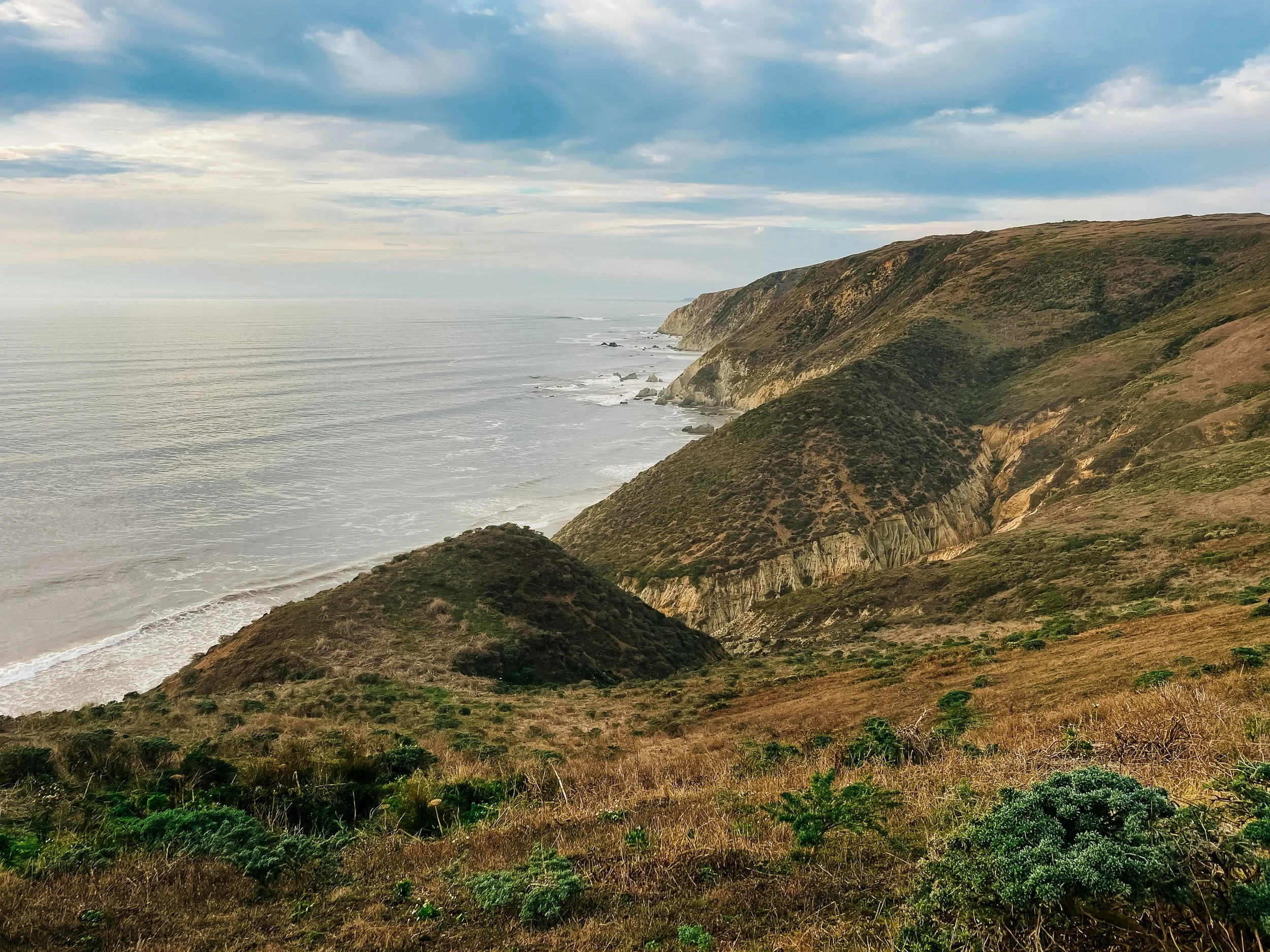
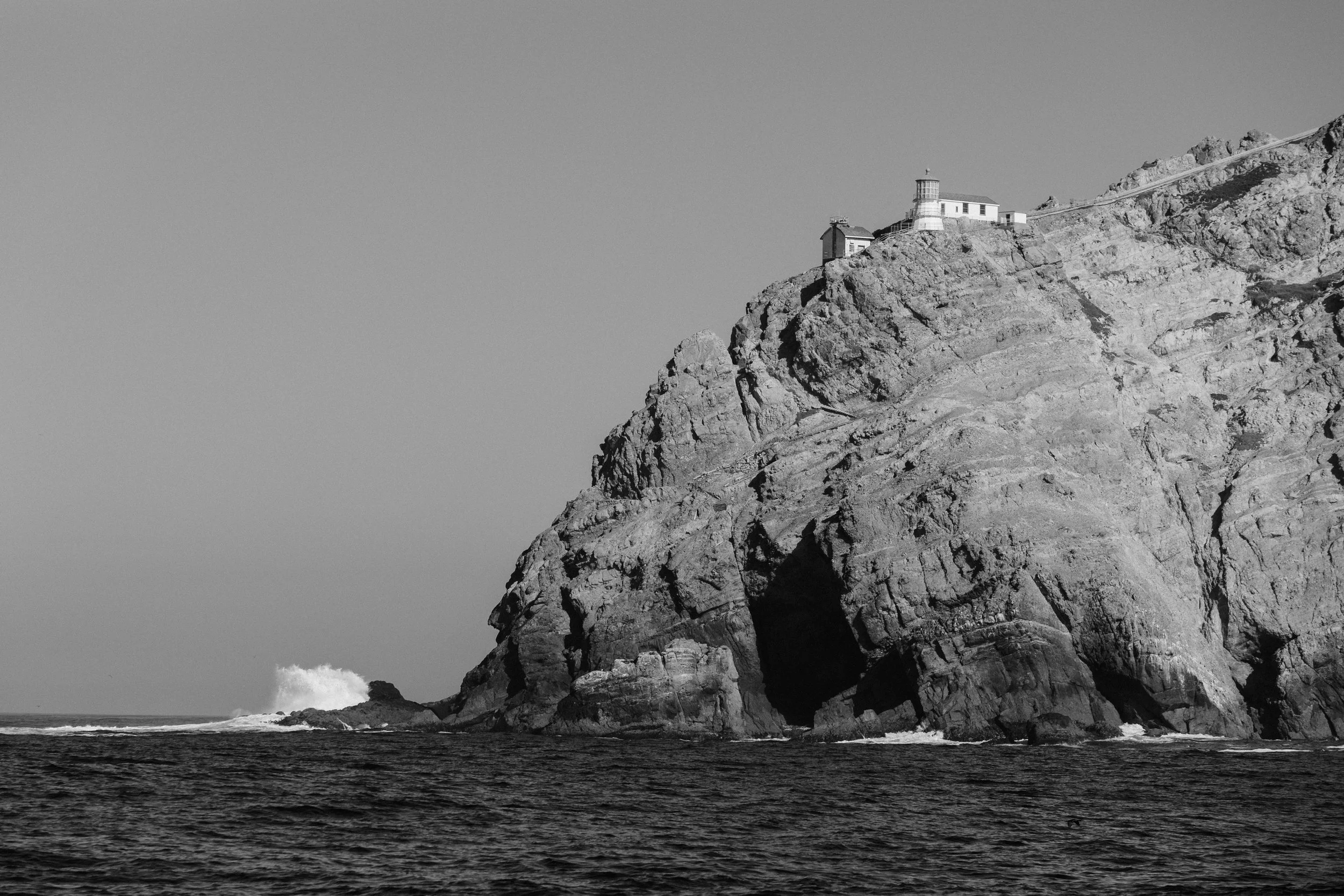
Exiting the bay the next morning was anything but quiet. While I was still asleep, Louie and the early-rising crew members were making their way out when a wall of water suddenly rose ahead of them. Arcturus launched above the wave, then came crashing down, hard enough that I bolted upright, convinced we’d struck the sandbar. Tomales Bay has a shallow mouth that with an outgoing tide and incoming swell can produce steep standing waves, which is all it was. Soon after, we rounded Point Reyes and got a rare glimpse of Point Reyes Lighthouse from the ocean, sitting atop staggering jagged cliffs of light tan. We carried on toward Half Moon Bay, passing San Francisco and catching a glimpse of the Golden Gate Bridge – a structure that never loses its magic, regardless of how many times you see it and from what angles.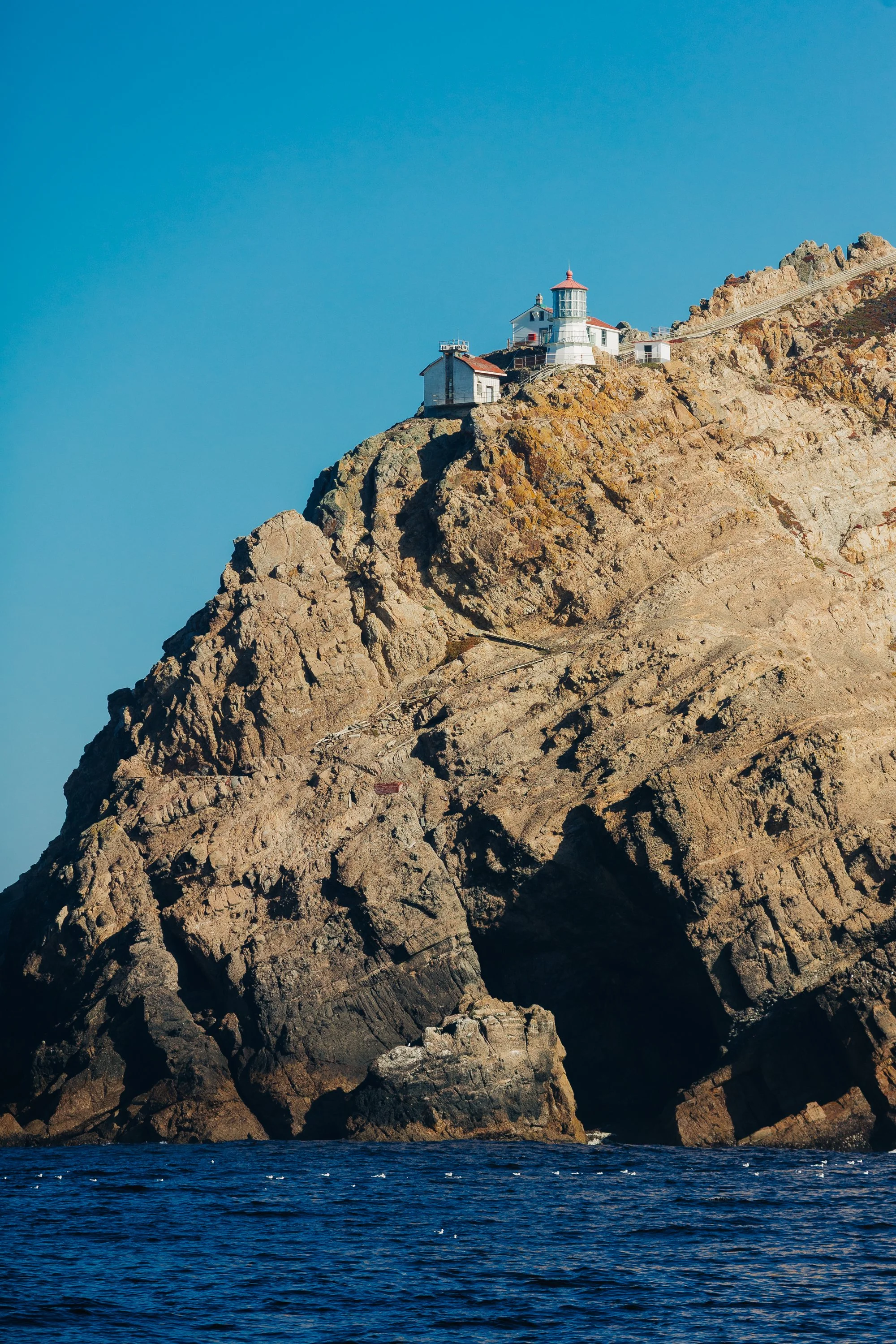
Our visits to Half Moon Bay and Monterey also stirred childhood memories I didn’t realize were still tucked inside me – I remembered coming here as a kid with my parents on summer road trips. Docked at the Monterey Municipal Marina, we lingered for several days wandering the city, and found the Monterey Peninsula Yacht Club to be one of the most welcoming stops along the entire coast.Road Trip Echo:
Our road trip time in Northern California was quite different, as we didn't take the coastal route. We made an off-season stop off to camp at Redwood National Park, and paid a visit to our friends who run The Peg House, a road side stop that is famous for great food and good music in the summertime. We didn’t make many city stops and instead tried to get north of the Bay Area.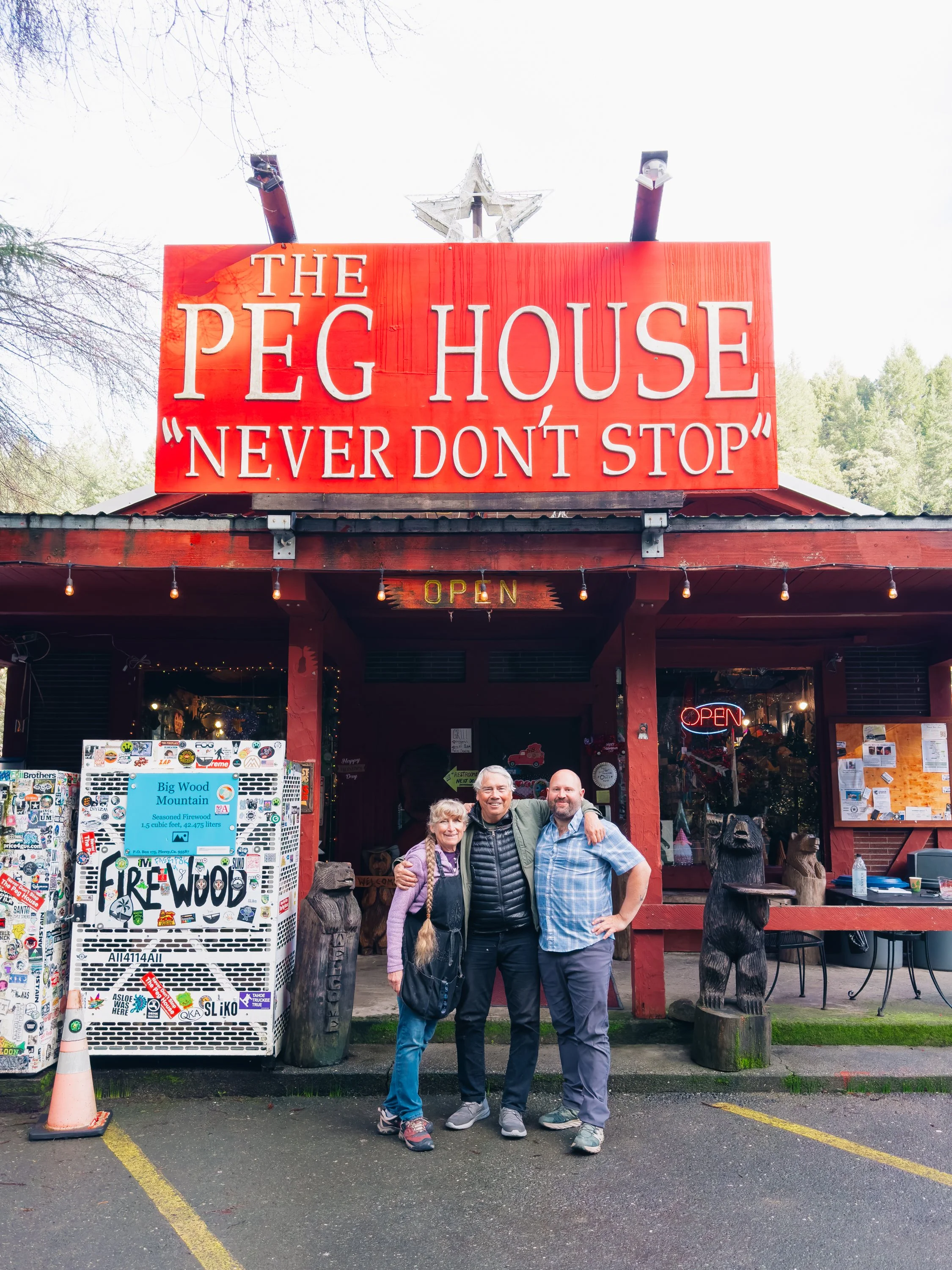
Southern California
Monterey → Santa Barbara
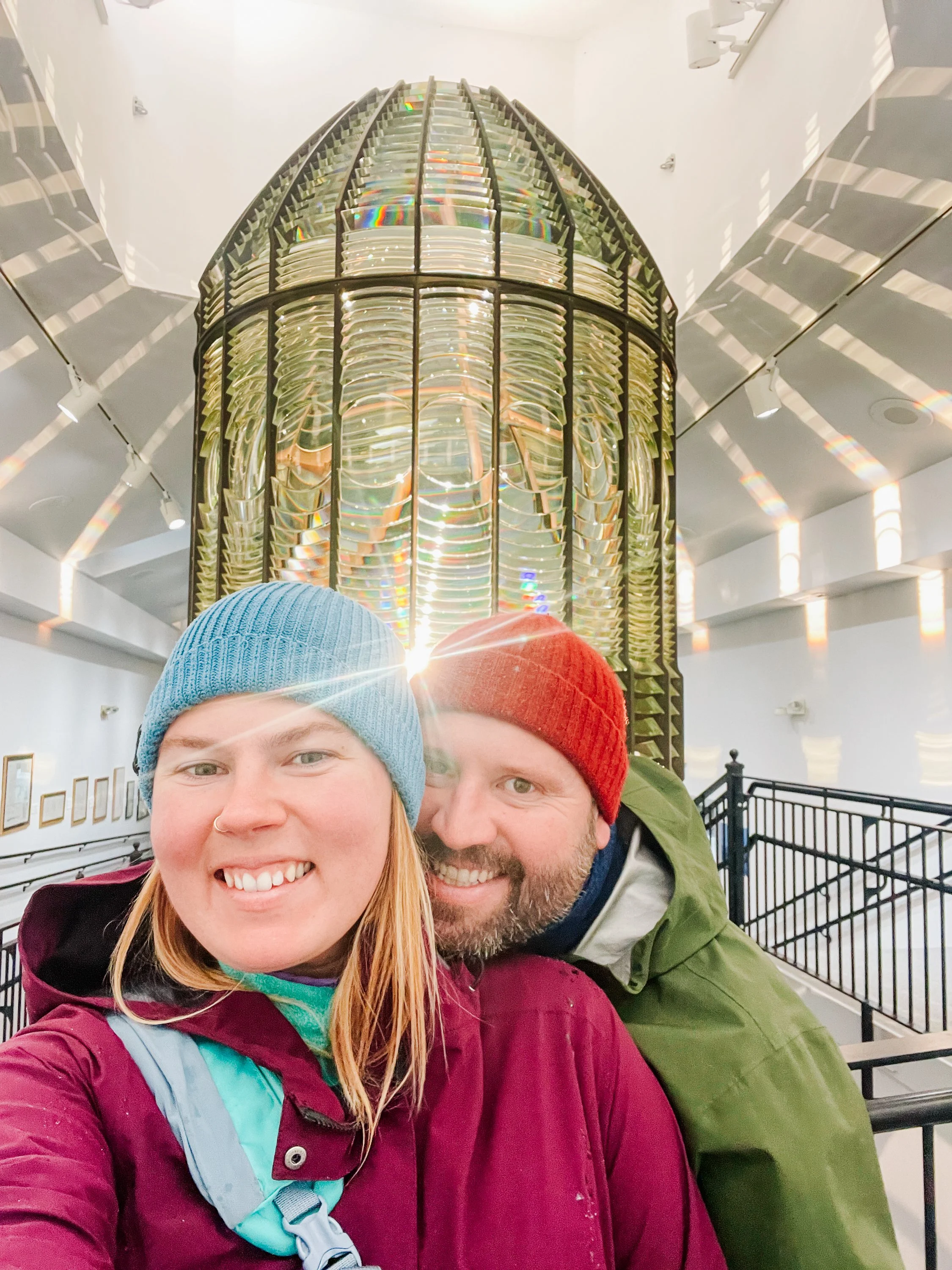
Southern California was home for more than fifteen years, and approaching it by sea was deeply surreal. From Monterey, we aimed straight for Santa Barbara; We wanted to stop in Morro Bay, but after so many weather setbacks and river bar closures, we didn’t dare risk it when conditions were not quite perfect. So we set off for our 30 hour transit from Santa Barbara, and sure enough, the Morro Bay river bar closed the very night we passed it offshore.While we did our night-watches under the nearly full moon, I couldn't help feeling giddy to return to Santa Barbara, this time aboard a boat I now called home. Near dawn, approaching Point Conception, I emerged from sleeping while Louie was on deck making sail changes with the backdrop of this headland that is especially close to my heart. Before I moved away from Santa Barbara, we had visited the Dangermond Preserve and looked down on the Point Conception Lighthouse from above. My mom worked at the Santa Barbara Maritime Museum, where the original Fresnel Lens from that lighthouse is displayed.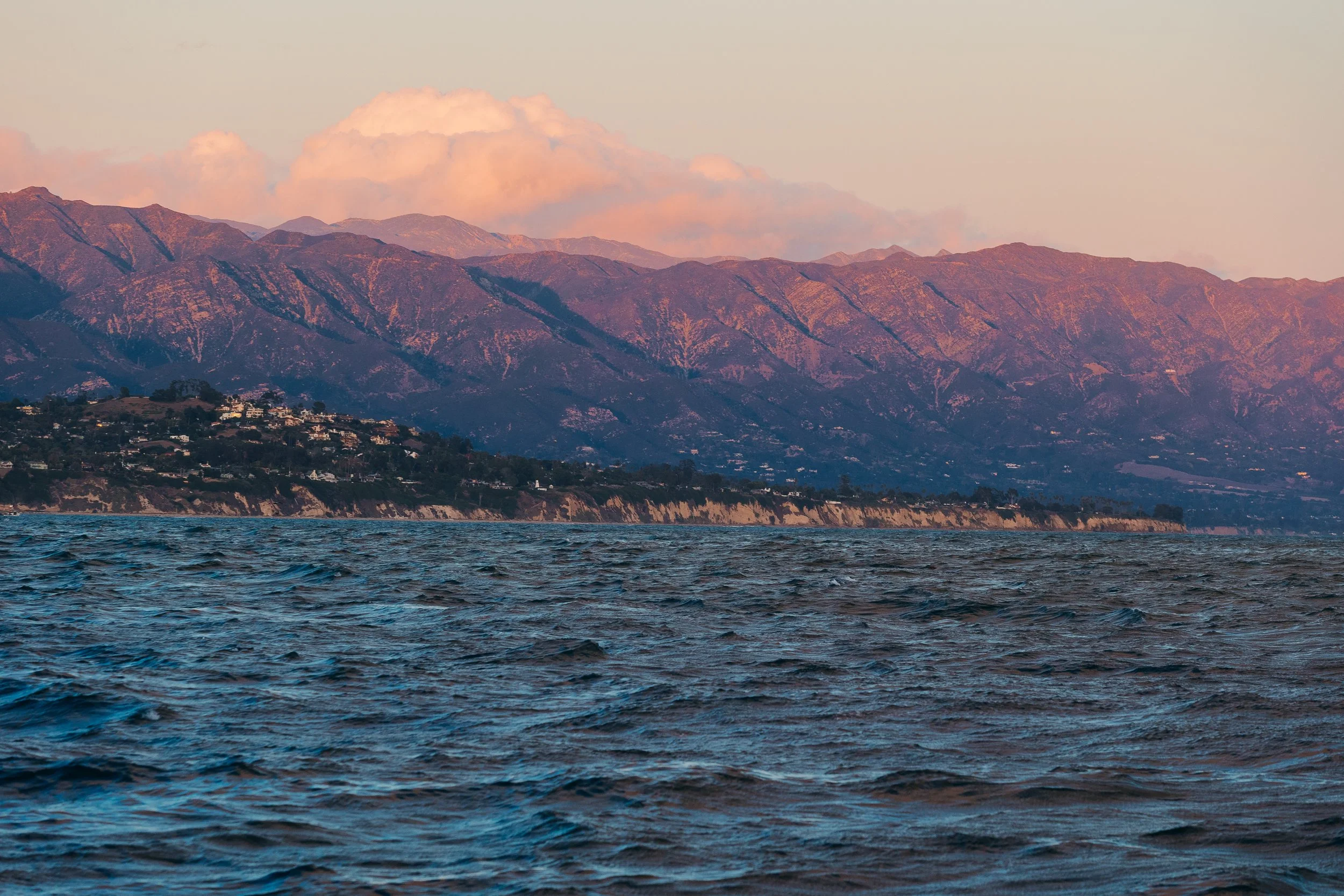
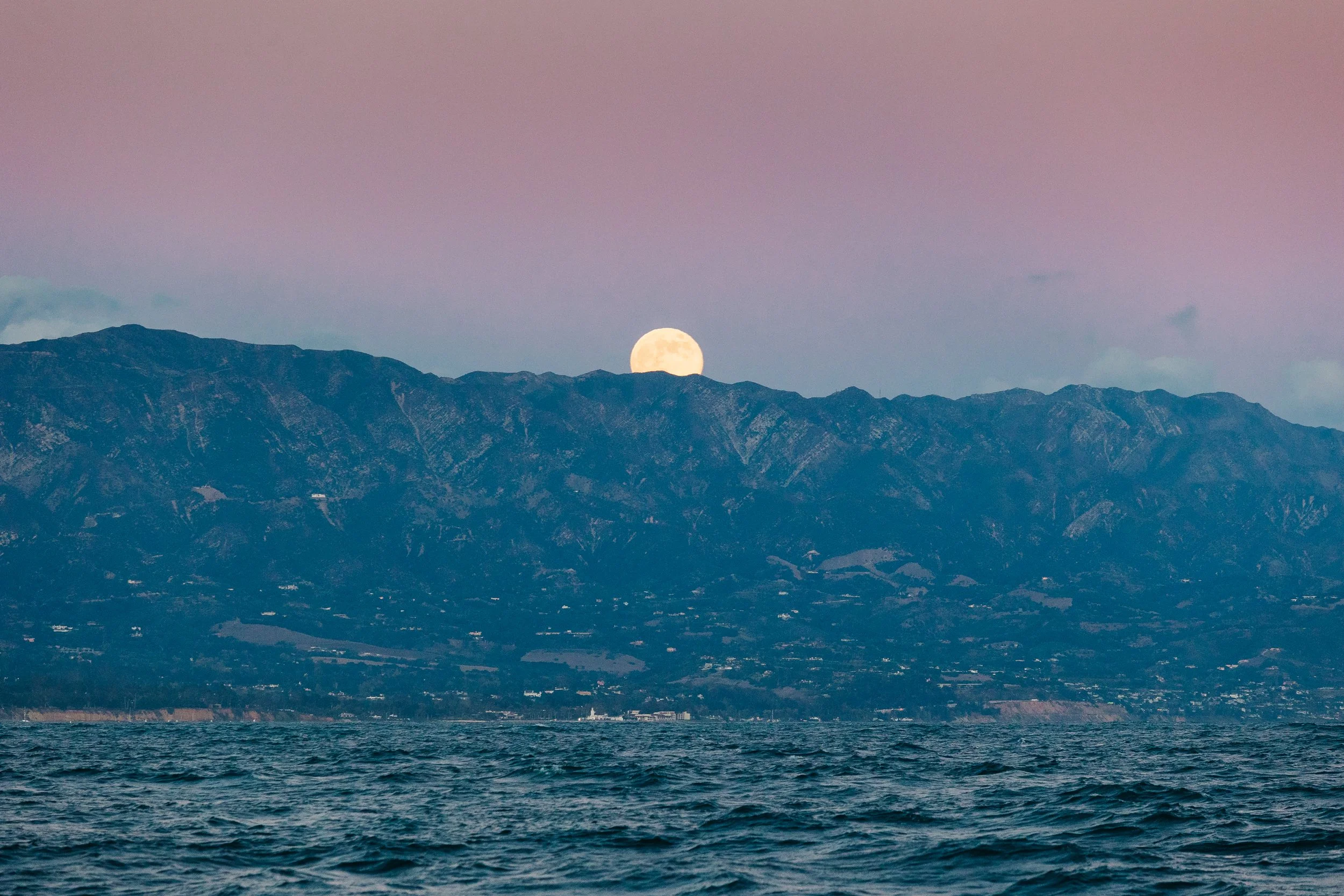
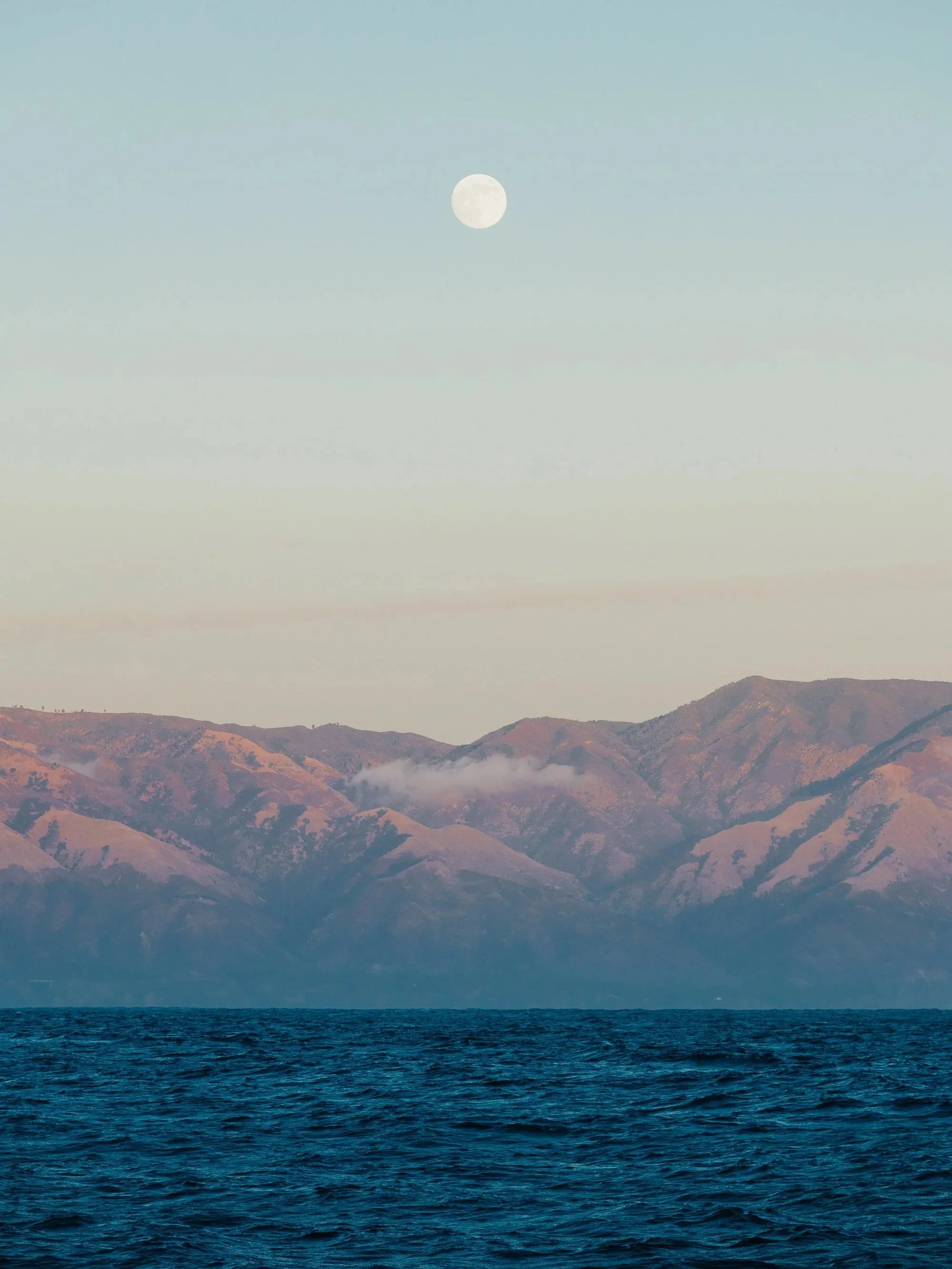
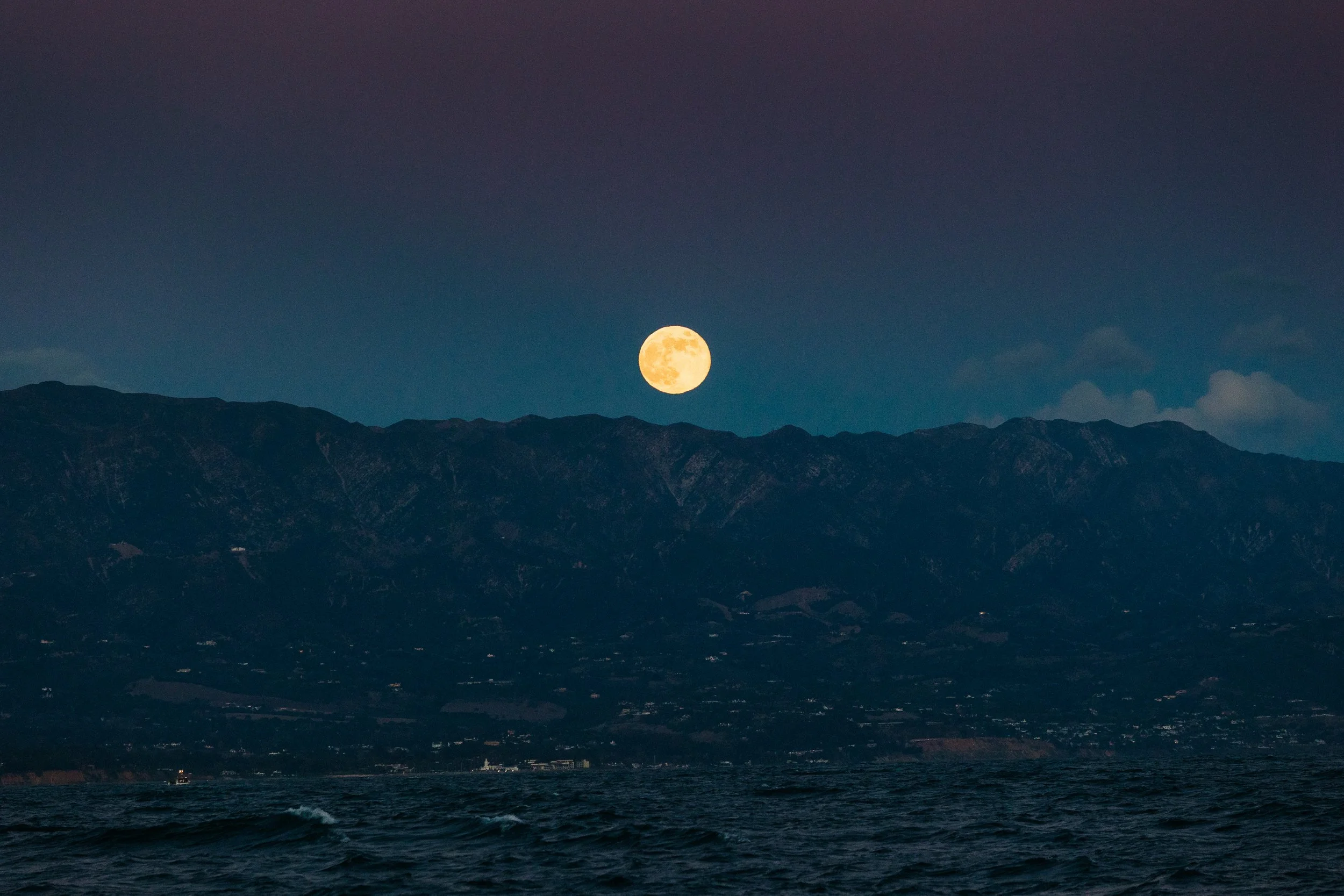
Drifting past Gaviota, some of the last undeveloped coastline in Southern California, I felt the full strangeness of the moment. I had driven Highway 101 along this coastline hundreds of times, yet seeing it from the sea made everything feel new, unfamiliar, vivid. We sailed along the coast of Santa Barbara just as the sun was setting, and shortly after saw the full moon rise over the mountains. It felt like quite the scenic homecoming to be welcomed back with such color and celestial timing.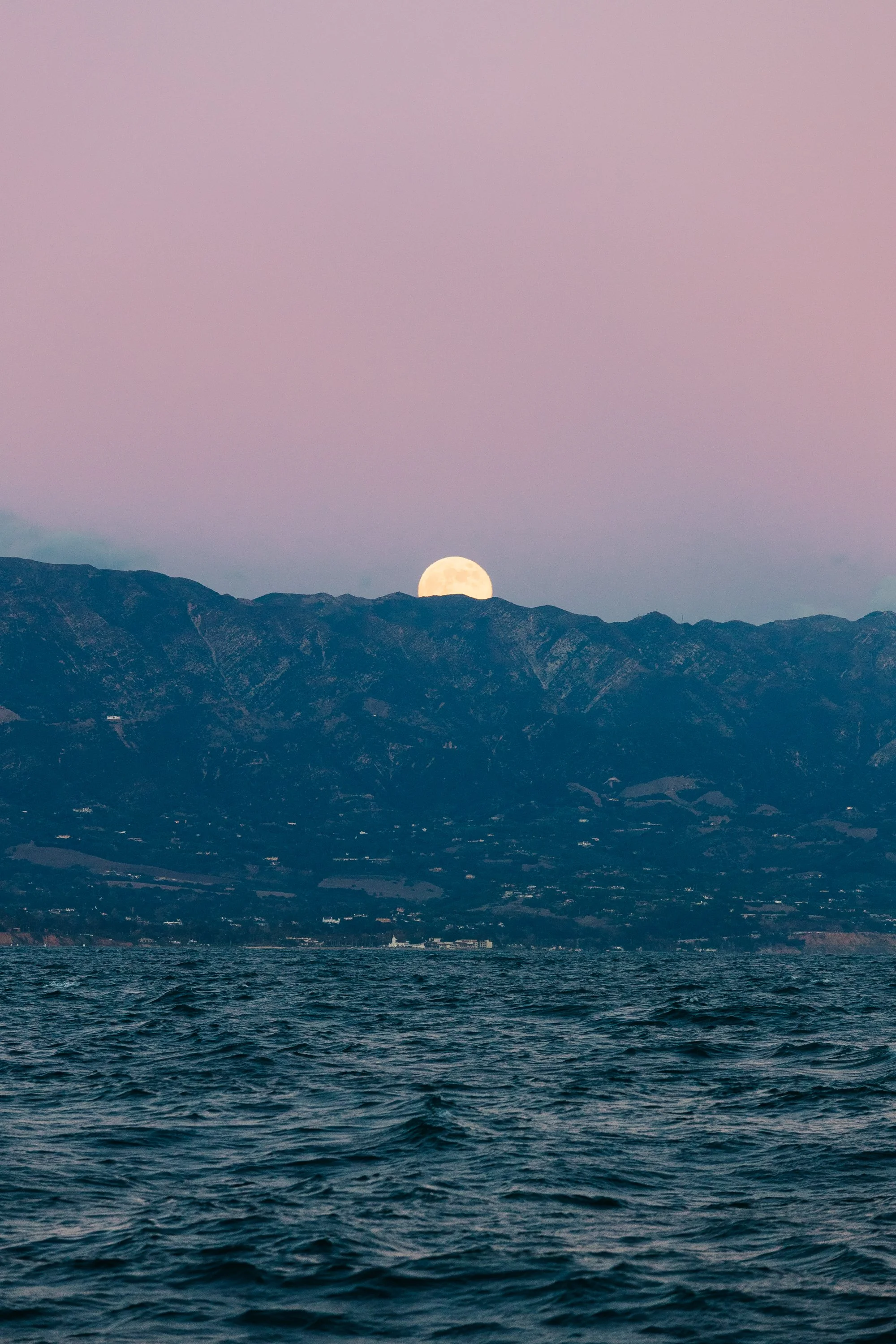
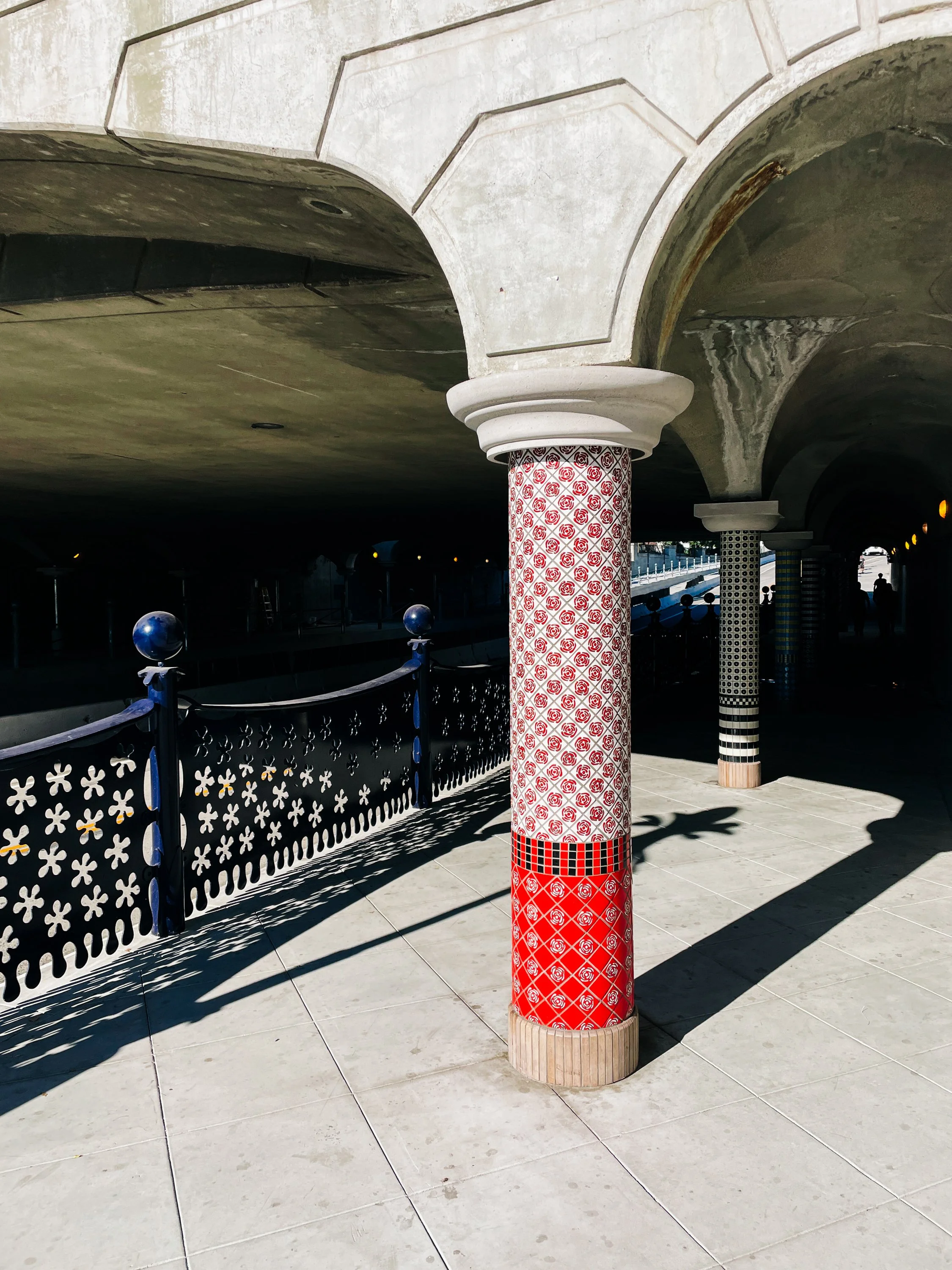
Once in Santa Barbara after our 30 hour sail, we safely docked in the Santa Barbara Harbor, a place I had visited many a time in the 15 years I lived there. We filled our days with as much as we could reach on foot from the harbor, hosted old friends aboard for dinners, and even became a tiny tourist attraction for Lil’ Toot, the cheerful water taxi ferrying visitors to Stearns Wharf. It was the most surreal blending of worlds to have my new home on the water just down the street from my favorite taco shop, Mony’s Mexican Food in Santa Barbara's Funk Zone, re-provisioning at Santa Cruz Market, and looking out the kitchen window as I watched paddlers of outrigger canoe club I formerly paddled with cruising by as I washed dishes on a Saturday morning.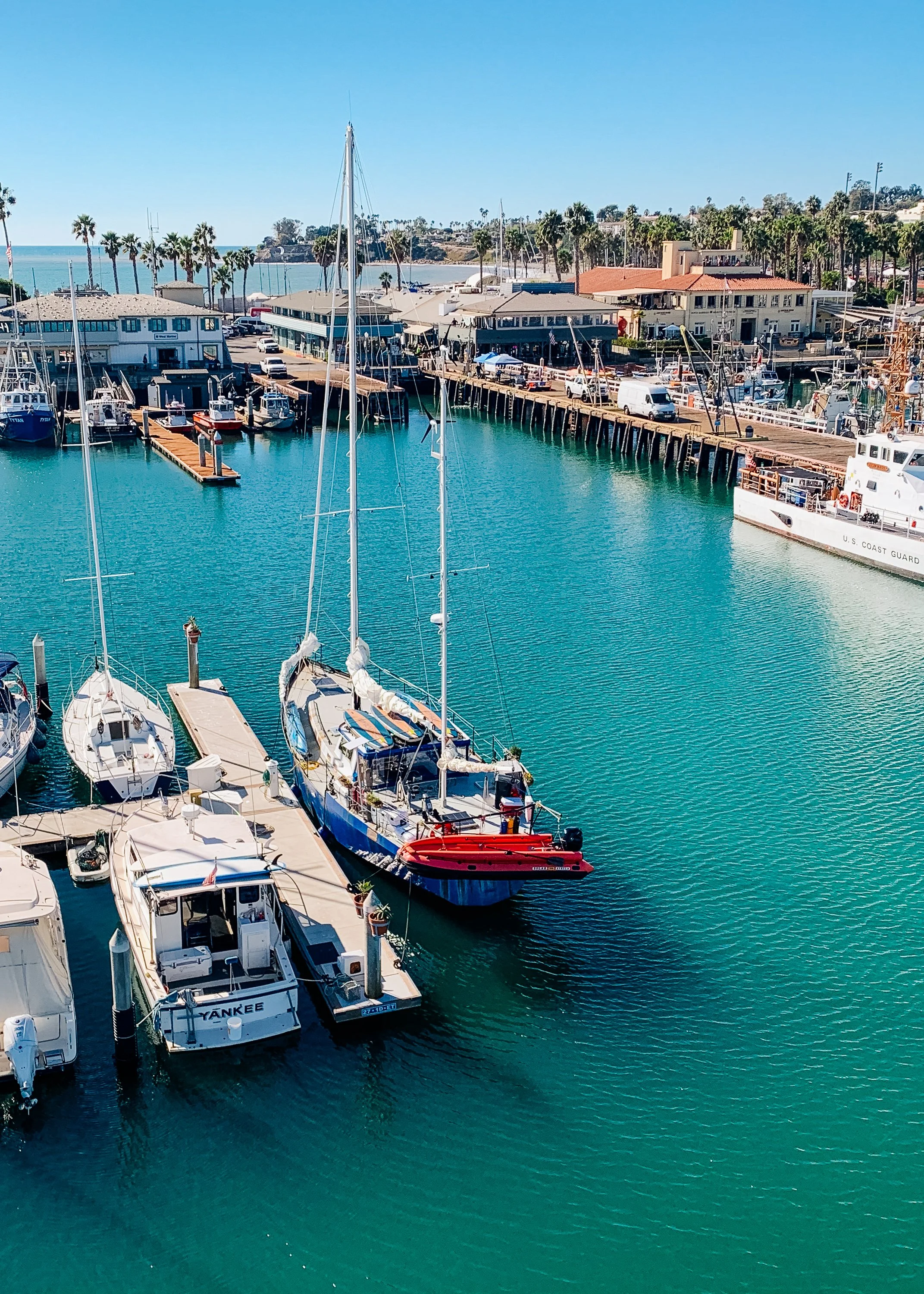
Santa Cruz Island → Santa Barbara Island → Catalina Island
At the end of the weekend in Santa Barbara, we set sail for Santa Cruz Island with several of my outrigger paddling friends from the Santa Barbara Outrigger Canoe Club. Though it was my third visit to the island, it was my first time exploring the more rugged south side, and it was interesting to reflect and to realize how little of it I had truly seen despite its proximity to the mainland. We rounded the west end of the island and watched the sunset from our anchorage at Forney Cove, the cliffs glowing amber in the fading light.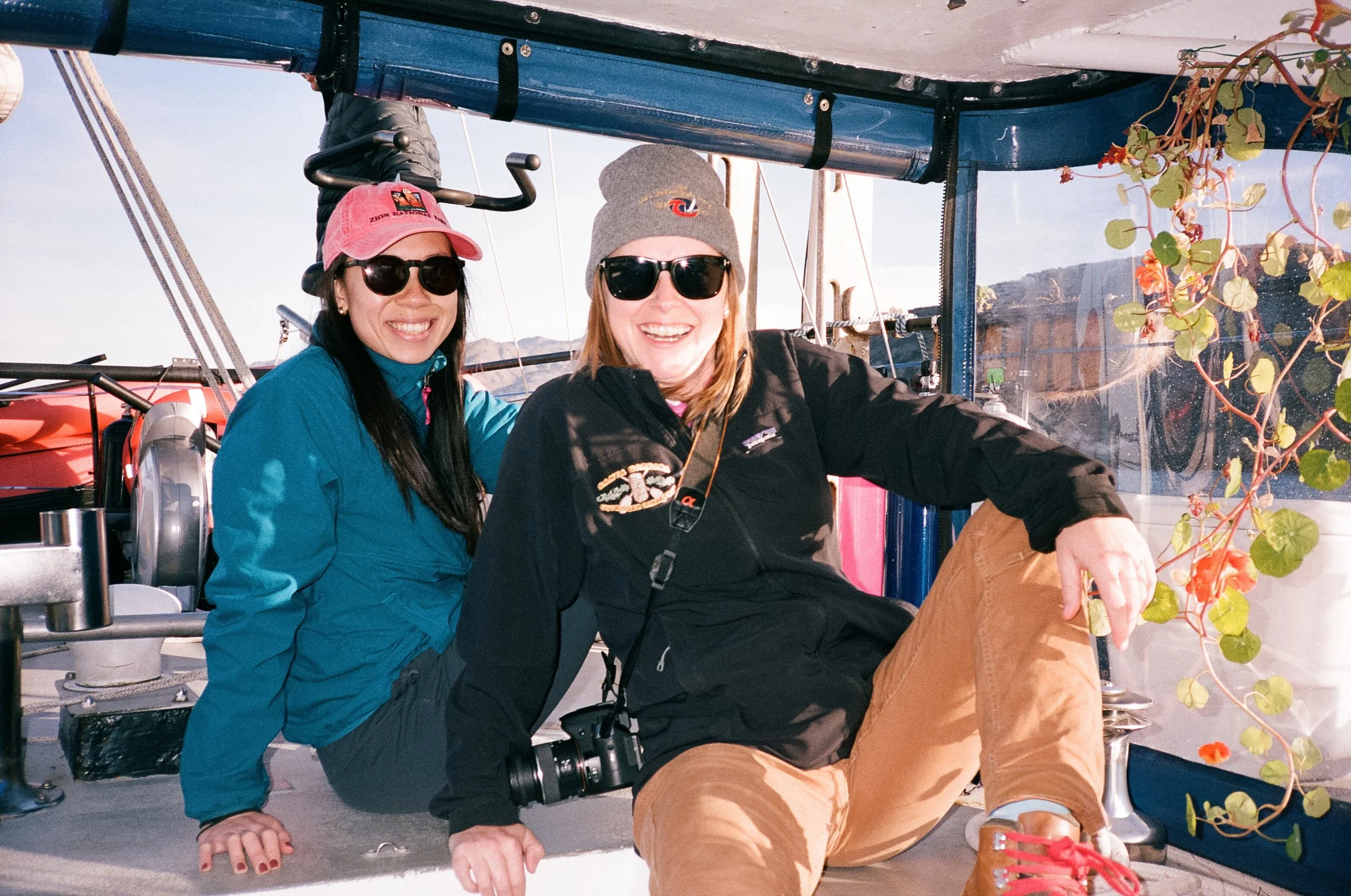
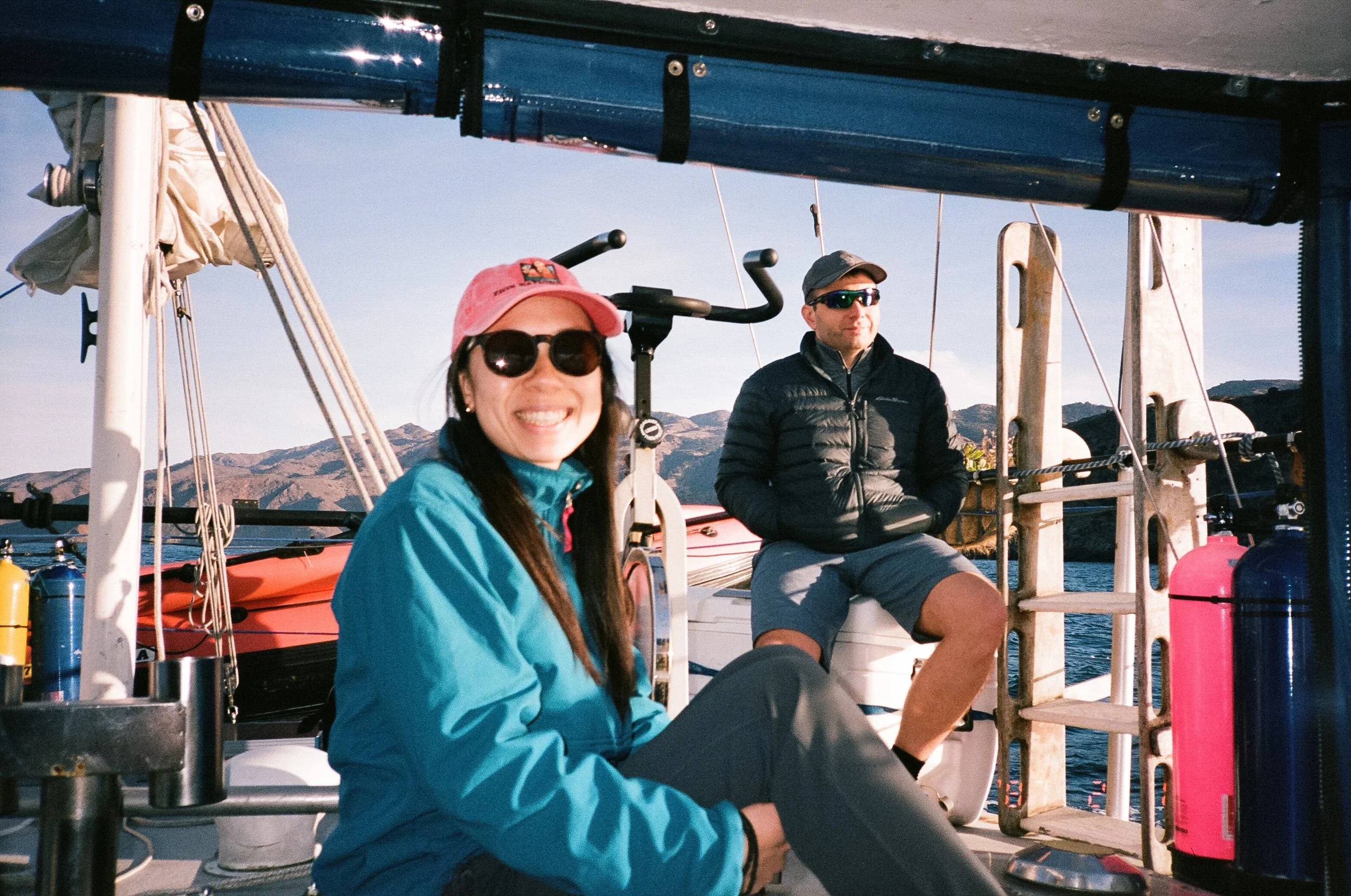
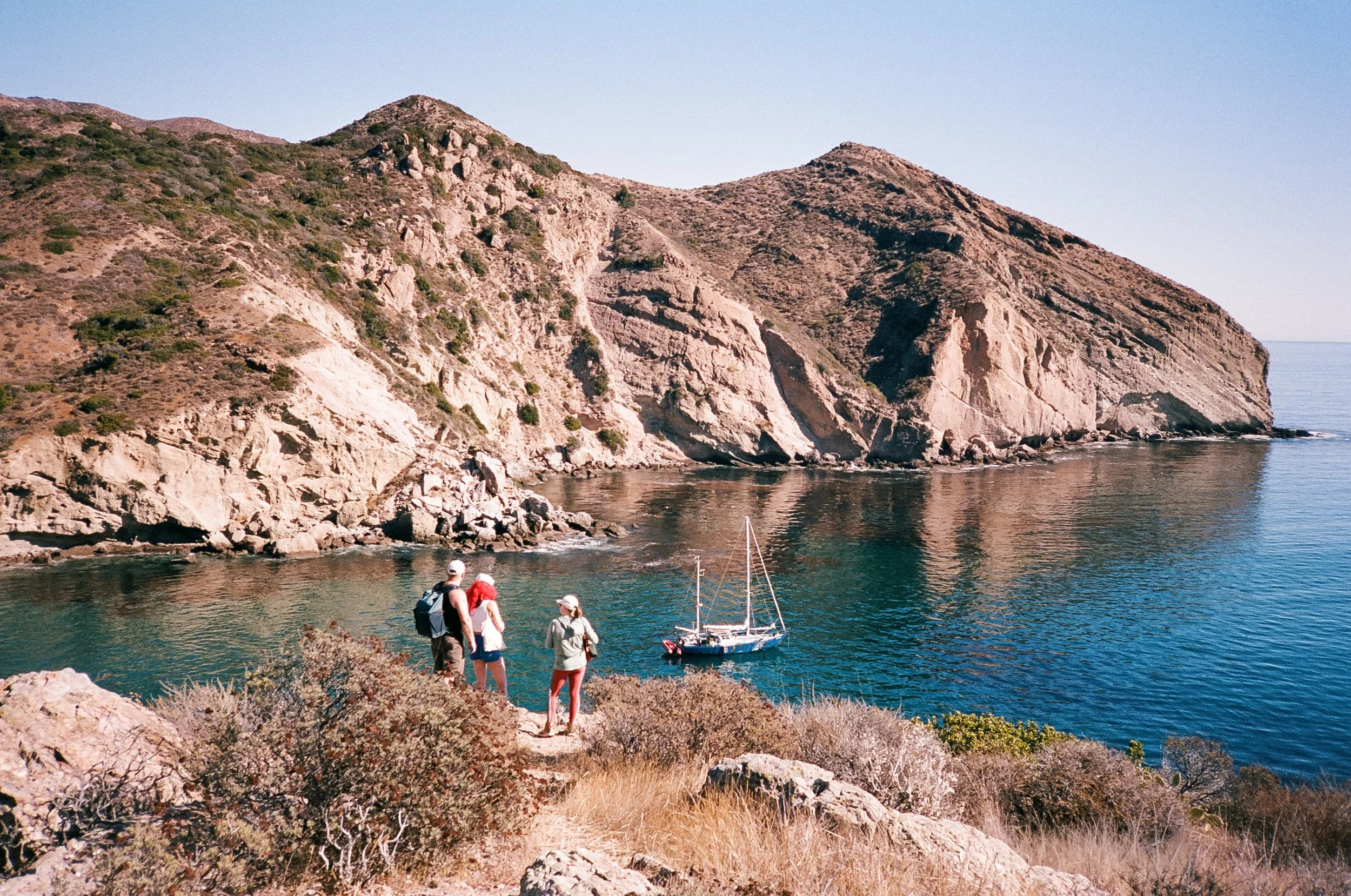
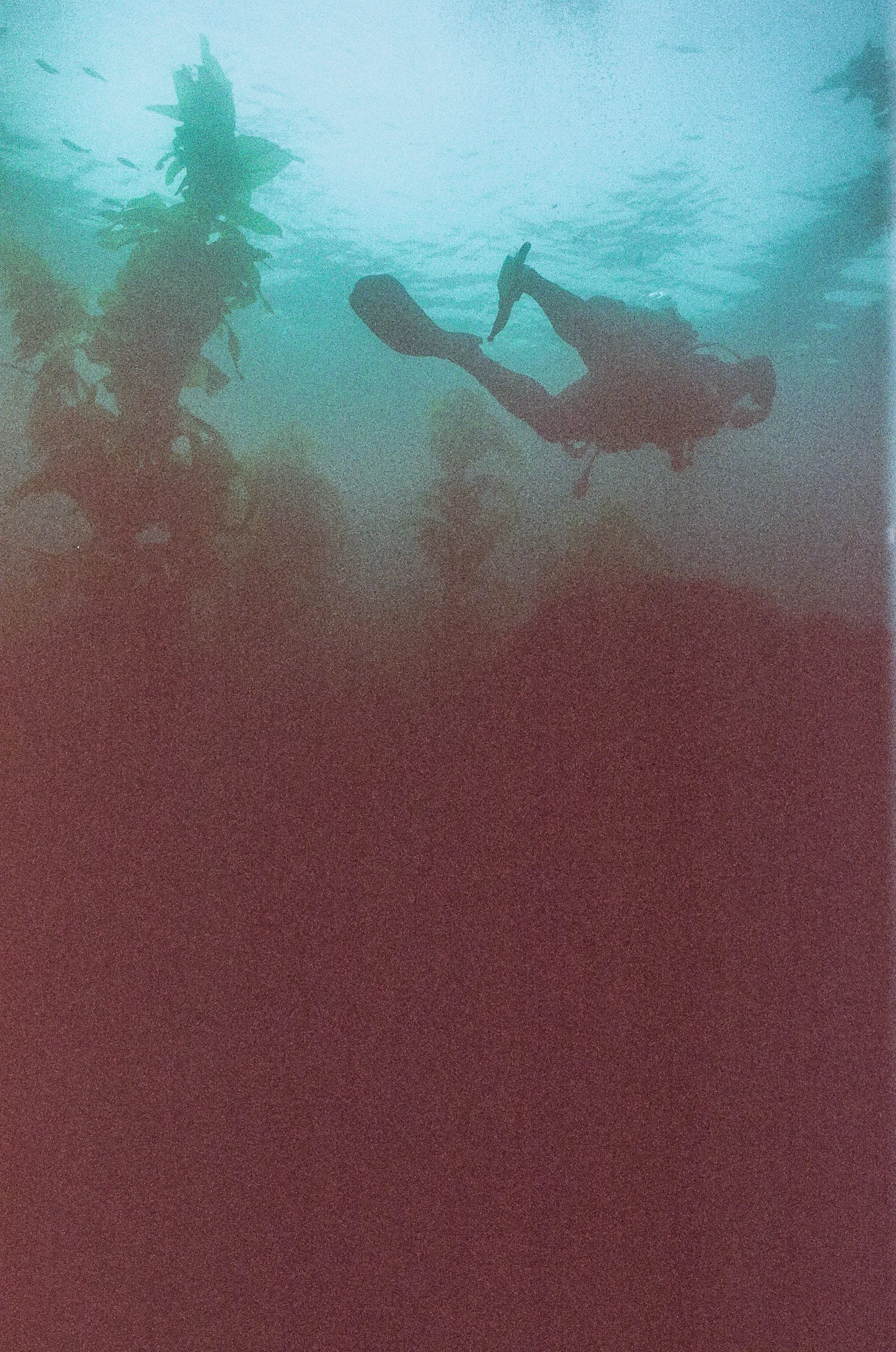
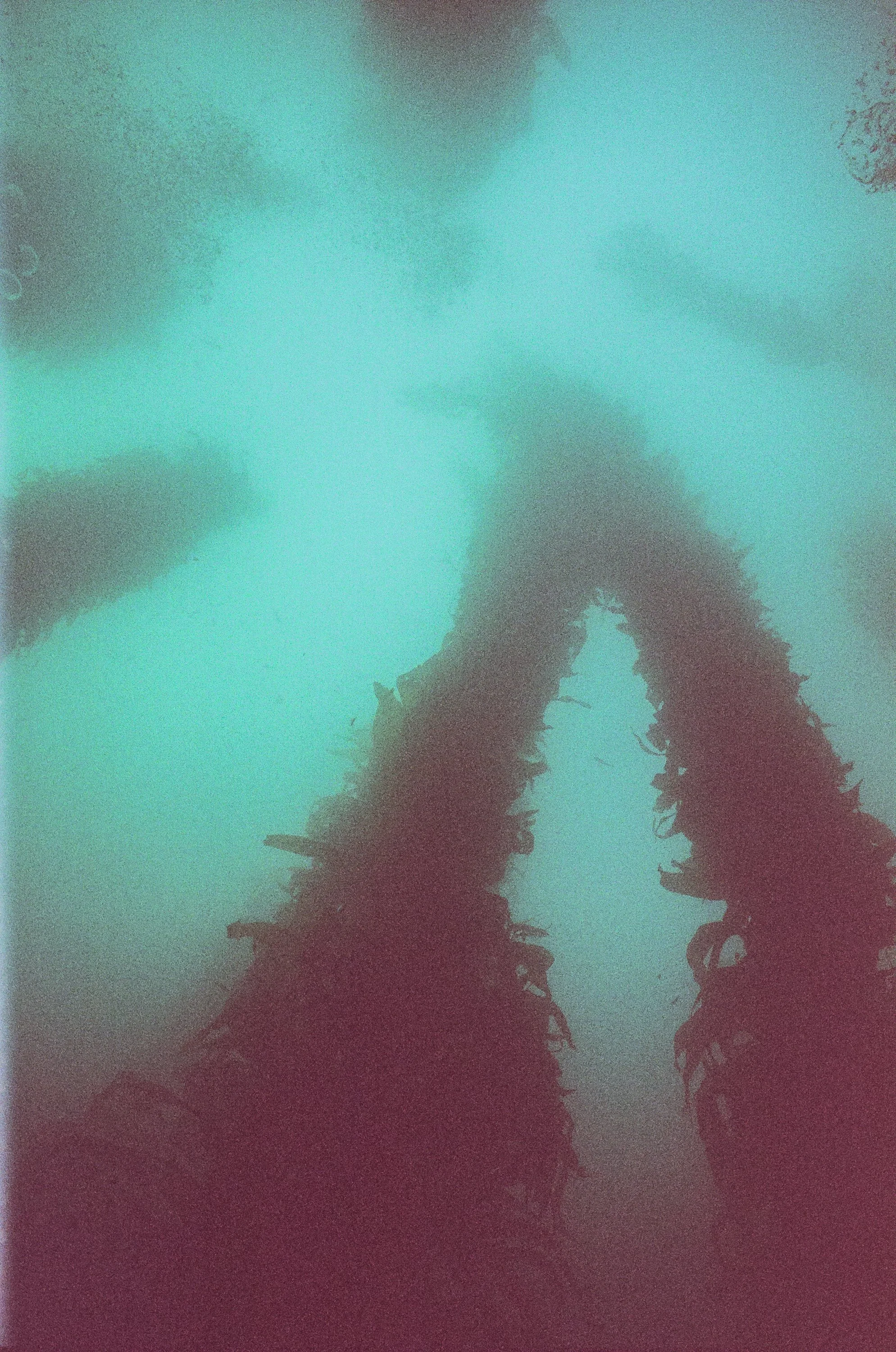
Santa Cruz Island, the largest of California’s Channel Islands, has a long and layered history. For thousands of years it was home to the Chumash people, who navigated the surrounding waters in plank canoes known as tomols. Later the island became part of vast Spanish and Mexican land grants and was eventually used for sheep and cattle ranching through the 19th and early 20th centuries. Today much of the island is protected as part of Channel Islands National Park and The Nature Conservancy, preserving its dramatic sea cliffs, endemic wildlife, and the remarkably intact ecosystems that have earned the Channel Islands the nickname “the Galápagos of North America.”The next day we hiked up from the anchorage along the island’s steep coastal trails, climbing through chaparral-covered ridges where sweeping views opened across the Pacific and back toward the Santa Barbara coast. Later we completed our first scuba dive from Arcturus at Willows Anchorage, drifting through kelp forests alive with bright orange garibaldi and spiny lobsters tucked beneath the rocks. Shafts of sunlight filtered through the swaying kelp canopy overhead — the quiet underwater world a stark contrast to the open ocean just beyond the cove. We moved farther along the coast and spent the night at Coches Prietos, inviting our new sailboat neighbors from nearby Albert Anchorage around the corner for a spontaneous dinner party aboard.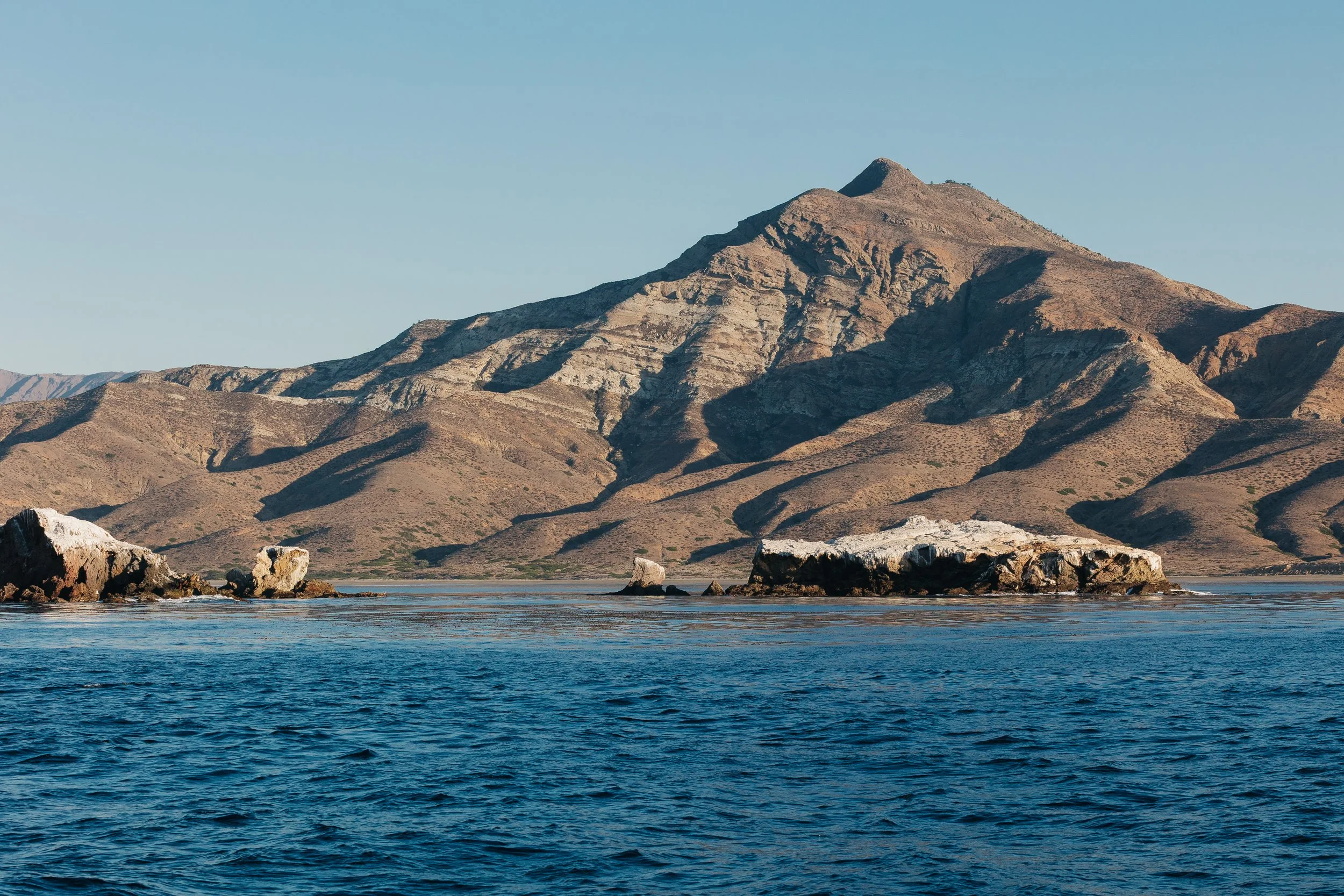
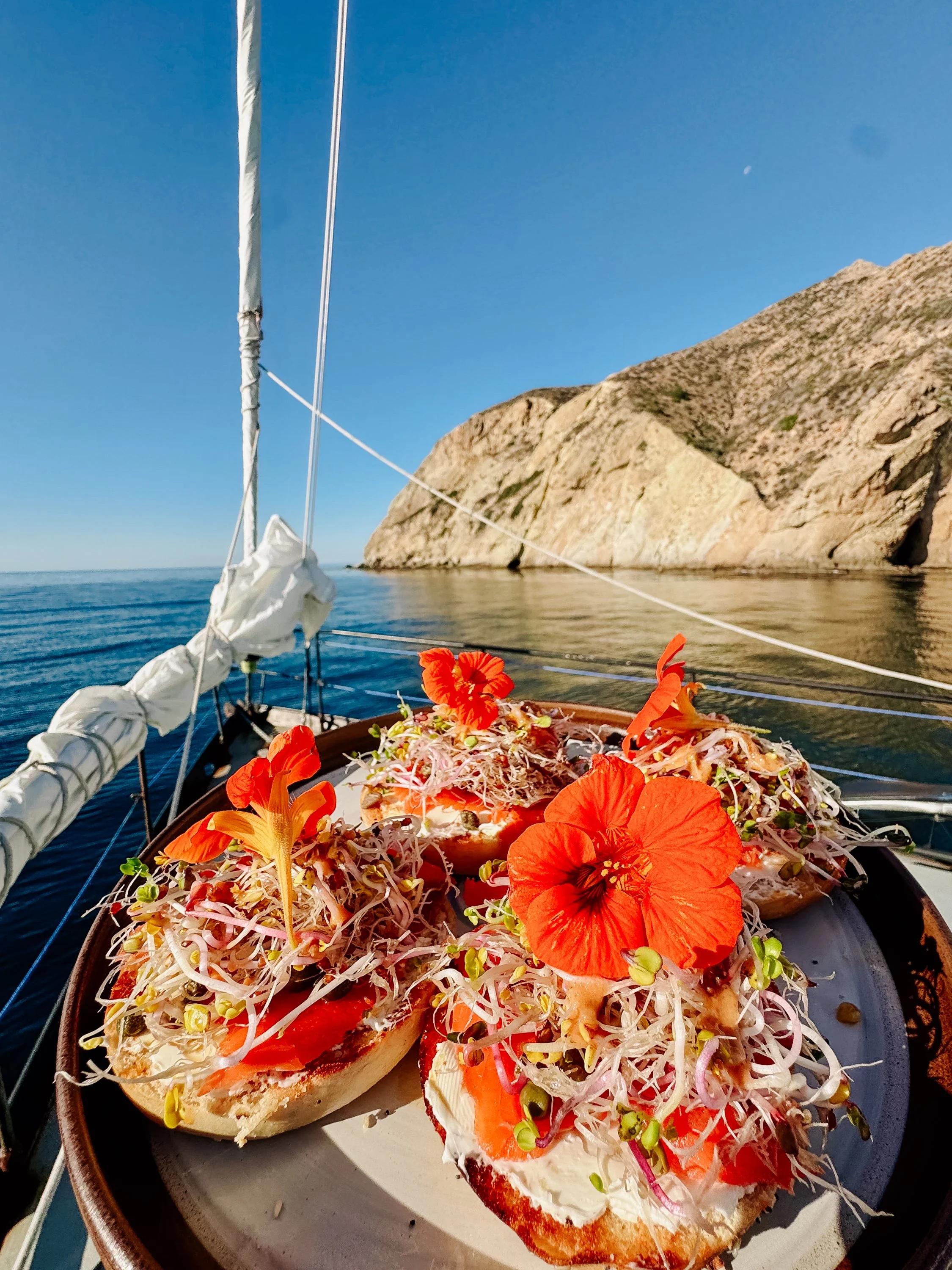
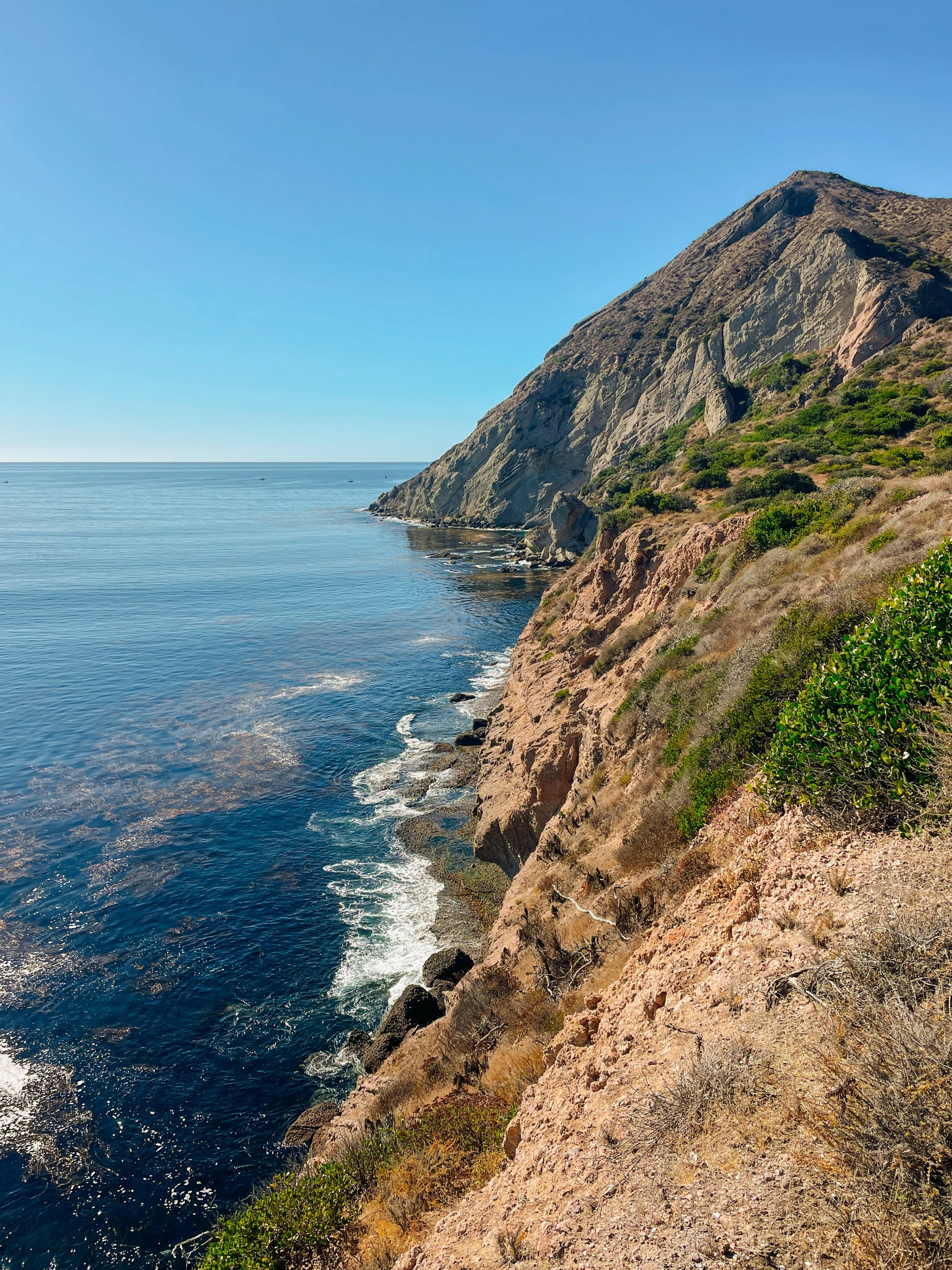
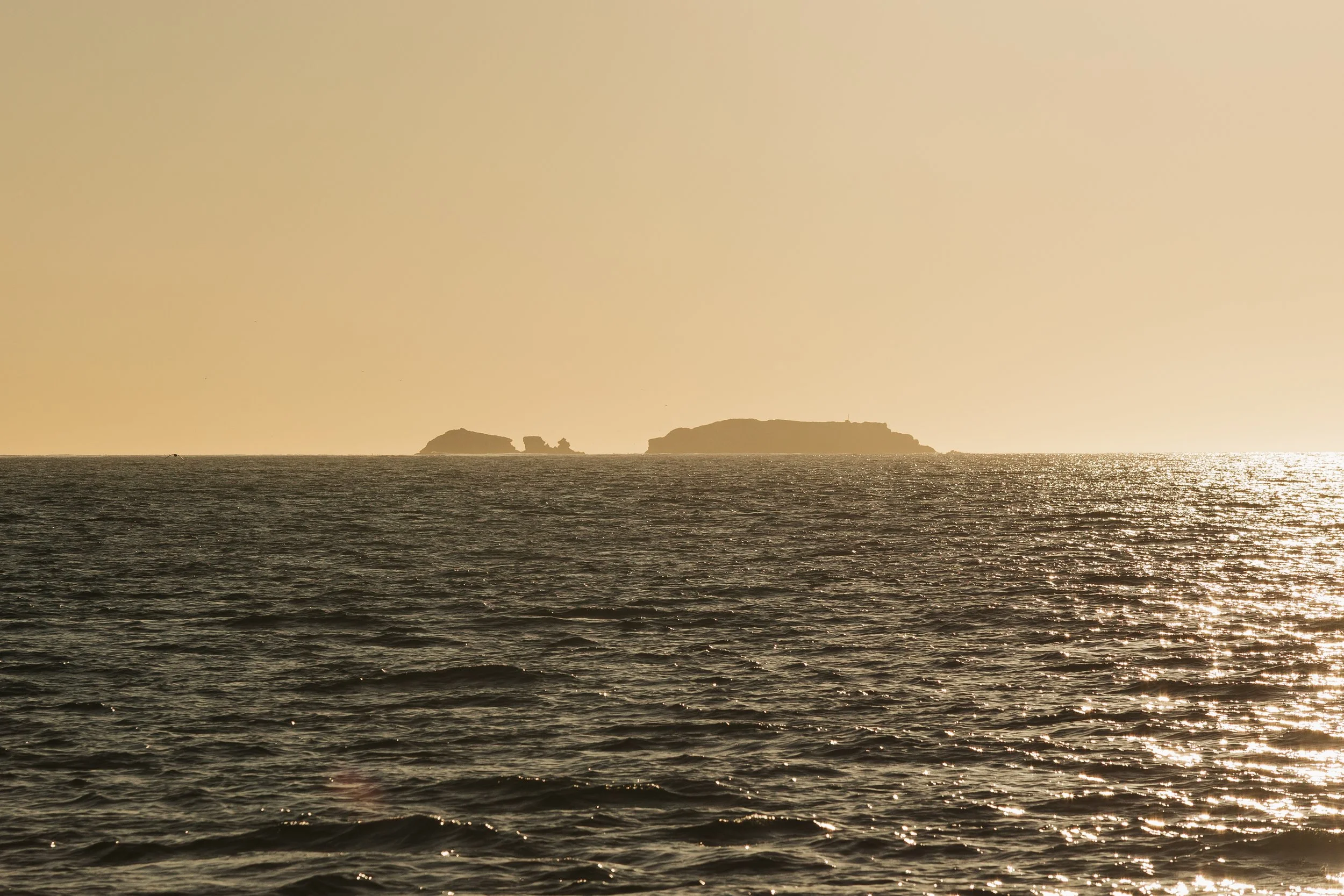
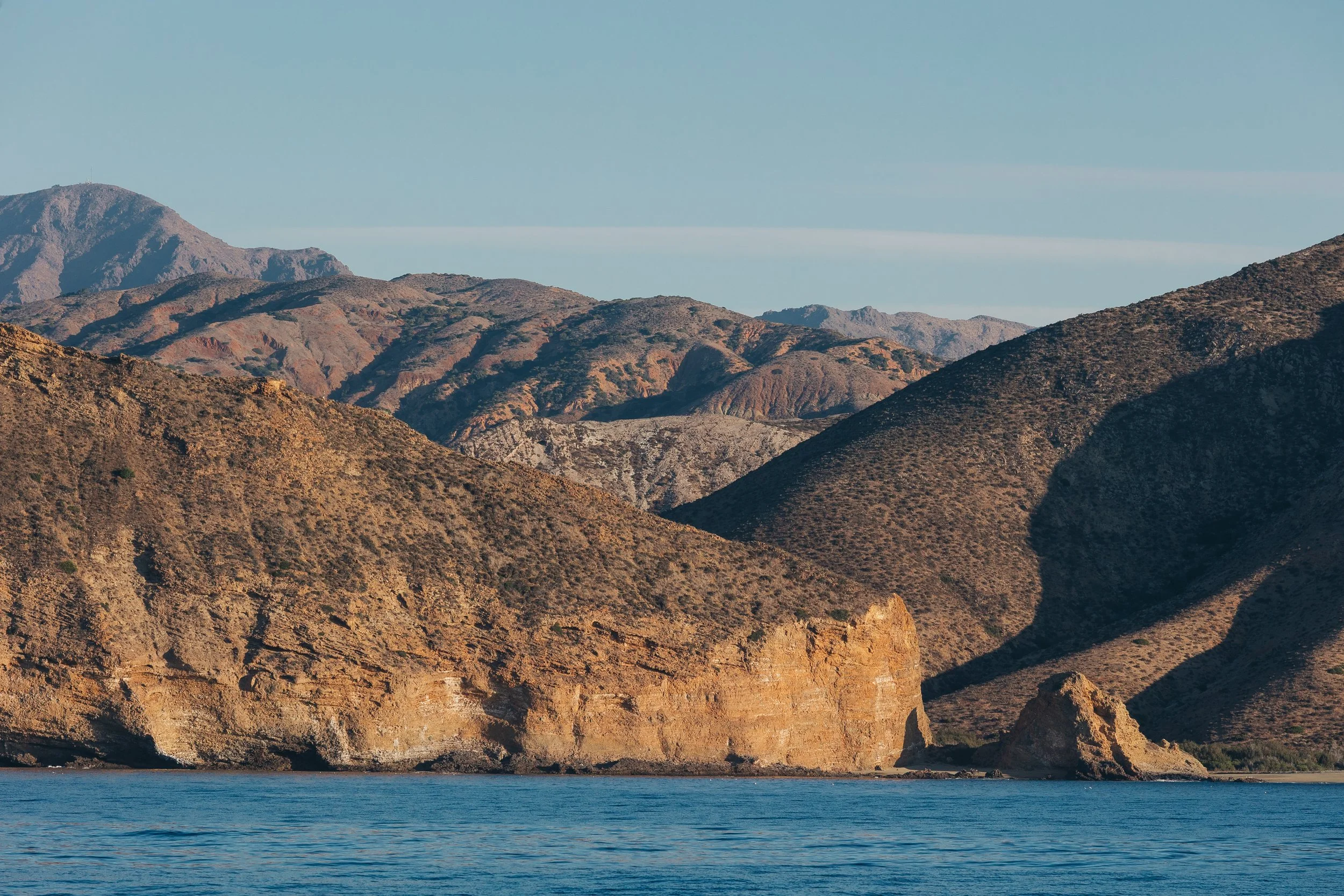
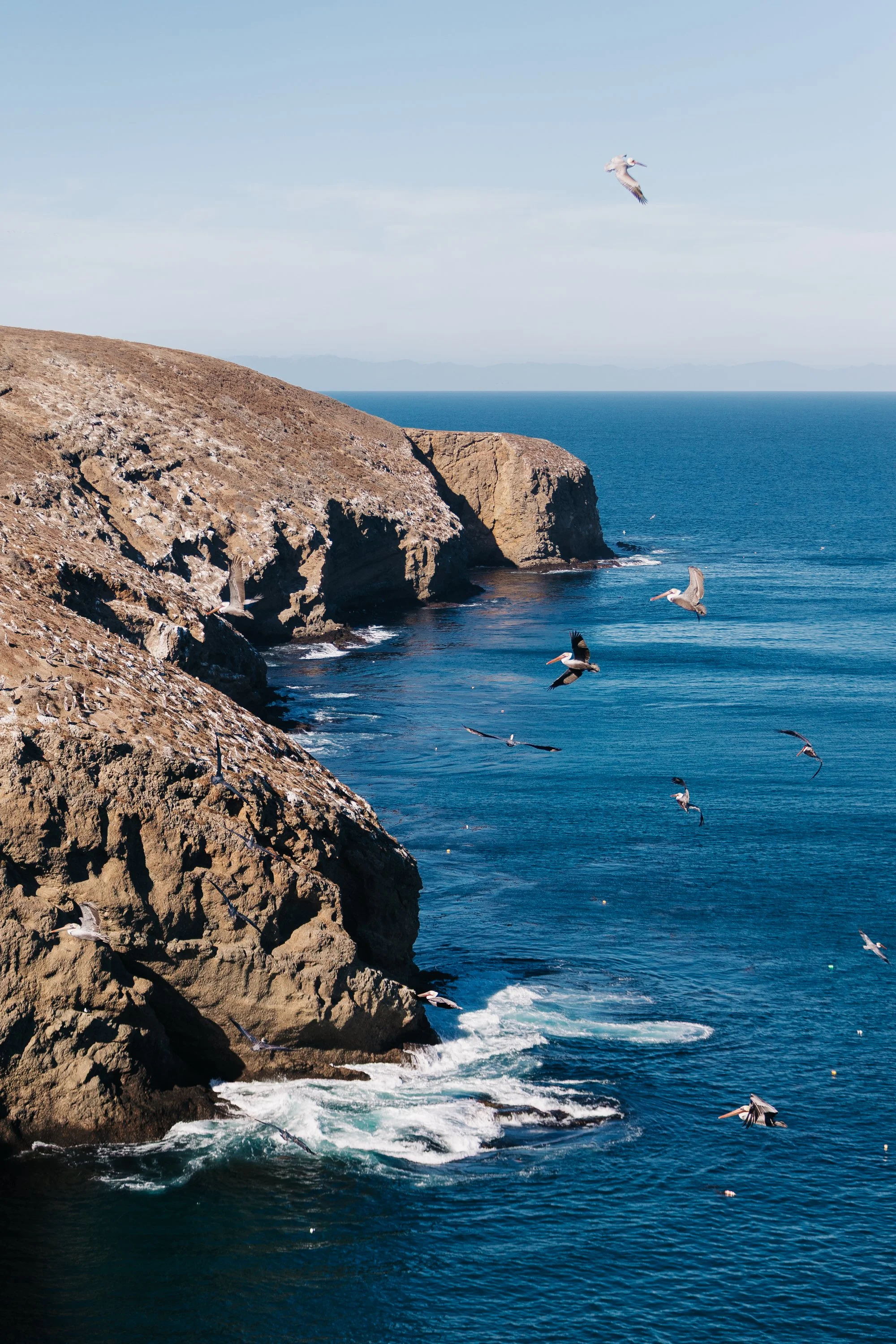
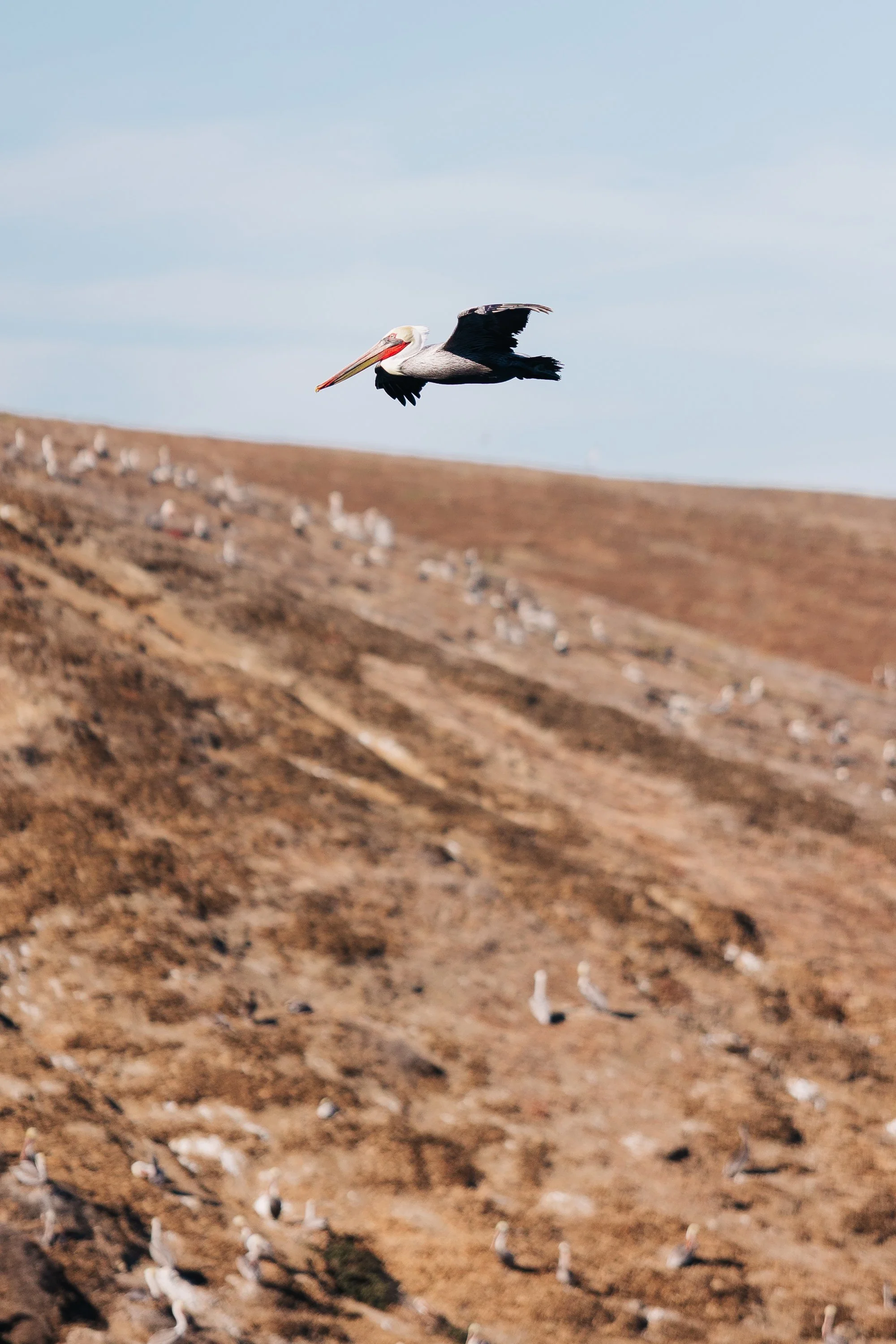
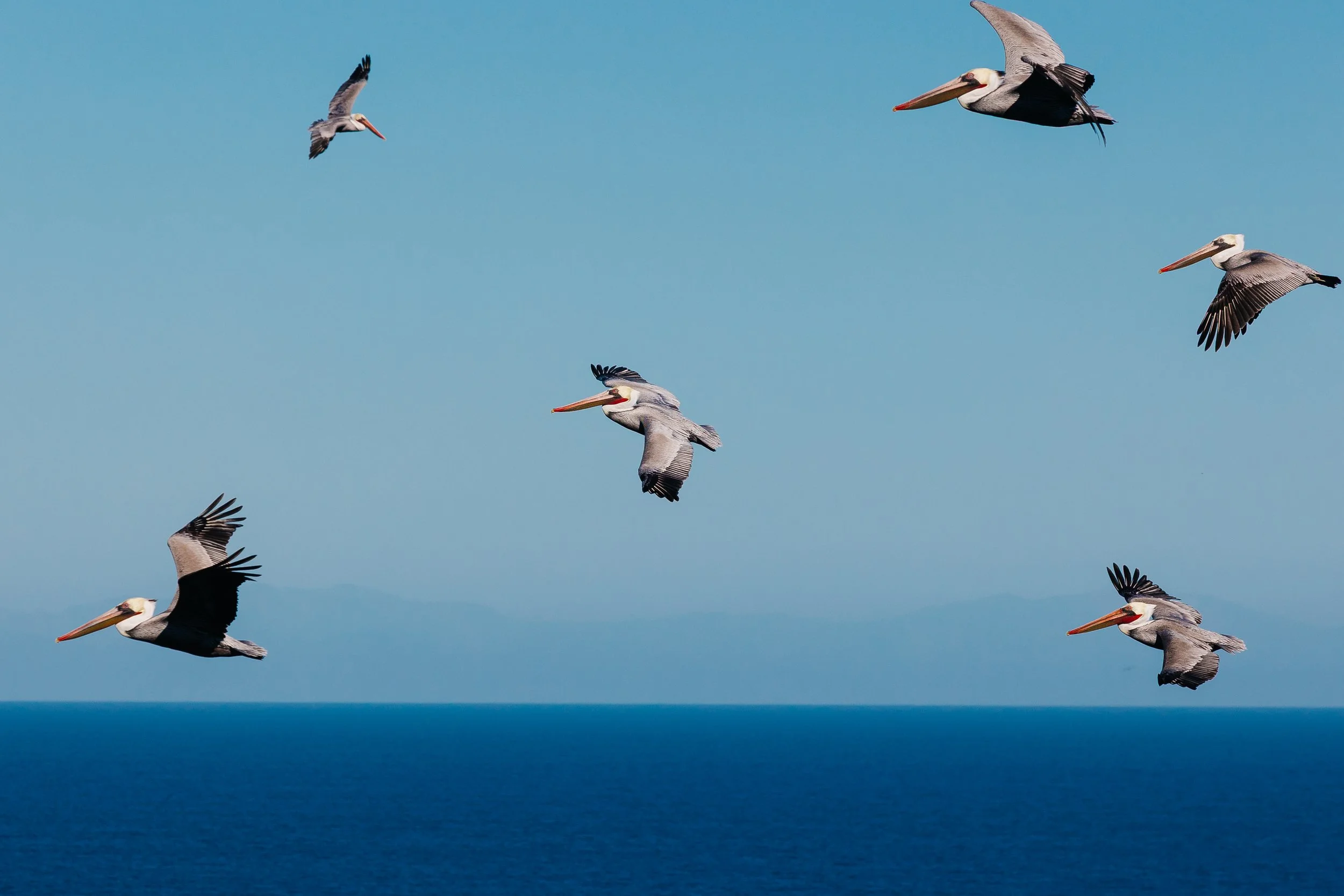
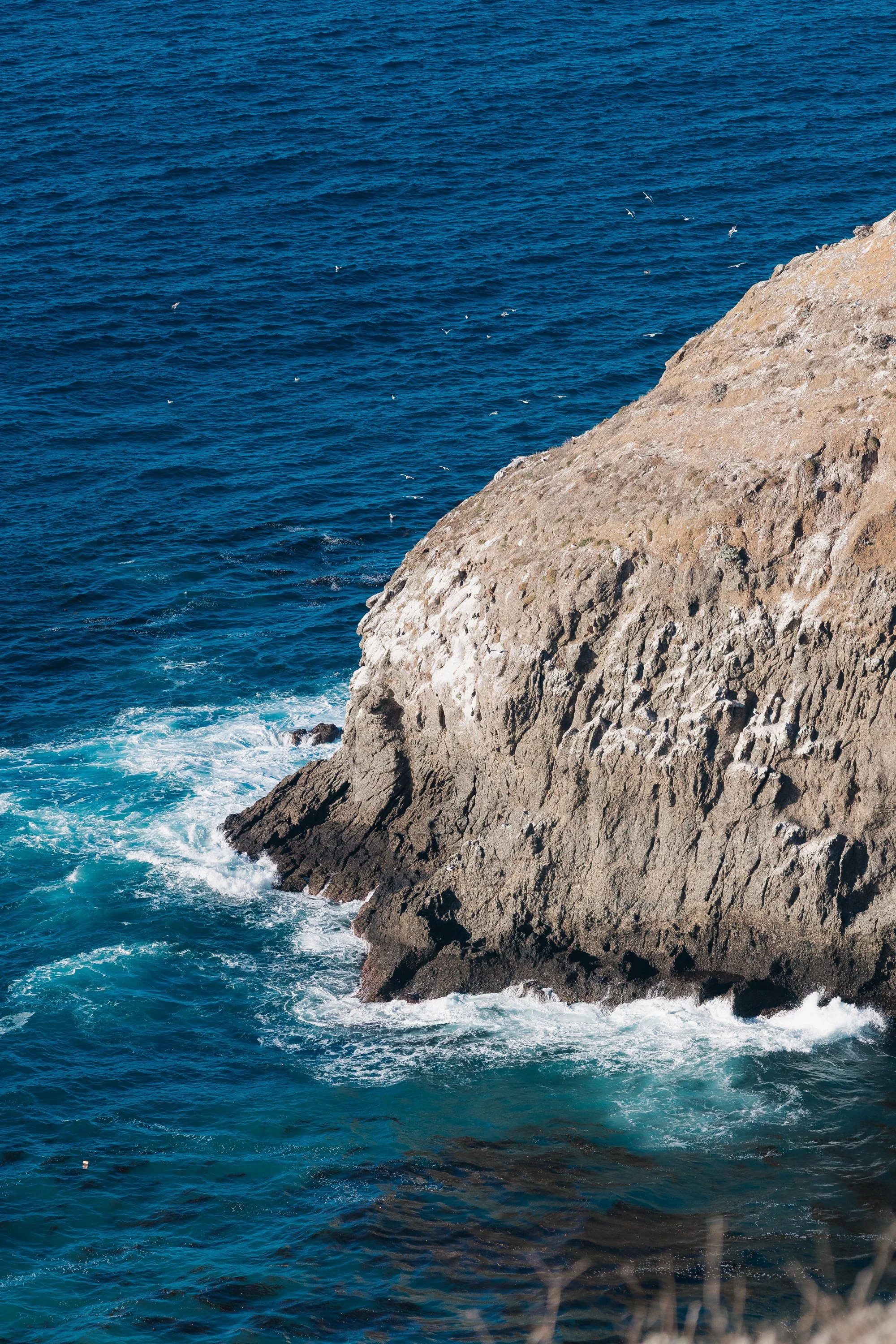
With weather tightening, we aimed for Catalina with a midday stop at Santa Barbara Island, the smallest of the Channel Islands and one of the most important seabird nesting habitats along the California coast. The island’s steep cliffs and grassy slopes provide refuge for thousands of nesting seabirds, most prolifically brown pelicans, but also including western gulls, and Scripps’s murrelets. From our anchorage at Landing Cove, the rocky shoreline and abundance of curious sea lions made the dinghy landing somewhat comical. Half our crew stayed aboard while the others hiked up the island’s switchback trail through agave-dotted slopes and seabird colonies. Pelicans wheeled overhead while the Pacific stretched endlessly in every direction. 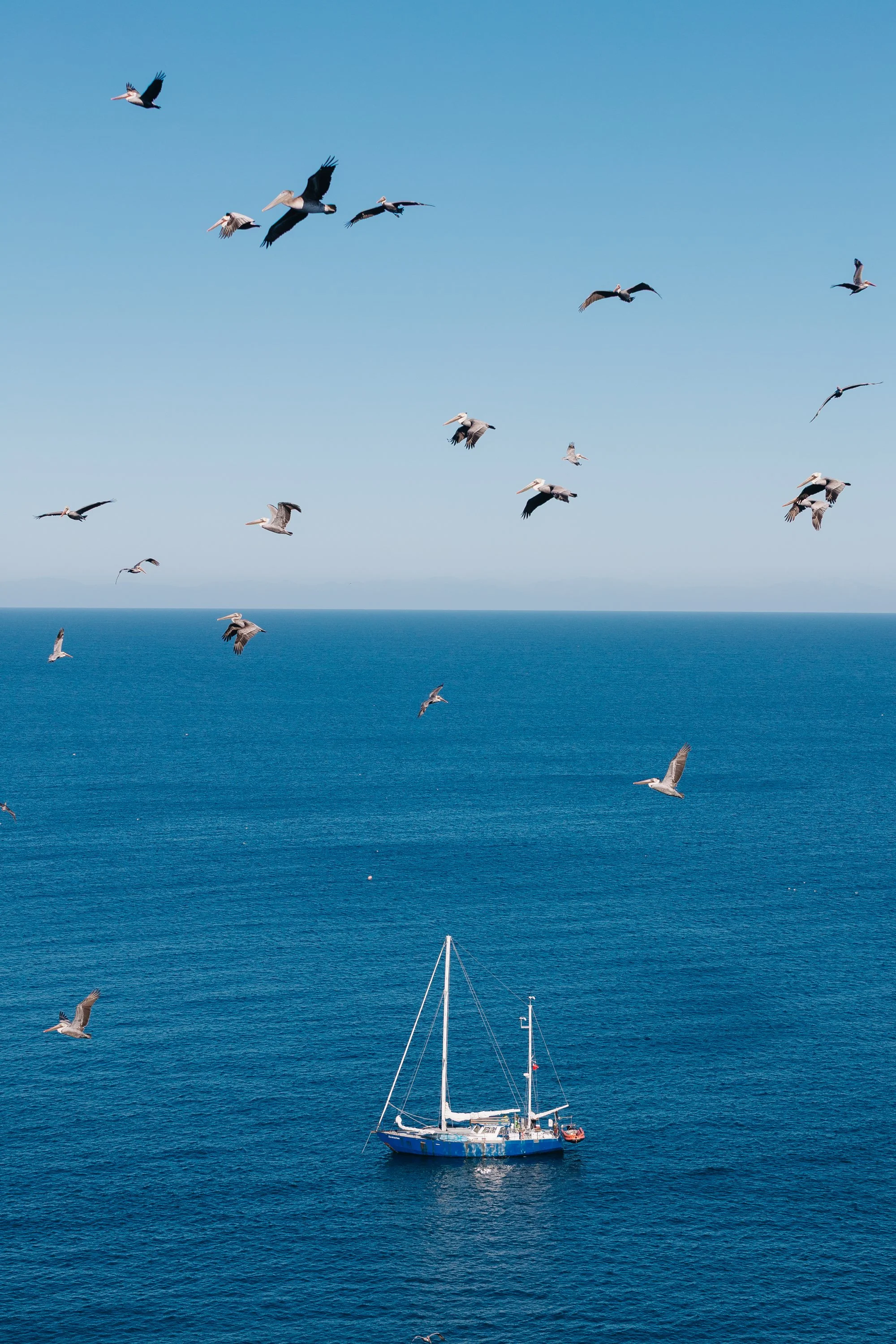
By sundown we were back aboard and sailing toward Two Harbors on Catalina Island, anchoring on the quieter southwest side at Catalina (Cat) Cove. Early November brought cool dew and quiet mornings, and we enjoyed one last rainy day on Catalina with our friends, enjoying food and drinks at Harbor Reef Restaurant before they caught the ferry back to the mainland and we continued on.Rounding Catalina’s rugged southern edge toward Avalon on the island’s eastern side, I realized I had never told Louie that I attended summer camp at the Catalina Island Marine Institute (CIMI) for three years. He loved that detail. Despite peak tourism season waning in Avalon — and plenty of moorings available — we heard reports of theft at the dinghy docks near town. Instead of stopping, we passed the bustling harbor and continued northwest until we found the sheltered pocket of Toyon Bay, where CIMI is based. It was the perfect anchorage and another uncanny intersection of past and present.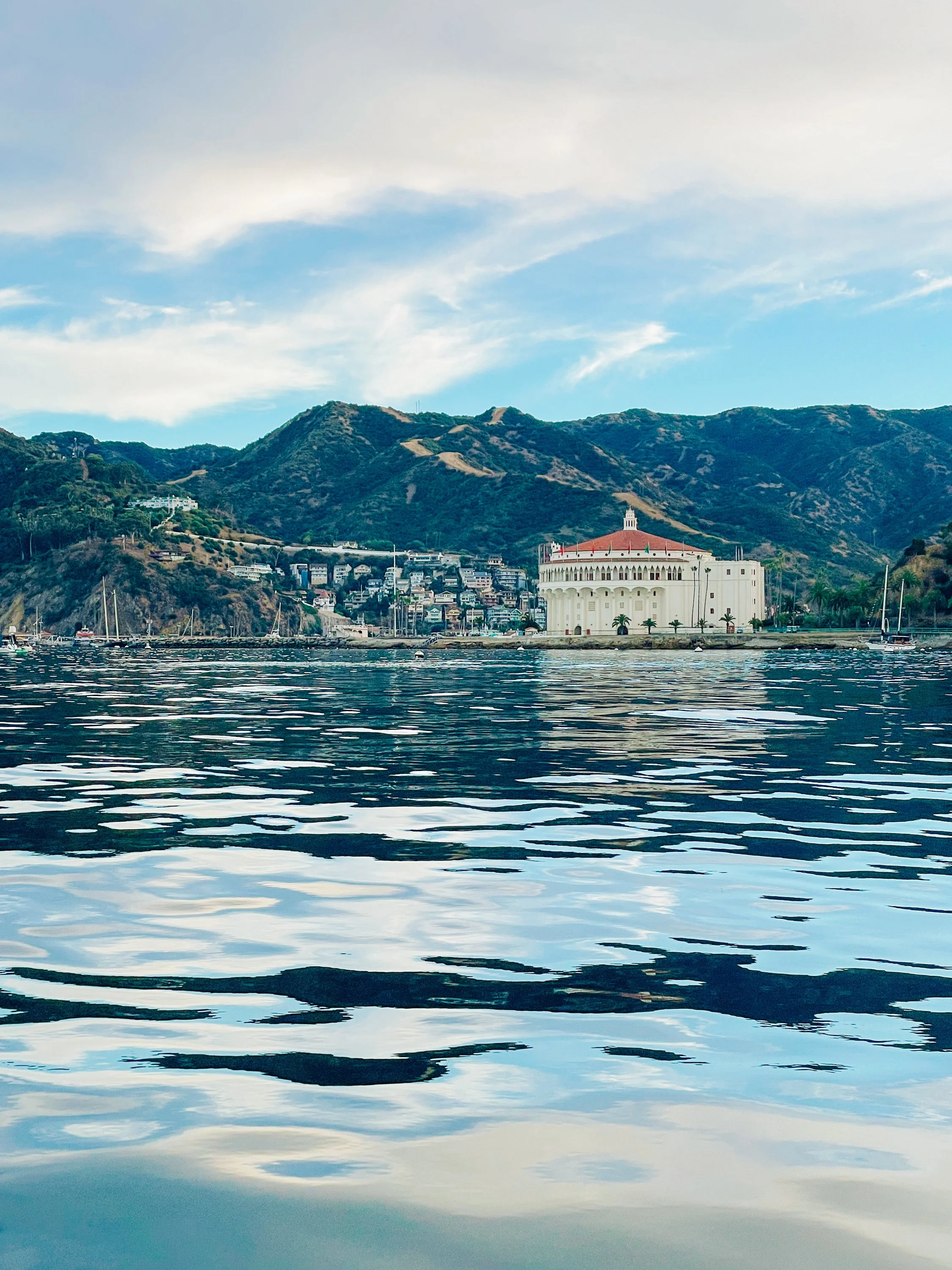
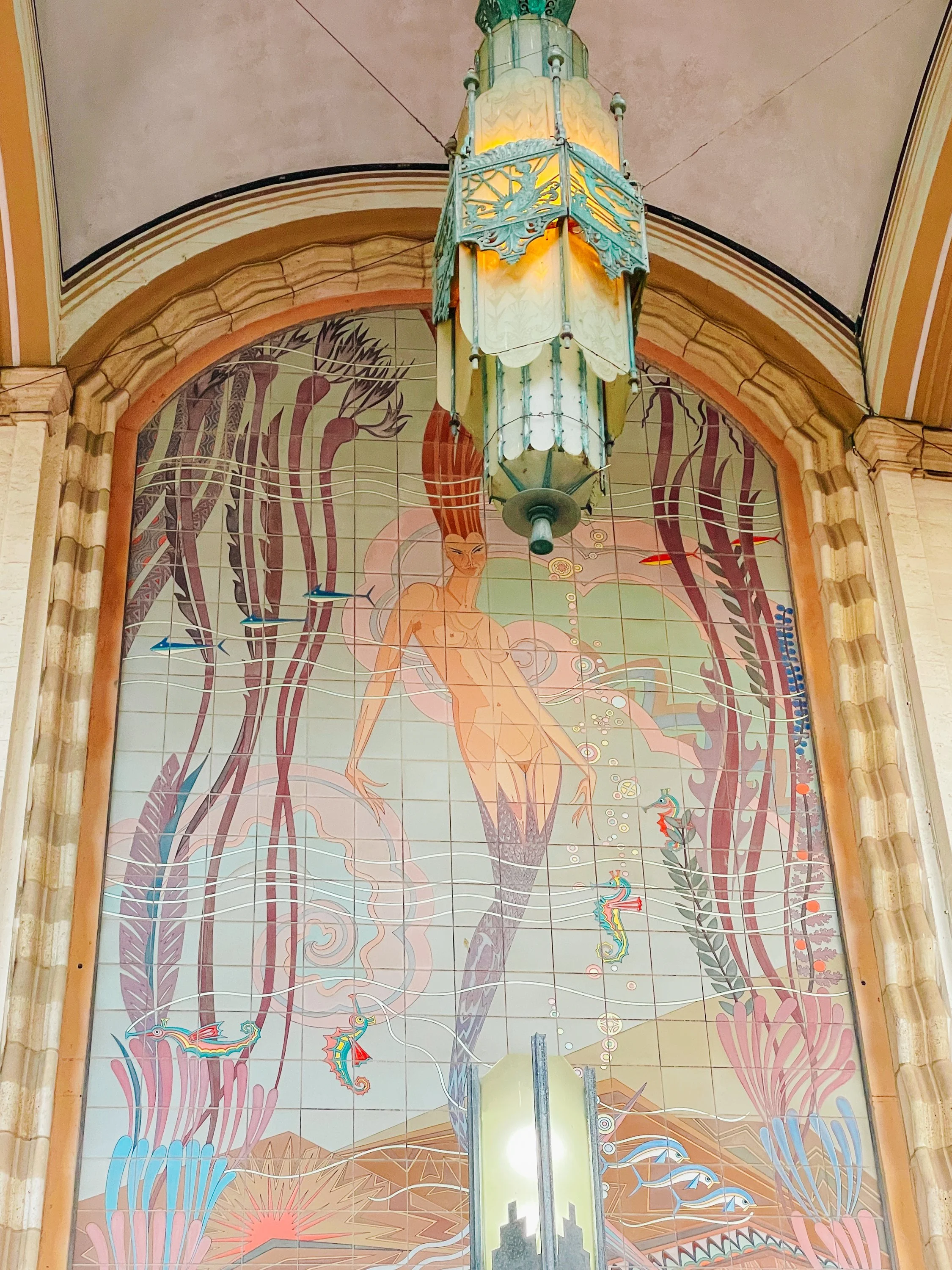
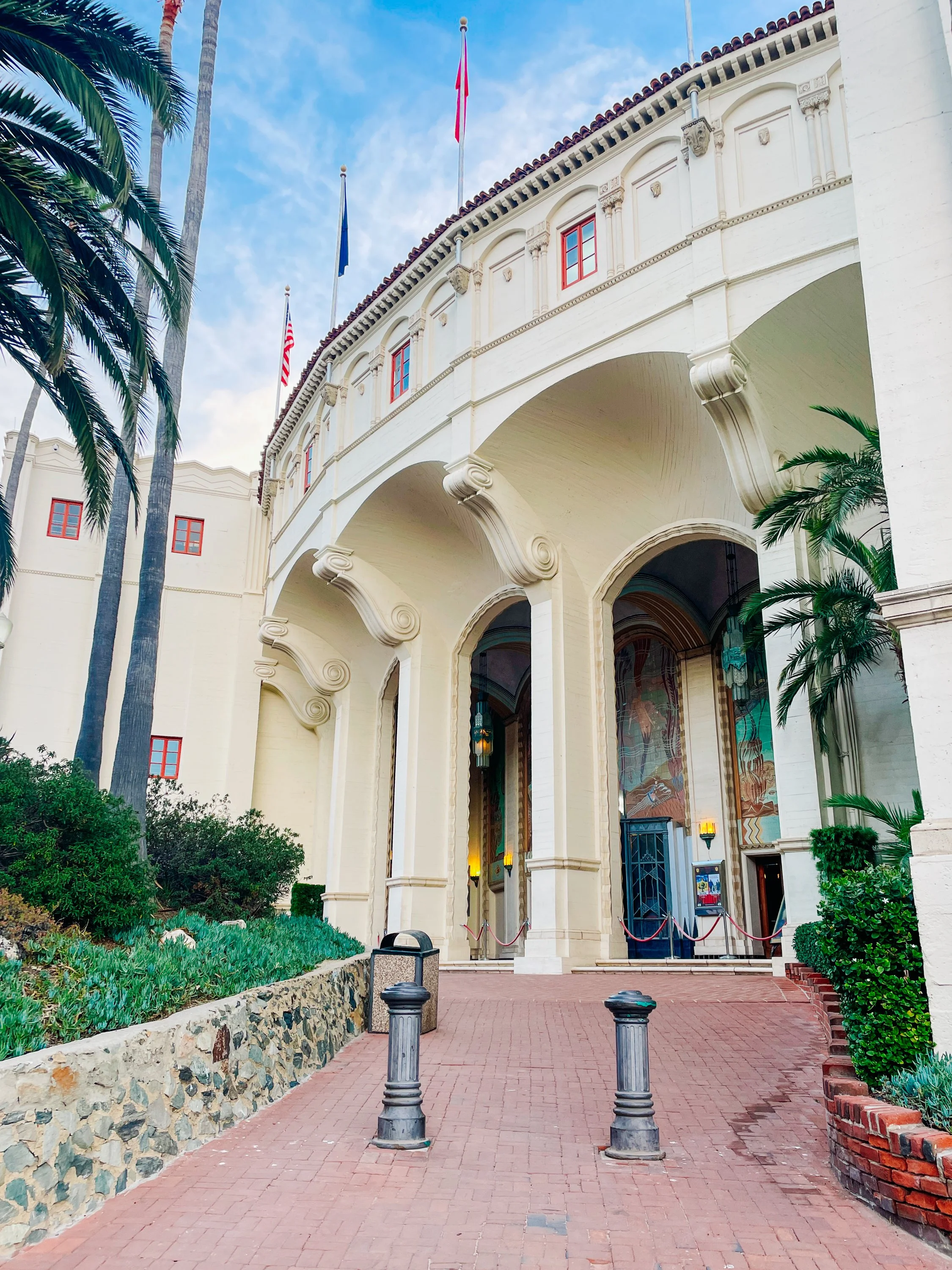
The next morning we took an early dinghy ride around the corner to Casino Point Dive Park, one of California’s most famous shore diving locations. Established in the 1960s as the state’s first underwater park, the protected cove has become a thriving marine habitat where giant kelp forests shelter garibaldi, sheephead, bat rays, and occasionally sea lions and harbor seals. Despite poor visibility that morning, we slowly worked our way across the rocky bottom until we located the underwater Jacques Cousteau memorial, placed there to honor the legendary ocean explorer who helped inspire generations of divers and ocean advocates.
Oceanside → San Diego
With Thanksgiving nearing, and we had promised my family in Oceanside that we’d be there. We sailed from Toyon Bay into Oceanside Harbor and were placed at a strange, quiet dock in front of what appeared to be an abandoned restaurant. When we described it to my family, they immediately said, “Oh! In front of the old Jolly Roger Restaurant” my uncle later told us it had been my grandfather’s favorite restaurant — and the thought of him sitting there decades ago, watching boats pass the very place Arcturus was now moored, felt impossibly full-circle. It was also the last time I saw that uncle before he passed the following June, a memory I hold close.From Oceanside some of my family waved goodbye from Oceanside Harbor Beach as we began our sail down to San Diego Bay. We sailed into the bay and past Point Loma Lighthouse at the Cabrillo National Monument, and soon saw my mom at the tip of Shelter Island waving hello to us. She had offered to come and help us prepare for the adventure down the outer coast of Baja, and spend time with us since she wasn’t quite sure how long we’d be away. 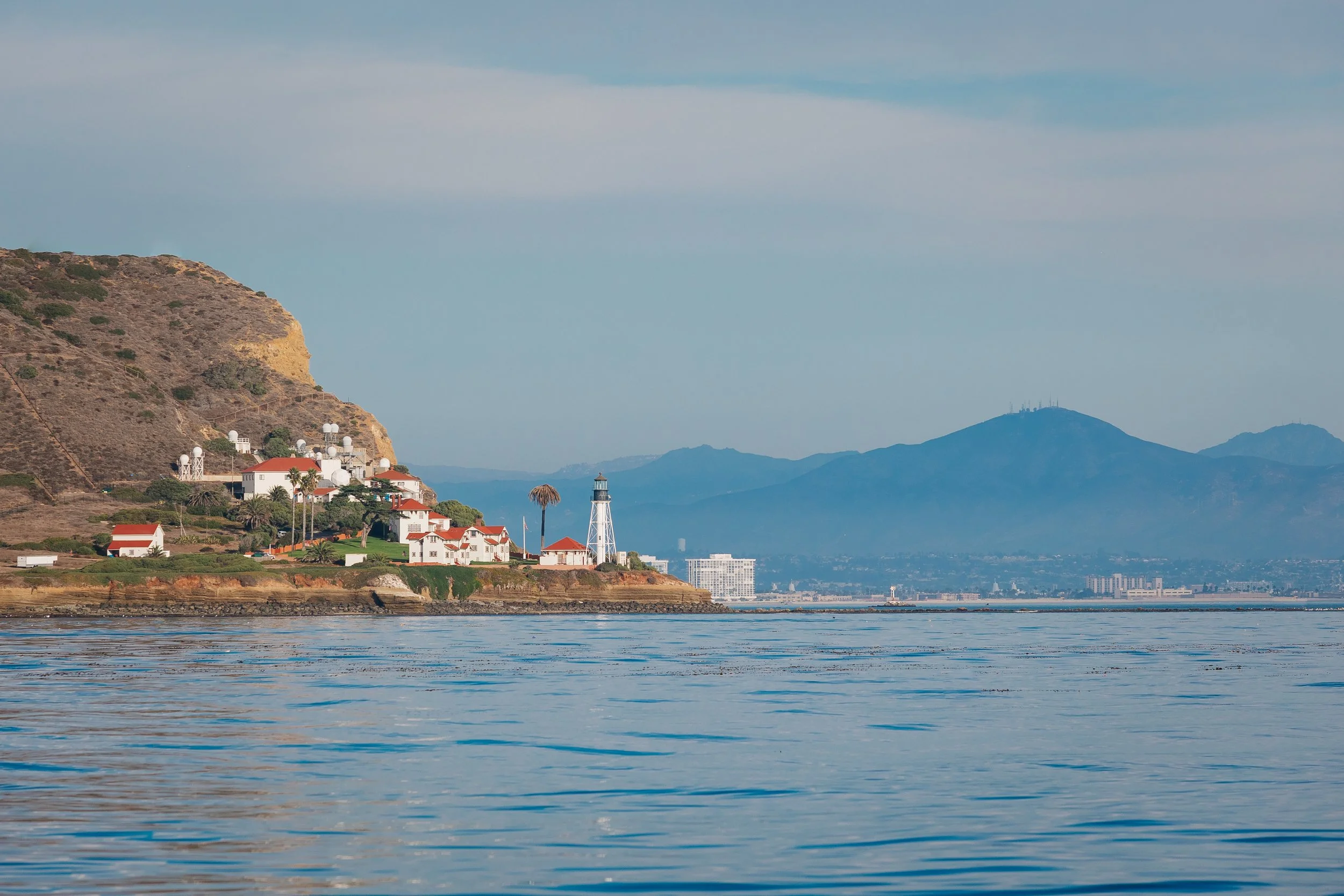
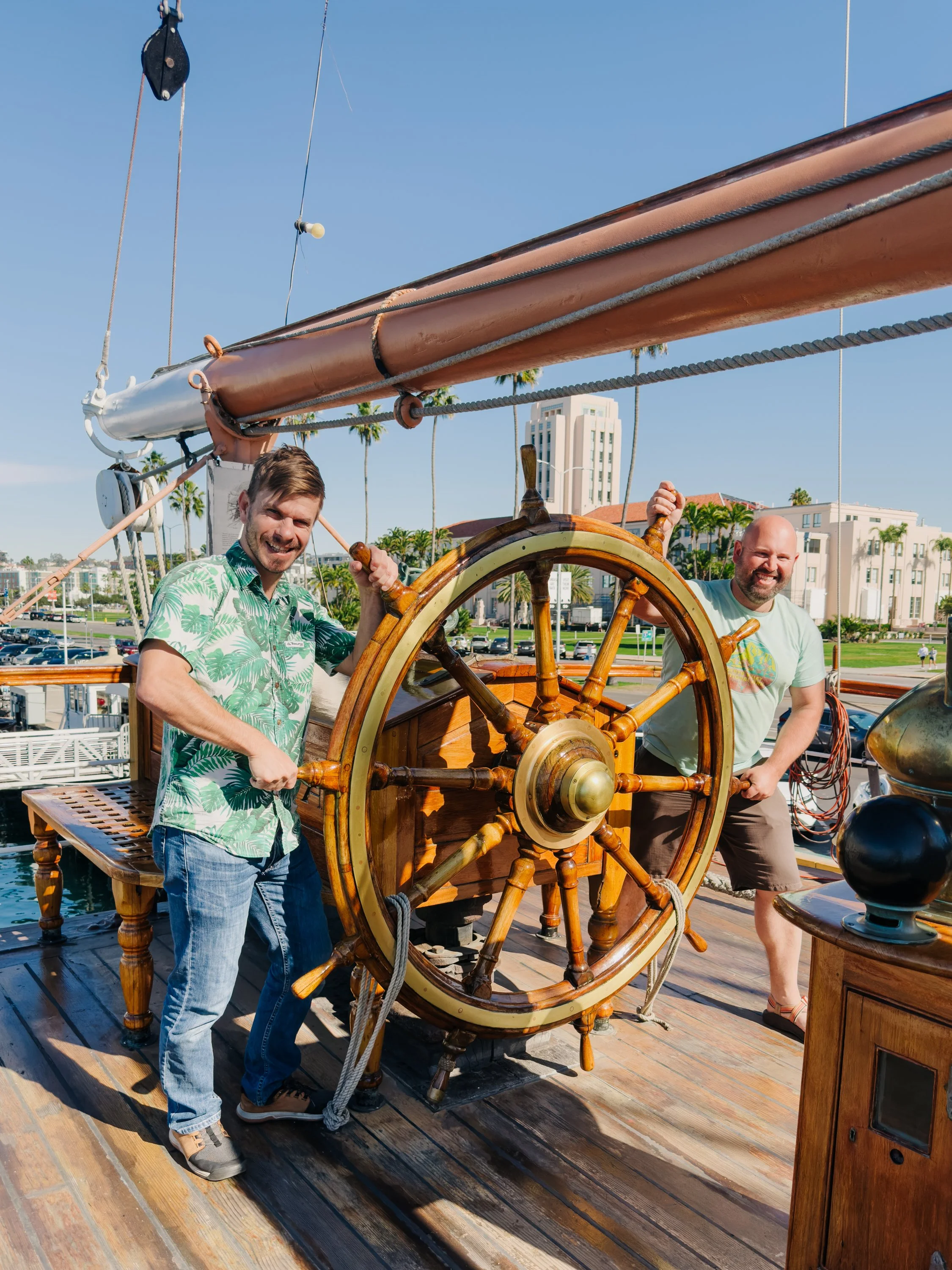
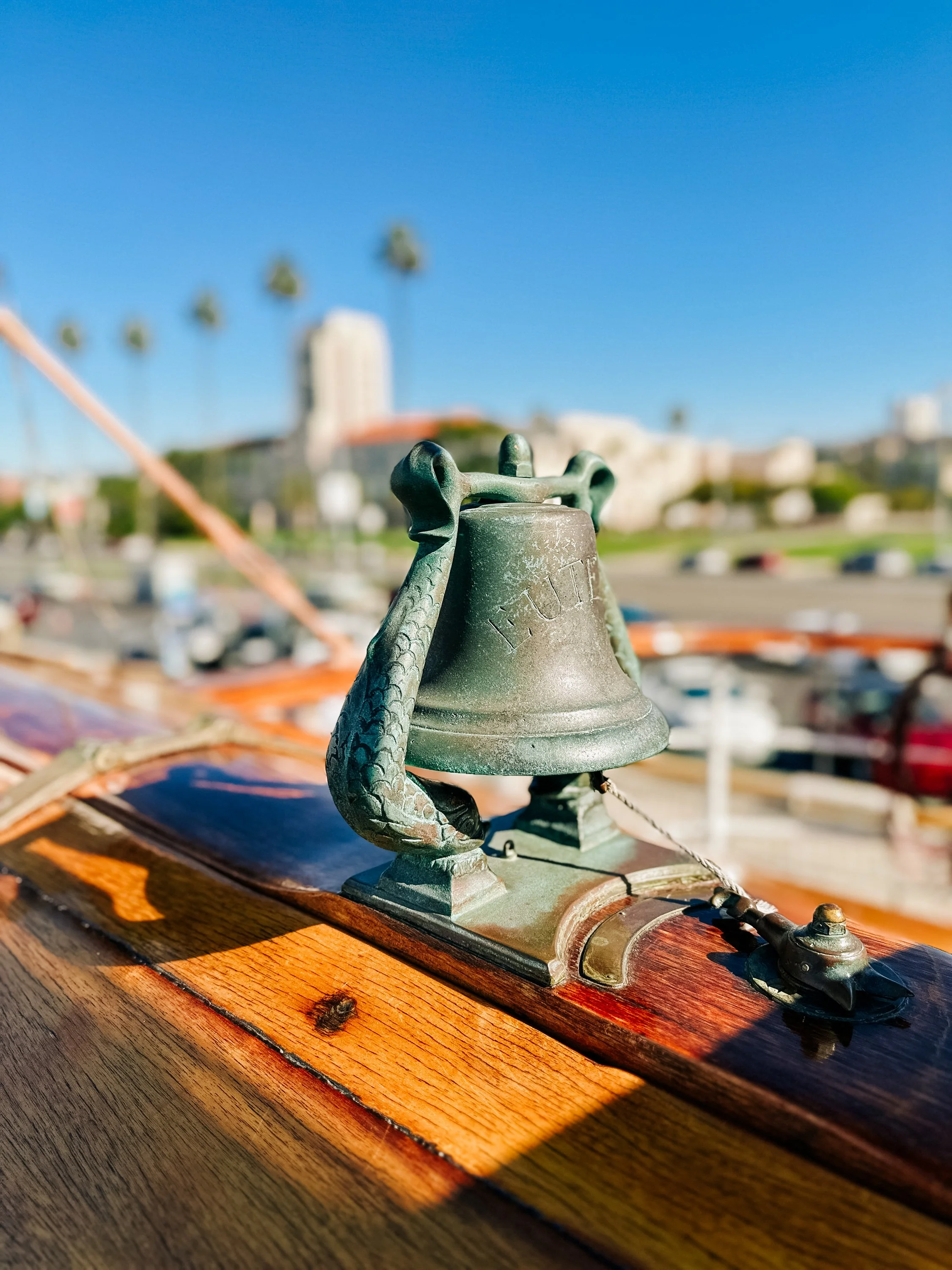
Being members of the Juneau Yacht Club has never paid off quite like it did when we tied up tied up at the Silver Gate Yacht Club: they were generous in letting us stay for 3 nights free of charge, and to our delight had a hot tub we could enjoy while we were there. With fresh crew having flown in from Alaska and Mexico City, we spent our final days restocking, repairing, provisioning, slowly gathering all we’d need before pushing off toward Mexico, the next long horizon. Our favorite stop in the area was without the San Diego Maritime Museum – a museum which is seldom comprised of a fleet of historic ships, where the exhibits are within the ships themselves.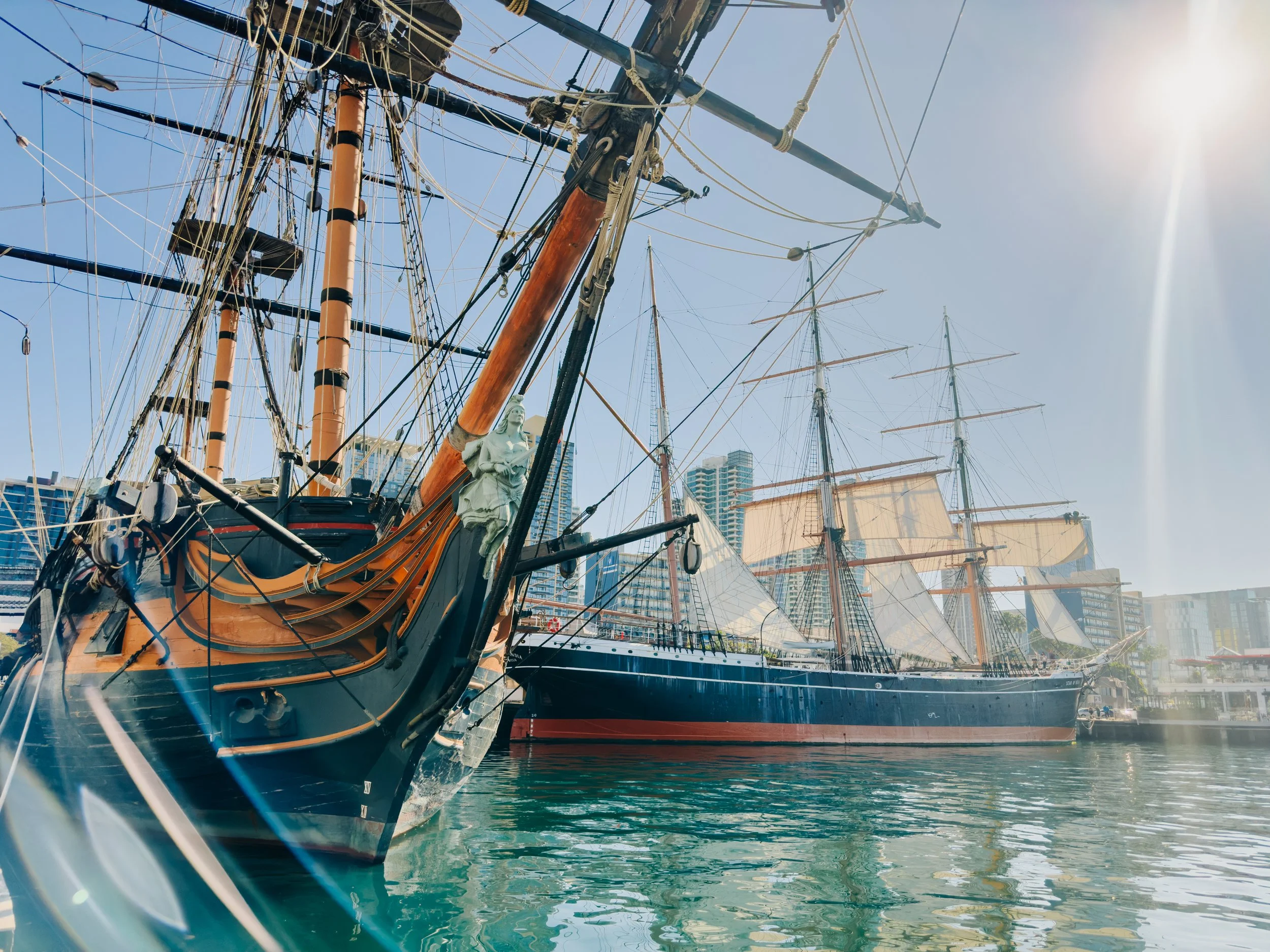
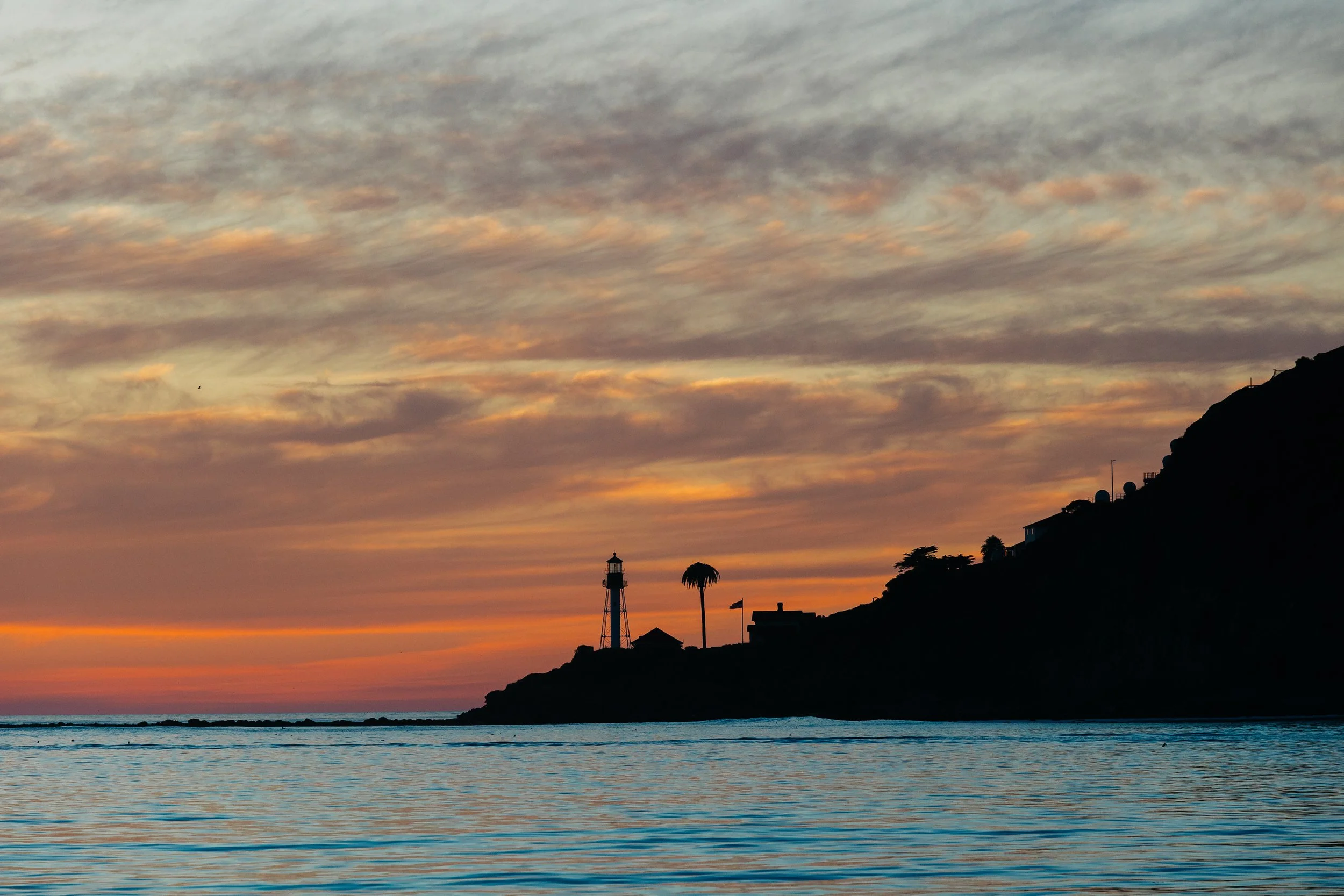
With the first couple days of December upon us and Mexico calling, we pushed off the dock from Shelter Island and began our transit to Mexico. My mom saw us off from the same spot, and we waved goodbye to her as we sailed off into the sunset.Adventures, Words & Photos by Lerina Winter & Captain Louis Hoock
Originally Published: March 7th, 2026
See Where S/V Arcturus is now on No Foreign Land:


After months spent wandering through the warm reaches of the South Pacific, New Zealand (Aotearoa) felt like a threshold into an entirely different world. Gone were the coral-ringed atolls and palms leaning over turquoise lagoons. In their place rose green hills, forested headlands, cooler blue-grey seas, and sheltered coves tucked beneath mountains. The weather seemed to carry a temperament of its own, changing from sunlight to rain and back again before we had time to put away our jackets.