Australia Itinerary
Hailing from Alaska, Venturing Worldwide
Join us in Australia
Join us in Australia
March - August 2027
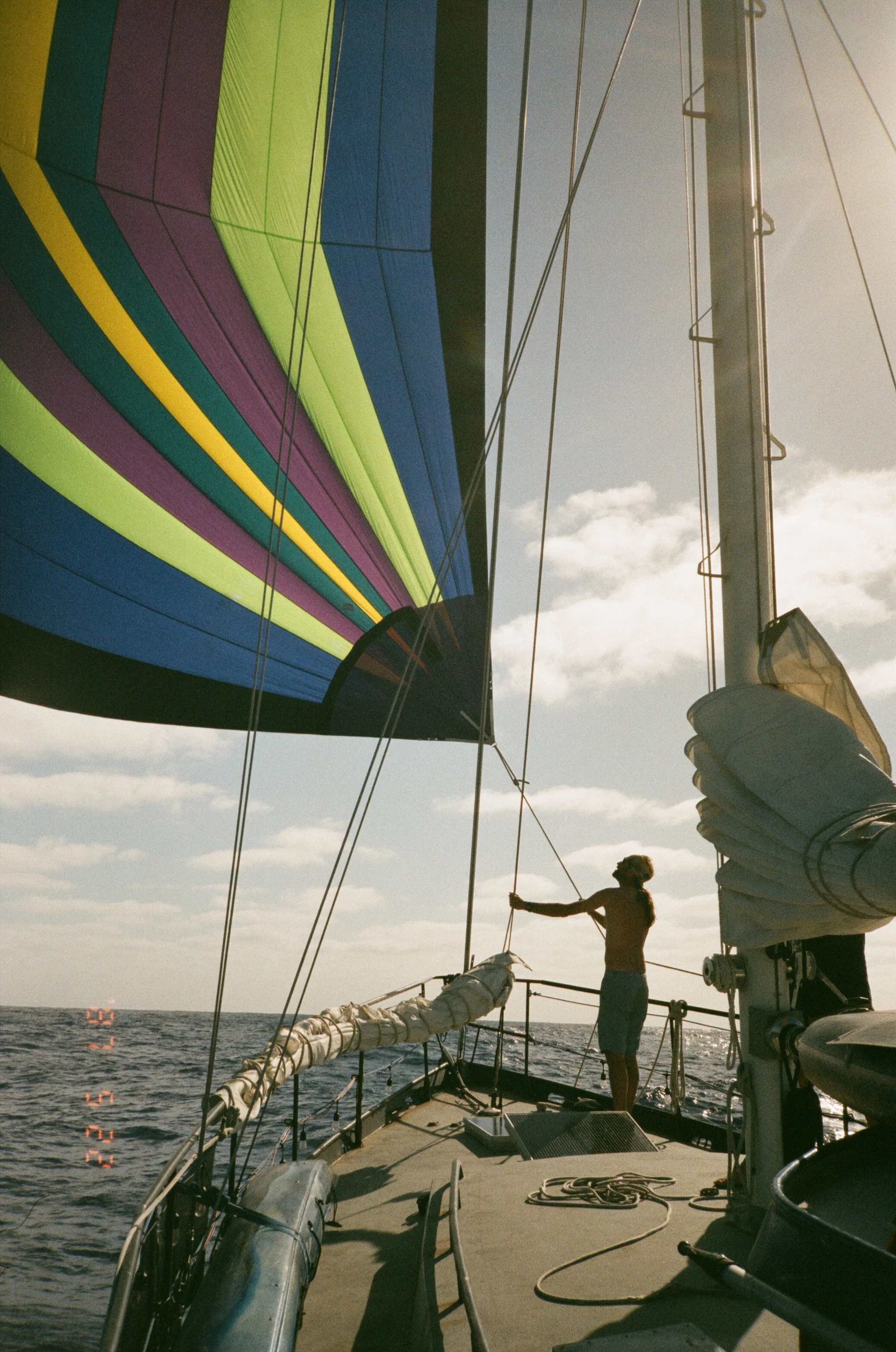
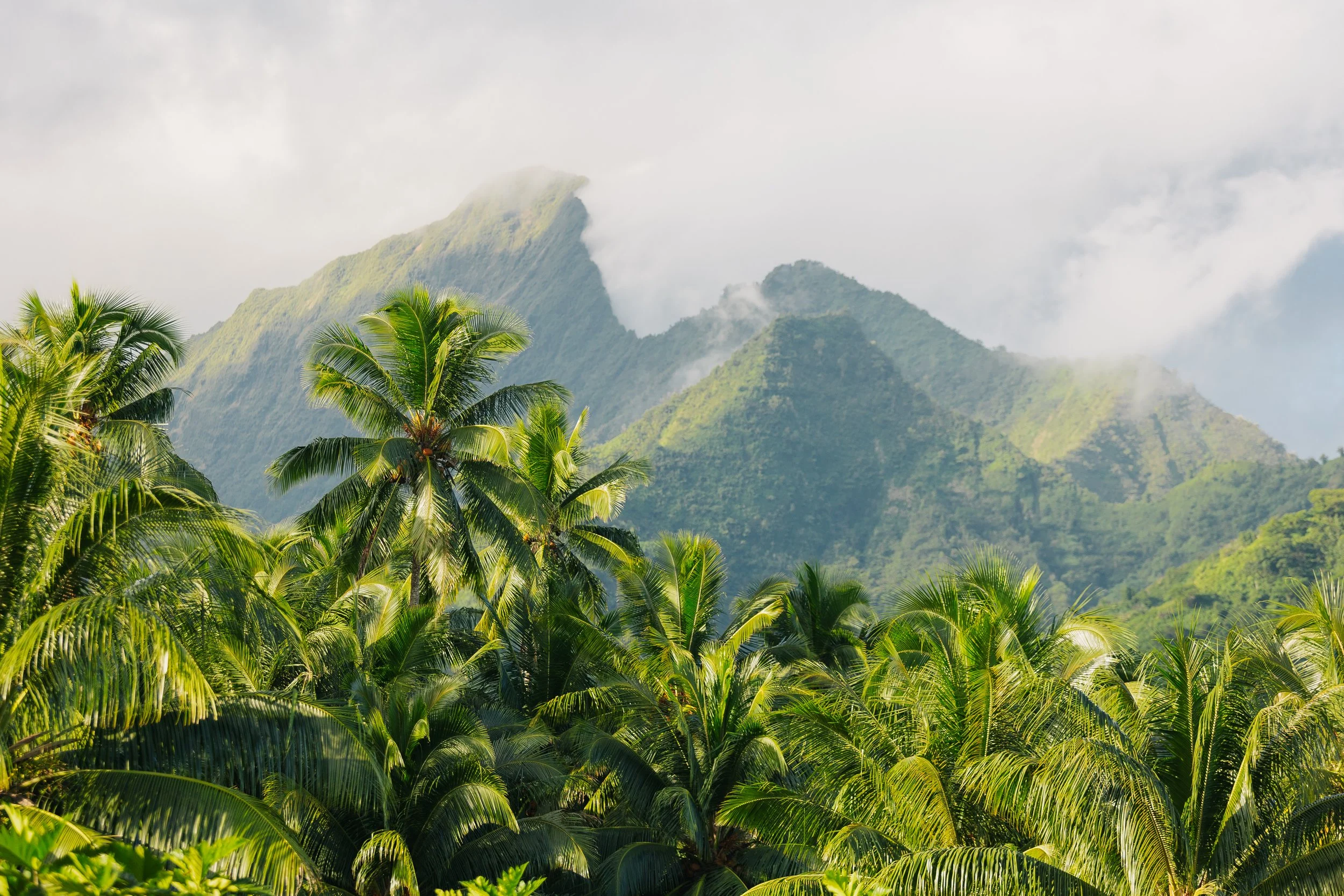
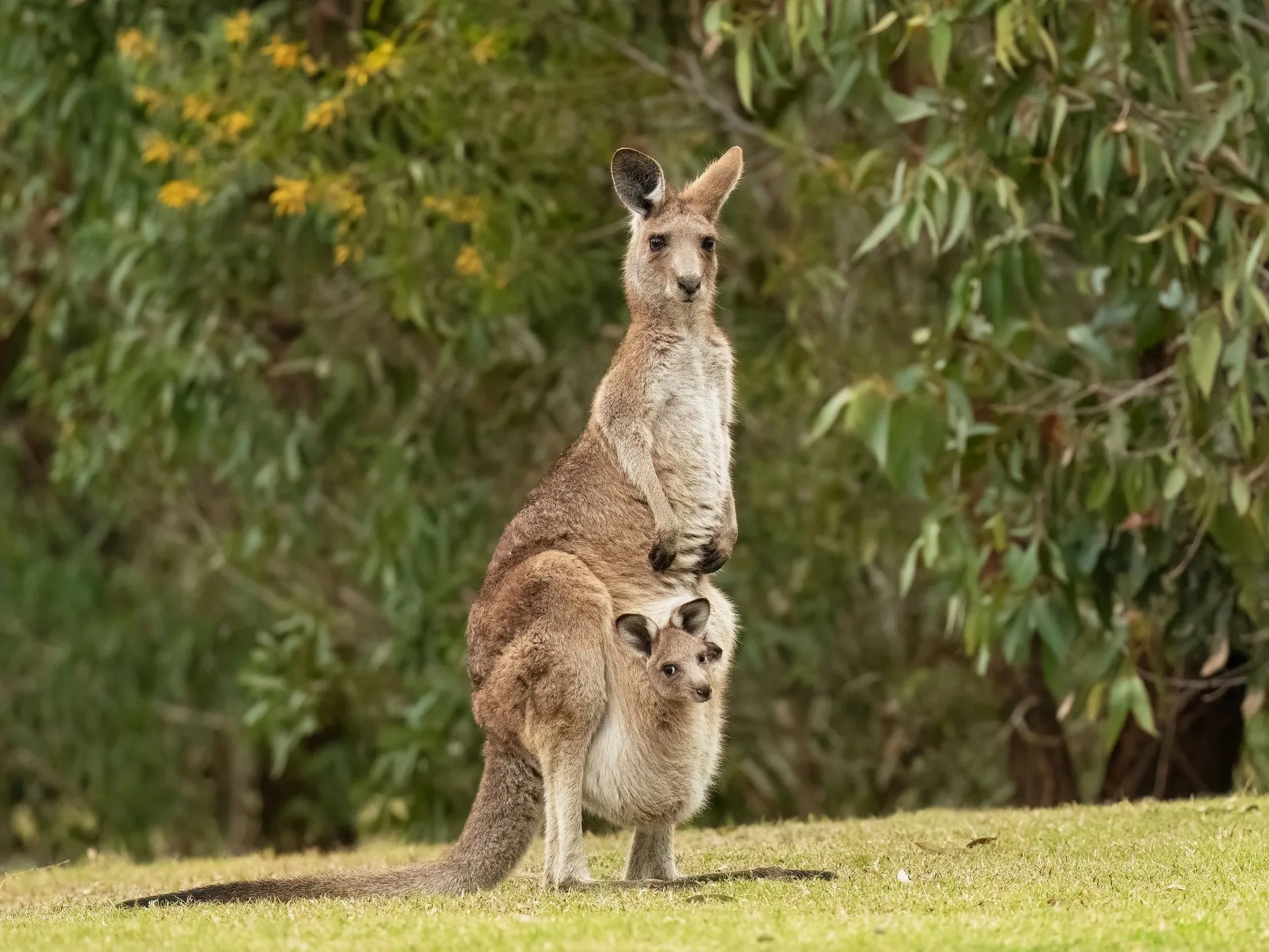
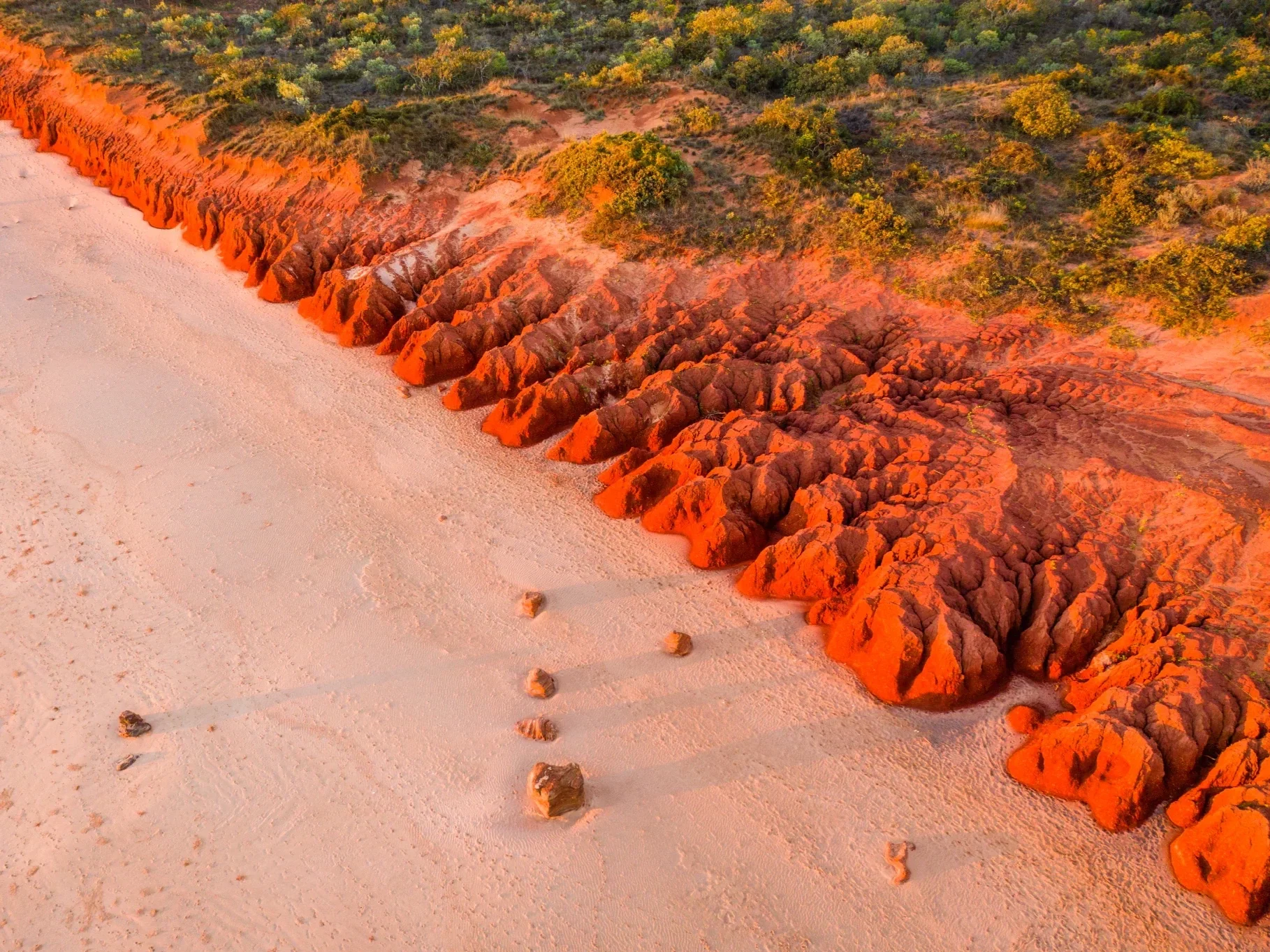
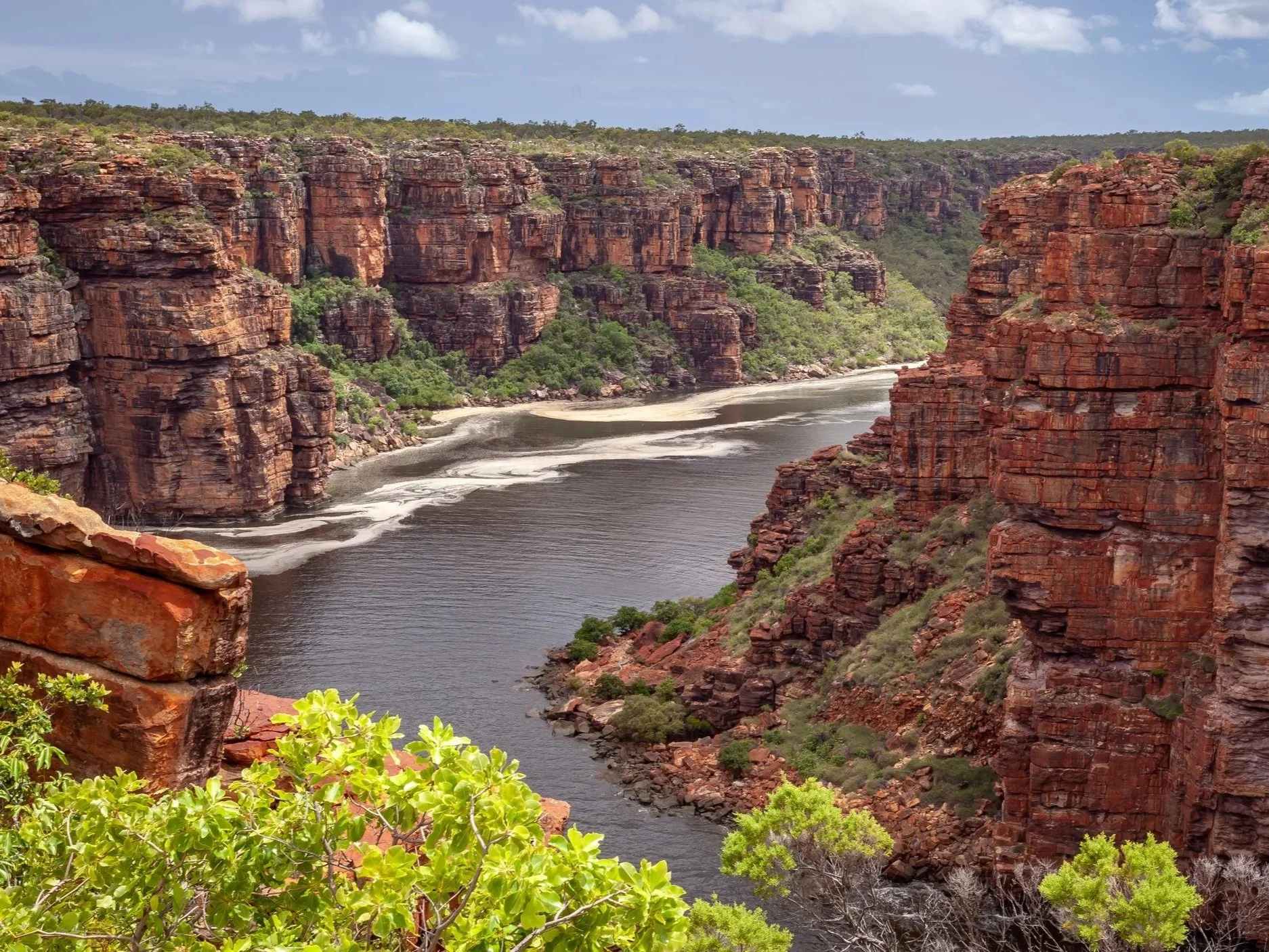
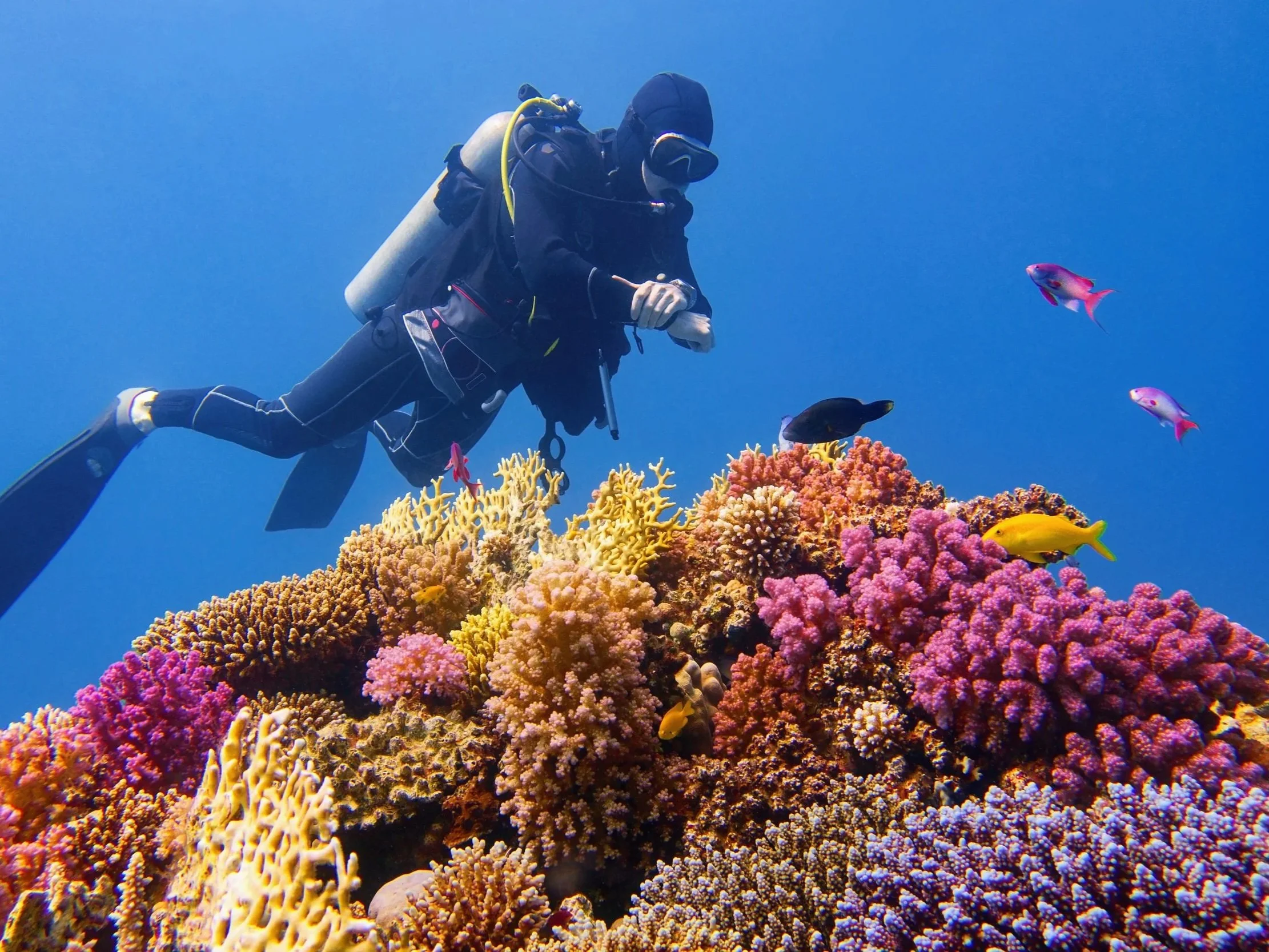
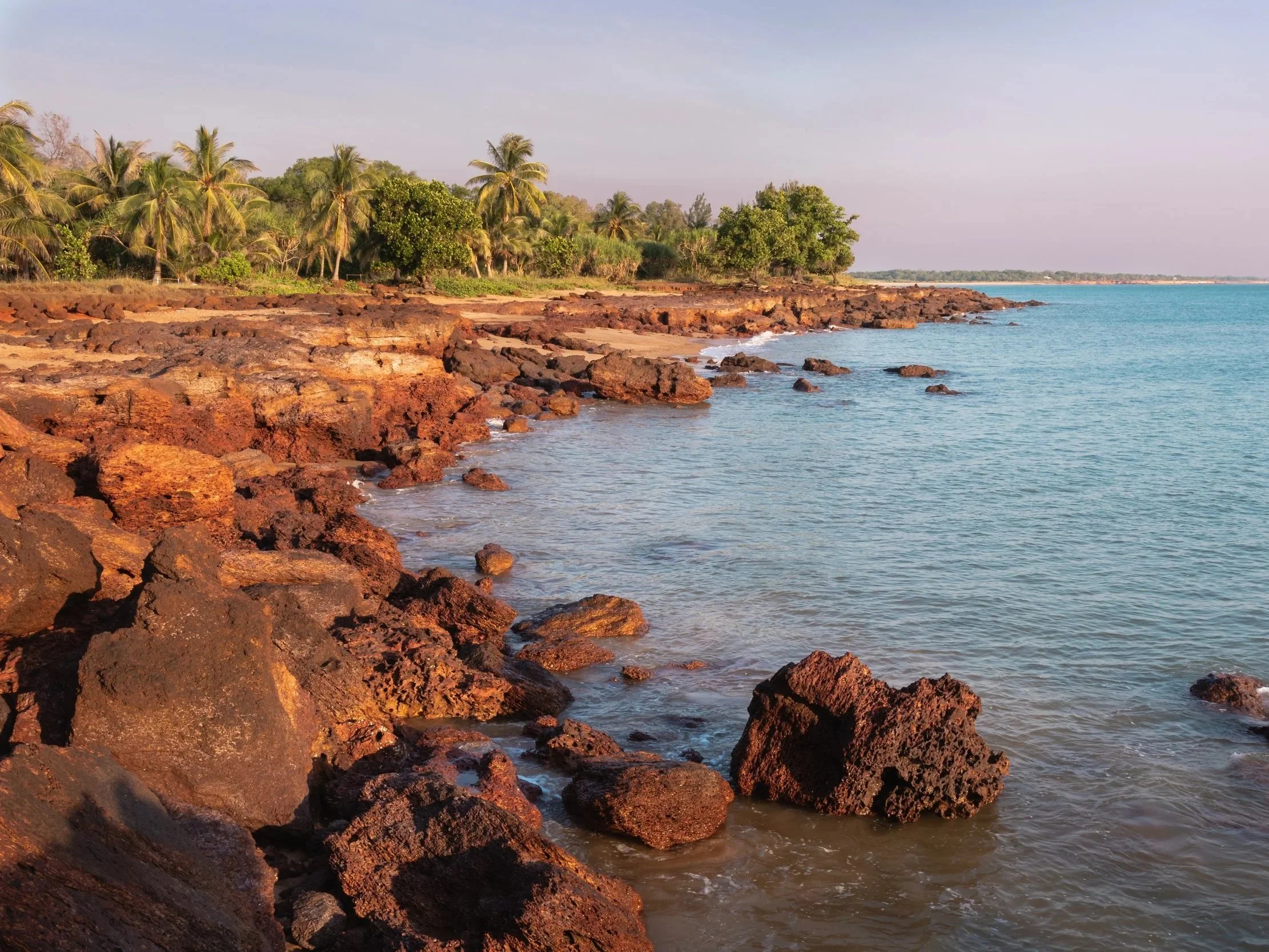
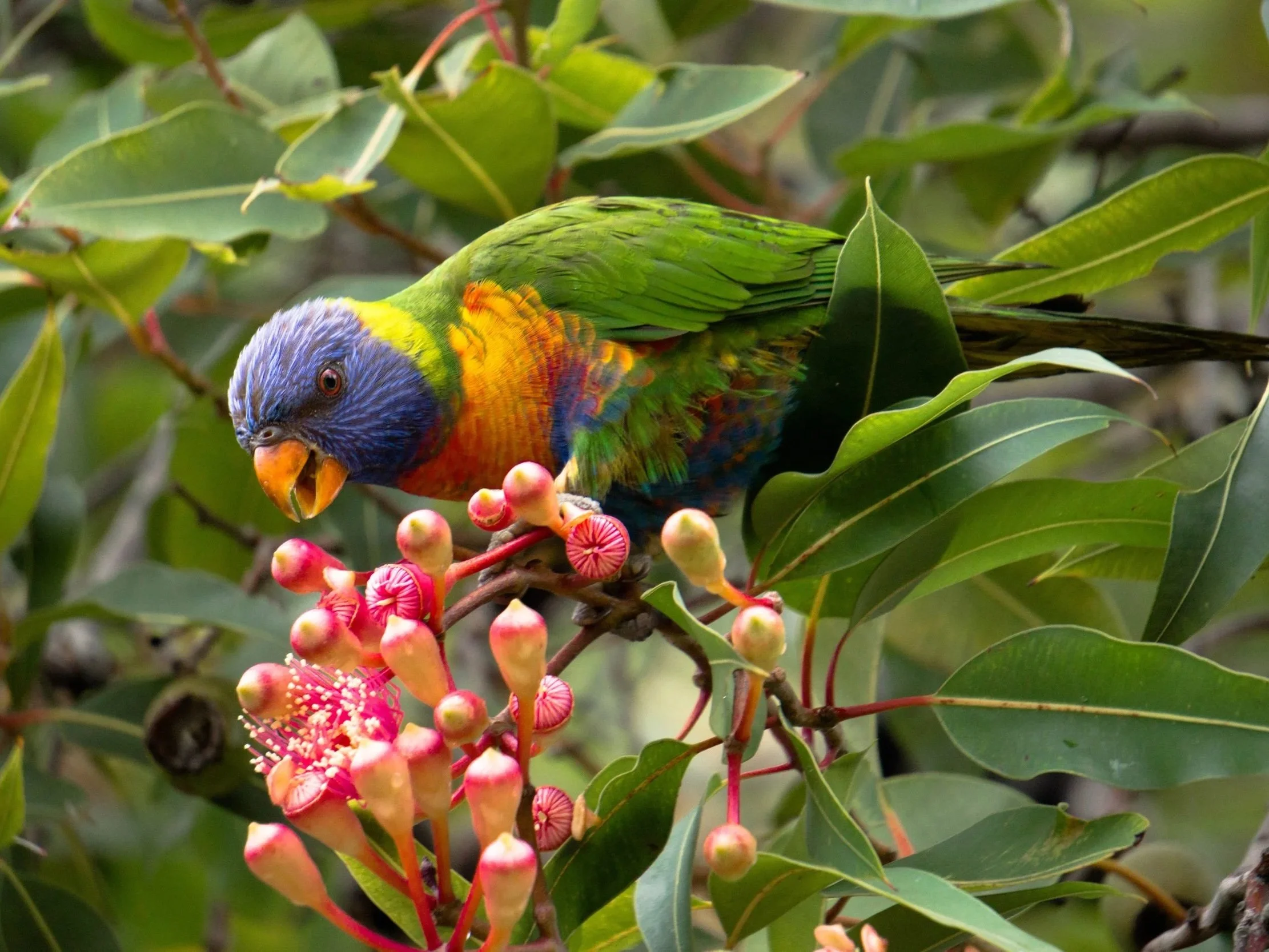
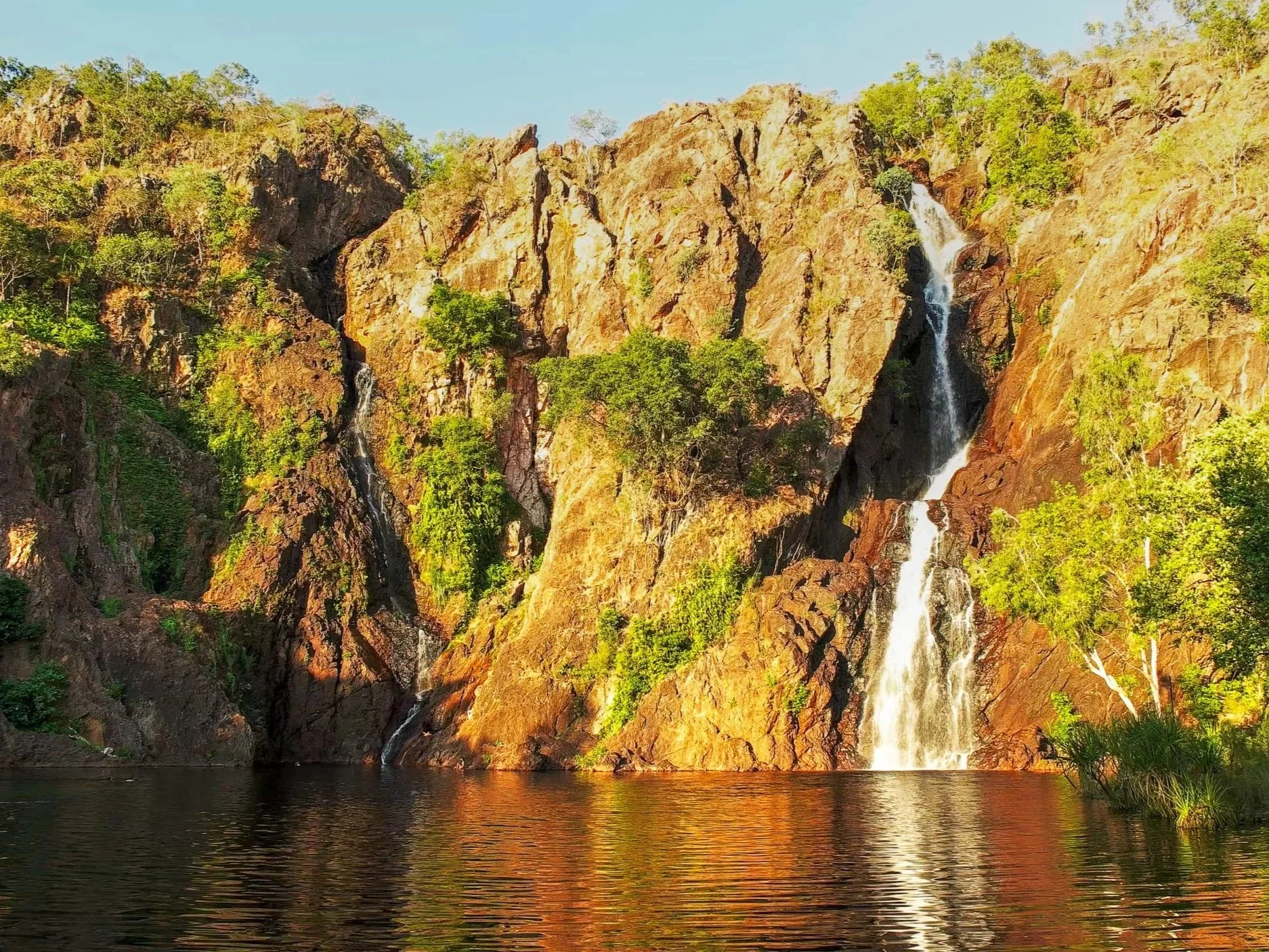
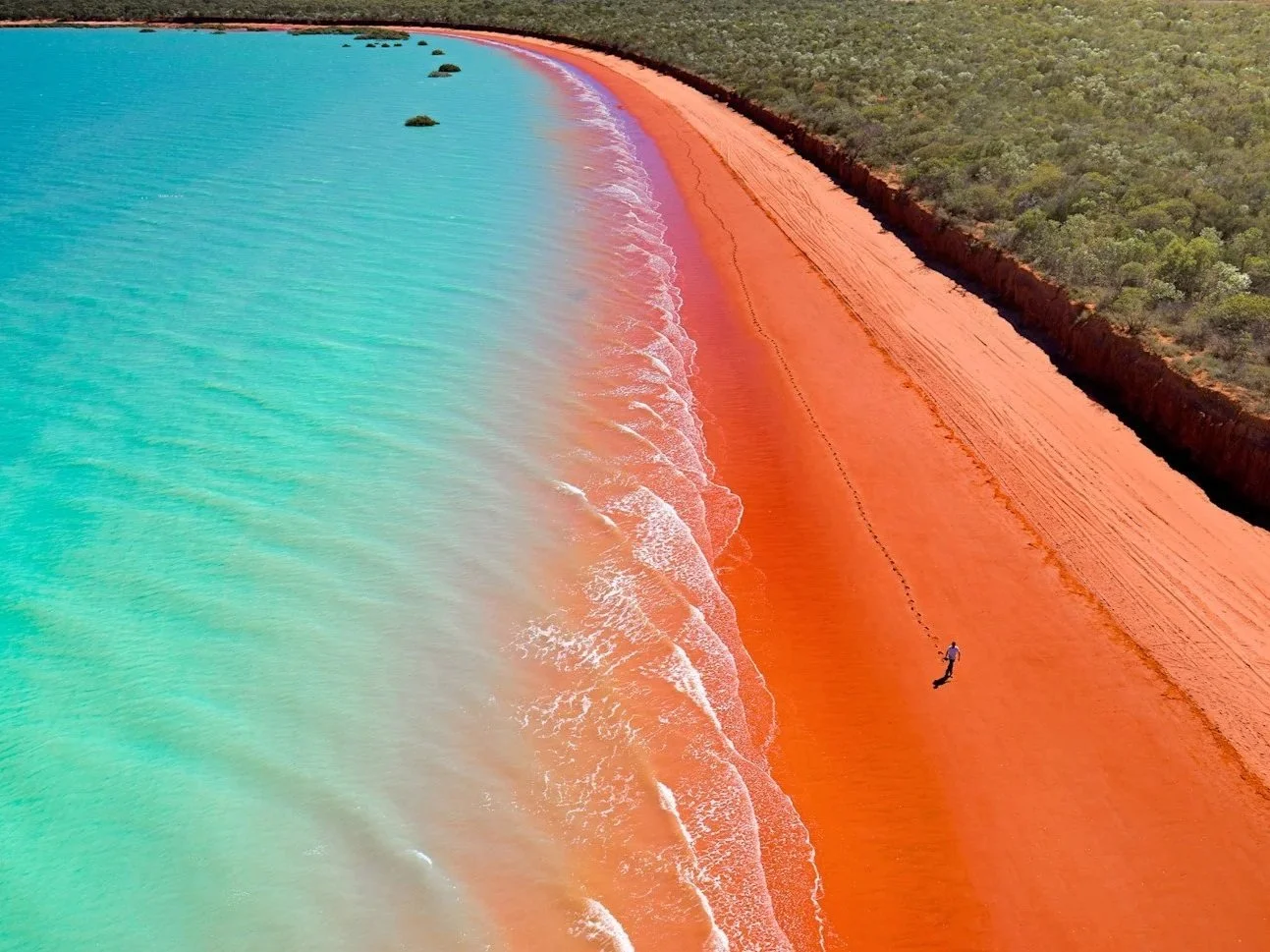
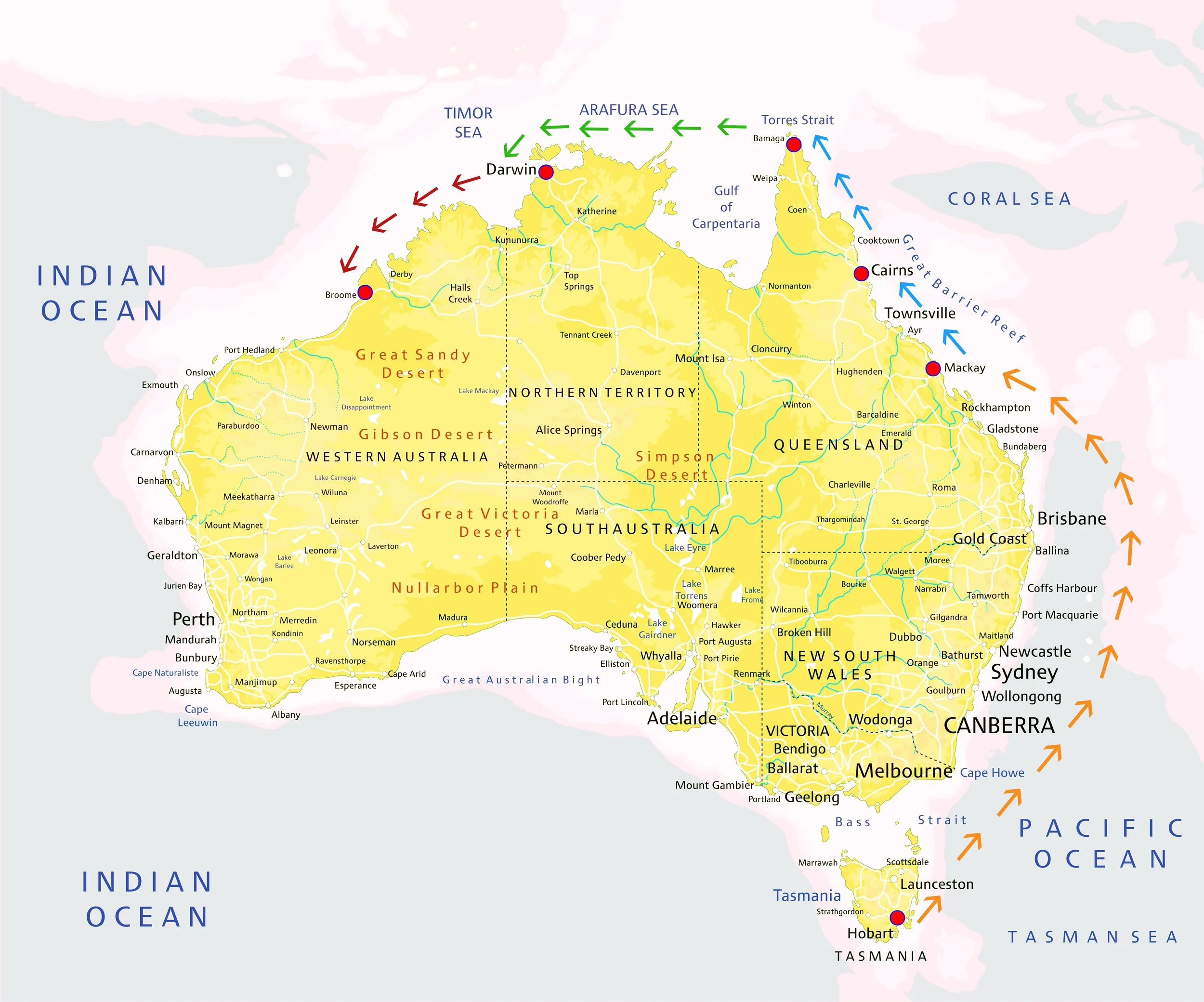
This season we’ll follow Australia’s wild and varied coastline by sail, tracing a route from the cool southern waters of Tasmania to the tropical reefs and remote frontiers of the north. The journey begins among Tasmania’s rugged shores and national parks before turning offshore toward the remote beauty of Lord Howe Island. From there we’ll continue north through the turquoise anchorages of the Whitsundays and along the Great Barrier Reef, eventually reaching the far-flung islands of the Torres Strait and the tropical coast of the Northern Territory. Along the way we’ll experience some of Australia’s most spectacular landscapes, from temperate wilderness to coral seas, while timing our travels to coincide with vibrant regional festivals in Darwin and Broome. Whether you join for a short coastal exploration or a longer offshore passage, each leg of the voyage offers its own unique blend of sailing, exploration, and adventure.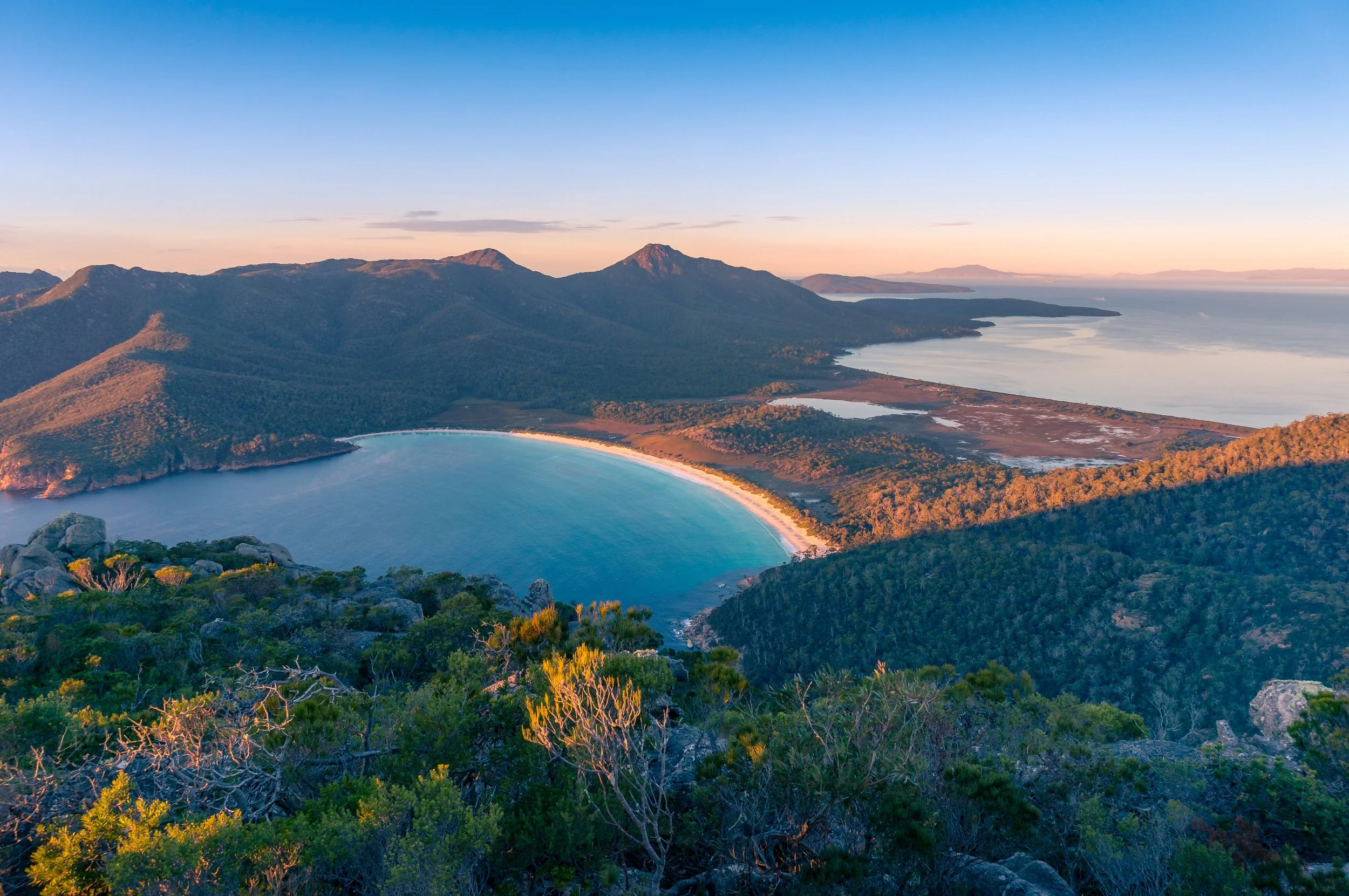
Australia Itinerary
EXPLORING TASMANIA
March & April 2027
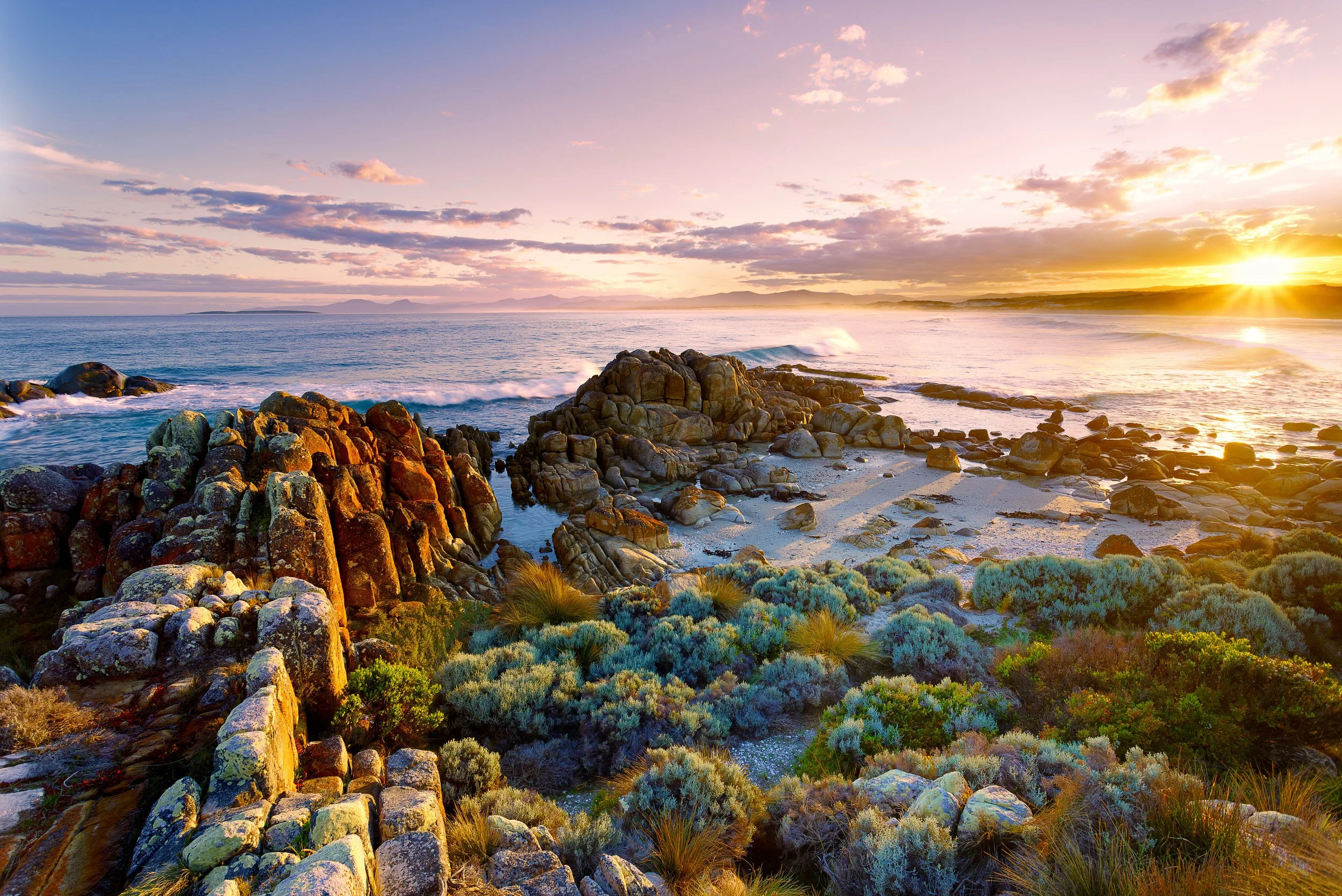
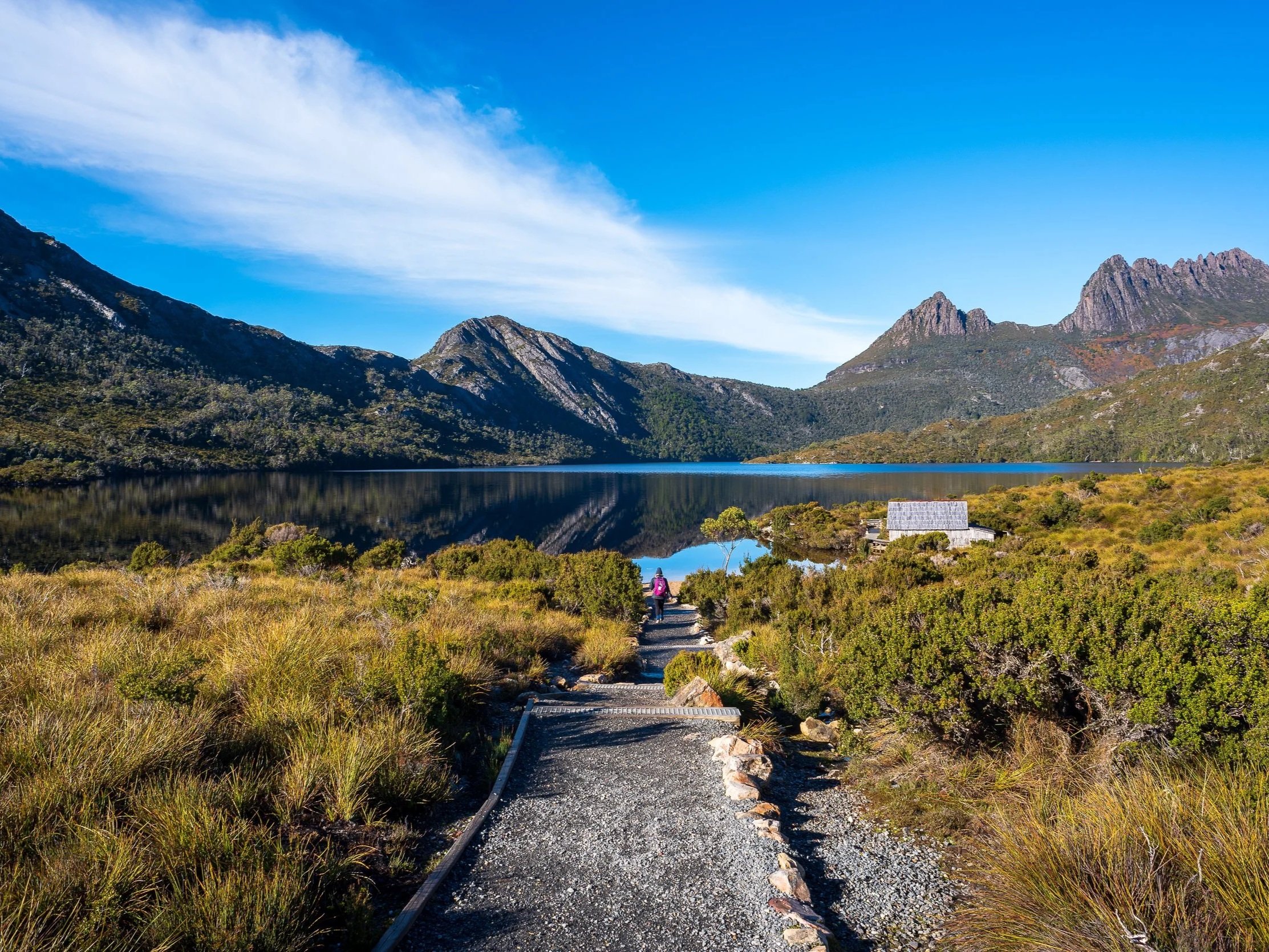
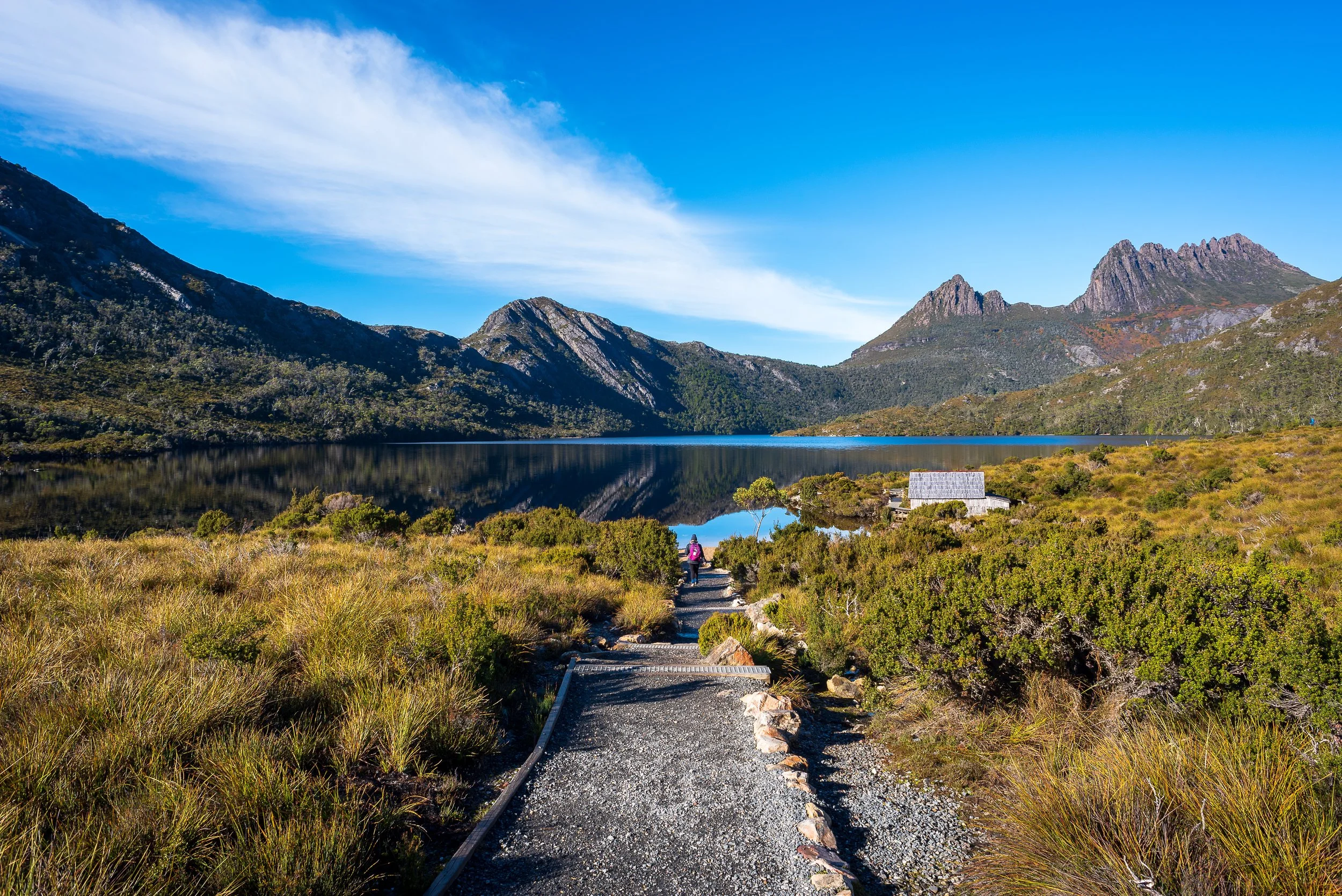
Tasmania is a wild island of dramatic coastlines, quiet anchorages, and vast national parks. Late summer in March brings settled sailing conditions, warmer days, and long golden evenings—an ideal window for exploring both sea and shore before the shift into autumn. The waters are often calmer, with reliable breezes and clear passages along much of the coastline. April then brings crisp autumn air and the brief golden glow of the alpine fagus, a transformation found nowhere else in Australia. Destinations near Hobart that we’ll aim to explore include Bruny Island, the wild southern Tasman coast, Wineglass Bay, and Freycinet National Park. We’ll remain flexible—anchoring where seas are calm and shaping our route around weather windows. Flying into/out of Hobart (HBA).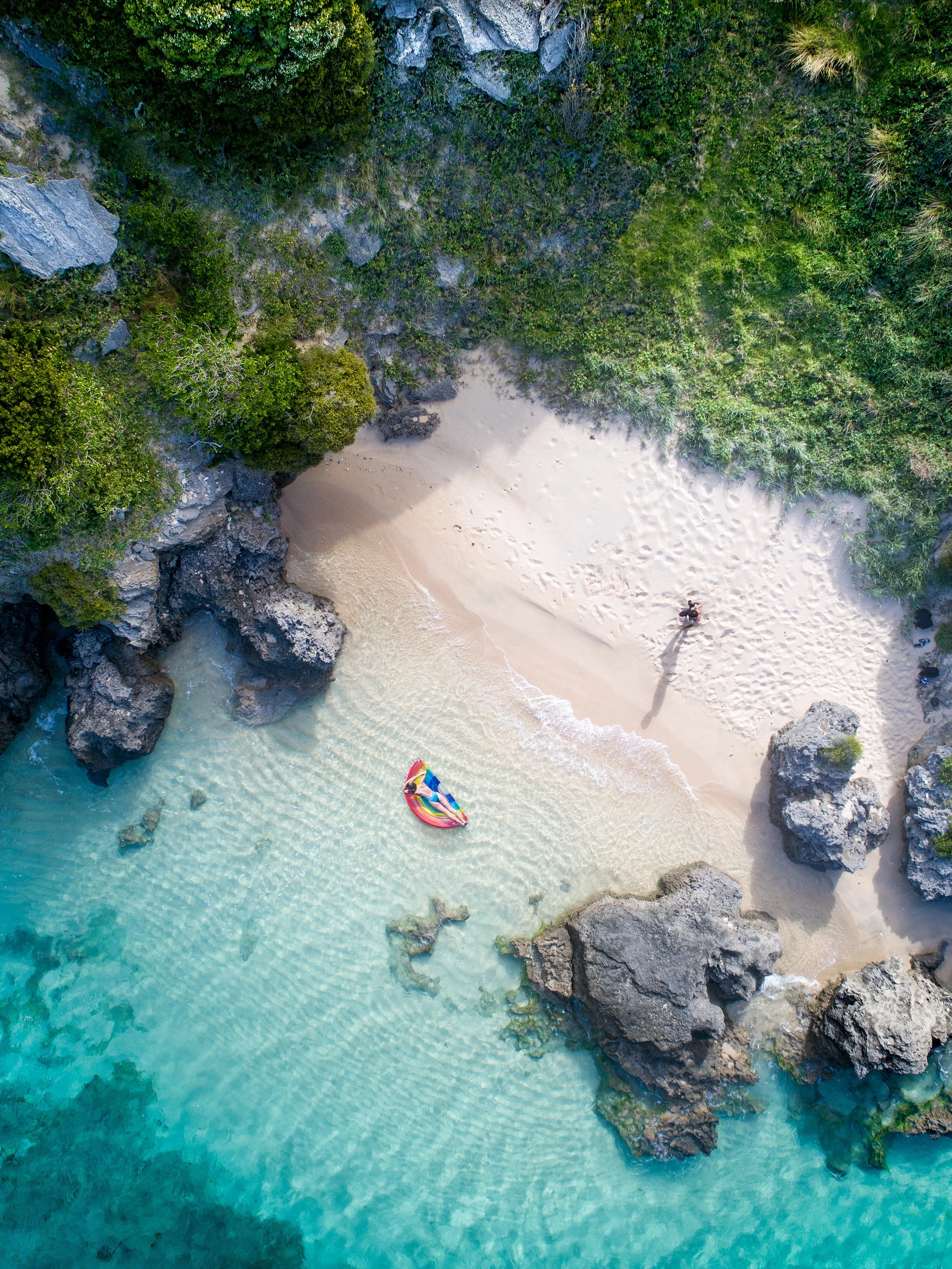
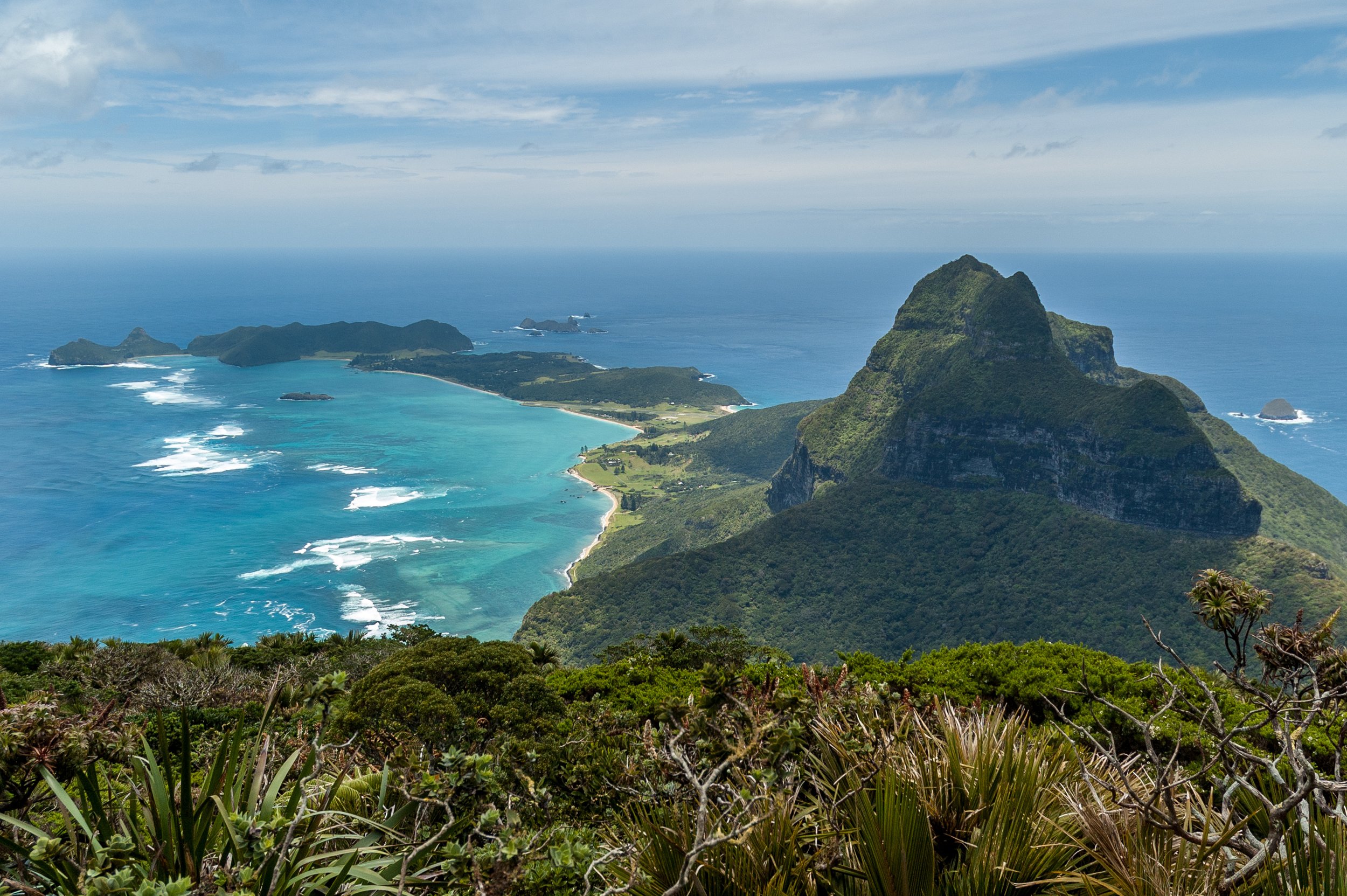
Sailing to & From Lord Howe Island
May 2027
Early May 2027: Hobart to Lord Howe Island*
Fly into Hobart (HBA) / out of Lord Howe Island (LDH)
Late May 2027: Lord Howe Island to Whitsundays*
Fly into Lord Howe Island (LDH) / out of Hamilton Island (HTI)
An adventure to Lord Howe Island is quite an extraordinary trip of its own. This remote volcanic island rising from the Tasman Sea is one of Australia’s most pristine natural environments and a UNESCO World Heritage Site that features towering mountains, coral reefs, turquoise lagoons. With strict visitor limits and vast protected areas, the island offers exceptional hiking, snorkeling, and wildlife encounters in an uncrowded and remarkably preserved setting. These will be two of our most adventurous legs of our Australia itinerary. *NOTE: Both legs of this journey include multi-day open ocean sailing across the Tasman Sea.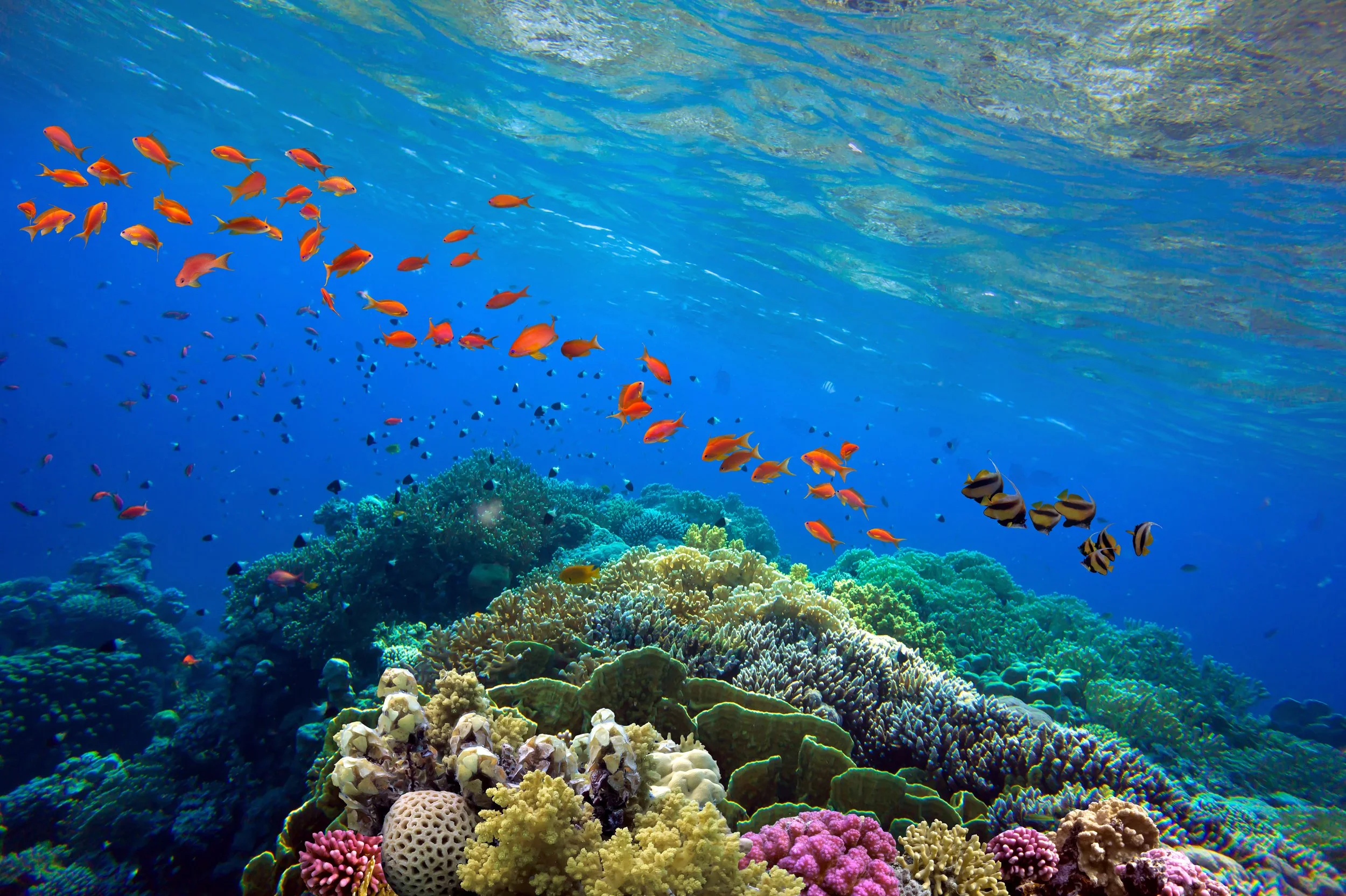
Exploring the Great Barrier Reef Region
June & July 2027
Dates TBD: Exploring the Whitsundays
Fly into/out of Hamilton Island (HTI)
Dates TBD: Whitsundays to Cairns
Fly into Hamilton Island (HTI) / Fly out of Cairns (CNS)
Dates TBD: Cairns to Horn Island
Fly into Cairns (CNS) / Fly out of Horn Island (HID)
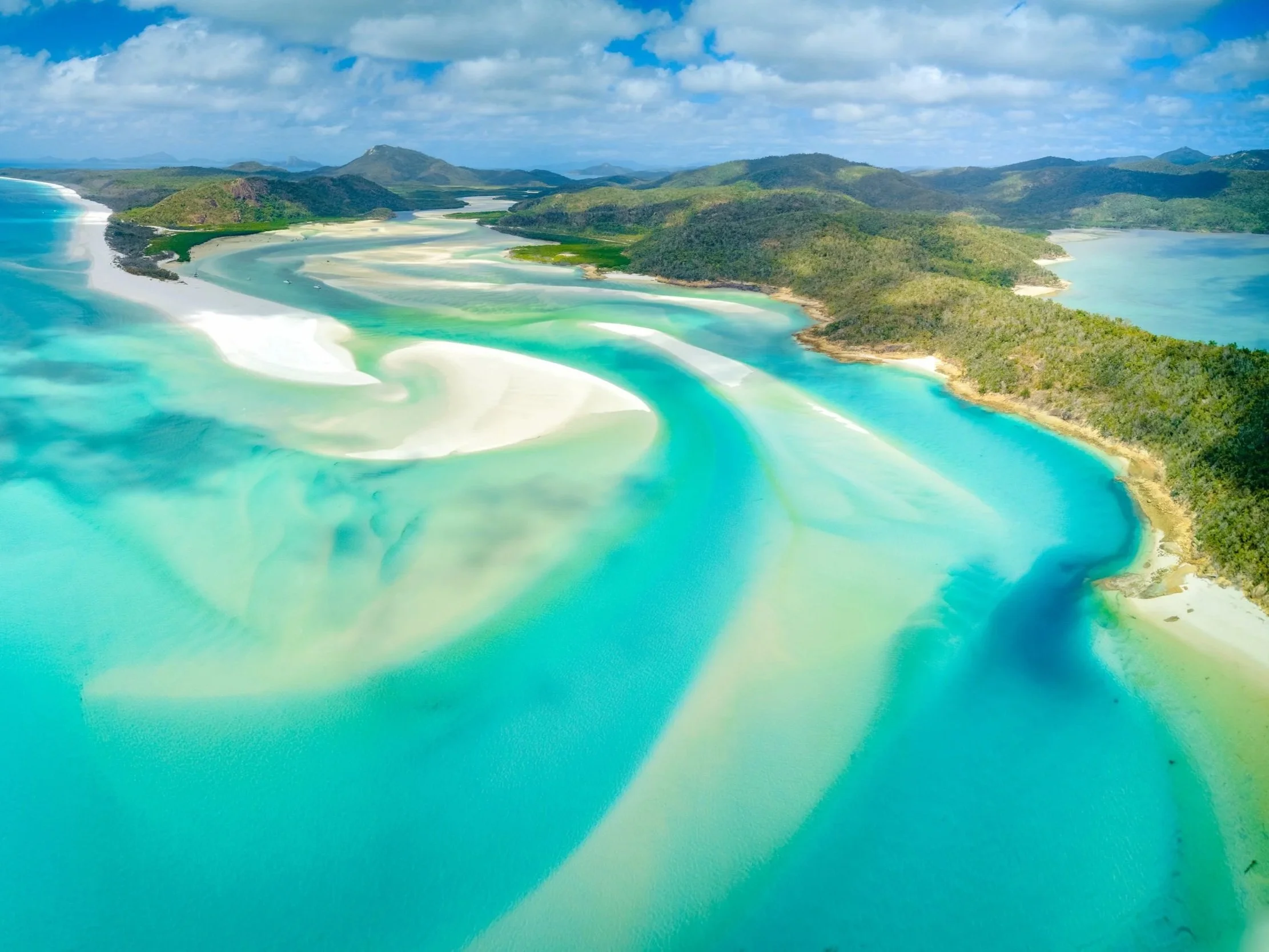
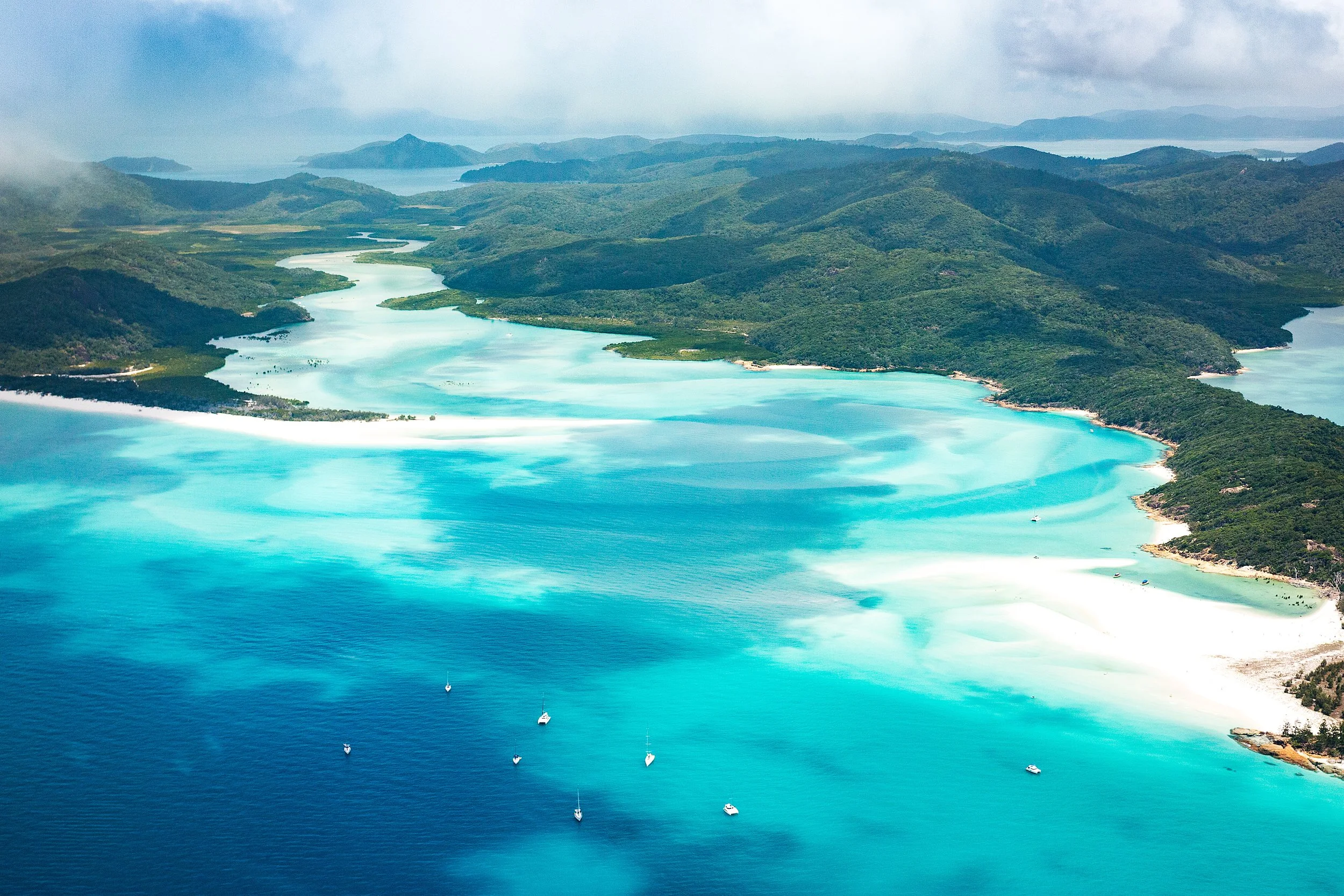
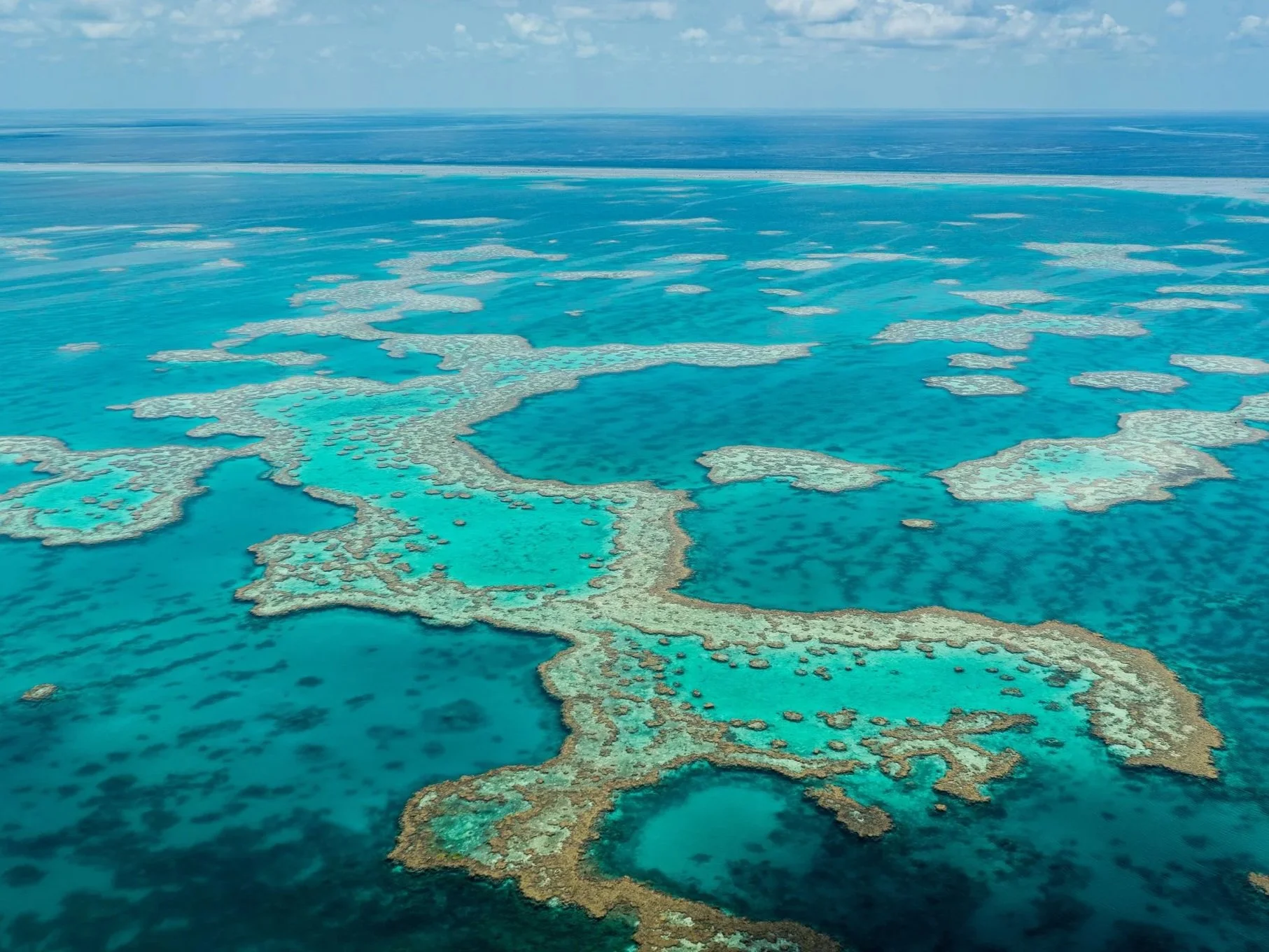
This stretch of coastline traverses some of the most spectacular sections of the Great Barrier Reef. From the white silica sands and turquoise anchorages of the Whitsundays to the coral cays and remote reef systems further north, the region offers world-class snorkeling, vibrant coral gardens, and tropical islands scattered across warm blue waters. We plan to explore reef anchorages, remote islands, and quiet passages along one of the most iconic marine environments on earth.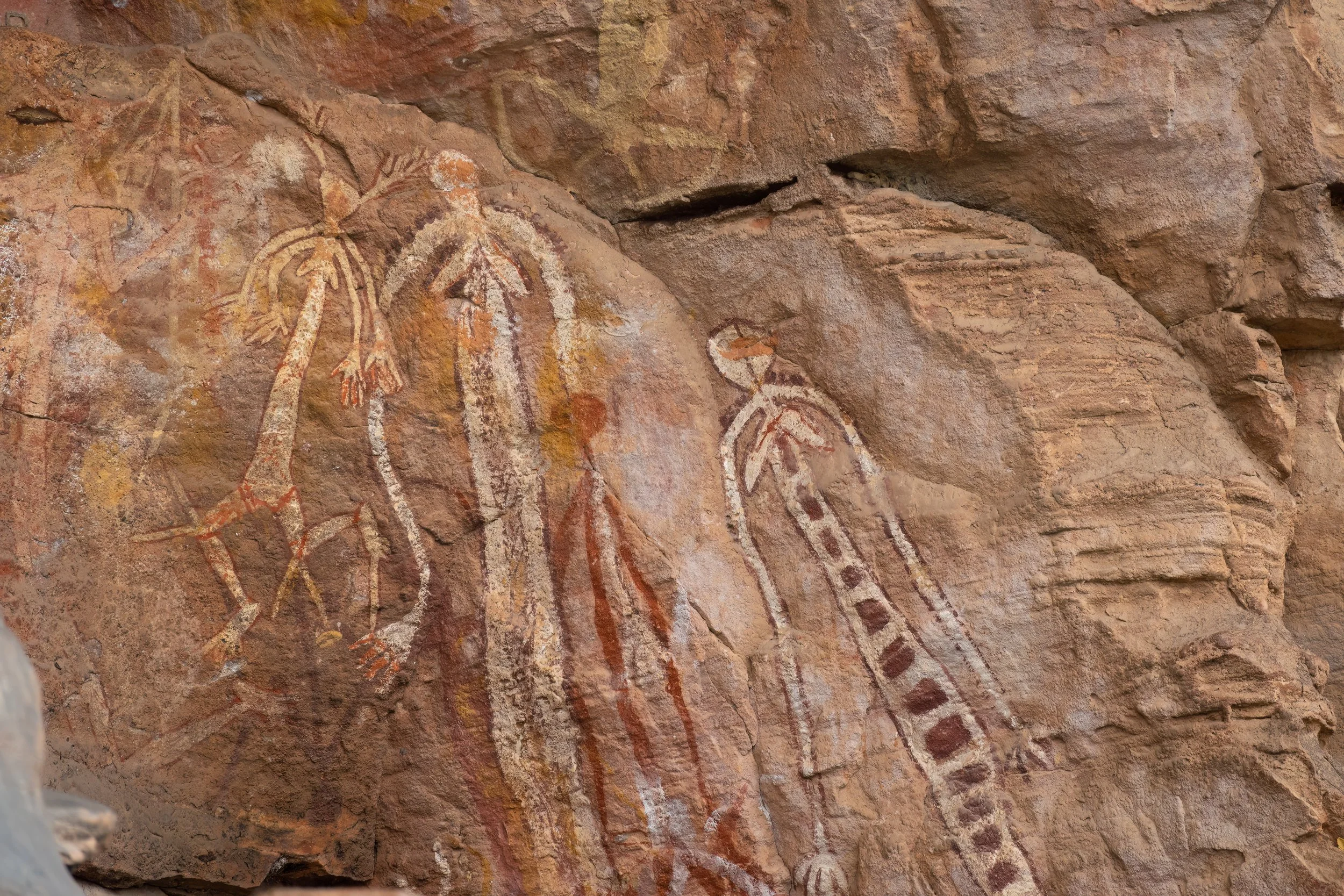
Torres Strait & Darwin to the Kimberley Region & Broome
August 2027
early AUGust: Horn Island to Darwin*
Fly into Horn Island (HID) / Fly out of Darwin (DRW)
late august: Darwin to Broome
Fly into Darwin (DRW) / Fly out of Broome (BME)
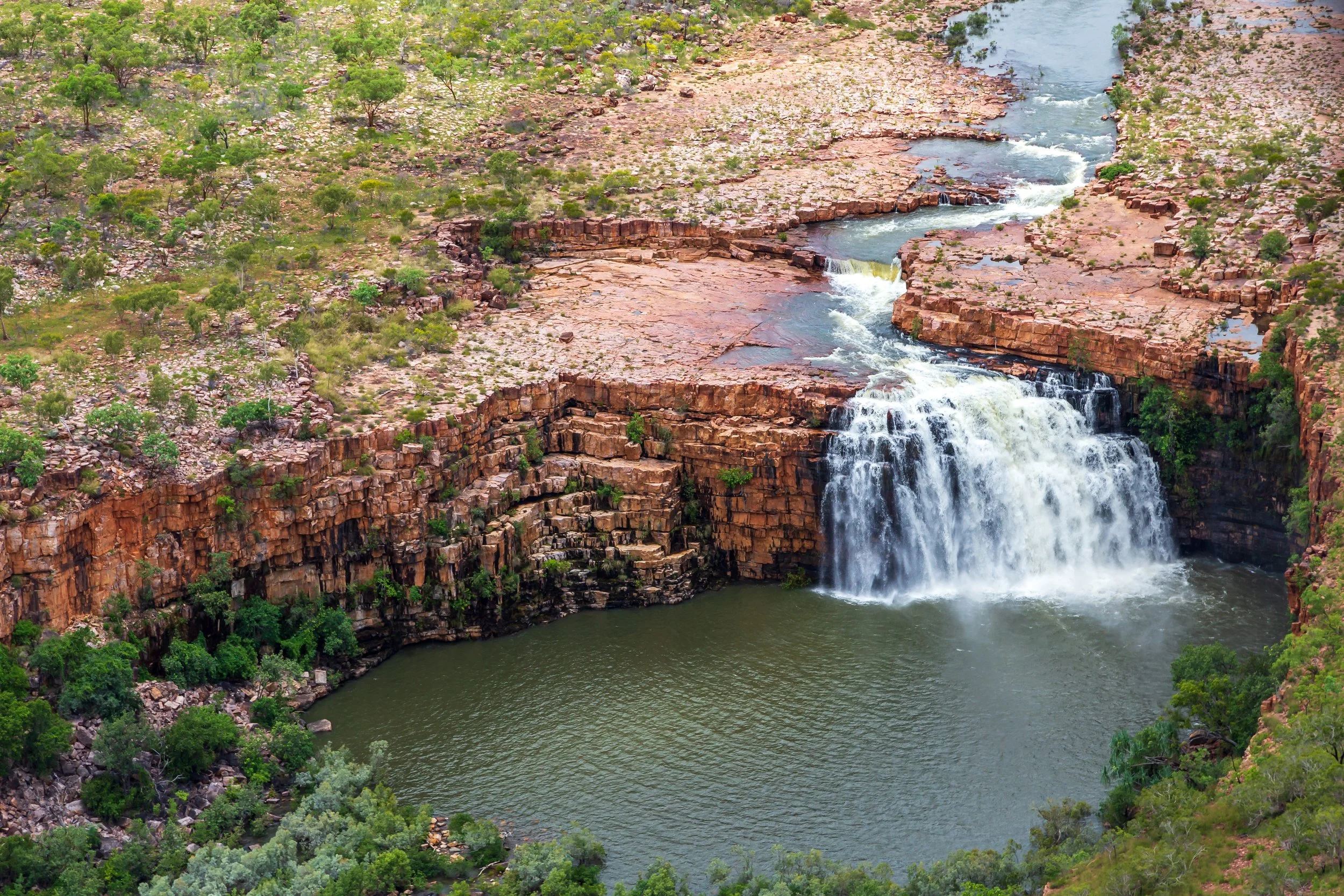
Arrival & departure in Darwin coincide with the Darwin Festival, an 18-day celebration that transforms the tropical capital into a lively open-air cultural stage, with performances, music, art installations, comedy, theatre, and food events spread across the city’s waterfront parks and venues. Arrival and departure in Broome coincide with Shinju Matsuri (Festival of the Pearl) — Broome’s signature cultural celebration. The festival honors the town’s pearling history and the diverse cultures that built it, blending Japanese, Malaysian, Chinese, Filipino, and Indigenous influences.*Involves 12+ hours of open ocean sailingTravel guide to meeting us in Australia
Tasmania
Hobart Airport (HBA) — best airport if you're meeting us by boat; closest to marinas and the city. Launceston Airport (LST) — alternative entry point in northern Tasmania. Ground transport: shuttles, taxis, and car rentals are available from both airports.
Great Barrier Reef & Whitsundays
Brisbane Airport (BNE) and Cairns Airport (CNS) — major international and domestic gateways for the Great Barrier Reef and northern Queensland.
Access to the Whitsundays: Hamilton Island Airport (HTI), Whitsunday Airport — Shute Harbour / Airlie Beach (WSY), Whitsunday Coast Airport — Proserpine (PPP). These airports provide the most direct access to the Whitsunday Islands and nearby marinas.
Alternative Queenstown Airports: Townsville Airport (TSV) — major regional airport about 3 hours north of the Whitsundays. Mackay Airport (MKY) — regional airport about 2 hours south of Airlie Beach
Torres Strait
Horn Island Airport (HID) — primary airport for the Torres Strait region. Most flights connect from Cairns (CNS) via regional carriers such as Skytrans. Note: This is a very remote region, and flights can be limited, and may require an additional boat ferry after landing.
Darwin
Darwin International Airport (DRW) — the main airport for Australia’s Northern Territory and the gateway to the Top End. Darwin has strong domestic connections with Sydney (SYD), Melbourne (MEL), Brisbane (BNE), Perth (PER), and Cairns (CNS).
Broome
Broome International Airport (BME) — gateway to the Kimberley region. Direct flights are commonly available from: Perth (PER), Darwin (DRW), Melbourne (MEL) (seasonal), Sydney (SYD) (seasonal)
Interested in Coming Aboard?
Whether you're dreaming of a future voyage, have questions about our upcoming expeditions, or just want to say ahoy, send us a digital message in a bottle below. We check our inbox often (even from remote anchorages) and will get back to you as soon as we’re in calm seas and within signal range.